Pachmarhi Zone – Satpura Tiger Reserve

The Pachmarhi Zone is situated near the famous hill station of Pachmarhi, combining wildlife viewing with stunning scenic beauty and cultural heritage. This zone occupies the higher elevations of Satpura Tiger Reserve and offers a unique blend of wildlife encounters, breathtaking landscapes, ancient rock shelters, and cooler temperatures compared to other zones.

What to Expect:

  • The zone features mixed deciduous forests, deep valleys, cascading streams, natural caves, and ancient rock art sites.
  • Safari routes offer panoramic views of the Satpura ranges with dramatic elevation changes and scenic vistas.
  • The area includes both core forest patches and buffer zones with traditional villages, providing cultural experiences alongside wildlife viewing.

Wildlife Highlights:

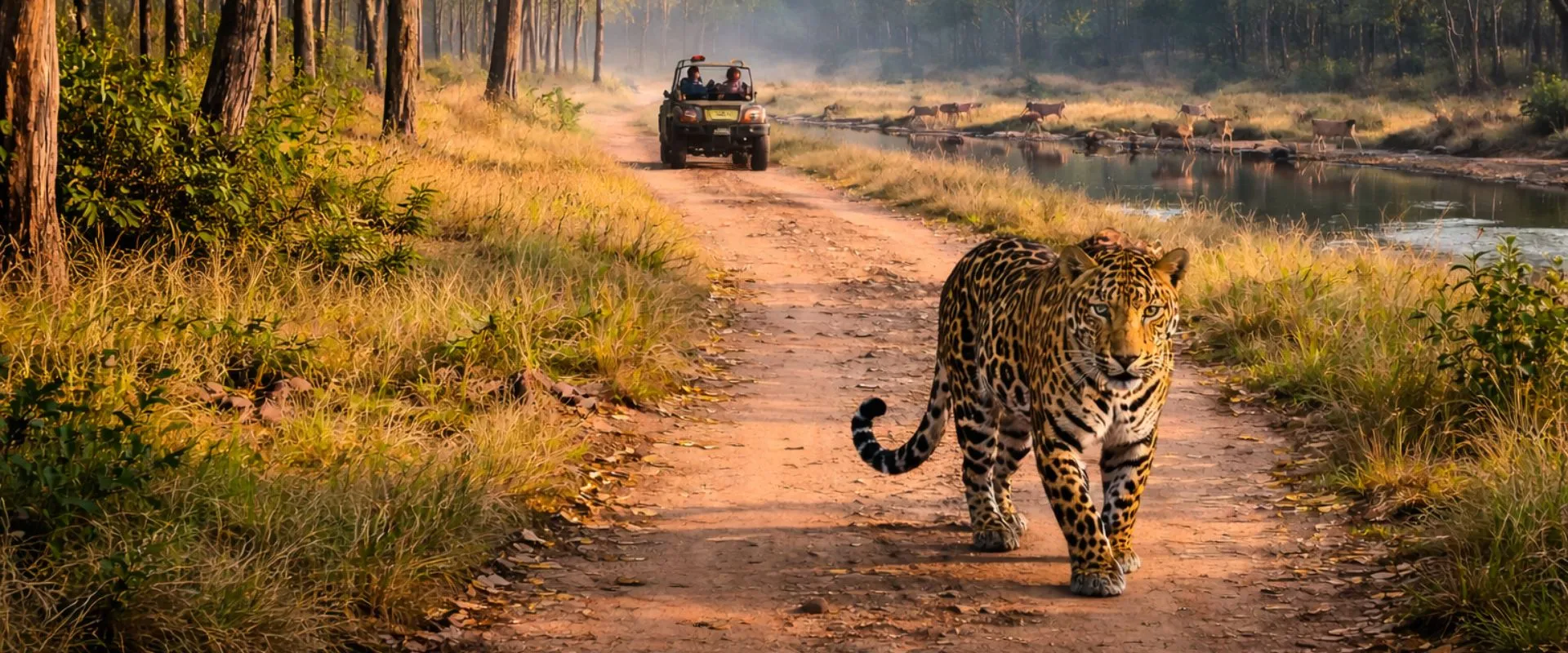
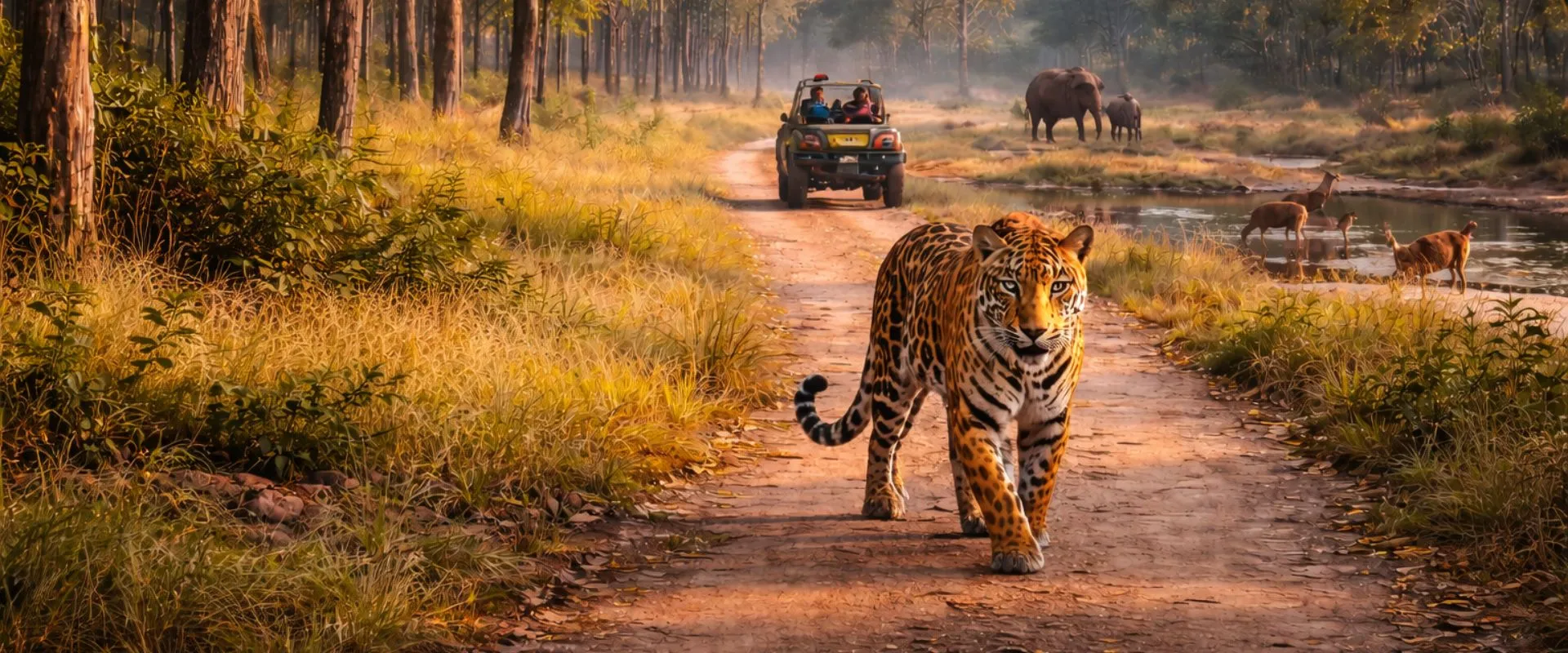
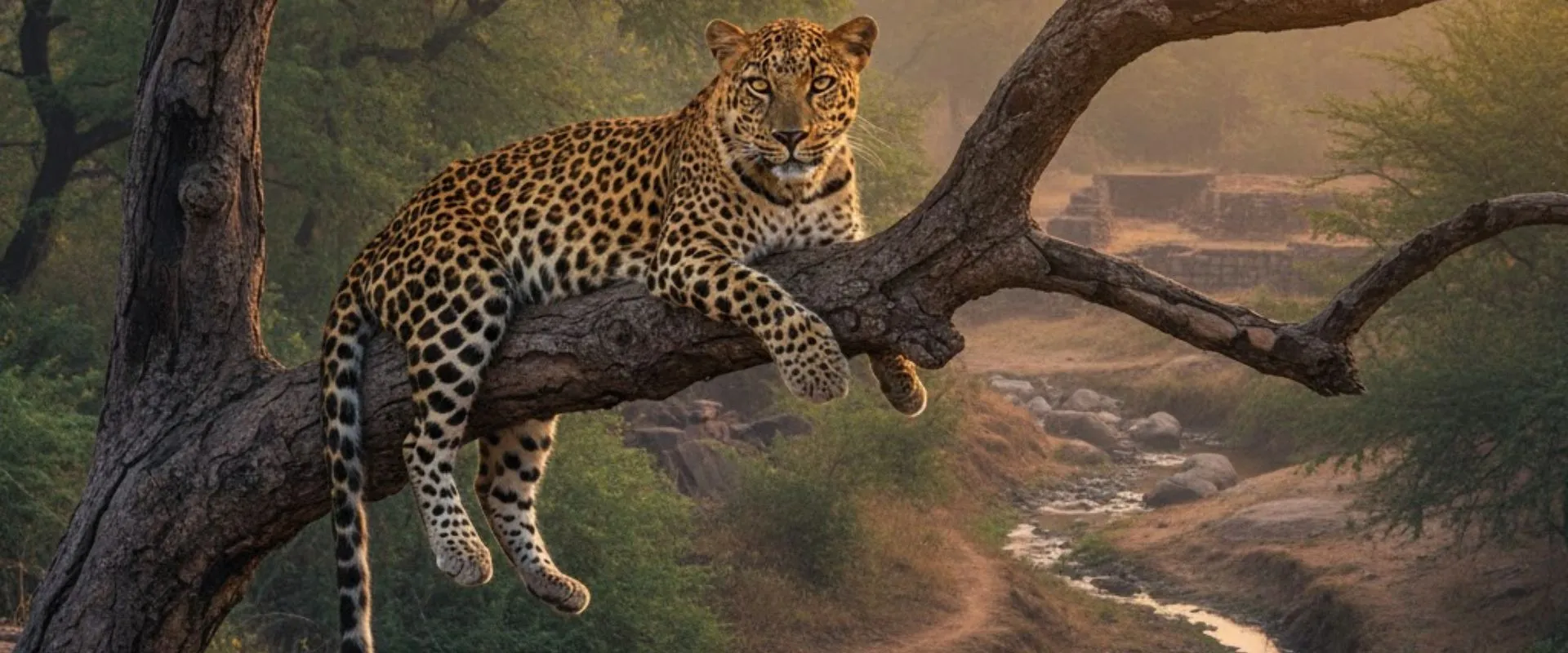
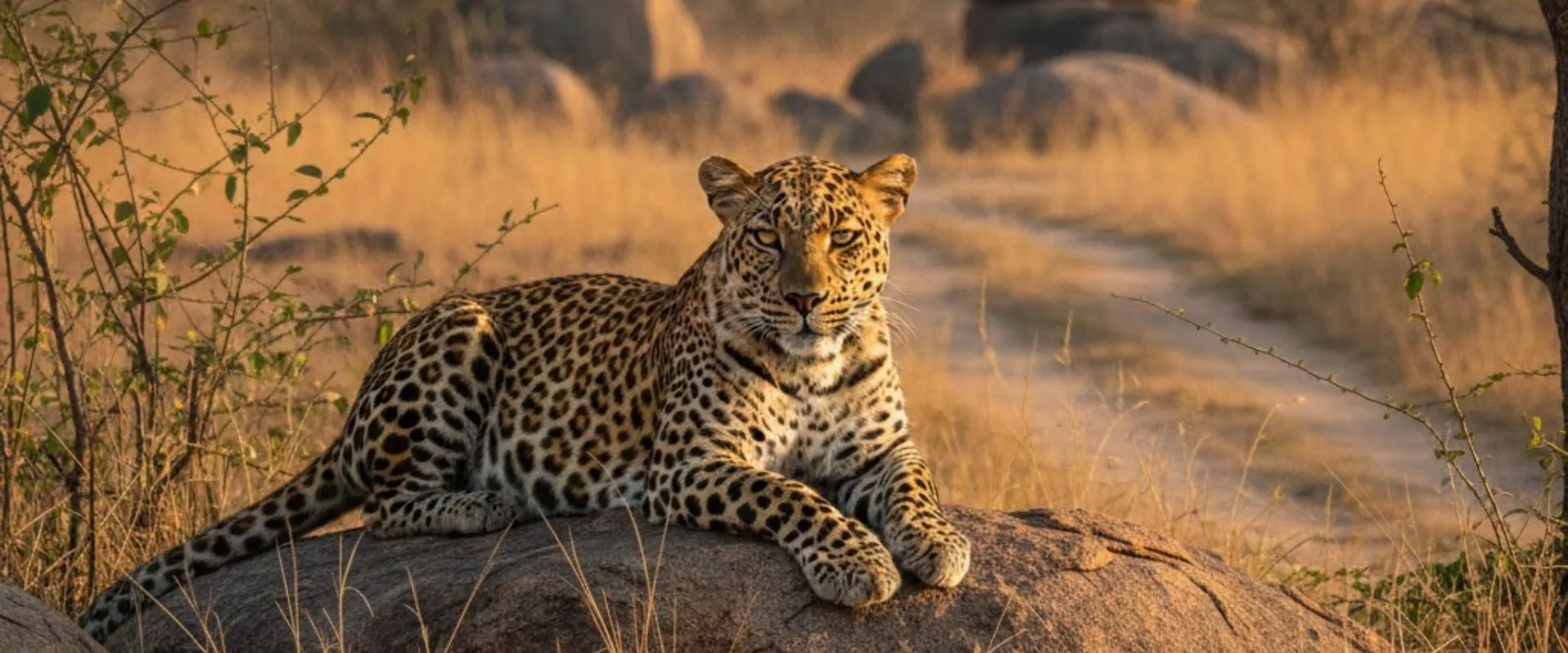
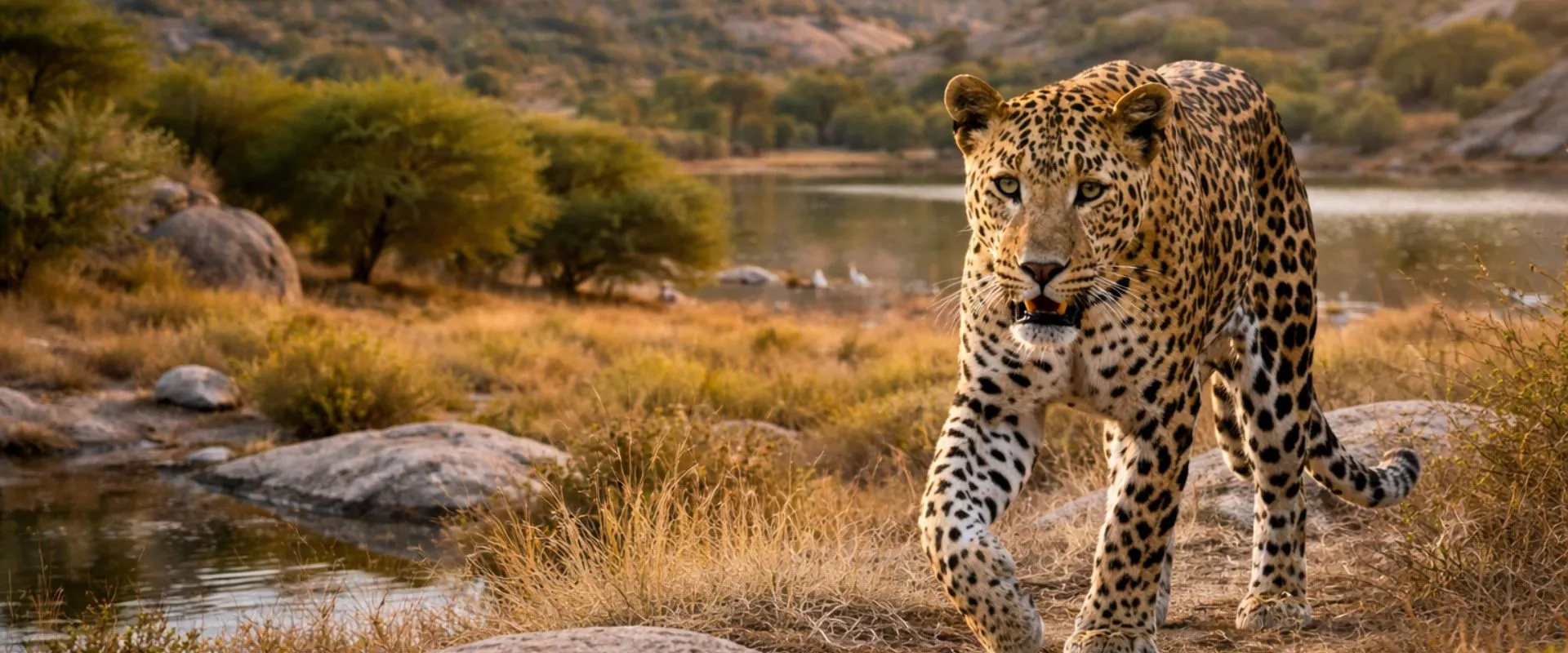
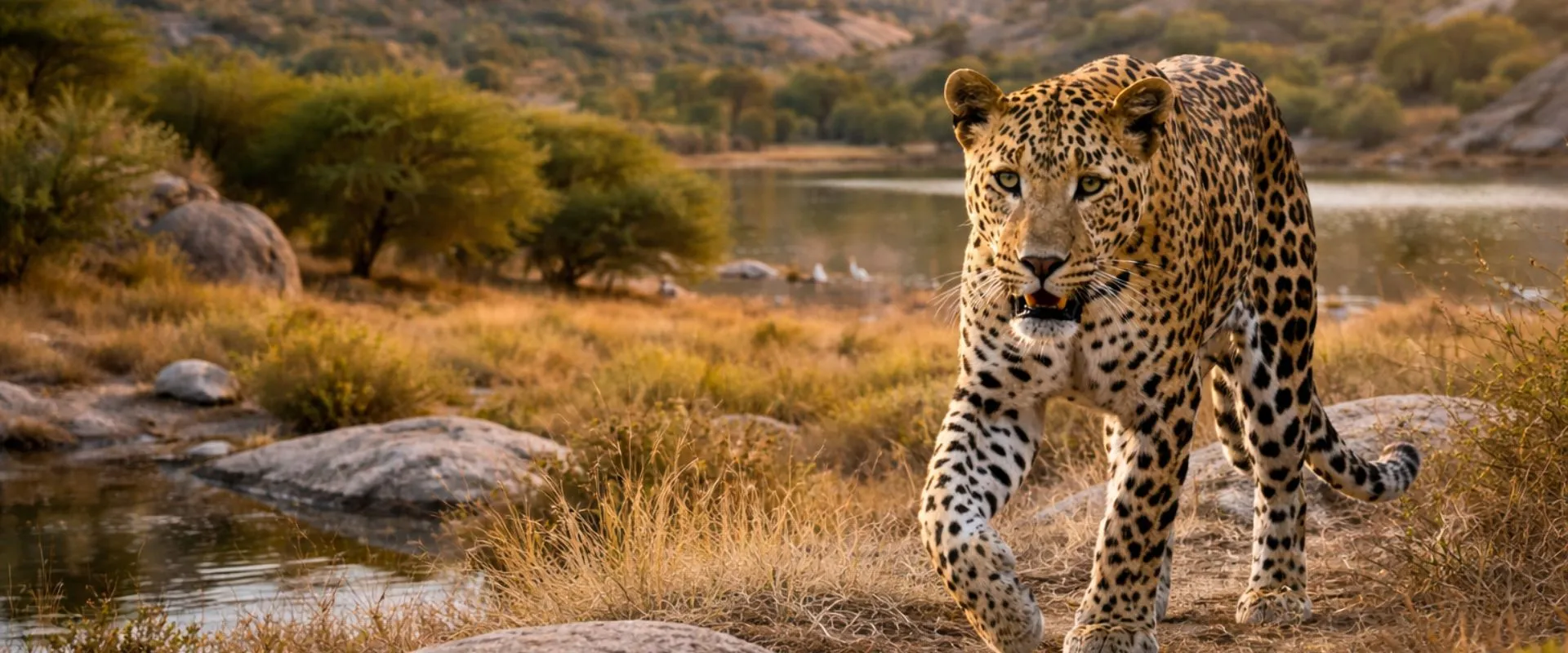
  • Leopards: The zone’s rocky terrain and elevated areas create ideal leopard habitat, making sightings relatively common.
  • Sloth Bears: Frequently spotted in forested areas, especially near fruiting trees and termite mounds.
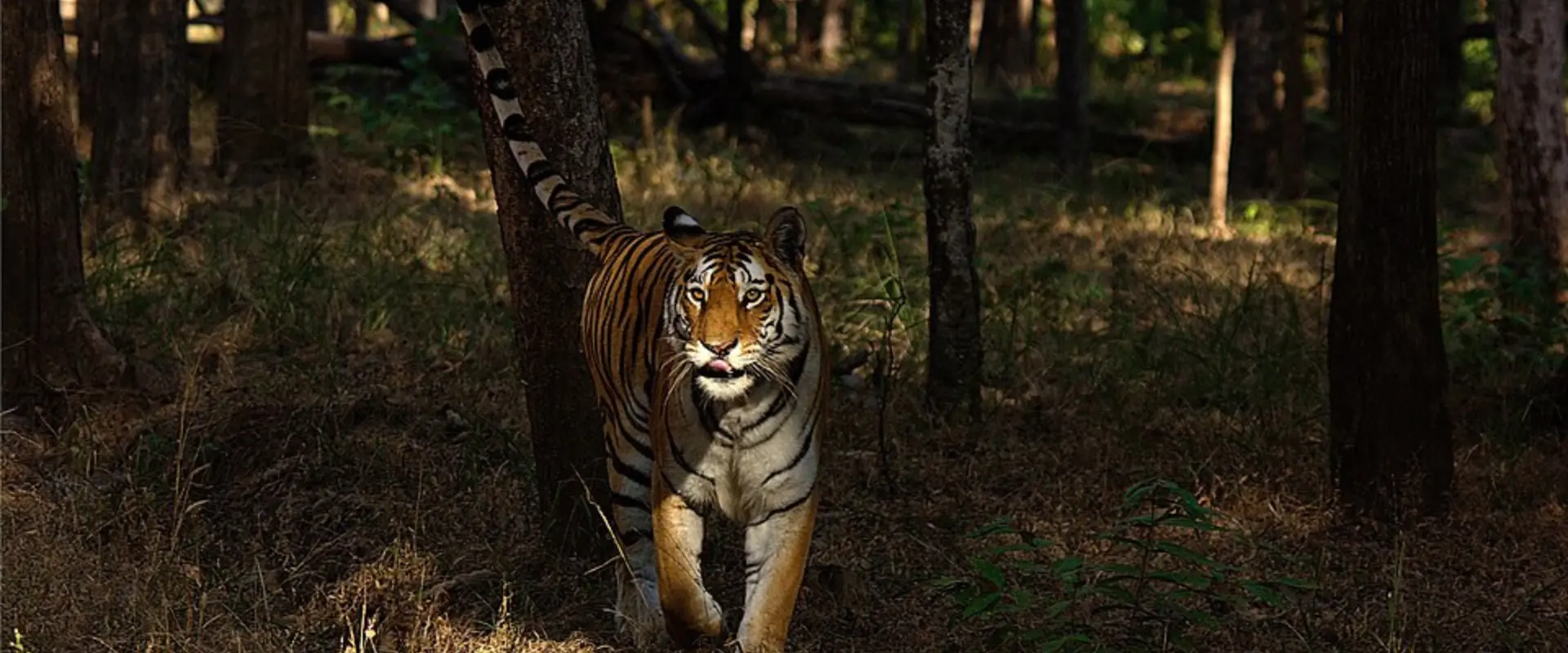
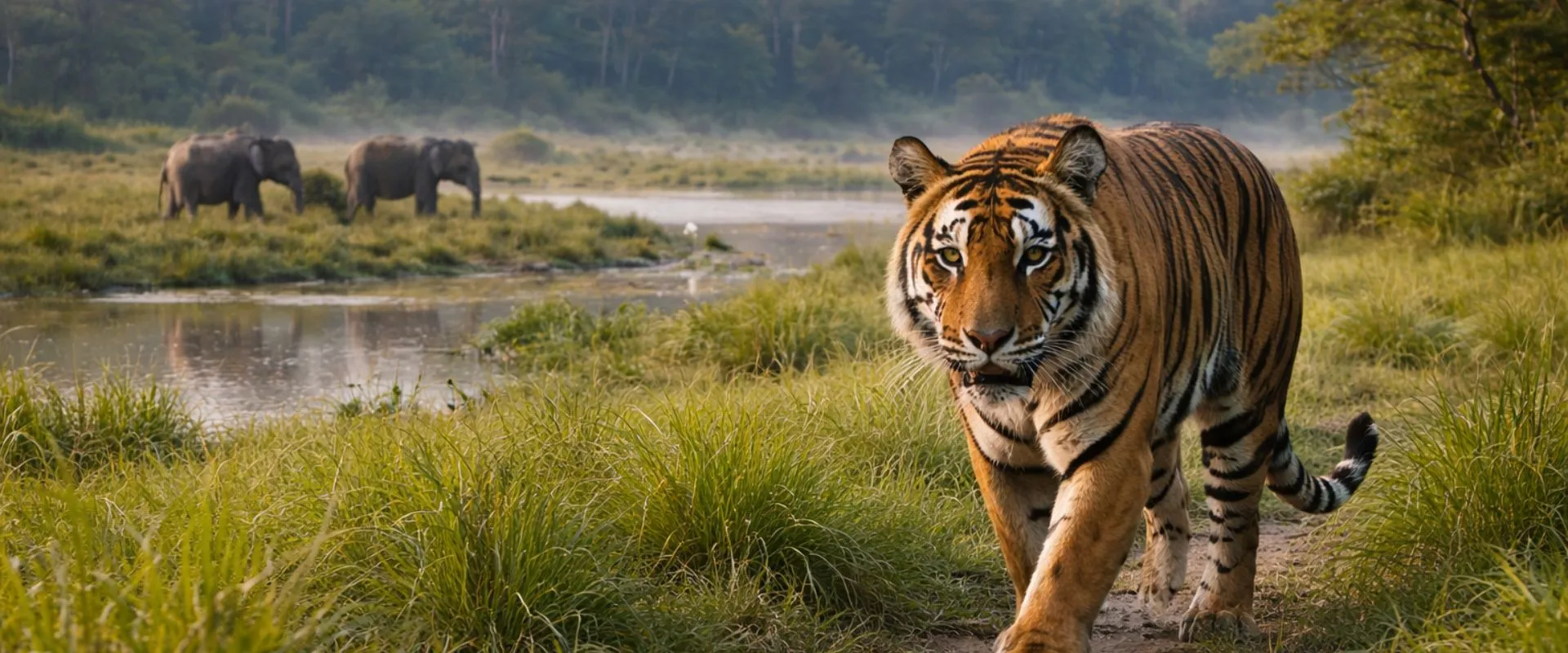
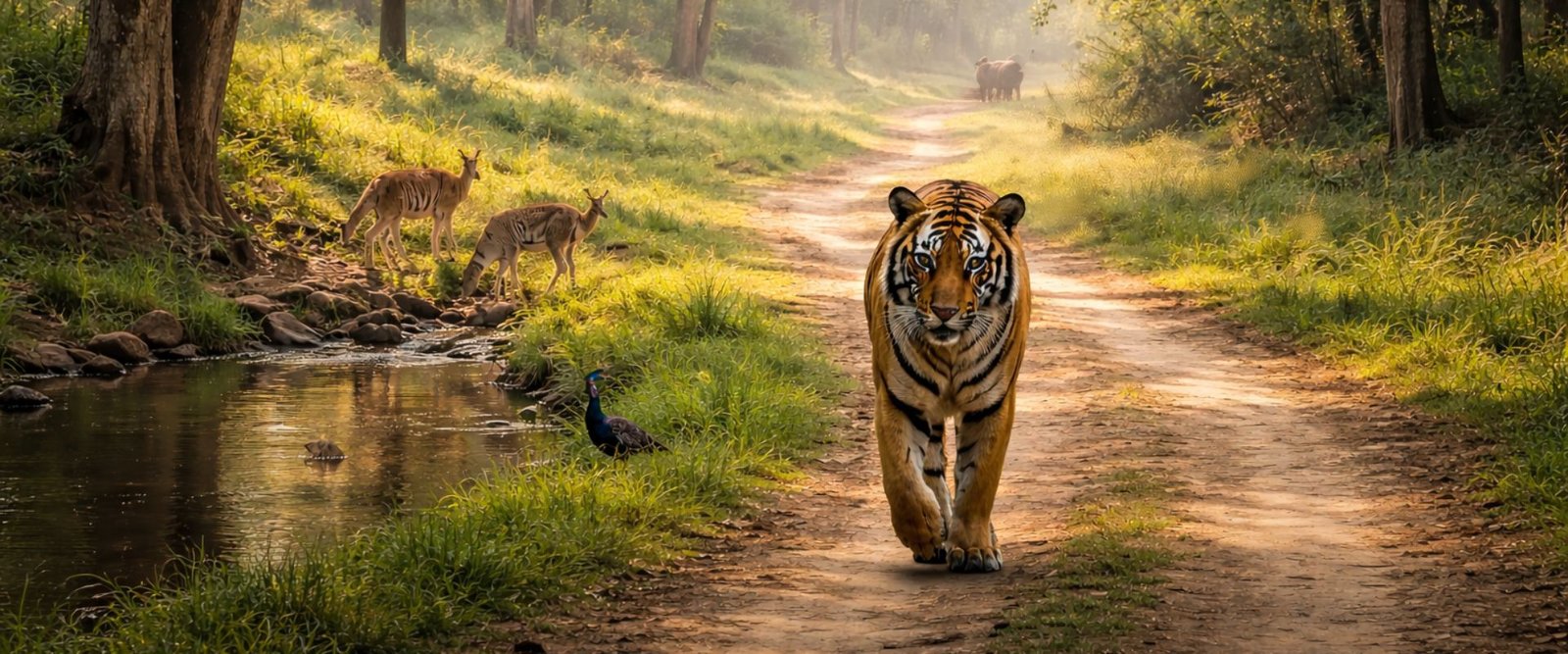
  • Tigers: Though less frequent than Madhai Zone, tiger sightings do occur, particularly in valley areas with permanent water sources.
  • Four-horned Antelopes (Chousingha): This rare antelope species is spotted more frequently in Pachmarhi’s open woodlands.
  • Indian Giant Squirrels: Commonly seen in the forest canopy, adding charm to the safari experience.
  • Birdlife: Includes Malabar whistling thrush, white-bellied drongo, heart-spotted woodpecker, Indian pitta, and various flycatcher species. The zone is excellent for birdwatching due to diverse altitude-based habitats.

Best Features:

  • Spectacular scenic beauty with viewpoints offering panoramic vistas of valleys and mountains.
  • Cooler temperatures due to higher elevation, making safaris comfortable even during summer months.
  • Opportunity to combine wildlife safaris with visits to ancient rock shelters featuring prehistoric cave paintings.
  • Cultural experiences with local tribal communities and traditional villages within the buffer zone.
  • Less crowded compared to Madhai Zone, offering peaceful and contemplative nature experiences.
  • Unique geological formations including caves, waterfalls, and natural pools add diversity to the safari.

Safari Experience:

Pachmarhi Zone safaris offer a distinctive experience where wildlife viewing combines with landscape appreciation and cultural exploration. The safari routes pass through varied elevations, from dense valley forests to open hilltop grasslands, providing diverse viewing opportunities. The zone’s proximity to Pachmarhi town allows visitors to extend their experience beyond wildlife safaris to include visits to Bee Falls, Jata Shankar Caves, Pandav Caves, and ancient rock art sites at Bhimbetka-style shelters.

The cooler climate and misty mornings create a mystical atmosphere, particularly during winter months when fog blankets the valleys. Wildlife behavior here is influenced by the terrain, with leopards using rocky outcrops as vantage points and sloth bears foraging on hillsides.

Best Time to Visit:

  • October to March: Ideal weather with pleasant temperatures; misty mornings create stunning photographic conditions. Peak season for visitors combining wildlife safaris with Pachmarhi sightseeing.
  • April to June: Summer months offer good wildlife sightings near water sources, though temperatures are warmer at lower elevations. Higher areas remain relatively cool.

Cultural and Historical Significance:

The Pachmarhi area has been inhabited for thousands of years, as evidenced by prehistoric rock paintings found in numerous caves. The zone offers insights into the lives of local Gond and Korku tribal communities who have coexisted with wildlife for generations. Their traditional knowledge of medicinal plants, forest ecology, and sustainable resource use adds depth to the safari experience.

Visitor Tips:

  • Allocate extra time to explore Pachmarhi’s tourist attractions alongside wildlife safaris for a comprehensive experience.
  • Carry light jackets during winter months (November to February) as mornings and evenings can be cool.
  • The zone is excellent for combining family vacations with wildlife experiences due to nearby amenities in Pachmarhi town.
  • Photography enthusiasts should take advantage of the dramatic landscapes and unique lighting conditions created by elevation and mist.
  • Consider booking multiple safaris to explore different sections of this extensive zone.
  • Respect local tribal communities and seek permission before photographing people or entering villages.
  • The zone offers excellent opportunities for nature walks and trekking in designated buffer areas.

Book your Jungle Experiences along with Safaris & Local Activities

Related Safari Zones

Amagarh Zone

Amagarh Zone

Amagarh Zone The Amagarh Zone is a buffer area known for its hilly terrain and dense vegetation, offering challenging but rewarding safari experience...

Jhalana Zone 2

Jhalana Zone 2

Jhalana Zone 2 Jhalana Zone 2 offers alternative safari routes within the Jhalana reserve, featuring similar terrain with different vantage points. ...

Jhalana Zone 1

Jhalana Zone 1

Jhalana Zone 1 Jhalana Zone 1 is part of Jhalana Leopard Conservation Reserve near Jaipur, known as an urban wildlife sanctuary with high leopard den...

Jawai Zone

Jawai Zone

Jawai Zone The Jawai Zone is famous for its unique landscape of granite hills and leopard conservation, though it's actually a separate wildlife area...

Jeewada Zone

Jeewada Zone

Jeewada Zone The Jeewada Zone is a remote buffer area offering untouched wilderness and excellent opportunities for spotting elusive wildlife. Wha...

Kothar Zone

Kothar Zone

Kothar Zone The Kothar Zone is a pristine wilderness area within the park, known for its rugged terrain and dense sal forests. What Makes Kothar S...

Sena Zone

Sena Zone

Sena Zone The Sena Zone is a peripheral buffer area characterized by mixed forests and agricultural borders, providing a unique blend of wildlife hab...

Bera Zone

Bera Zone

Bera Zone The Bera Zone is a wildlife corridor and transition area of the national park, offering diverse landscapes from open grasslands to dense fo...

Harsa/Khajurikudar Zone

Harsa/Khajurikudar Zone

These buffer zones expand safari opportunities beyond the core areas and include small grasslands, seasonal water bodies, and forest patches. What ...

Jhinna Zone

Jhinna Zone

The Jhinna Zone is a buffer and fringe area of Panna National Park, known for quiet safari trails and nocturnal wildlife opportunities. What Makes ...

Akola Zone

Akola Zone

The Akola Zone is part of the park’s buffer area, providing a peaceful safari with mixed habitats including grasslands, dry forests, and small water...

Hinouta Zone

Hinouta Zone

The Hinouta Zone is a core area with undulating terrain, rocky outcrops, and dense forests, providing a quieter safari experience. What Makes Hinou...