Moyar Zone – Bandipur Tiger Reserve
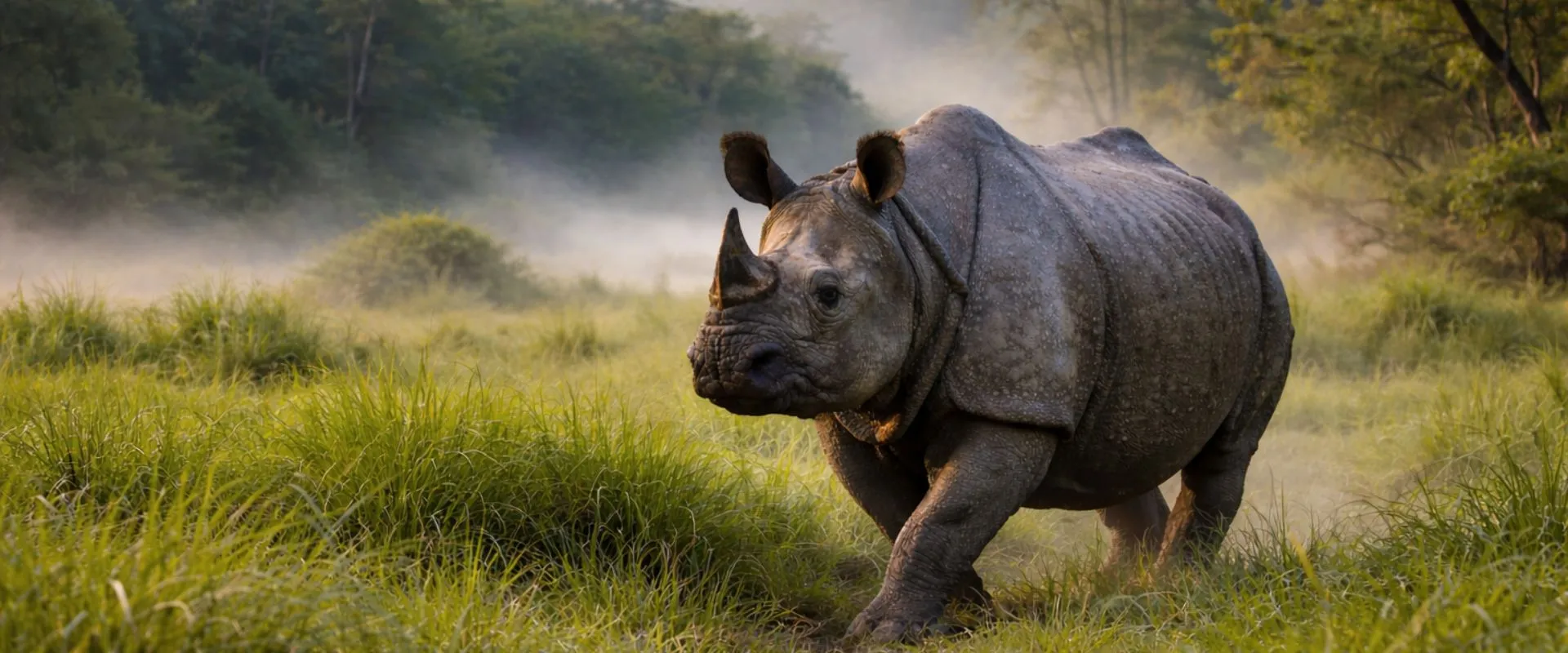
The Moyar Zone is one of the most ecologically significant and scenically dramatic safari areas in Bandipur Tiger Reserve. Defined by the Moyar River valley, rugged terrain, riverine forests, and open grasslands, this zone forms an important wildlife corridor connecting Bandipur with Mudumalai Tiger Reserve. The presence of perennial water makes it a wildlife hotspot throughout the year, especially for elephants, gaurs, and predators.
What to Expect
Moyar Zone is shaped by the Moyar River system, which creates lush riverbanks, moist forest patches, and grassy openings amid otherwise dry deciduous woodland.
Safari routes pass through:
- Riverine forest belts
- Open meadows near water
- Dense woodland corridors
- Rocky slopes and shallow valleys
The mix of water, grass, and forest supports high prey density, making this one of the best predator habitats in Bandipur.
Wildlife Highlights
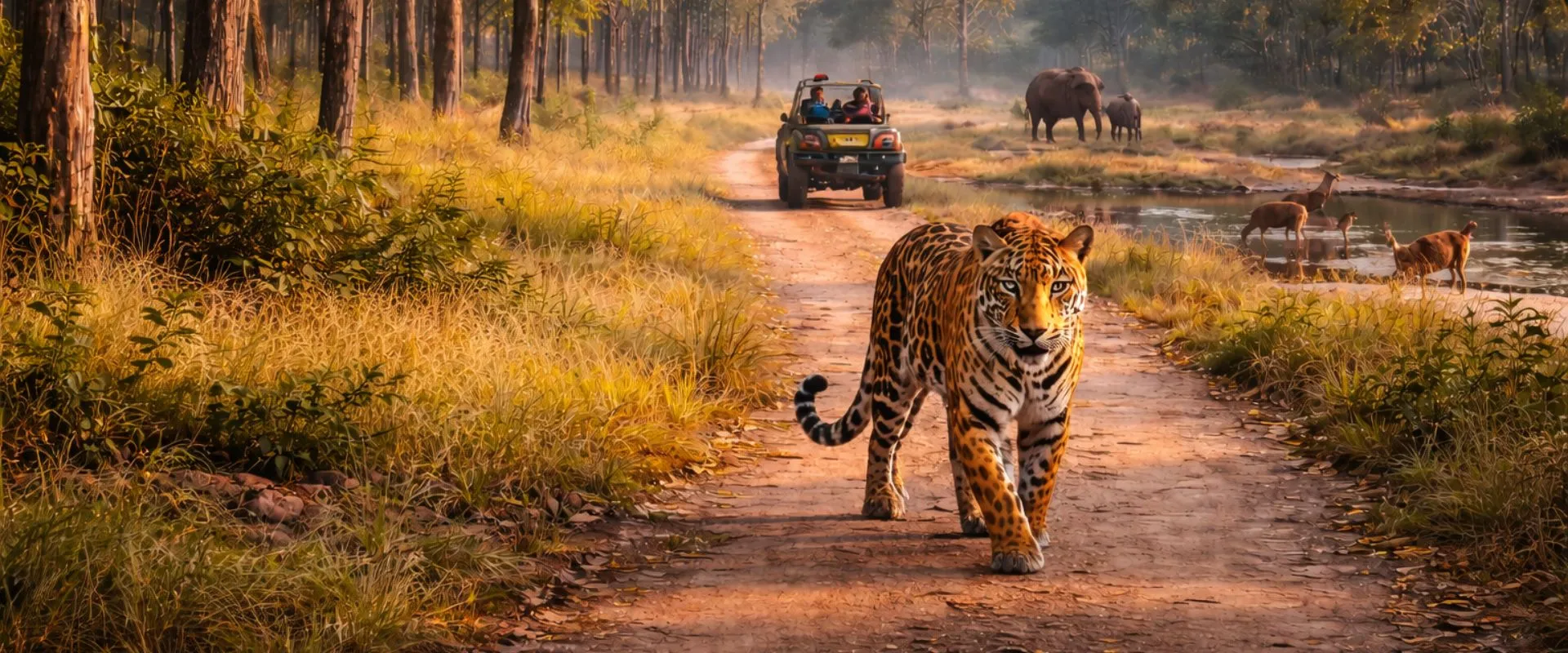
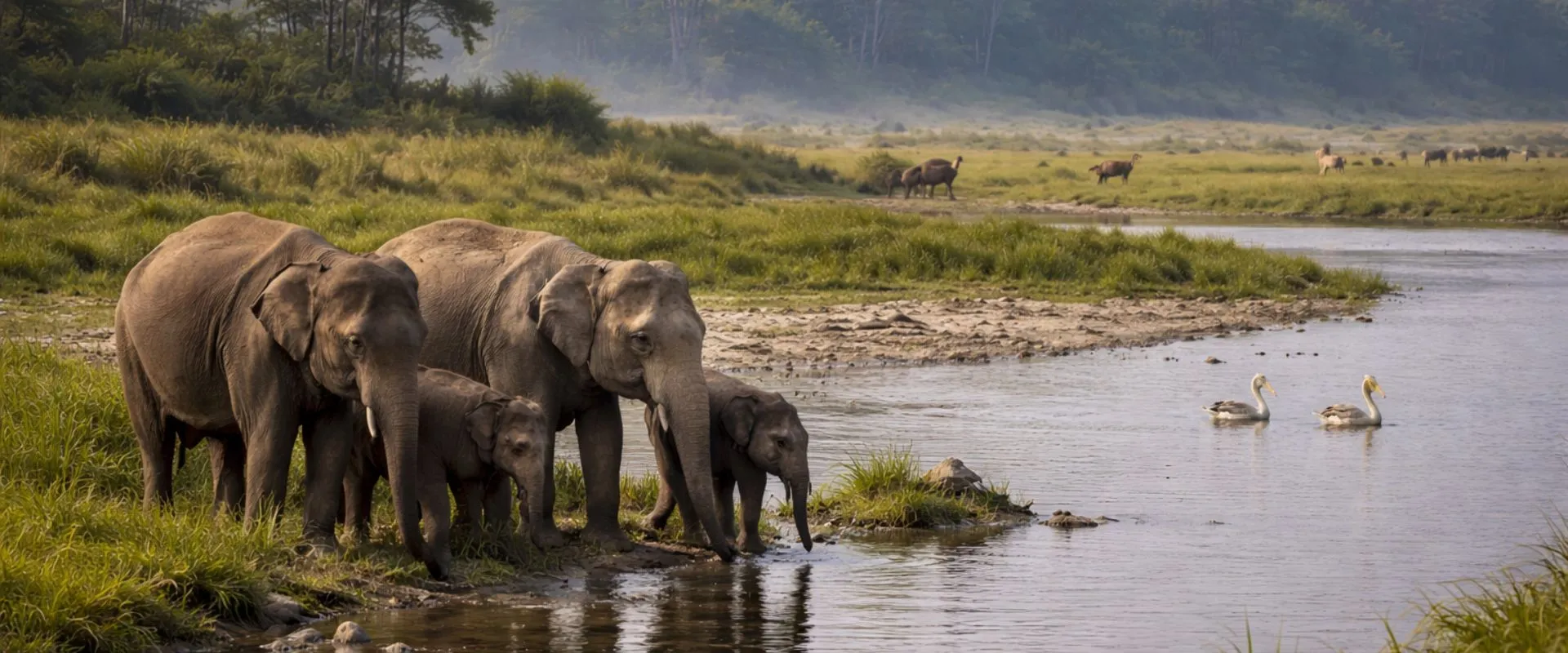
- Asian Elephants: Large herds frequently gather near the Moyar River for drinking, bathing, and social interactions. Summer sightings near water are exceptional.
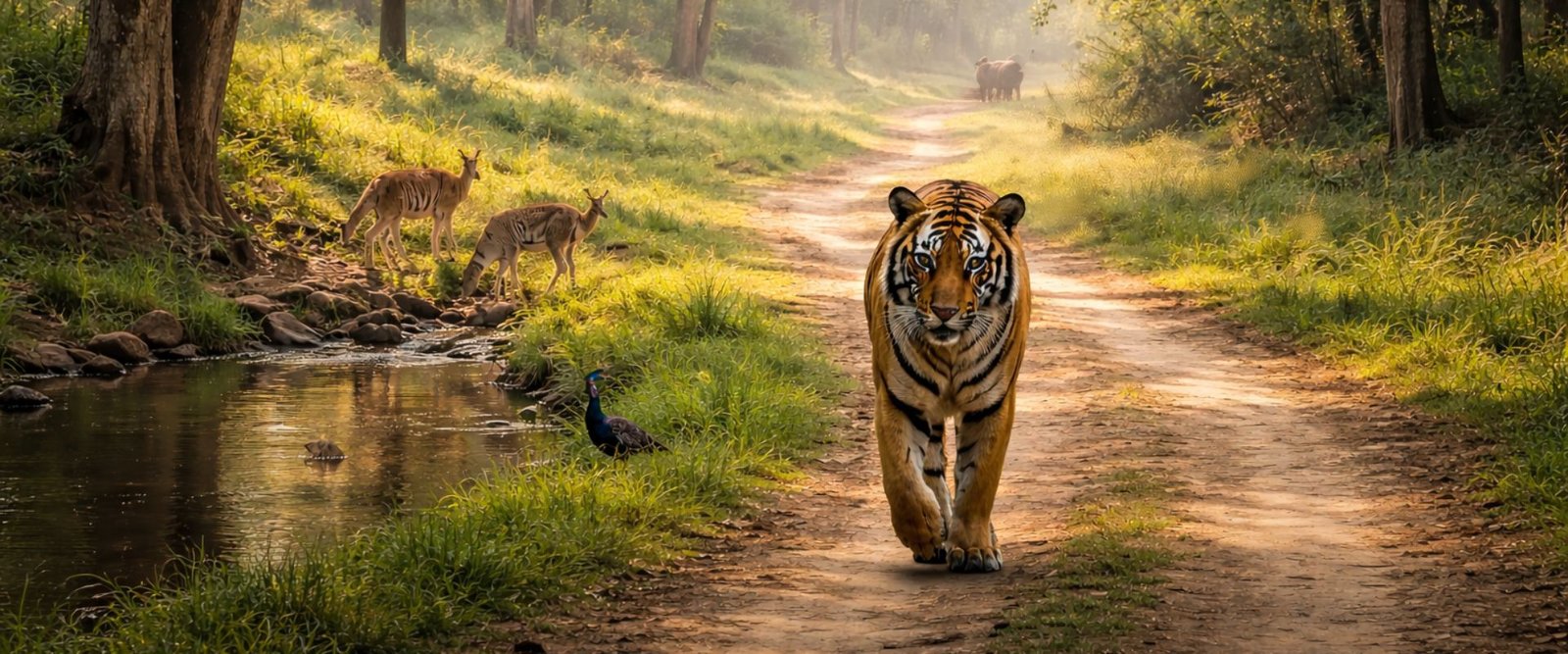
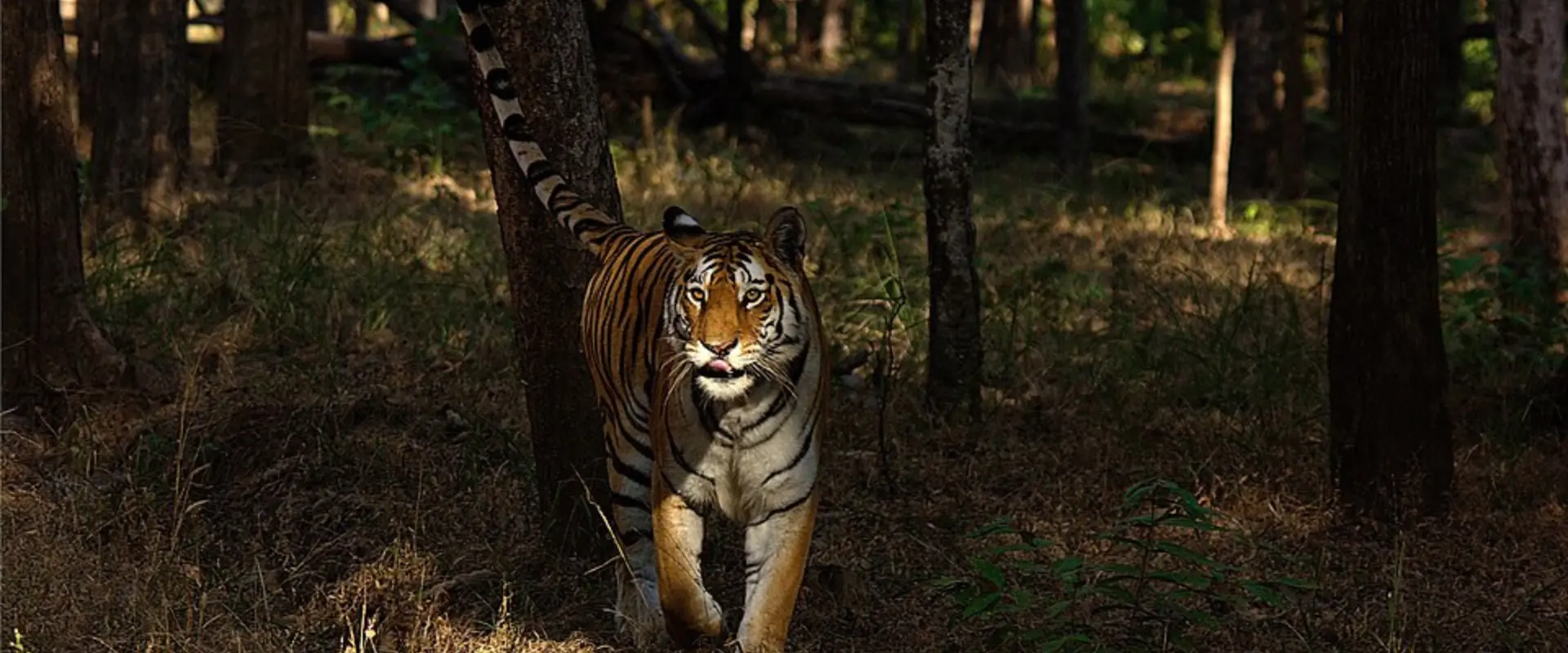
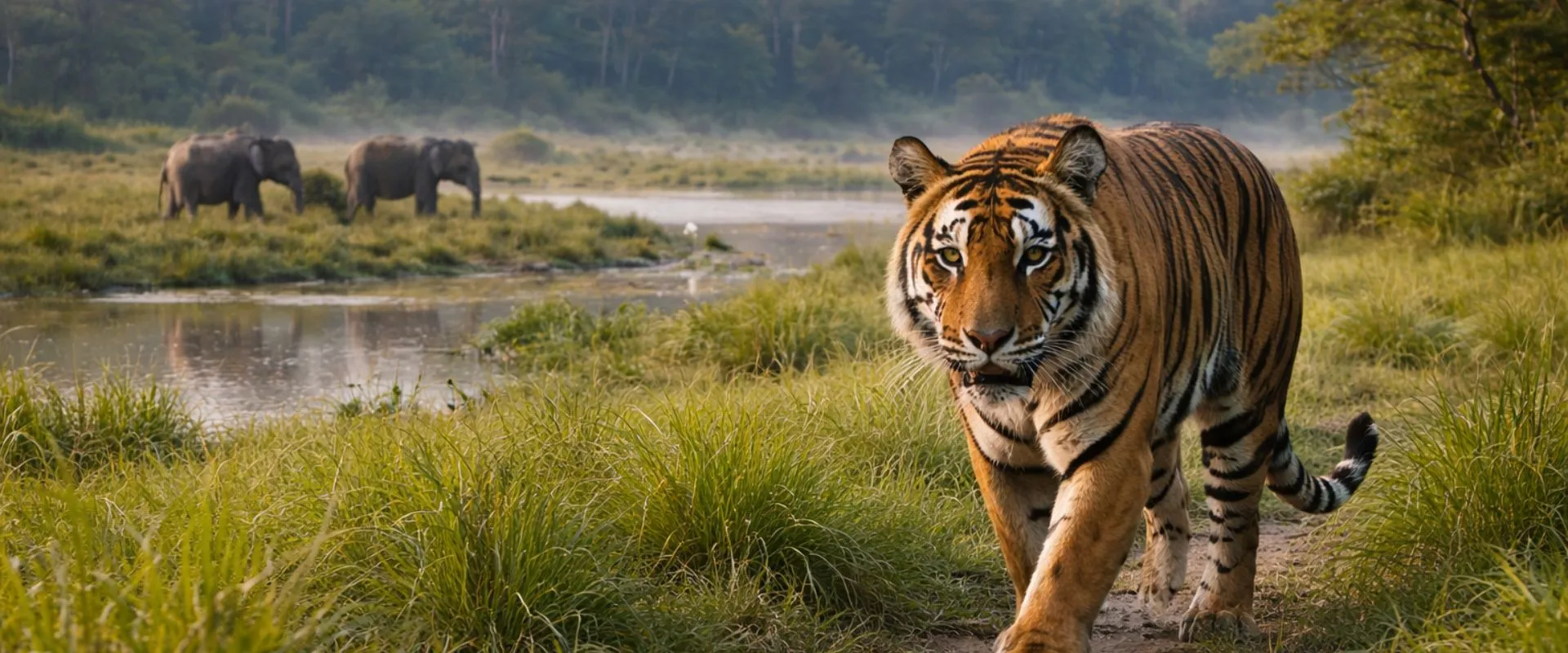
- Tigers: The river valley attracts prey species, making it prime tiger territory. Tigers are often seen crossing sandy riverbeds or resting in shaded thickets.
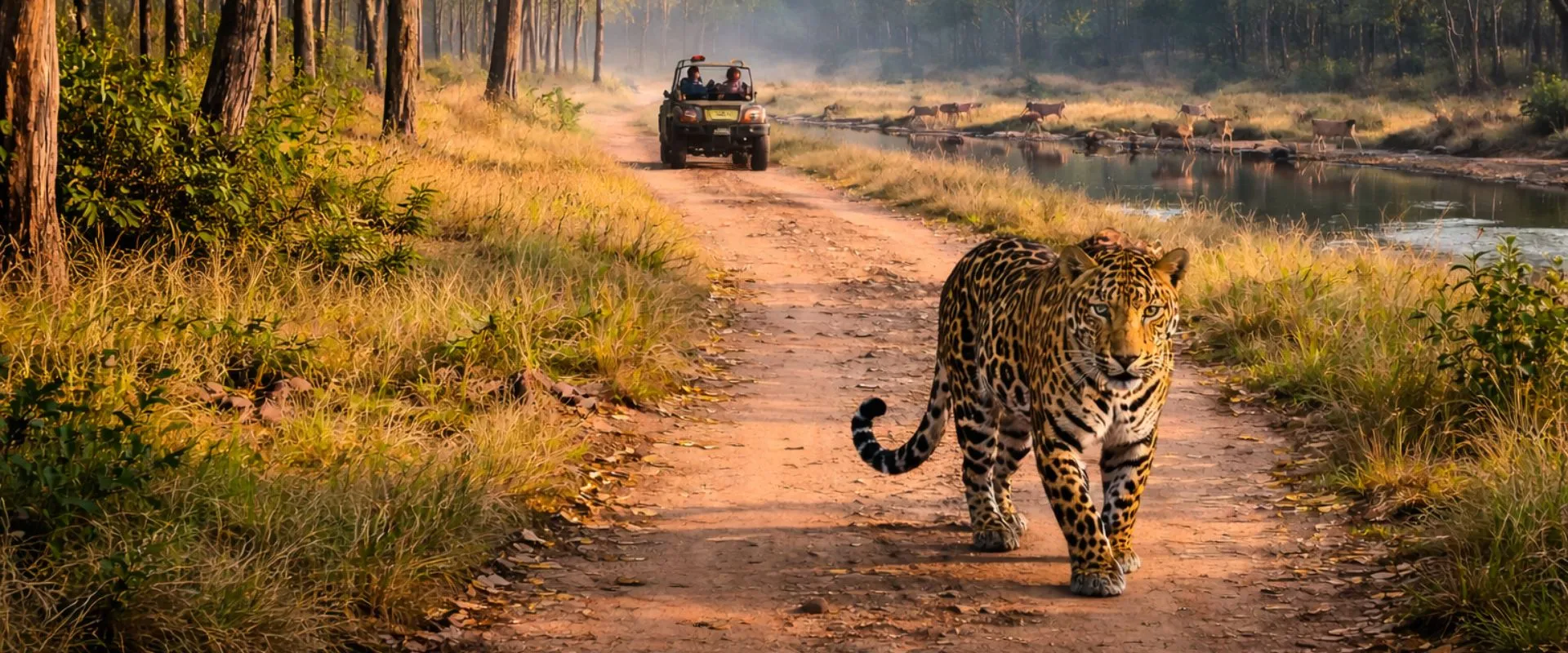
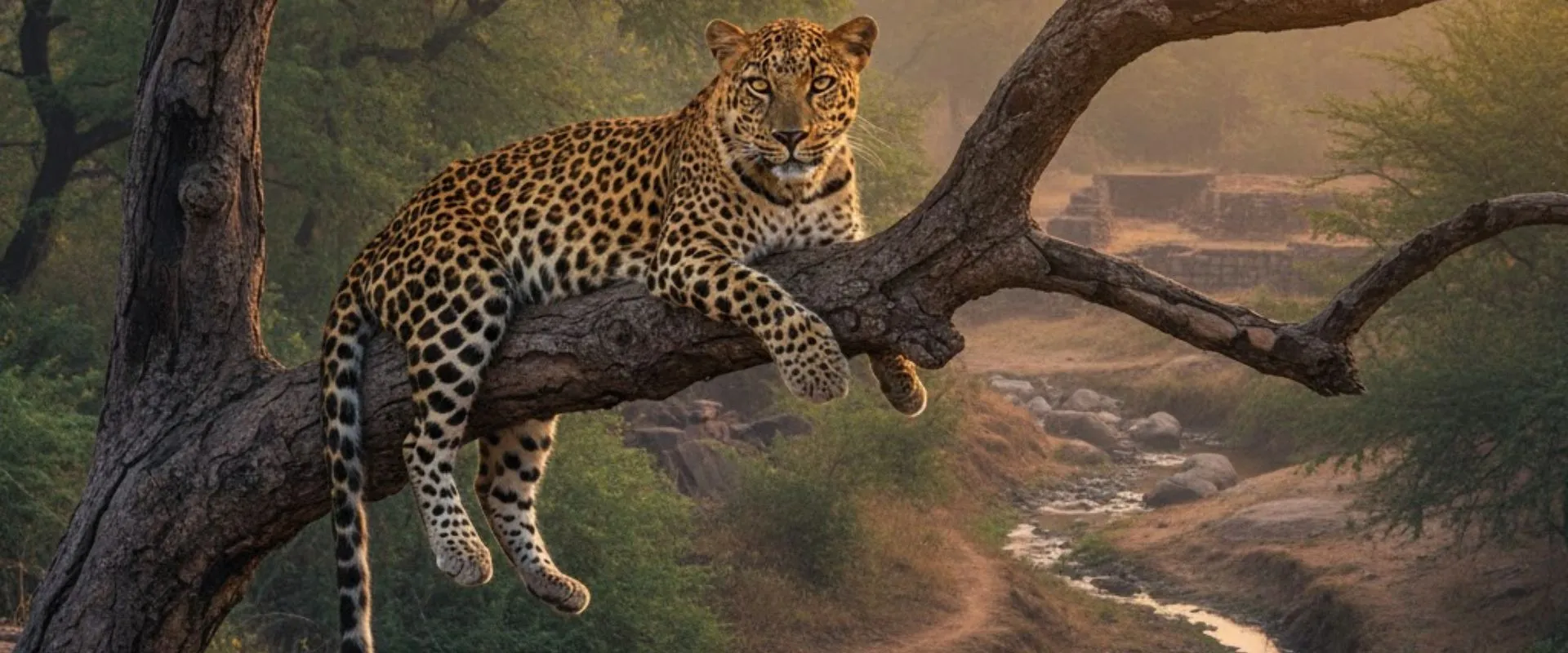
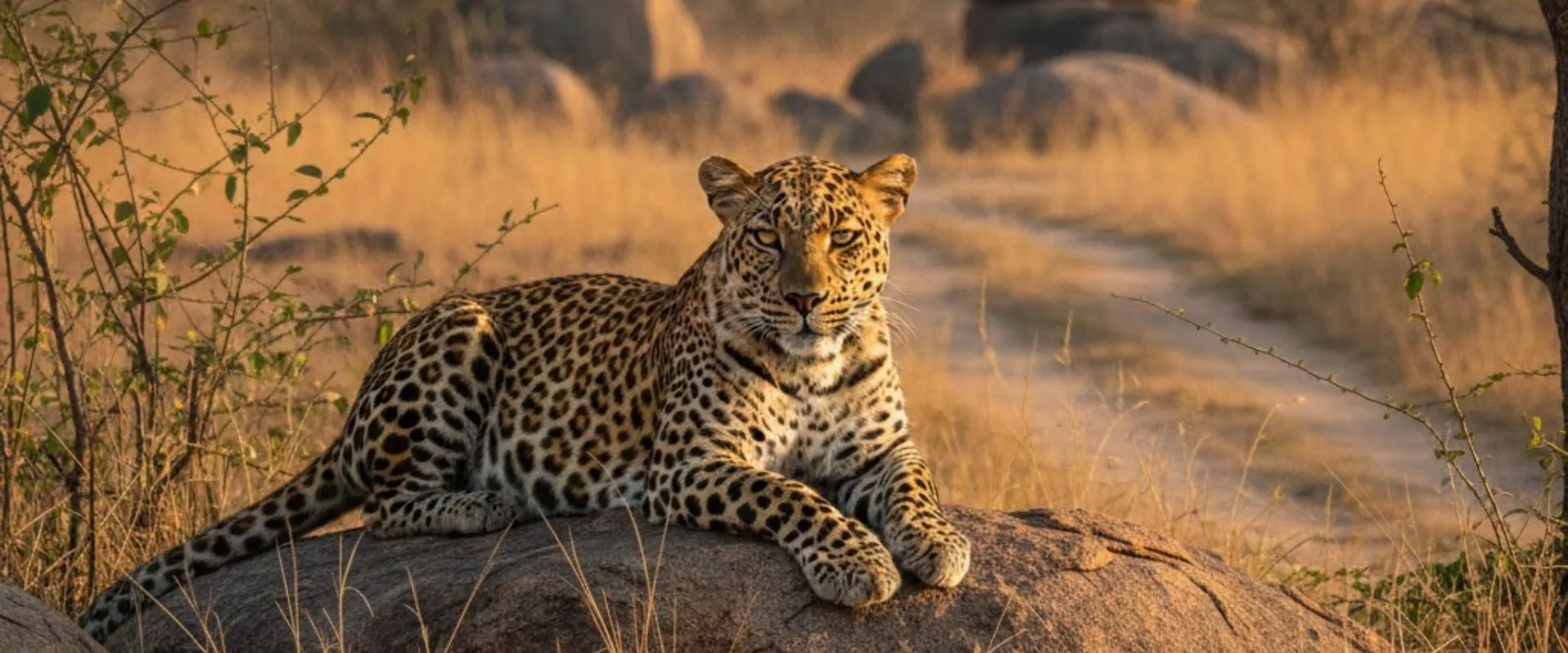
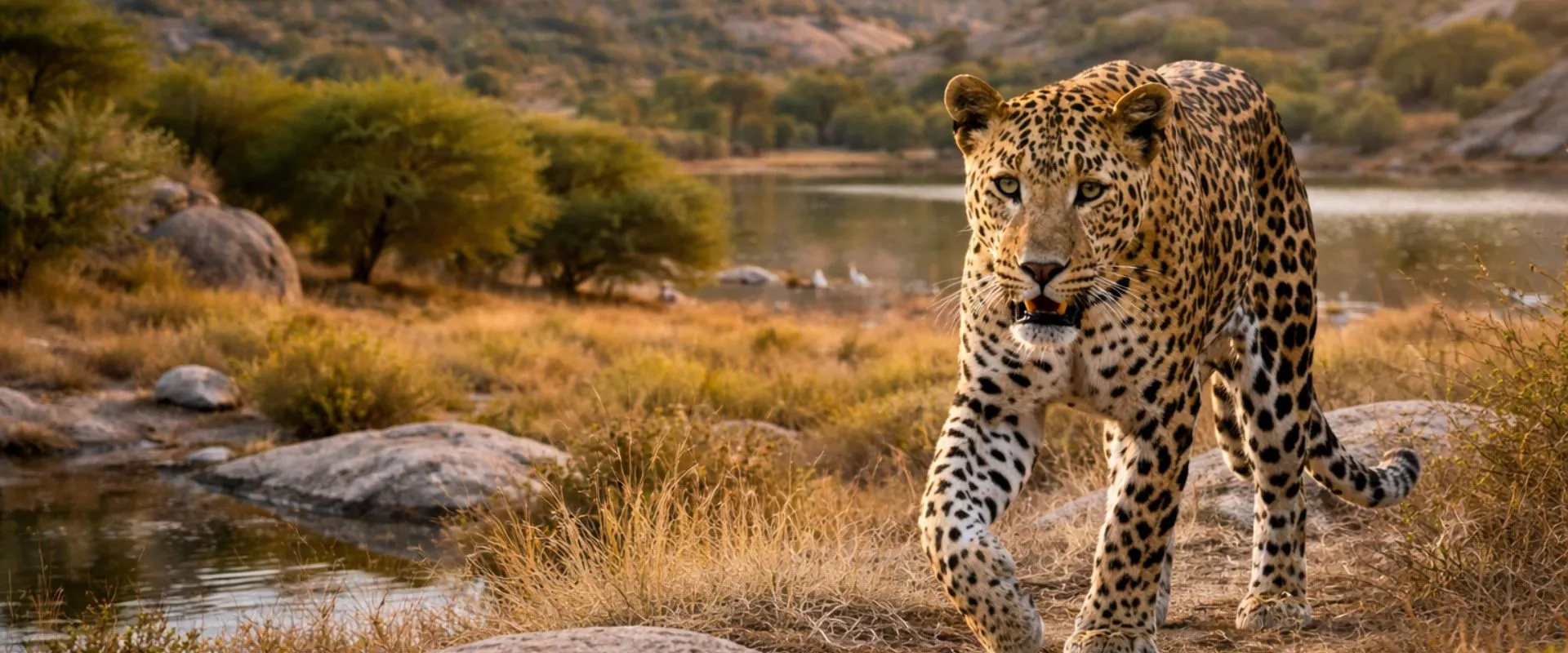
- Leopards: Rocky patches and river-edge trees provide ideal leopard habitat. They are occasionally spotted on tree branches overlooking game trails.
- Gaur (Indian Bison): Massive herds graze in riverine grasslands, especially in early mornings.
- Dholes (Indian Wild Dogs): Packs use open meadows for coordinated hunting, making thrilling sightings possible.
- Sambar & Spotted Deer: Large numbers gather near water sources, forming the primary prey base.
- Mugger Crocodiles: Occasionally seen basking along slow-moving stretches of the river.
- Birdlife (200+ Species): River terns, crested serpent eagles, grey-headed fish eagles, kingfishers, hornbills, and numerous water birds thrive along the river ecosystem.
Best Features
- River Ecosystem: The Moyar River supports life year-round, concentrating wildlife in its valley.
- Elephant Paradise: One of the best zones to observe elephants bathing, mud-wallowing, and nurturing calves.
- Predator Territory: Strong tiger and dhole presence due to abundant prey near water.
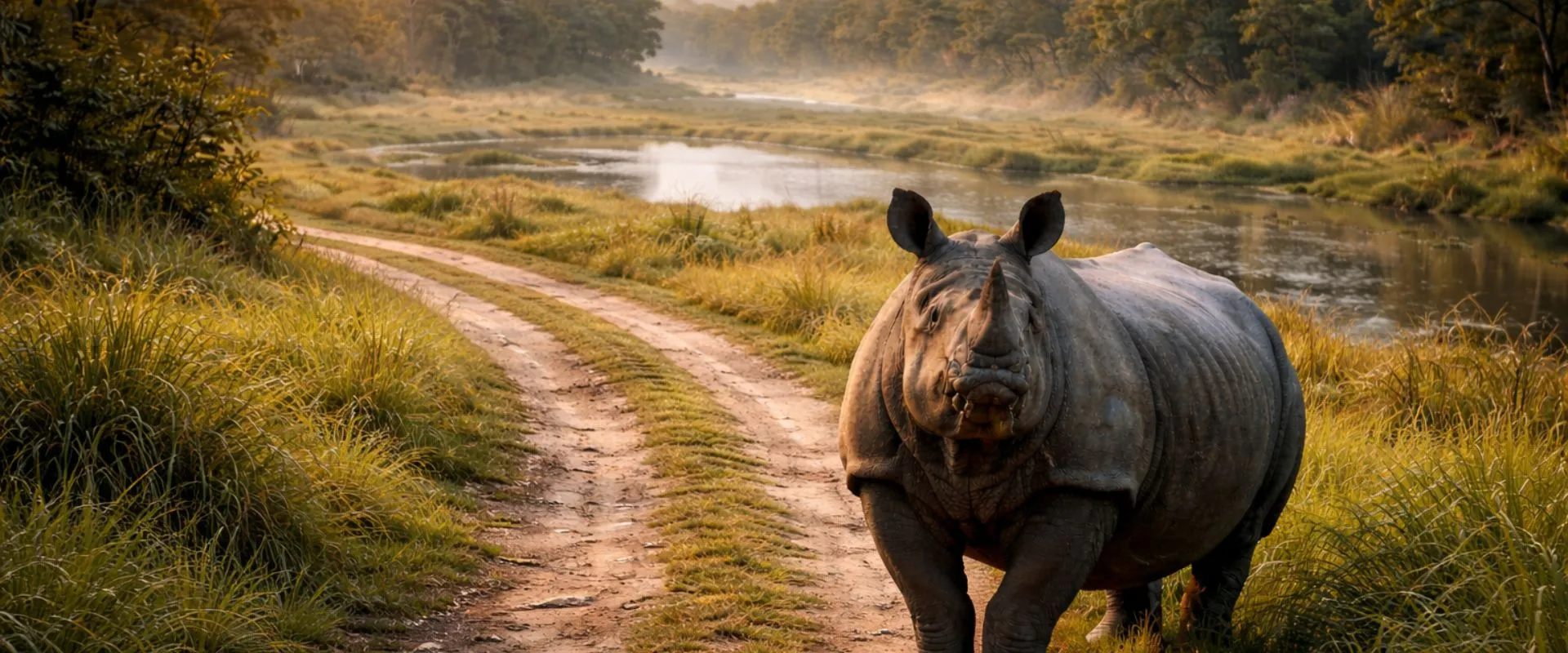
- Scenic Valleys: Sweeping views of forested slopes and river bends make it a landscape photographer’s dream.
Safari Experience
Safaris in Moyar Zone feel immersive and dramatic. Vehicles descend into lush river valleys, where visibility opens up near meadows, allowing sightings of large herds. Moving from dry forest into green riverine habitat reveals how water shapes wildlife behavior.
Elephant herds often appear silently from tree lines, while deer alarm calls may signal the hidden presence of a tiger or leopard nearby. Bird activity is high in mornings, especially near river stretches.
Best Time to Visit
- November – March: Pleasant weather and active wildlife along riverbanks. Excellent for birdwatching.
- April – June: Peak wildlife viewing. Animals concentrate heavily near the Moyar River, increasing chances of tiger and elephant sightings.
- October: Post-monsoon greenery makes the zone visually stunning, though wildlife may be more dispersed.
Visitor Tips
- Carry binoculars for scanning riverbanks and open meadows
- Early morning safaris offer best light and predator movement
- Stay alert near water sources for sudden wildlife appearances
- Photography tip: reflections in water create stunning compositions
Why Choose Moyar Zone
Moyar offers a classic river-valley safari experience — rich wildlife, dramatic scenery, and constant ecological action. It is ideal for visitors wanting to understand how water drives survival in the wild.