Malhapura Zone – Satpura Tiger Reserve

The Malhapura Zone is a core area of Satpura Tiger Reserve, adjacent to the famous Churna Zone and often accessed through the Churna/Bheemkund gate. This zone offers a quieter, more secluded safari experience compared to the busier Madhai Zone, while maintaining excellent wildlife viewing opportunities. Malhapura is characterized by its diverse forest types, strategic water sources, and healthy populations of both predators and prey species, making it ideal for visitors seeking authentic wilderness encounters away from tourist crowds.

What to Expect:

  • The zone features a mix of dense sal forests, teak forests, bamboo groves, open grassland patches, and seasonal streams.
  • Safari routes traverse varied terrain including gentle valleys, moderate hills, and forested corridors with good visibility.
  • The landscape includes natural water holes, rocky patches, bamboo-covered slopes, and meadow clearings.
  • Lower tourist traffic compared to Madhai ensures peaceful, uncrowded safaris with opportunities for extended wildlife observation.
  • The zone’s proximity to Churna means it shares similar wilderness character but with slightly more accessible terrain.

Wildlife Highlights:

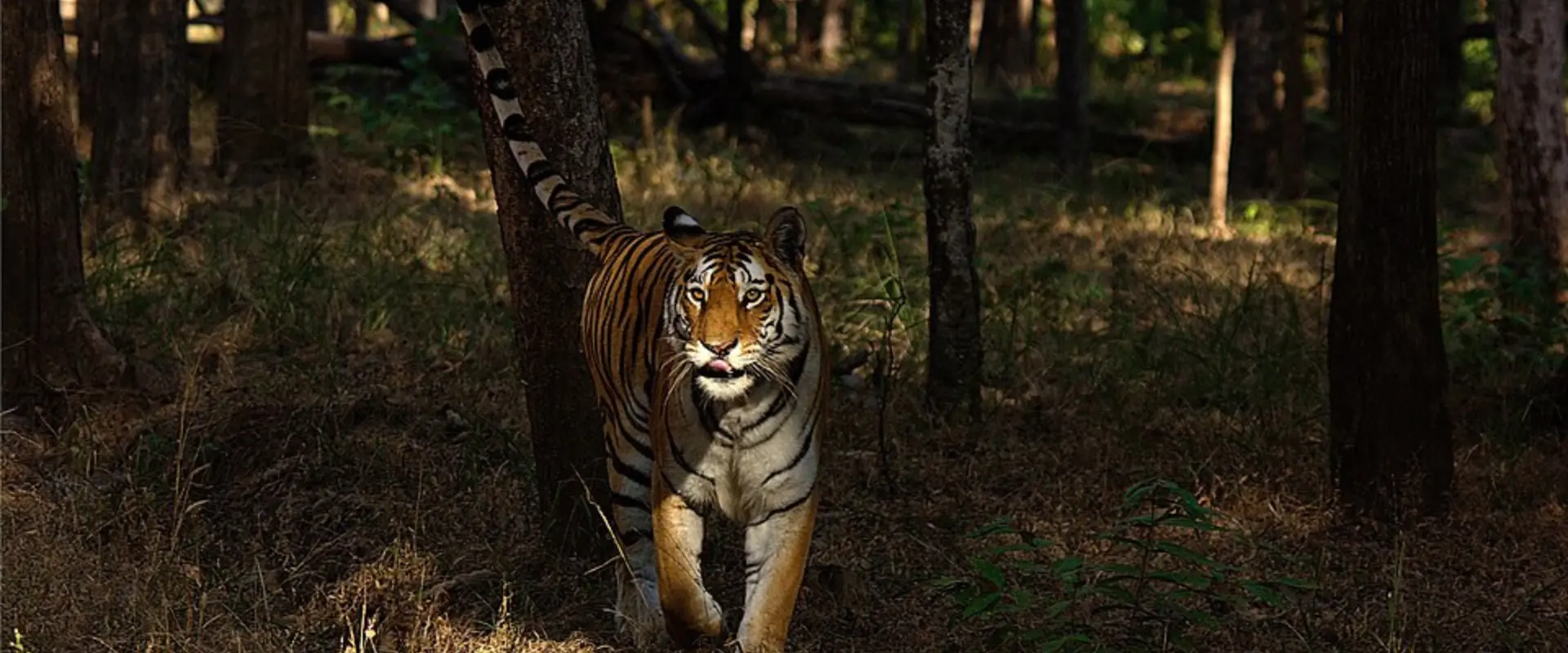
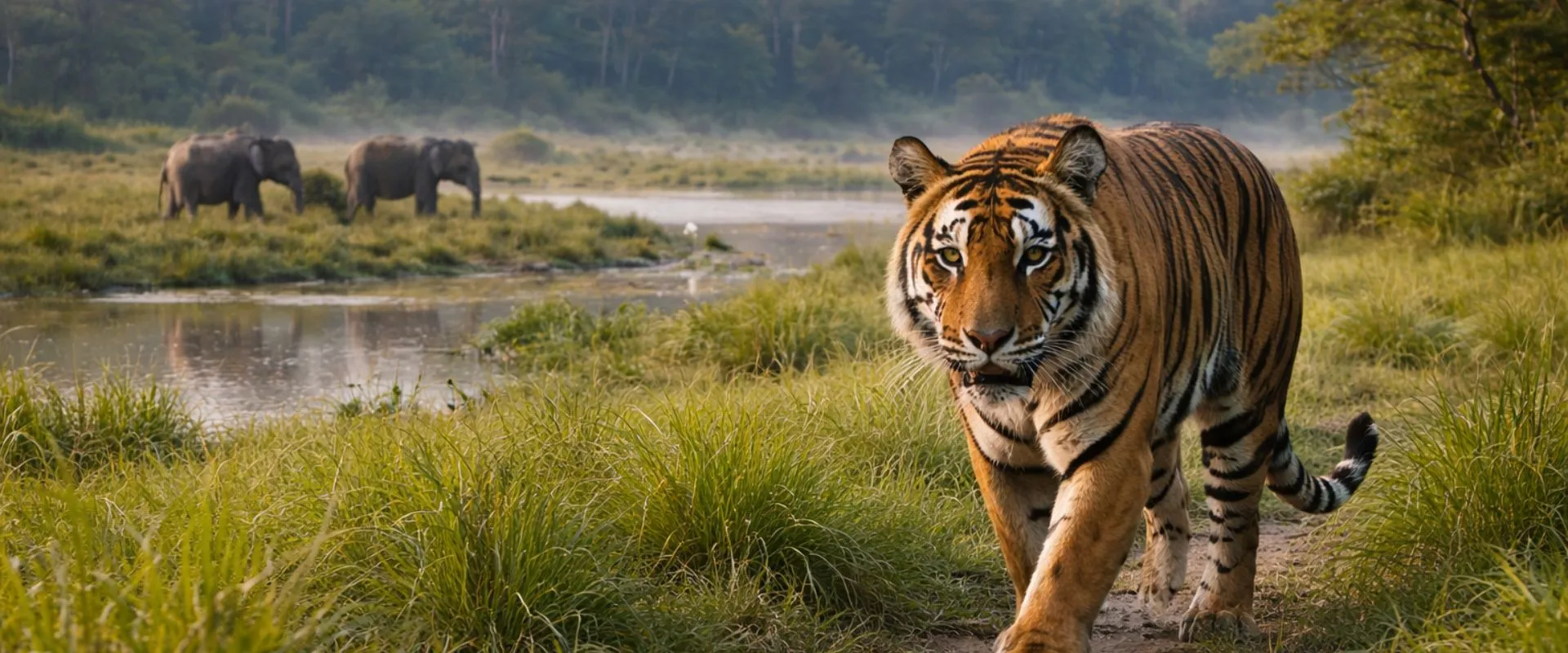
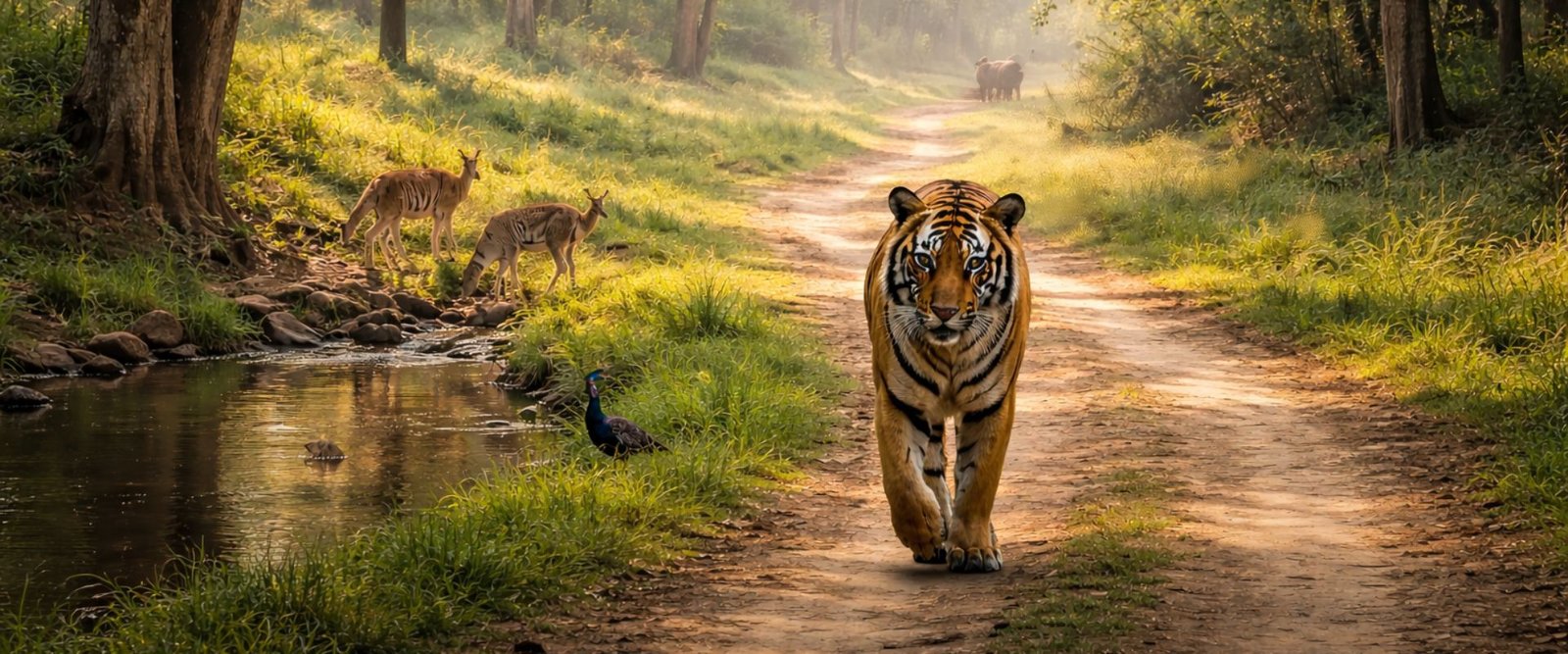
  • Tigers: Malhapura hosts resident tigers with established territories. The zone’s water sources and prey concentrations attract tigers regularly, especially during early morning and evening hours. Sightings, while requiring patience, are rewarding and often feature natural, unhabituated behaviors.
  • Gaur (Indian Bison): Excellent gaur habitat with large herds frequently spotted in grasslands, forest edges, and bamboo groves. The zone is particularly known for impressive gaur bull sightings.
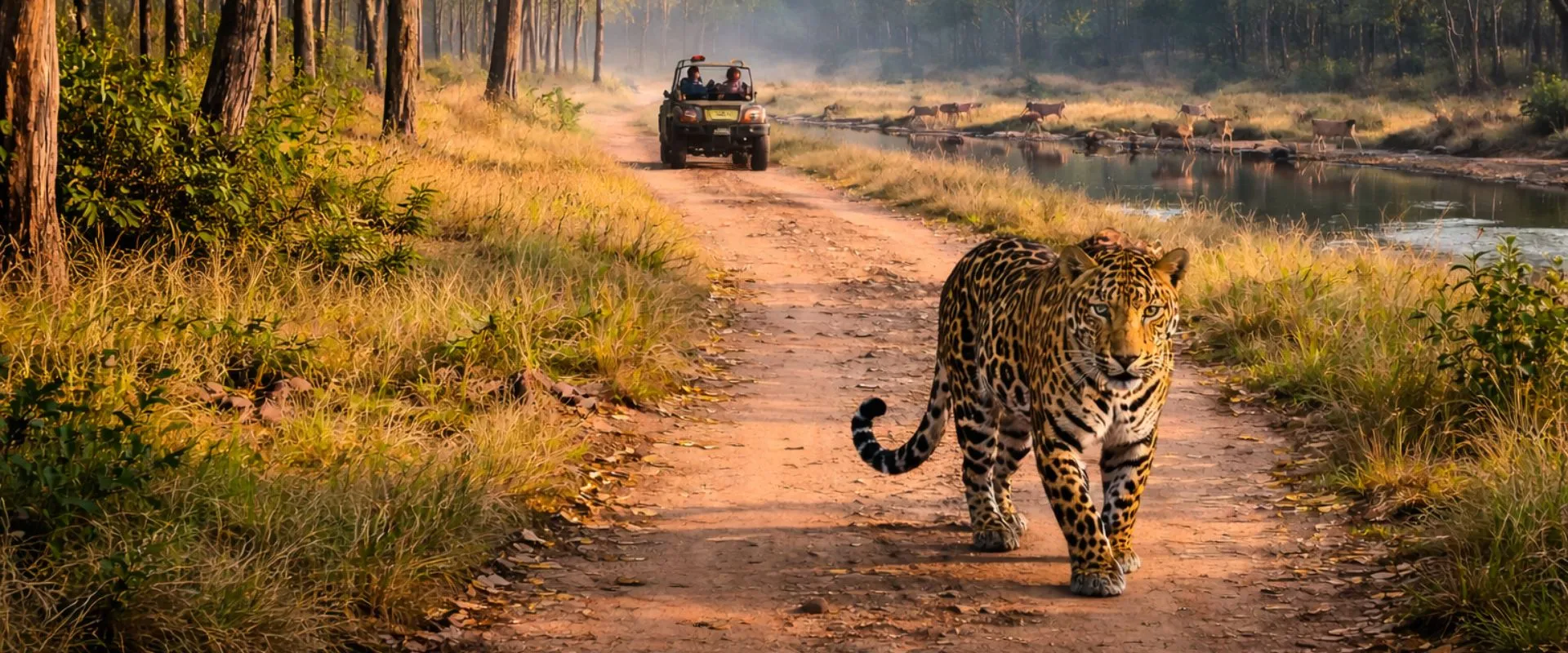
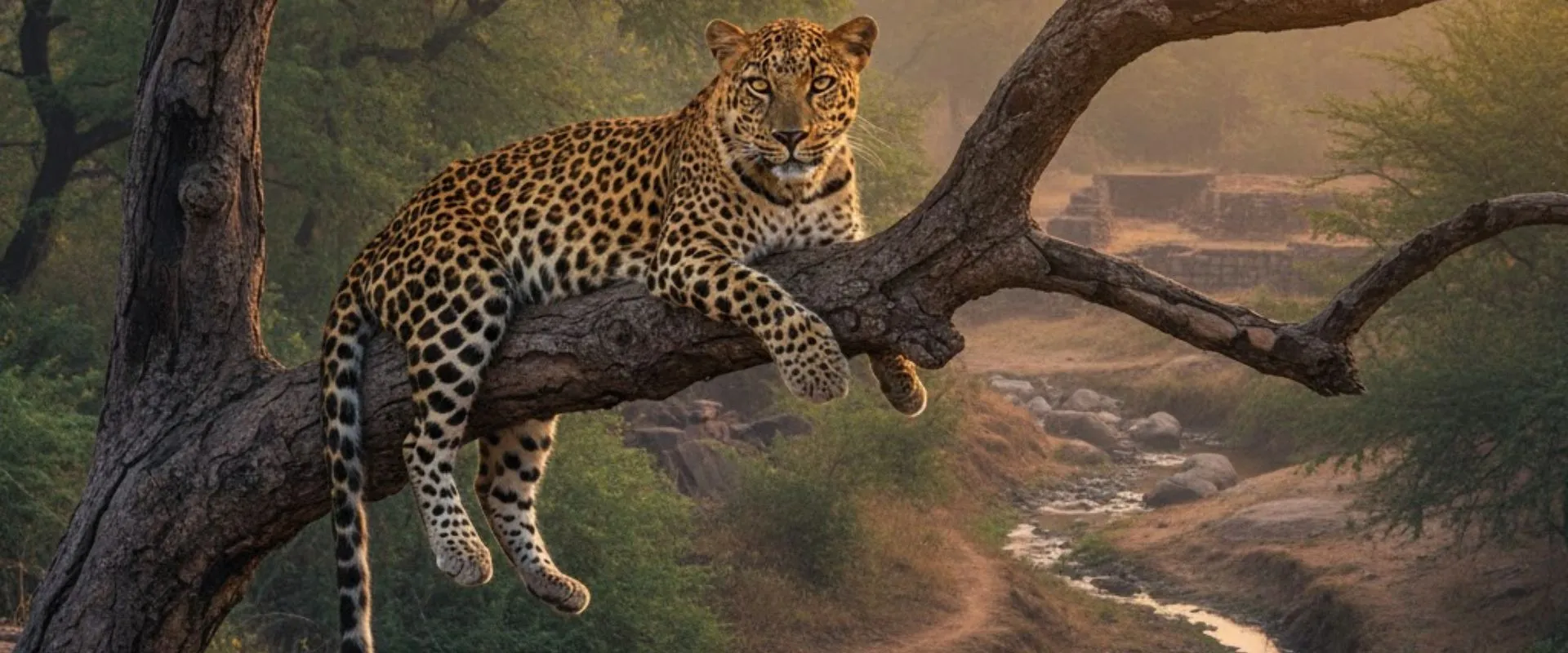
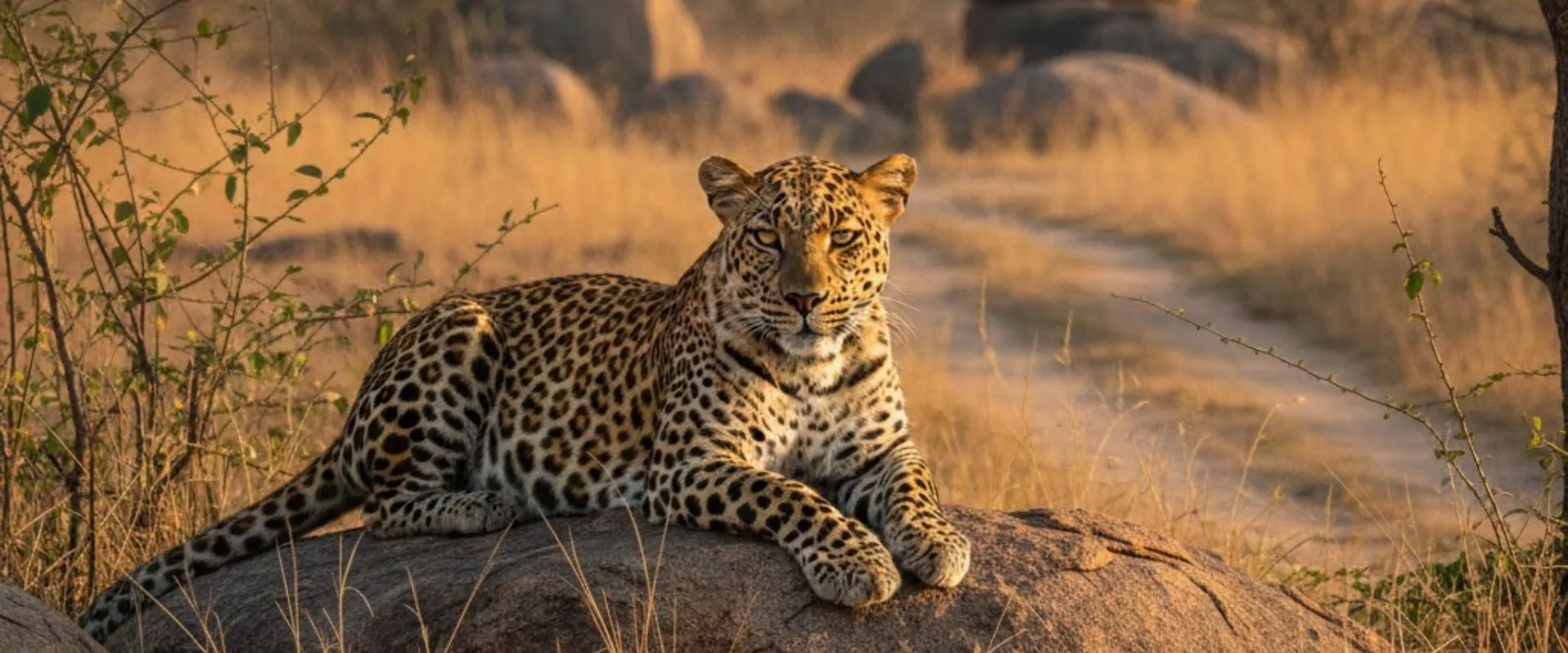
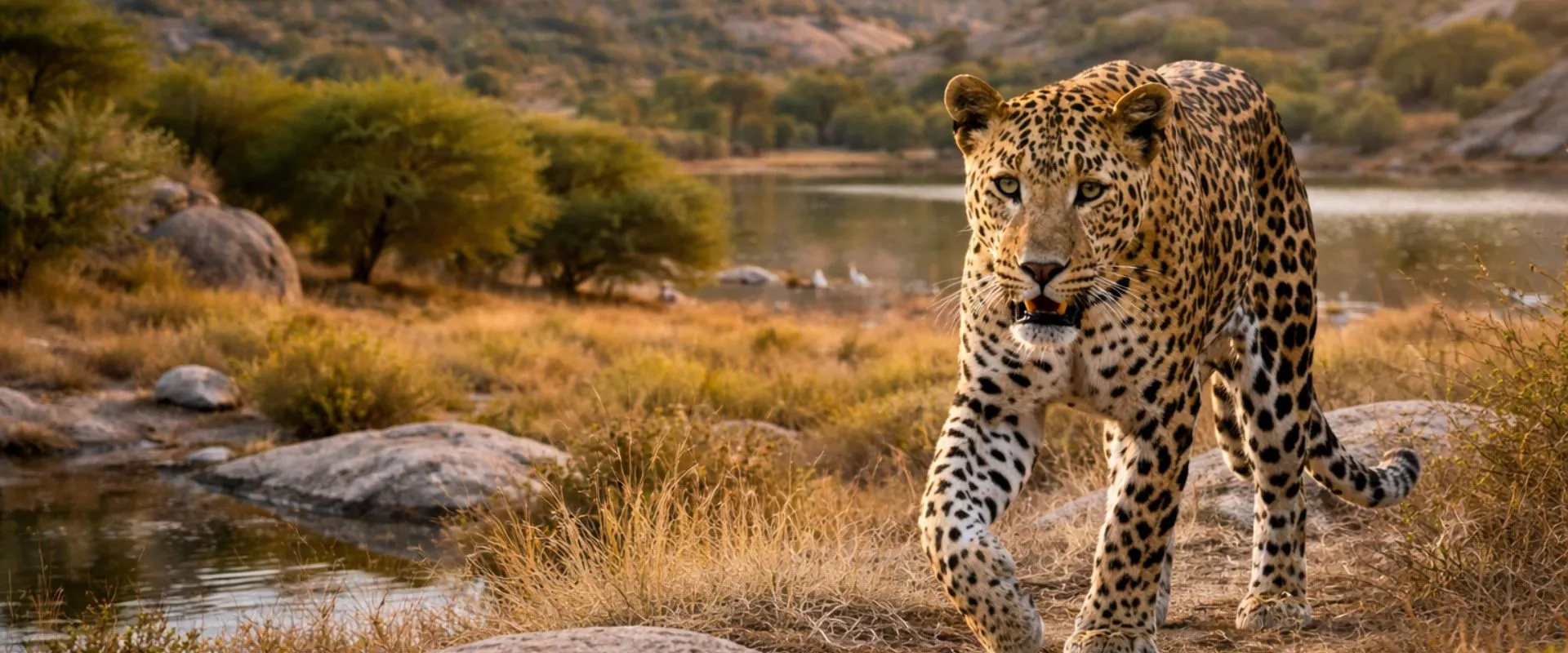
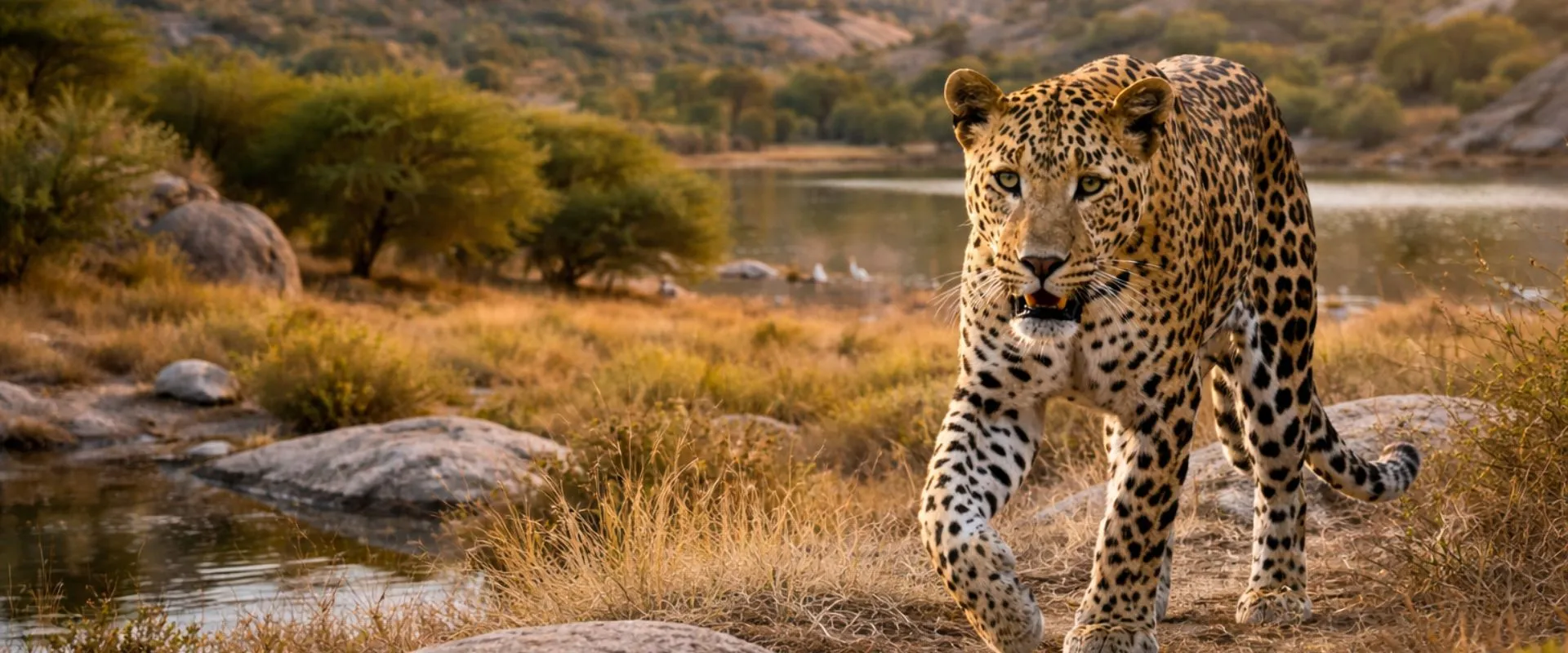
  • Leopards: Present throughout the zone, utilizing both dense forest and rocky areas. The lower human presence allows leopards to be active during broader time windows compared to busier zones.
  • Sloth Bears: Regularly encountered foraging for termites and fruits, especially in areas with numerous termite mounds and fruiting trees.
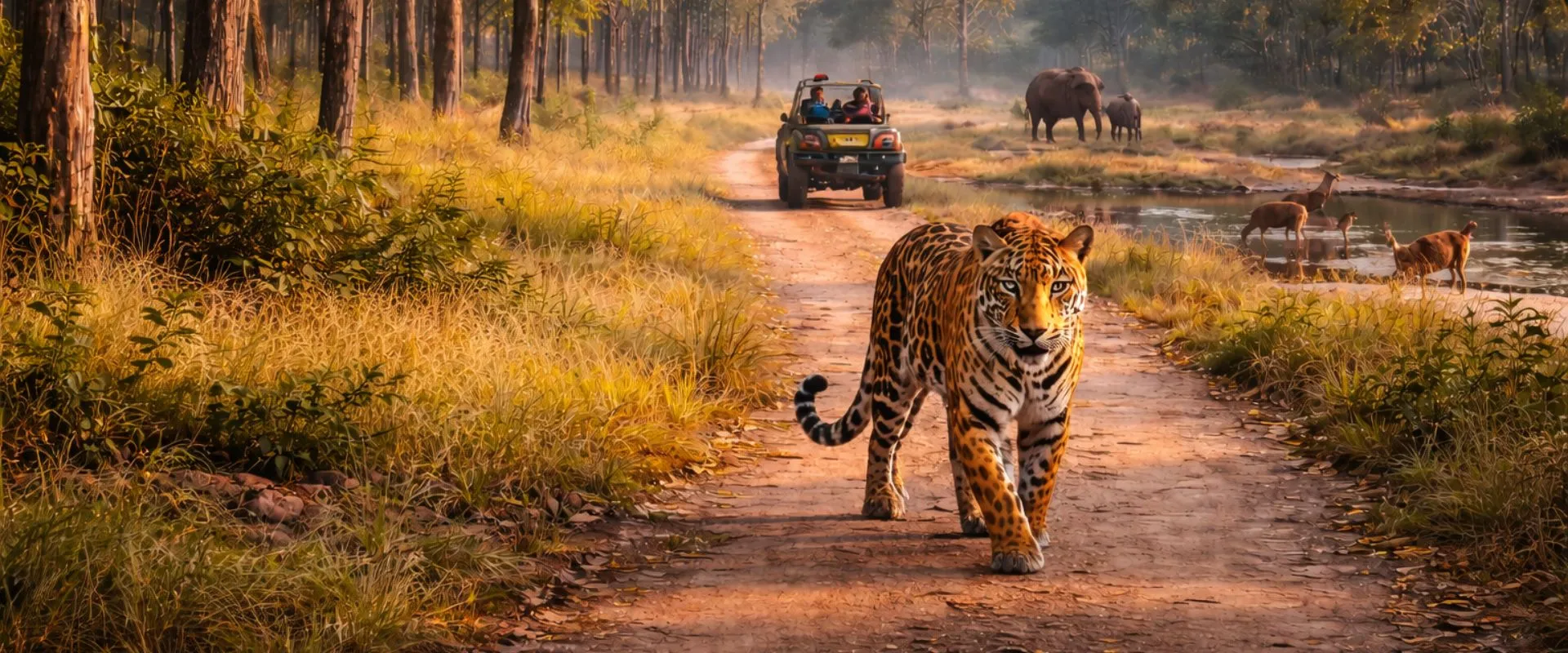
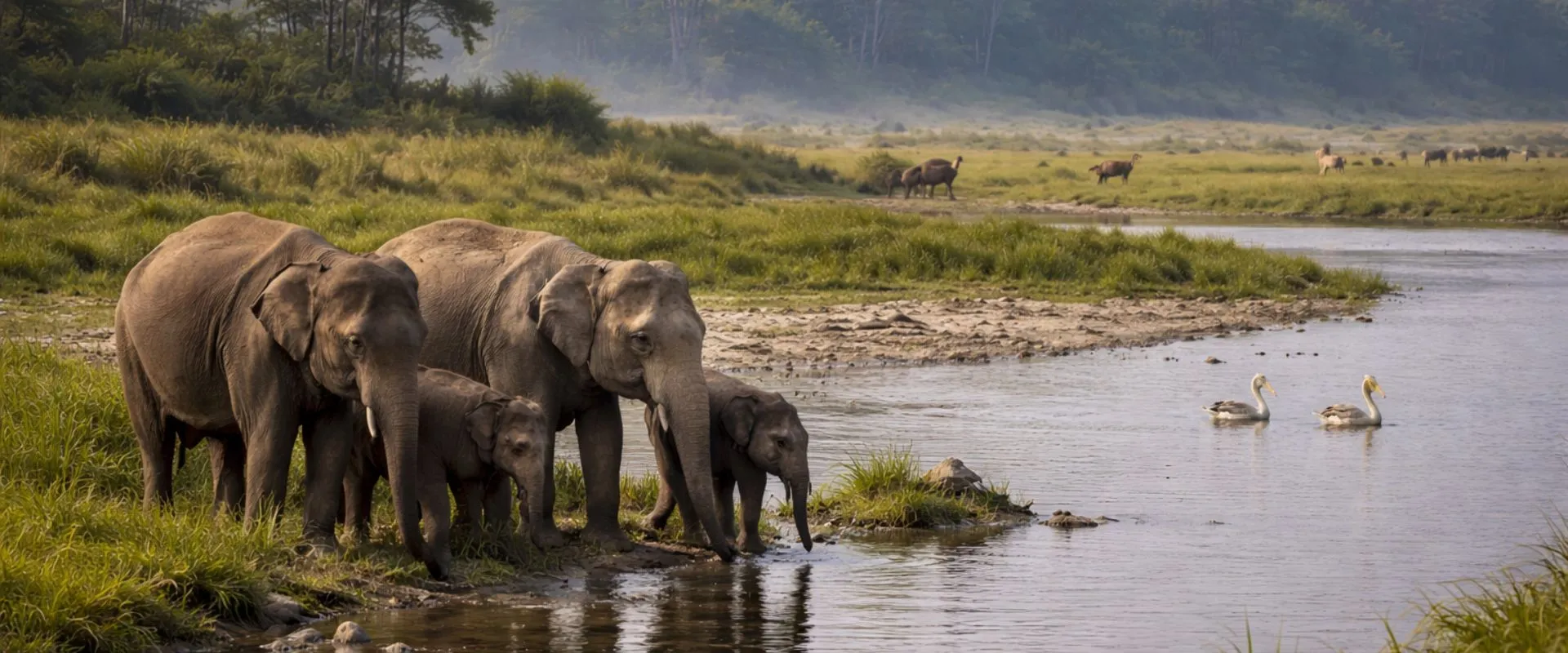
  • Herbivores: Large populations of sambar deer, spotted deer (chital), barking deer (muntjac), and four-horned antelopes provide substantial prey base.
  • Wild Dogs (Dholes): Packs occasionally traverse the zone while hunting, offering opportunities to observe their cooperative strategies and social dynamics.
  • Other Wildlife: Indian civets, jungle cats, porcupines, mongooses, and langurs are commonly spotted.
  • Birdlife: Includes Malabar pied hornbills, crested hawk-eagles, serpent eagles, Indian pittas, paradise flycatchers, white-bellied drongos, various woodpeckers, and numerous other forest species. The zone’s habitat diversity supports over 100 bird species.

Best Features:

  • Quieter alternative to Madhai with fewer vehicles ensuring exclusive wildlife encounters.
  • Excellent gaur viewing opportunities with large herds in natural settings.
  • Good tiger territory with resident individuals displaying natural, unhabituated behaviors.
  • Diverse habitat types within a single safari—from dense forests to open grasslands.
  • Strategic water holes that concentrate wildlife during dry seasons (March-June).
  • The zone offers authentic wilderness atmosphere without sacrificing wildlife viewing quality.
  • Less disturbed wildlife means more natural behaviors—territorial marking, hunting attempts, and relaxed movements.

Safari Experience:

Malhapura Zone safaris provide a perfect balance between wildlife abundance and peaceful exploration. The zone’s layout—with valley grasslands for herbivore feeding, forested hills for cover, and permanent water sources—creates ideal conditions for diverse wildlife viewing throughout the day.

Safari routes wind through varied ecosystems, allowing observation of how different species utilize different habitats. Morning safaris often reveal gaur herds grazing in misty meadows, sambar stags with magnificent antlers drinking at water holes, and the possibility of tigers patrolling their territories along established pathways.

The zone’s water sources become critical wildlife theaters during summer months (March-June). As temperatures rise and seasonal streams dry, the remaining permanent water holes attract concentrated wildlife. Patient observers at these locations witness fascinating interactions—dominant gaur bulls asserting hierarchy, nervous deer approaching cautiously while checking for predators, and occasionally, tigers arriving to drink and cool off.

Tiger tracking in Malhapura requires skill and patience. Fresh pugmarks on dusty trails, territorial scratch marks on trees, alarm calls from deer and langurs, and analysis of movement patterns guide experienced naturalists toward potential sighting locations. When tigers are located, they often display natural behaviors—scent marking, territorial patrolling, or resting in shade—providing authentic glimpses into tiger ecology without the disturbance of multiple vehicles.

Gaur watching in Malhapura is exceptional. These massive bovines—Asia’s largest wild cattle—demonstrate complex social structures. Dominant bulls maintain their positions through impressive displays, bachelor groups of young males engage in playful sparring, and females with calves exhibit protective behaviors. The sight of a massive gaur bull, standing nearly 6 feet at the shoulder and weighing over 1,000 kg, is truly awe-inspiring.

The zone’s bamboo groves attract both elephants (when present) and gaur, as bamboo shoots are preferred food sources. The dense bamboo creates natural corridors where wildlife movements can be anticipated, and the rustling sounds often announce animal presence before visual confirmation.

Evening safaris in Malhapura are atmospheric as wildlife activity increases with cooling temperatures. Peacocks call from perches before roosting, langurs settle into sleeping trees with much vocal communication, and the forest transitions toward nighttime rhythms. The golden hour light creates spectacular photographic conditions, illuminating grasslands and wildlife in warm, natural tones.

Best Time to Visit:

  • November to March: Ideal weather with comfortable temperatures (12-28°C); perfect for extended safaris exploring the zone’s varied terrain. Wildlife is active throughout the day, and pleasant conditions make lengthy observation periods enjoyable. Peak season for comfortable safaris with good sighting probabilities.
  • April to June: Prime wildlife viewing season. Summer temperatures (30-42°C) drive animals to limited water sources, significantly increasing sighting concentrations. Tiger and gaur encounters peak during these months. Early morning safaris (6:30 AM) are essential to avoid midday heat. This period offers best chances for observing multiple species at water holes.
  • October: Post-monsoon period with lush vegetation, full streams, and active wildlife. The zone looks spectacularly green and vibrant, though animals are more dispersed due to abundant water availability throughout the forest. Excellent for landscape photography and appreciating ecosystem rejuvenation.

Photography Opportunities: 

Malhapura Zone excels for:

  • Tiger behavior documentation—natural, unhabituated individuals in varied settings
  • Gaur compositions—massive bulls, herds, and social interactions against forest or grassland backgrounds
  • Water hole wildlife assemblages—multiple species interactions during dry season
  • Forest atmosphere shots—light filtering through sal canopy, misty morning scenes
  • Leopard sightings in natural forest settings
  • Sloth bear foraging behaviors and tree-climbing activities
  • Bird photography—hornbills, raptors, and colorful forest species
  • Sunrise/sunset wildlife silhouettes with dramatic natural lighting
  • Wide-angle wildlife-in-landscape compositions showcasing Satpura’s ecosystem diversity

Conservation Significance:

Malhapura Zone provides crucial breeding and dispersal habitat for Satpura’s tiger and leopard populations. Its relatively undisturbed character allows wildlife to engage in sensitive behaviors—mating, denning, cub-rearing—without excessive human interference. The zone’s diverse habitat types support complete predator-prey systems, demonstrating healthy ecosystem functioning.

The permanent water sources are critical during severe droughts, sustaining wildlife when seasonal streams fail elsewhere. Safari tourism here, while lower intensity than Madhai, provides essential economic justification for protecting these core areas. Revenue funds anti-poaching patrols, habitat management, and community development programs that reduce human-wildlife conflict in peripheral areas.

Malhapura demonstrates that successful tiger conservation requires protecting multiple zones with varied characteristics—not just the most accessible tourist areas. The zone’s wilderness quality and lower disturbance levels make it valuable for wildlife requiring privacy during critical life stages.

Visitor Tips:

  • Advance Booking Essential: Although quieter than Madhai, permits are limited. Book well ahead, especially during peak season (December-April).
  • Set Appropriate Expectations: This is not a “guaranteed sightings” zone, but chances are very good with patience. Value the exclusive atmosphere and natural behaviors over trophy checklists.
  • Extended Safari Times: Request longer safari durations if possible, as the zone’s size and wilderness character benefit from unhurried exploration.
  • Photography Equipment: Carry versatile gear—telephoto lenses (300-500mm) for distant wildlife, mid-range (70-200mm) for closer encounters, and wide-angle for landscape compositions with wildlife elements. Fast lenses (f/2.8-f/4) help in forest lighting conditions.
  • Binoculars Critical: The zone’s varied terrain means wildlife may be spotted at considerable distances. Quality binoculars (10×42 recommended) are essential for scanning grasslands and distant forest edges.
  • Patience Paramount: Malhapura rewards patience and stillness. Rushing through diminishes the experience. Slow, observant safaris maximize encounters and ecological understanding.
  • Water Source Strategy: During summer months (April-June), ask your guide to visit water hole areas—these locations concentrate wildlife and offer extended observation opportunities.
  • Trust Your Guide: Naturalists familiar with Malhapura know territorial patterns, seasonal behaviors, and optimal viewing strategies. Leverage their expertise for enhanced experiences.
  • Appropriate Clothing: Carry light layers as mornings can be cool (especially November-February) while afternoons warm significantly. Neutral colors (khaki, olive, brown) remain important.
  • Self-Sufficiency: Carry essentials—water bottles, snacks, first-aid supplies, spare camera batteries, and necessary medications—as facilities are limited in this core zone.
  • Multiple Safaris: Consider booking multiple Malhapura safaris across different days and times to experience varied wildlife activities and increase sighting opportunities.
  • Combine with Churna: Many visitors book safaris in both Malhapura and adjacent Churna Zone, comparing experiences and maximizing exposure to Satpura’s core wilderness areas.

Route Highlights: 

Key locations within Malhapura Zone include:

  • Central Grasslands: Extensive open areas in valley bottoms; prime gaur feeding grounds and tiger patrol routes
  • Permanent Water Holes: Strategic water sources attracting diverse wildlife year-round, especially critical during summer
  • Bamboo Grove Sections: Dense bamboo stands favored by gaur and occasionally elephants
  • Sal Forest Corridors: Mature forest patches hosting leopards, sloth bears, and diverse birdlife
  • Mixed Habitat Transition Zones: Edges between forest and grassland hosting maximum species diversity
  • Rocky Outcrop Areas: Elevated positions providing scanning opportunities and occasional leopard sightings
  • Seasonal Stream Courses: Linear habitats attracting wildlife and supporting riparian species

Who Should Visit Malhapura Zone:

  • Tiger enthusiasts willing to invest time for quality, natural sightings
  • Gaur enthusiasts interested in studying these magnificent bovines in prime habitat
  • Wildlife photographers wanting natural animal behaviors without vehicle crowds
  • Nature lovers appreciating peaceful, contemplative wilderness experiences
  • Experienced safari-goers seeking offbeat zones beyond main tourist circuits
  • Visitors valuing quality over quantity—fewer but more meaningful encounters
  • Those understanding that reduced crowds often correlate with enhanced wilderness connection
  • Repeat Satpura visitors wanting comprehensive exploration of core zones
  • Wildlife purists appreciating authentic behaviors over habituated, photo-op animals

Why Choose Malhapura Zone: 

Malhapura Zone represents Satpura’s sweet spot—offering excellent wildlife viewing without the crowds of Madhai, while maintaining more accessible terrain than rugged Churna. The zone teaches that wilderness quality doesn’t require extreme remoteness; sometimes it simply requires fewer vehicles and more patience.

For visitors seeking genuine wildlife encounters where animals behave naturally, where silence enhances observation, and where each sighting feels earned rather than staged, Malhapura delivers profoundly satisfying experiences. Watching tigers patrol territories without vehicle horns announcing their presence, observing gaur herds without competition for viewing angles, or simply immersing in forest sounds undisturbed by tourist chatter—these experiences define quality wildlife tourism.

Malhapura proves that Satpura’s conservation success extends beyond flagship zones. The reserve protects multiple core areas, each contributing to landscape-level tiger conservation while offering visitors varied experiences. For those wise enough to venture beyond the obvious, Malhapura offers Satpura at its authentic best—wild, peaceful, and deeply rewarding for hearts and minds open to nature’s quieter lessons.

Book your Jungle Experiences along with Safaris & Local Activities

Related Safari Zones

Amagarh Zone

Amagarh Zone

Amagarh Zone The Amagarh Zone is a buffer area known for its hilly terrain and dense vegetation, offering challenging but rewarding safari experience...

Jhalana Zone 2

Jhalana Zone 2

Jhalana Zone 2 Jhalana Zone 2 offers alternative safari routes within the Jhalana reserve, featuring similar terrain with different vantage points. ...

Jhalana Zone 1

Jhalana Zone 1

Jhalana Zone 1 Jhalana Zone 1 is part of Jhalana Leopard Conservation Reserve near Jaipur, known as an urban wildlife sanctuary with high leopard den...

Jawai Zone

Jawai Zone

Jawai Zone The Jawai Zone is famous for its unique landscape of granite hills and leopard conservation, though it's actually a separate wildlife area...

Jeewada Zone

Jeewada Zone

Jeewada Zone The Jeewada Zone is a remote buffer area offering untouched wilderness and excellent opportunities for spotting elusive wildlife. Wha...

Kothar Zone

Kothar Zone

Kothar Zone The Kothar Zone is a pristine wilderness area within the park, known for its rugged terrain and dense sal forests. What Makes Kothar S...

Sena Zone

Sena Zone

Sena Zone The Sena Zone is a peripheral buffer area characterized by mixed forests and agricultural borders, providing a unique blend of wildlife hab...

Bera Zone

Bera Zone

Bera Zone The Bera Zone is a wildlife corridor and transition area of the national park, offering diverse landscapes from open grasslands to dense fo...

Harsa/Khajurikudar Zone

Harsa/Khajurikudar Zone

These buffer zones expand safari opportunities beyond the core areas and include small grasslands, seasonal water bodies, and forest patches. What ...

Jhinna Zone

Jhinna Zone

The Jhinna Zone is a buffer and fringe area of Panna National Park, known for quiet safari trails and nocturnal wildlife opportunities. What Makes ...

Akola Zone

Akola Zone

The Akola Zone is part of the park’s buffer area, providing a peaceful safari with mixed habitats including grasslands, dry forests, and small water...

Hinouta Zone

Hinouta Zone

The Hinouta Zone is a core area with undulating terrain, rocky outcrops, and dense forests, providing a quieter safari experience. What Makes Hinou...