Churna Zone – Satpura Tiger Reserve
The Churna Zone is characterized by its rugged, hilly terrain and dense forest cover, making it one of the most challenging yet rewarding safari zones in Satpura Tiger Reserve. Accessed primarily through the Churna/Bheemkund gate, this zone is renowned for excellent leopard and sloth bear sightings due to its rocky outcrops, steep slopes, and thick vegetation that create ideal habitat for these elusive species.
What to Expect:
- The zone features hilly, undulating terrain with steep gradients, rocky formations, and dense sal and mixed deciduous forests.
- Safari routes traverse challenging paths through thick vegetation, offering an adventurous wilderness experience.
- The landscape includes numerous rocky outcrops, natural caves, seasonal streams, and bamboo-covered hillsides.
- The zone’s rugged character means fewer vehicles and more exclusive wildlife encounters compared to Madhai.
Wildlife Highlights:
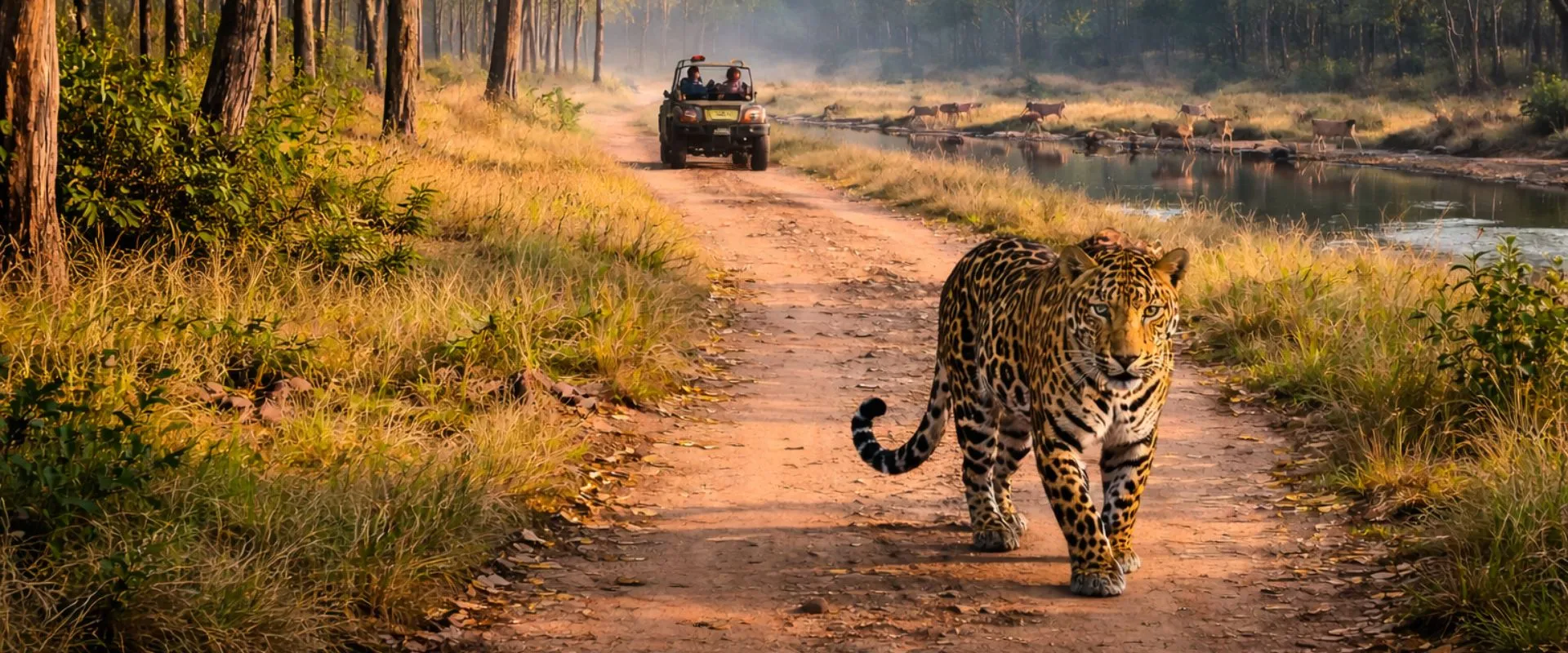
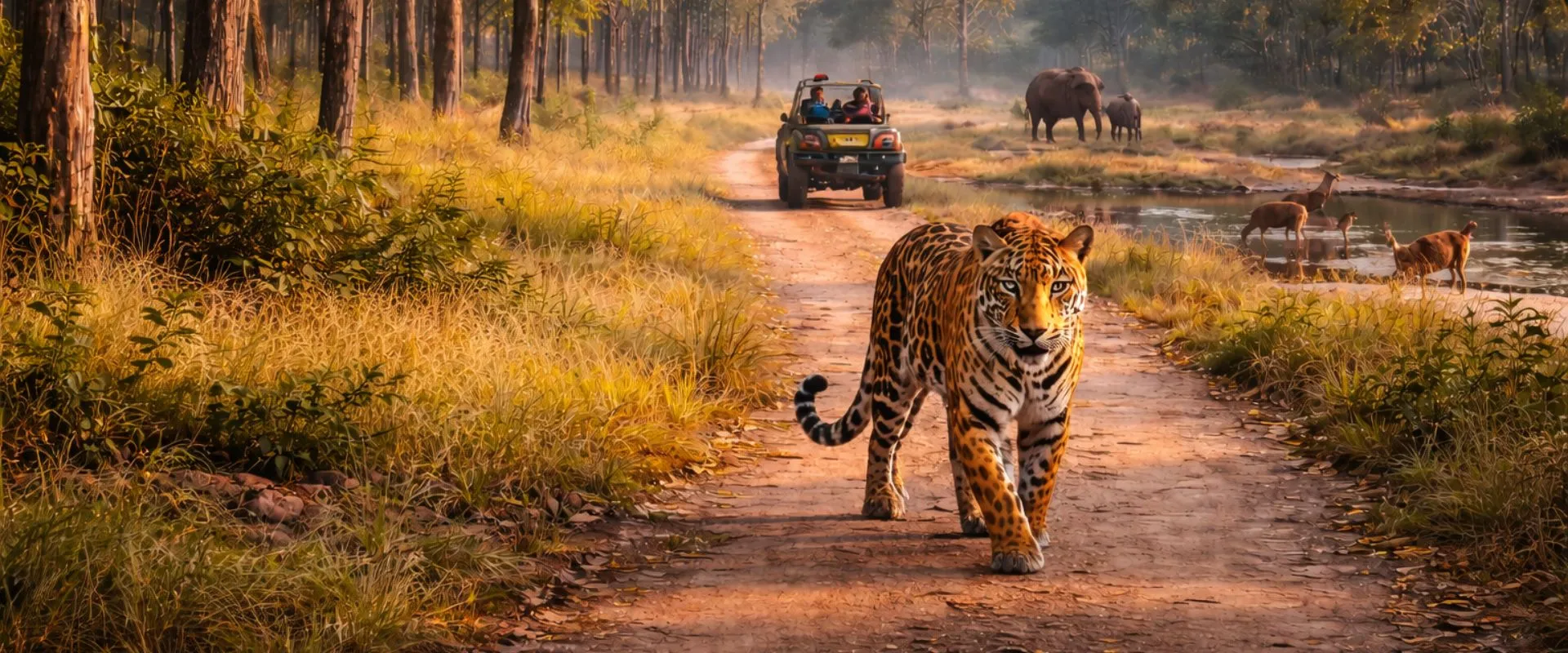
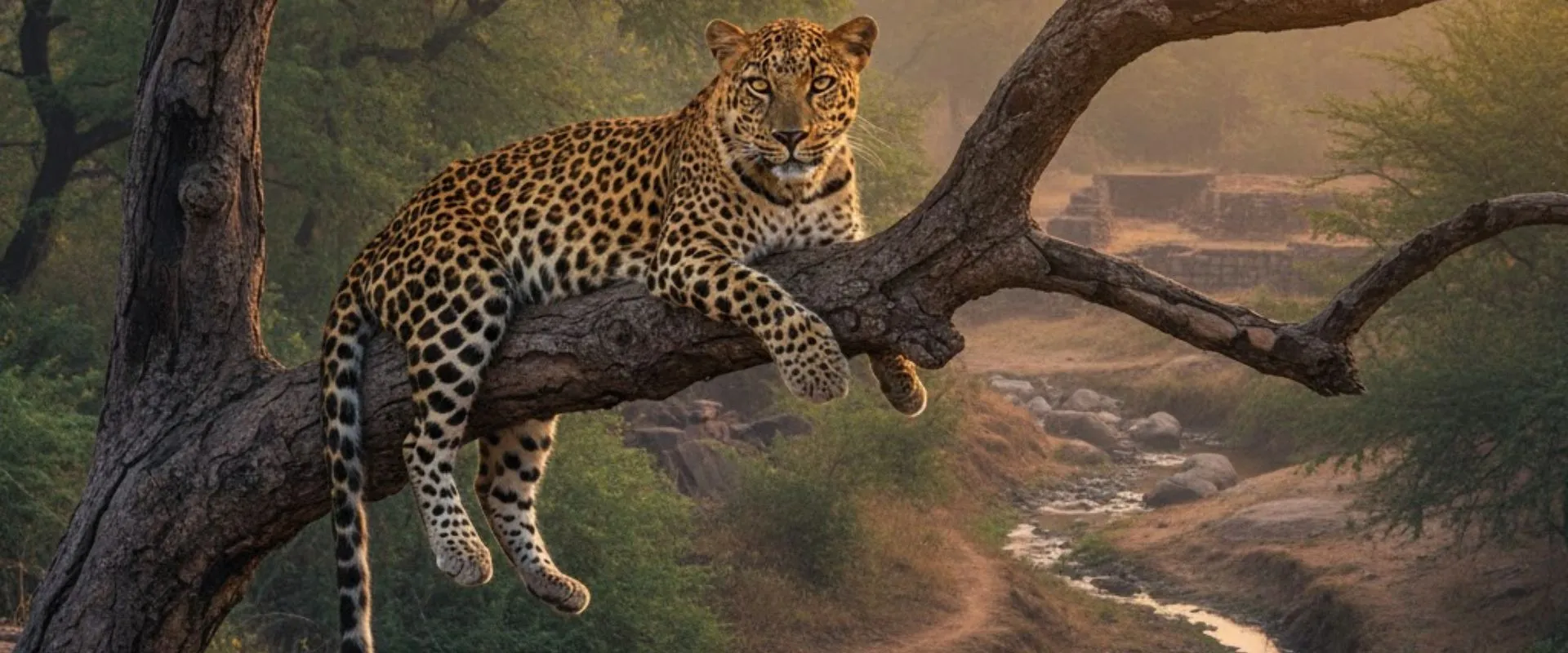
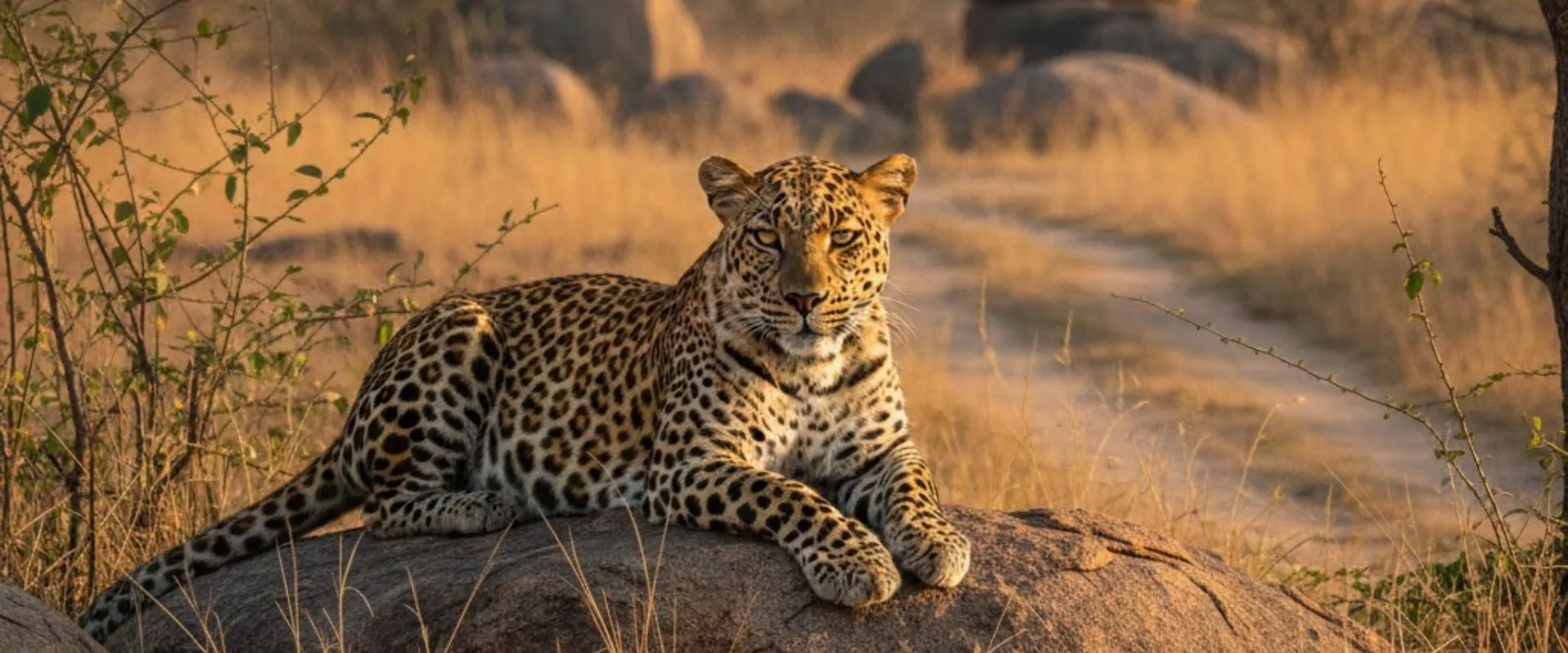
- Leopards: Churna is particularly famous for leopard sightings. The rocky terrain, caves, and elevated positions provide perfect leopard habitat. These elusive cats are frequently spotted resting on rock formations or moving through forested hillsides.
- Sloth Bears: Regularly encountered throughout the zone, especially in areas with abundant termite mounds and fruiting trees. The dense forest cover provides excellent bear habitat.
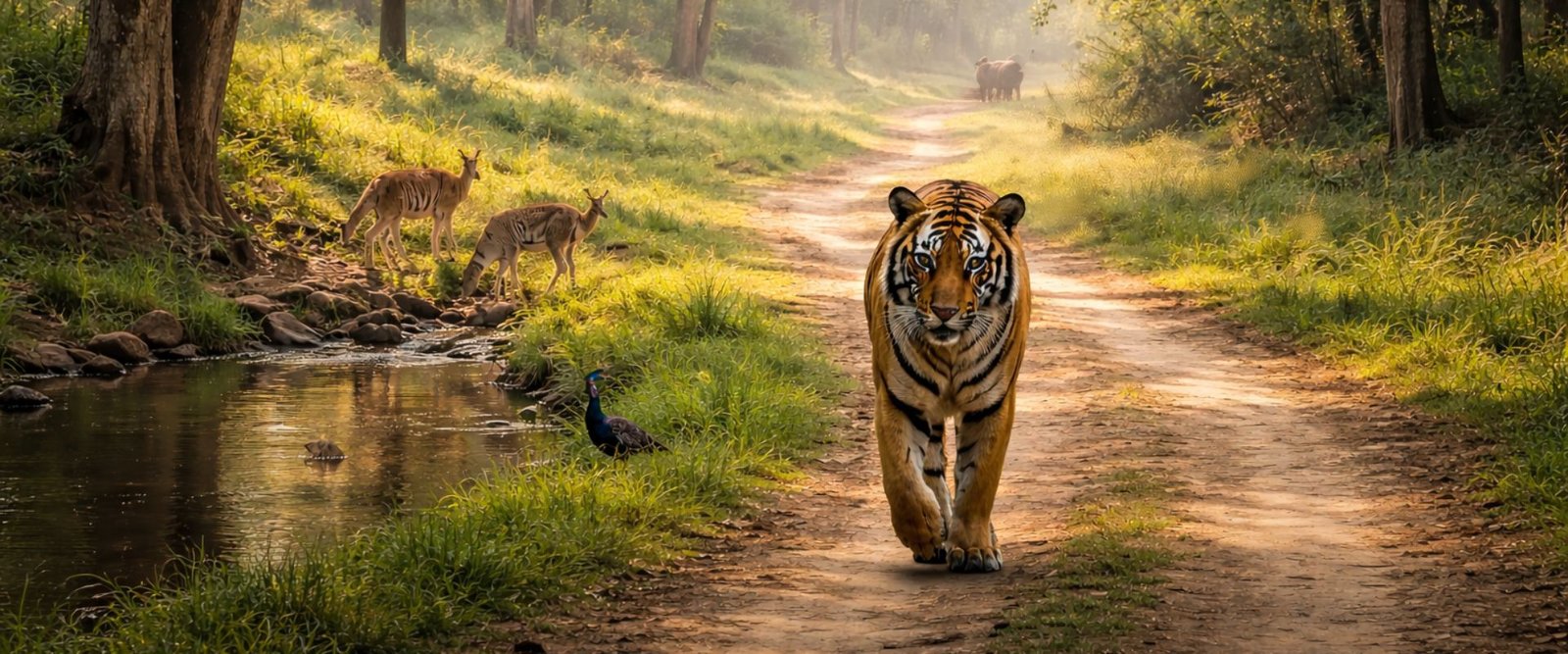
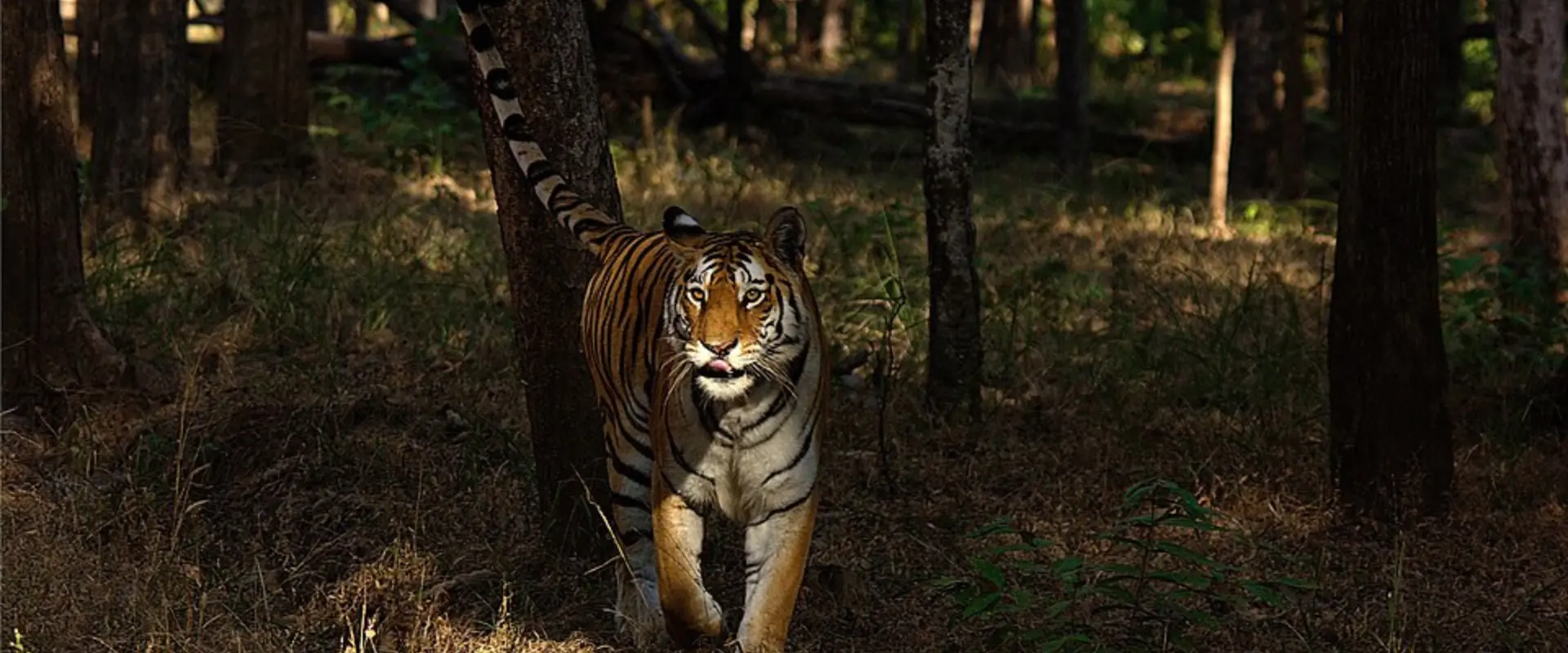
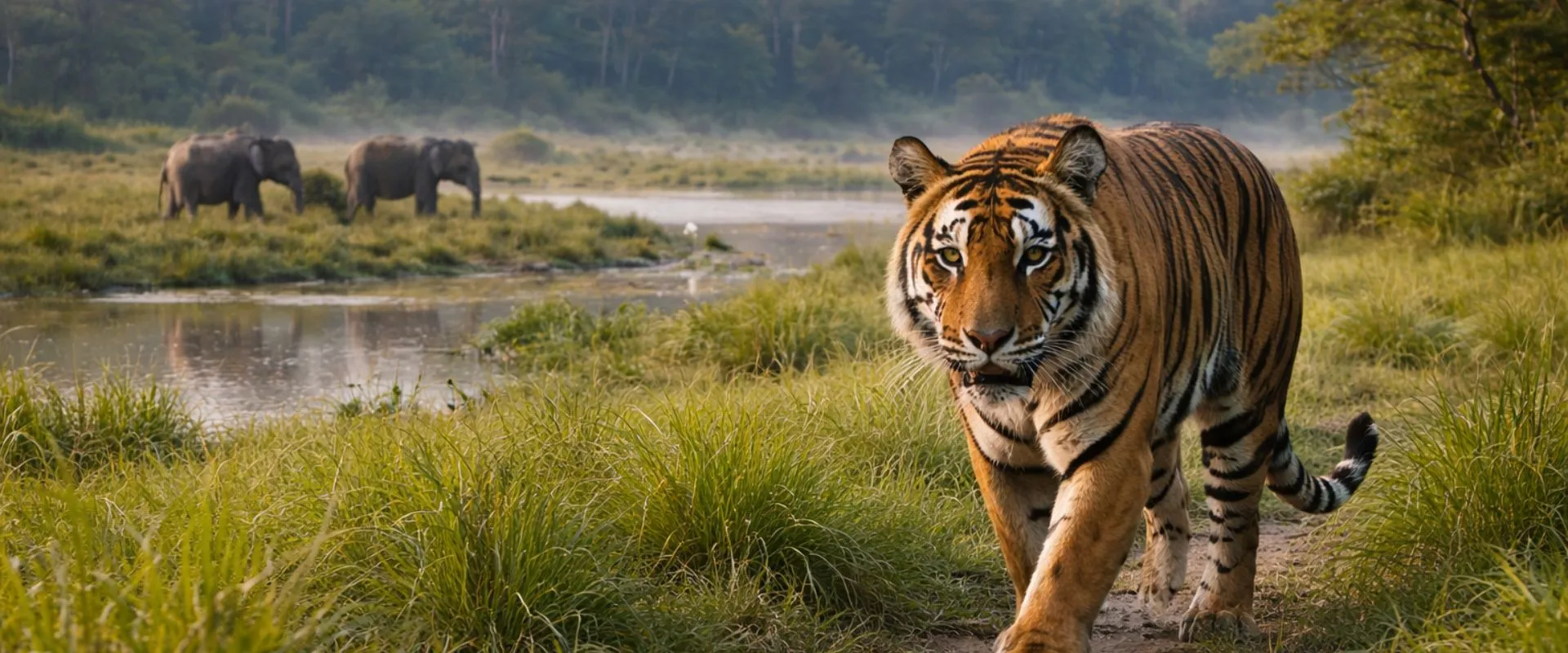
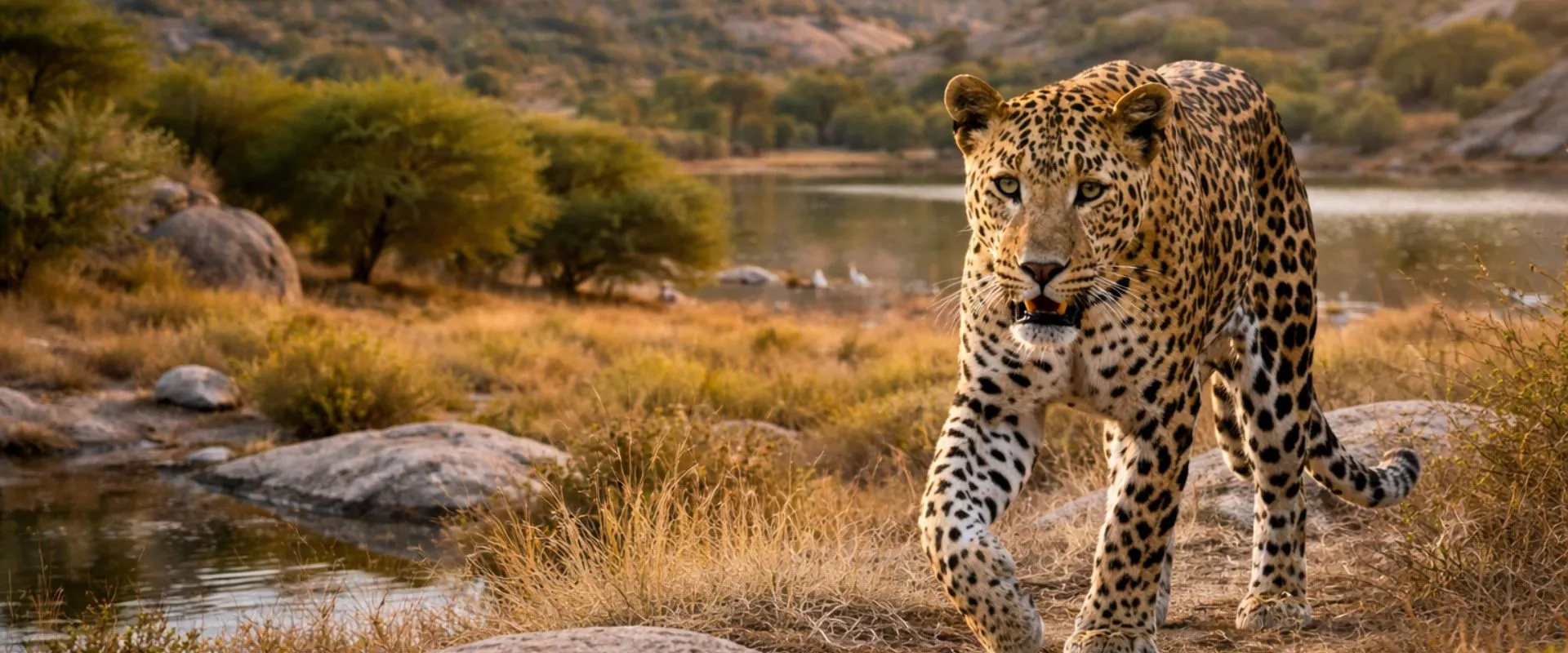
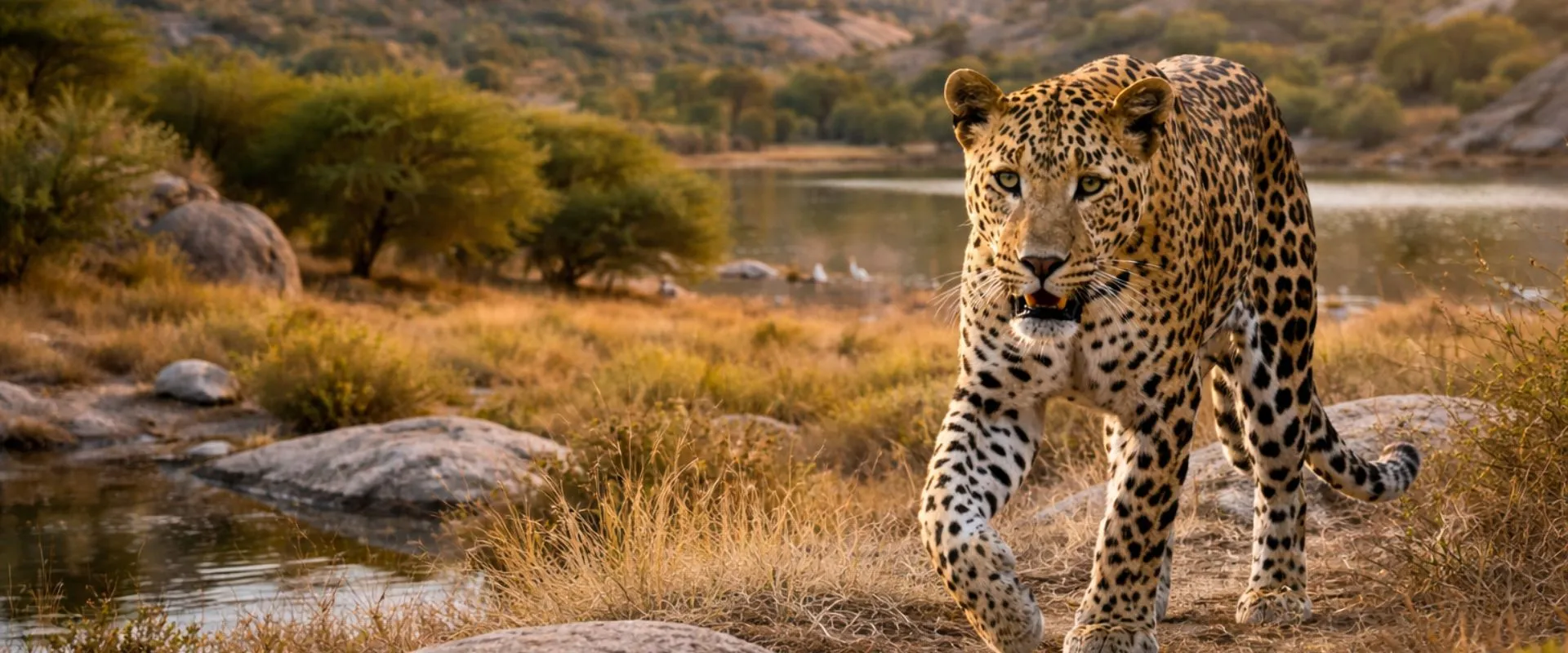
- Tigers: While less frequent than in Madhai, tigers do patrol territories in Churna, especially in valley areas and near water sources. Sightings are rewarding due to the zone’s wild character.
- Gaur (Indian Bison): Large herds frequent the bamboo-covered hillsides and valley grasslands. The zone’s topography supports year-round gaur presence.
- Herbivores: Sambar deer, barking deer (muntjac), spotted deer, and four-horned antelopes inhabit various elevations.
- Other Wildlife: Wild dogs (dholes), jungle cats, Indian porcupines, and various mongoose species.
- Birdlife: Includes Malabar trogons, crested hawk-eagles, jungle owlets, Indian pittas, white-bellied drongos, and numerous woodpecker species. The zone’s varied elevation supports diverse avian communities.
Best Features:
- Premier leopard territory with frequent sightings on rocky outcrops and hillsides.
- Excellent sloth bear habitat with regular encounters throughout the year.
- Rugged, challenging terrain provides authentic wilderness adventure for experienced safari-goers.
- Less tourist traffic compared to Madhai Zone ensures peaceful, uncrowded safaris.
- Dramatic topography creates stunning photographic opportunities with wildlife against rocky and forested backgrounds.
- Natural caves and rock formations add geological interest to wildlife viewing.
- The zone’s dense forest cover creates true immersive jungle atmosphere.
Safari Experience
Churna Zone safaris offer a distinctly different experience from the more accessible Madhai Zone. The challenging terrain means safaris move at slower, more deliberate paces, allowing careful observation of surroundings. The zone’s steep hills and rocky outcrops require scanning elevated positions with binoculars, as leopards often rest on high vantage points surveying their territories.
The dense forest sections create fascinating sensory experiences with filtered sunlight, cooler temperatures under canopy cover, and the sounds of the forest dominating the atmosphere. Wildlife encounters feel more earned and authentic in Churna’s rugged setting.
Leopard tracking in Churna is particularly exciting. Fresh pugmarks on dusty trails, scratch marks on trees, and territorial spray markings guide experienced naturalists to likely leopard locations. When spotted, leopards in Churna often display natural behaviors—resting on sun-warmed rocks, moving confidently through their territory, or scanning surroundings from elevated positions.
Sloth bear encounters are memorable as these shaggy creatures forage noisily through undergrowth, dig into termite mounds with powerful claws, or climb trees to reach fruiting branches. Their presence is often detected by distinctive sounds before visual confirmation.
The zone’s bamboo-covered hillsides attract gaur herds, and watching these massive bovines navigate steep terrain with surprising agility is impressive. The valleys and stream areas occasionally reveal tiger signs, and patient observation near water sources during summer months can yield rewarding sightings.
Best Time to Visit:
- October to February: Pleasant weather with comfortable temperatures (15-28°C); ideal for exploring the zone’s challenging terrain. Cool mornings feature excellent wildlife activity. This is the best period for comfortable safaris through hilly areas.
- March to June: Peak season for leopard and bear sightings as animals frequent water sources and move along established routes. Summer temperatures (28-40°C) make early morning safaris essential. The zone’s forest cover provides some relief from heat compared to more open areas.
- Post-Monsoon (October-November): Lush vegetation, active wildlife, and streams flowing through valleys create spectacular scenery, though animals may be more dispersed due to abundant water availability.
Photography Opportunities:
Churna Zone excels for:
- Leopard portraits on dramatic rocky backgrounds with textured natural settings
- Sloth bears in natural forest habitat engaged in foraging behaviors
- Wildlife against rugged, hilly terrain showcasing Satpura’s topographic diversity
- Vertical compositions utilizing elevation changes and layered landscapes
- Forest atmosphere shots with filtered light and dense vegetation
- Gaur on hillsides demonstrating their adaptation to challenging terrain
- Creative wildlife compositions using natural rock formations as framing elements
Conservation Significance:
Churna Zone’s rugged terrain and dense forest cover provide critical refuge habitat for wildlife seeking minimal human disturbance. The zone’s topographic complexity creates numerous microhabitats supporting specialized species. Its protection ensures connectivity between different parts of Satpura Tiger Reserve, allowing wildlife movement across elevation gradients and habitat types. The zone demonstrates that successful conservation requires protecting challenging, less accessible areas alongside tourist-friendly zones.
Visitor Tips:
- Physical Preparedness: The zone’s hilly terrain means bumpy rides with frequent elevation changes. Those prone to motion sickness should take precautions.
- Extended Safari Times: Request longer safari durations if possible, as Churna’s remote character and challenging terrain benefit from extended exploration time.
- Binoculars Essential: Rocky outcrops and hillsides mean leopards may be spotted at various distances and elevations. Quality binoculars (10×42 recommended) are crucial for scanning elevated areas.
- Photography Equipment: Carry telephoto lenses (300-500mm) for wildlife on distant hillsides, image stabilization for bumpy terrain, and wide-angle lenses for landscape compositions.
- Patience Required: Churna rewards patience and careful observation. The zone is not about quick, easy sightings but authentic wilderness encounters.
- Trust Your Guide: Naturalists familiar with Churna know leopard territories, bear foraging areas, and optimal viewing spots. Leverage their expertise for best experiences.
- Appropriate Clothing: Carry light layers as forested areas can be cool even during summer mornings, while exposed hillsides warm quickly.
- Set Realistic Expectations: This is a wilderness zone focused on quality over quantity. Value the rugged landscape, peaceful atmosphere, and natural animal behaviors.
- Multiple Visits: Consider booking multiple Churna safaris across different days, as the zone’s size and terrain mean different routes reveal different wildlife and landscapes.
- Water and Essentials: Carry sufficient water and any necessary medications, as the zone’s remote nature means limited facilities.
Route Highlights:
Key locations within Churna Zone include:
- Rocky Outcrop Section: Prime leopard territory with elevated rock formations offering panoramic views
- Bamboo Hill Slopes: Extensive bamboo forests attracting gaur and elephants
- Valley Bottom Areas: Stream courses and grasslands where tigers occasionally patrol
- Dense Forest Corridors: Thick vegetation hosting sloth bears, smaller carnivores, and diverse birdlife
- Ridge Routes: Elevated pathways providing scanning opportunities across valleys
- Cave Areas: Natural rock shelters used by leopards for denning and resting
Who Should Visit Churna Zone:
- Leopard enthusiasts seeking excellent sighting opportunities in dramatic settings
- Experienced safari-goers appreciating challenging terrain and authentic wilderness
- Wildlife photographers wanting creative compositions with rugged backgrounds
- Nature lovers valuing peaceful, uncrowded experiences over guaranteed sightings
- Visitors seeking sloth bear encounters in natural forest habitat
- Those understanding that wilderness quality often correlates with terrain difficulty
- Repeat Satpura visitors wanting to explore beyond the main tourist zone
Why Choose Churna Zone:
Churna Zone represents Satpura at its wildest—rugged terrain, dense forests, and wildlife displaying natural behaviors in challenging landscapes. The zone doesn’t offer easy comforts or guaranteed sightings, but it provides something more valuable for wildlife purists: authentic wilderness where leopards prowl rocky hillsides, bears forage undisturbed in thick forests, and nature operates on its own terms rather than human convenience. For visitors seeking genuine adventure, dramatic landscapes, and the satisfaction of wildlife encounters in truly wild settings, Churna delivers experiences that sanitized, tourist-friendly zones cannot replicate. It’s Satpura’s heart of darkness—in the best possible way—where wilderness still means wild.