Dudhwa Safari Zone

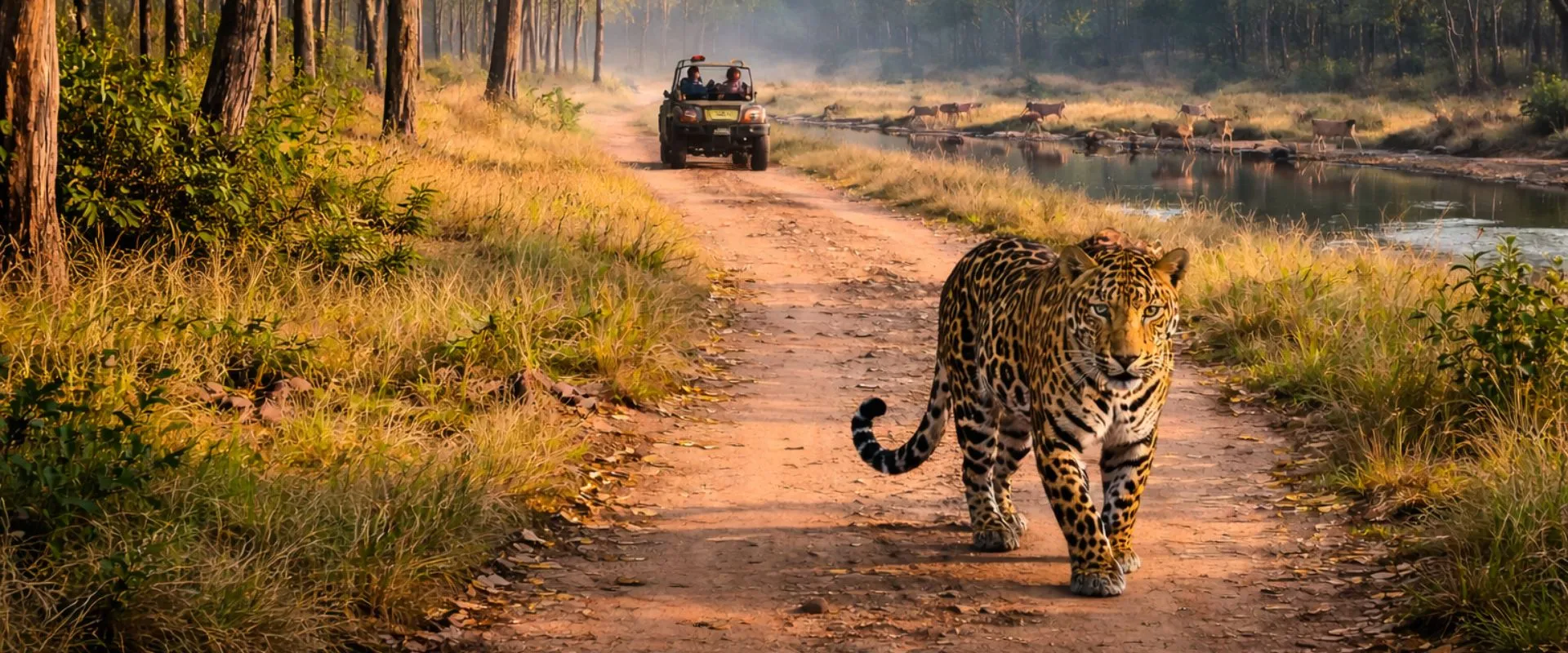
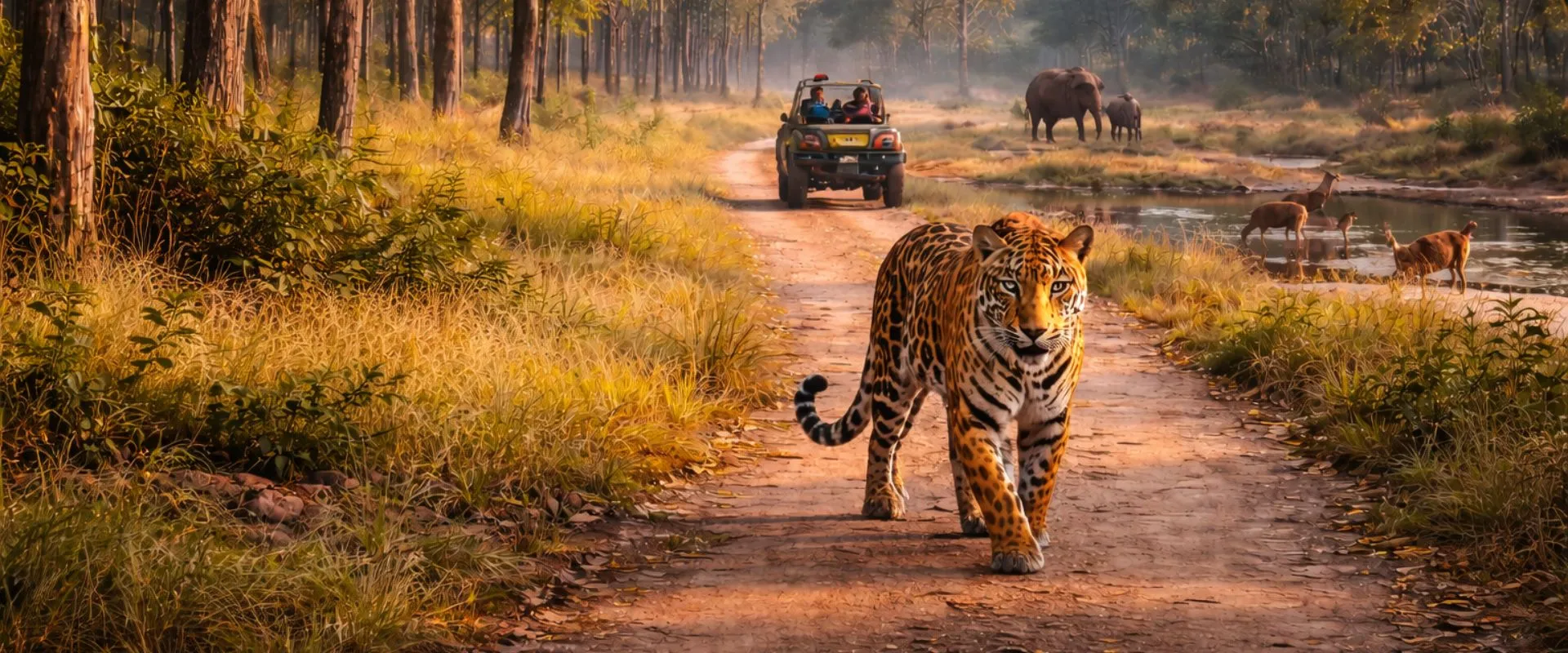
The Dudhwa Safari Zone is the core wildlife area of Dudhwa Tiger Reserve, rich in dense Sal forests, grasslands, wetlands, and riverine habitats. This zone offers an immersive jungle experience with some of the best opportunities to see large mammals in their natural environment.
What Makes Dudhwa Safari Zone Special?

  • It combines thick forests, open grasslands, and freshwater wetlands, creating diverse habitats supporting many species.
  • The zone is part of the classic Terai ecosystem where river channels, swampy meadows, and forest trails intersect, increasing chances for wildlife encounters.
  • Located near multiple perennial water bodies & river coursing areas, animals frequently gather here — making sightings lively and exciting year-round.

Wildlife Highlights:

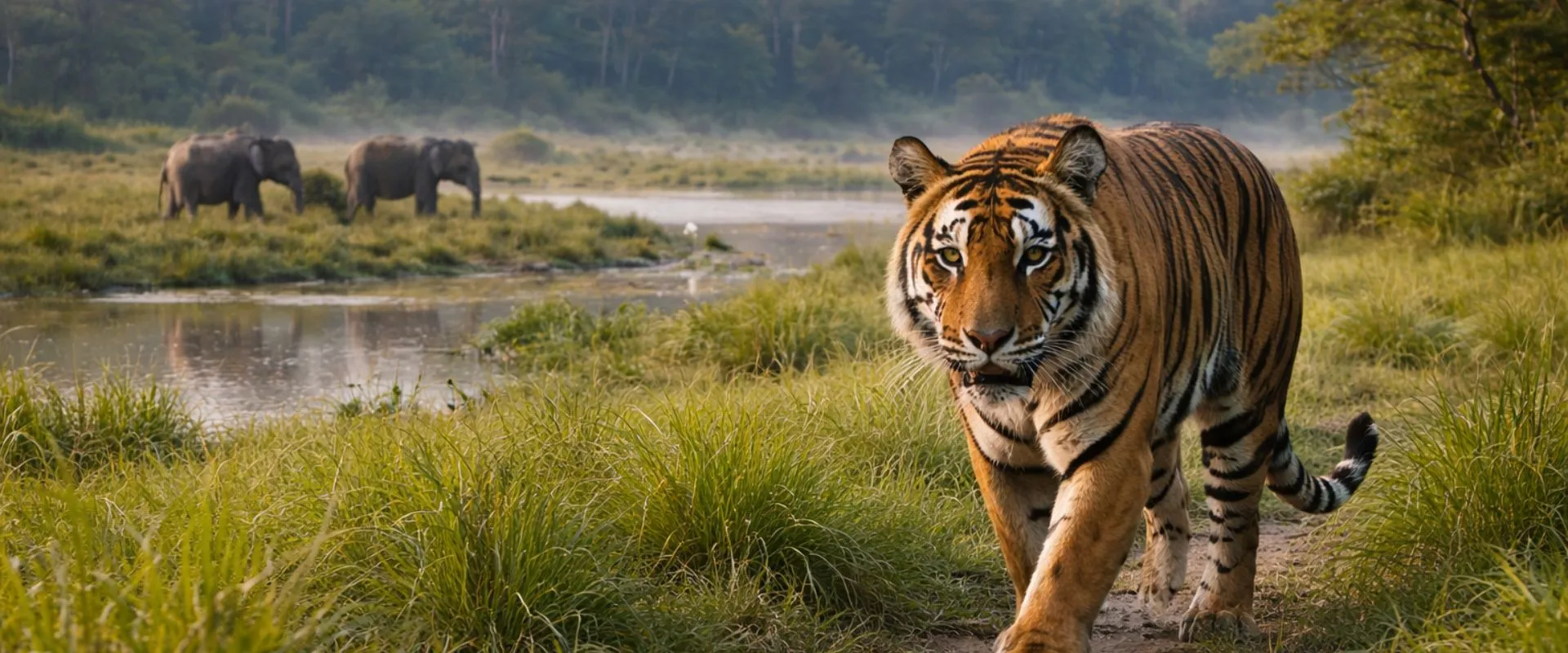
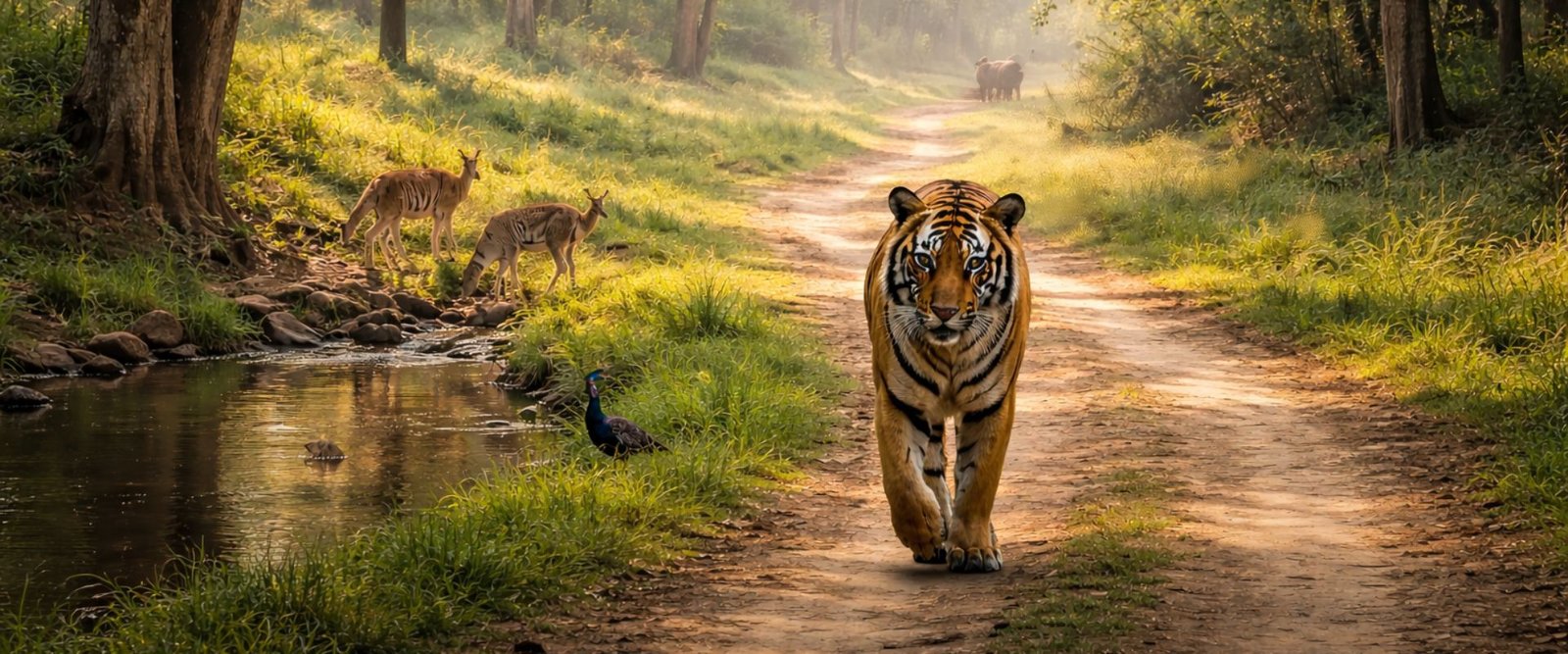
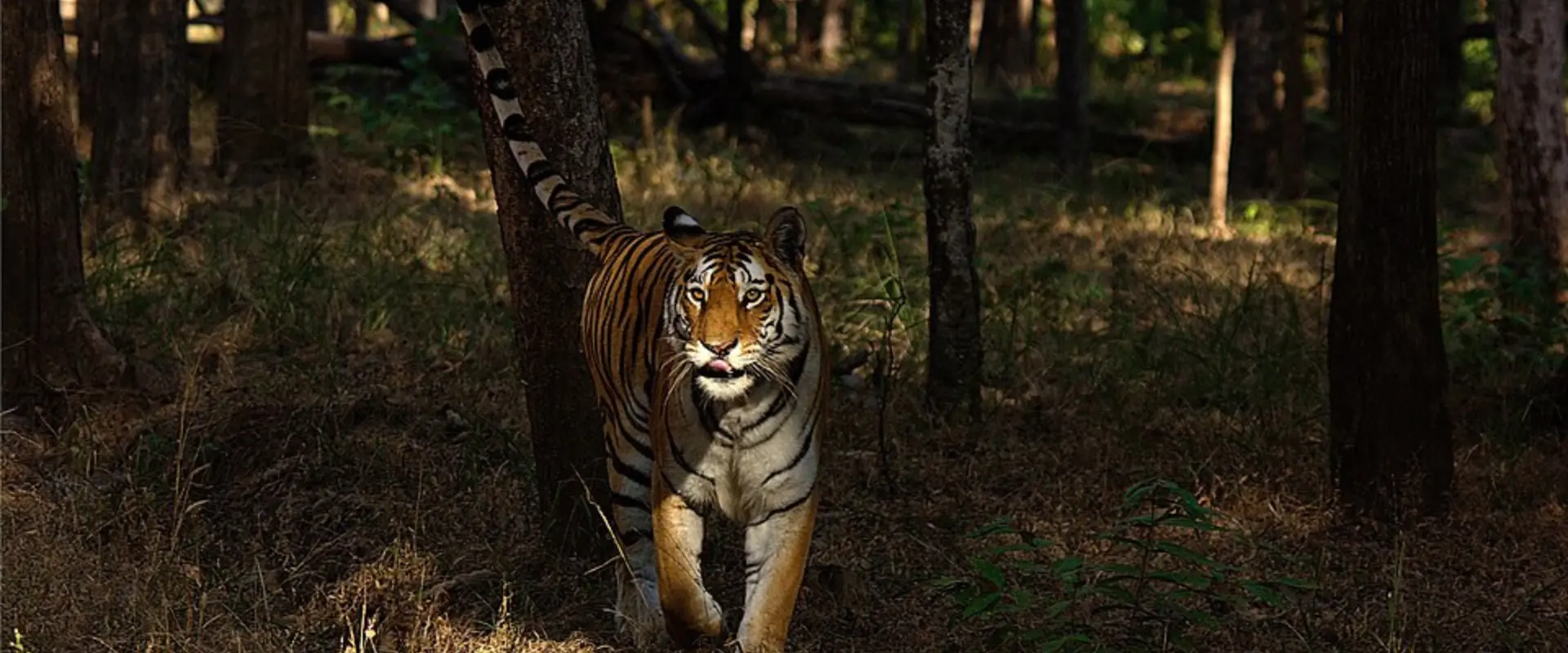
  • Tigers: The Bengal tiger is the top predator here, and early morning safaris often turn up sightings following forest trails.
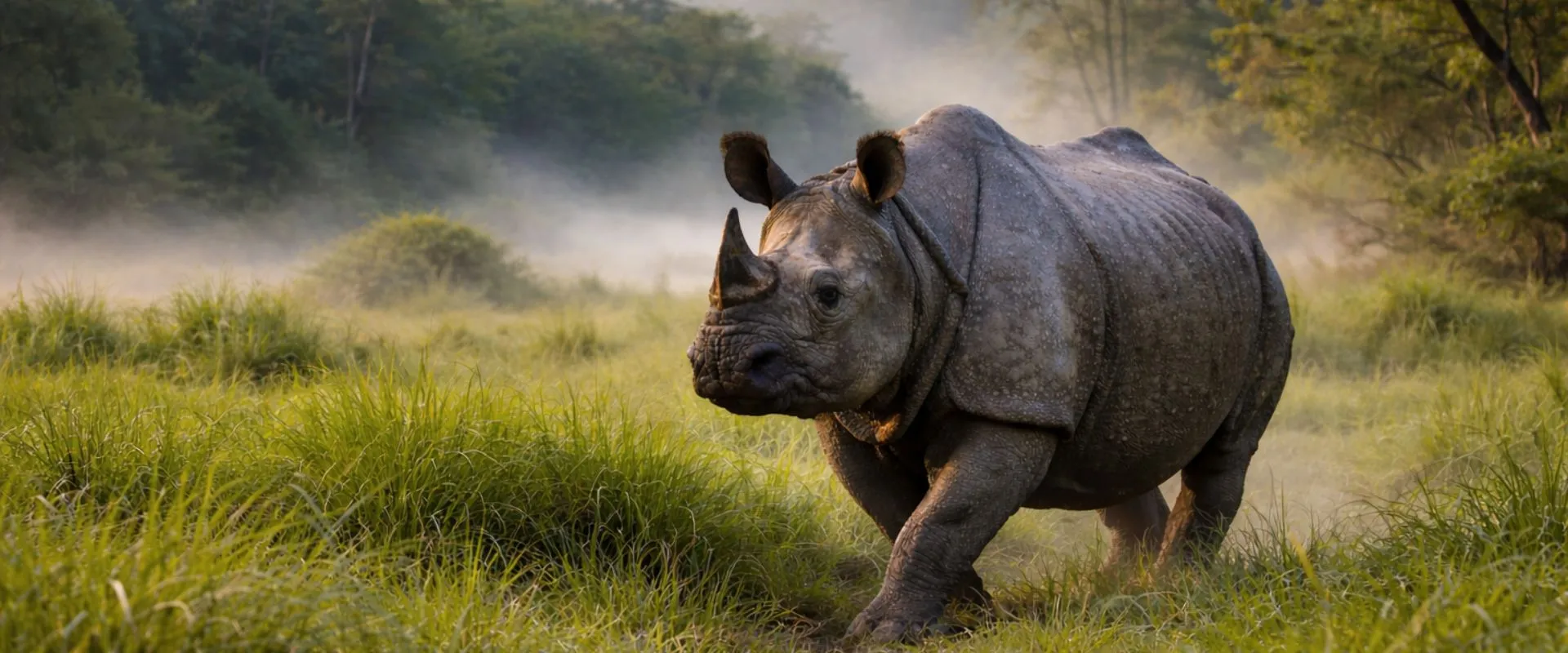
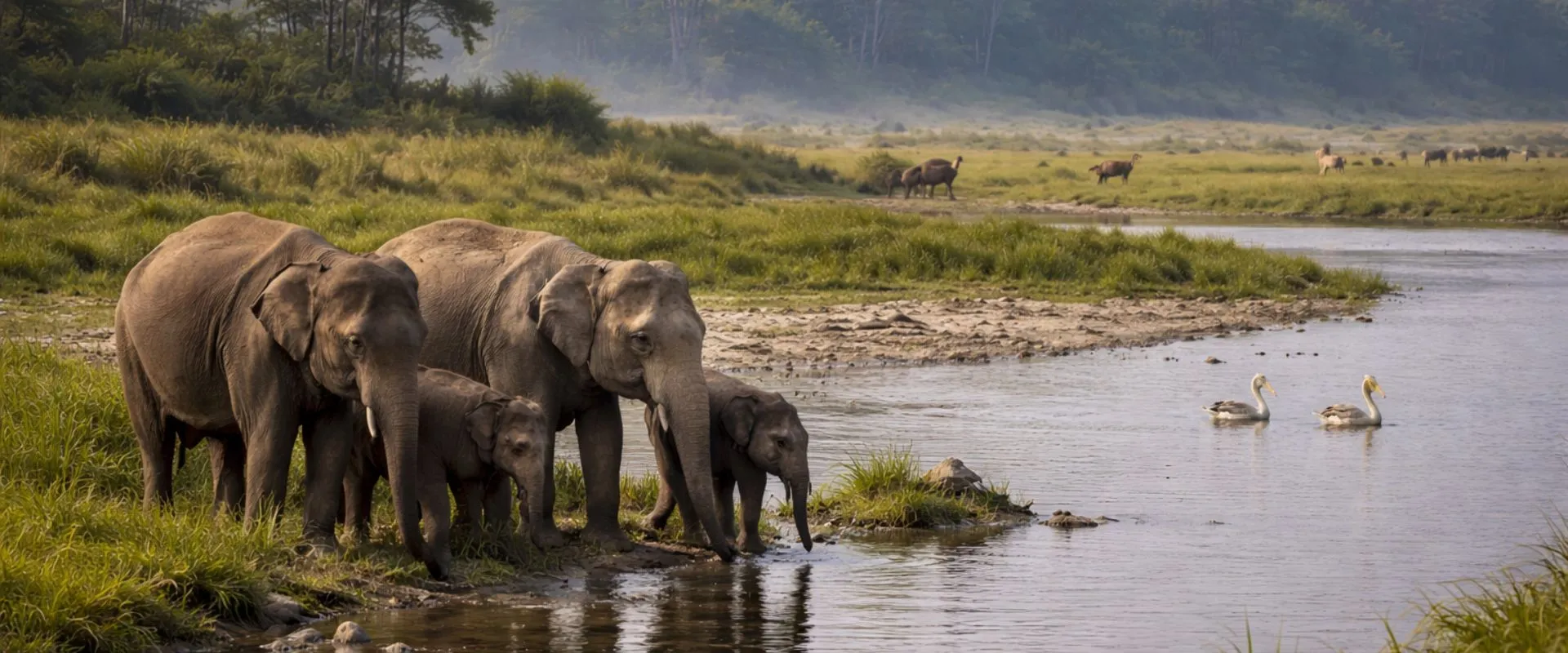
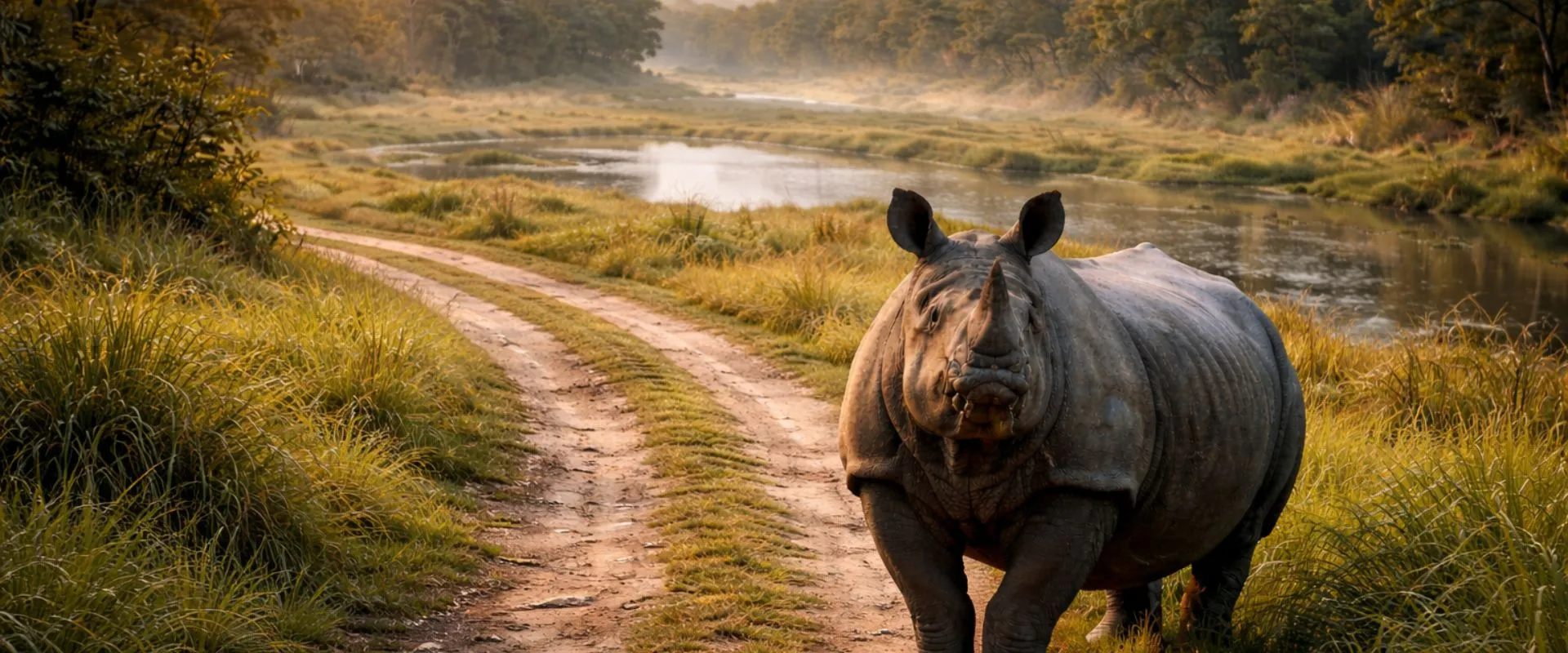
  • Elephants & Rhinos: Asian elephants roam the grasslands, and Indian rhinoceros have been successfully reintroduced in nearby Sonaripur sections of the reserve.
  • Herbivores: Swamp deer (Barasingha), spotted deer, nilgai, wild boar, and other grazers are commonly seen near water bodies.
  • Birdlife: Over 400 bird species — from waterbirds to raptors — flourish here, making this zone a paradise for birdwatchers.

Best Time to Visit:

  • Winter (November to March): Cool weather makes animals more active and visible; migratory birds also add to the rich birdlife.
  • Late Dry Season (March to May): As water sources shrink, wildlife concentrates around remaining waterholes, improving chances of tiger and rhino sightings.

Note: The park typically closes during monsoon (mid-June to mid-November) due to heavy rains and forestry regeneration activities.

Book your Jungle Experiences along with Safaris & Local Activities

Related Safari Zones

Amagarh Zone

Amagarh Zone

Amagarh Zone The Amagarh Zone is a buffer area known for its hilly terrain and dense vegetation, offering challenging but rewarding safari experience...

Jhalana Zone 2

Jhalana Zone 2

Jhalana Zone 2 Jhalana Zone 2 offers alternative safari routes within the Jhalana reserve, featuring similar terrain with different vantage points. ...

Jhalana Zone 1

Jhalana Zone 1

Jhalana Zone 1 Jhalana Zone 1 is part of Jhalana Leopard Conservation Reserve near Jaipur, known as an urban wildlife sanctuary with high leopard den...

Jawai Zone

Jawai Zone

Jawai Zone The Jawai Zone is famous for its unique landscape of granite hills and leopard conservation, though it's actually a separate wildlife area...

Jeewada Zone

Jeewada Zone

Jeewada Zone The Jeewada Zone is a remote buffer area offering untouched wilderness and excellent opportunities for spotting elusive wildlife. Wha...

Kothar Zone

Kothar Zone

Kothar Zone The Kothar Zone is a pristine wilderness area within the park, known for its rugged terrain and dense sal forests. What Makes Kothar S...

Sena Zone

Sena Zone

Sena Zone The Sena Zone is a peripheral buffer area characterized by mixed forests and agricultural borders, providing a unique blend of wildlife hab...

Bera Zone

Bera Zone

Bera Zone The Bera Zone is a wildlife corridor and transition area of the national park, offering diverse landscapes from open grasslands to dense fo...

Harsa/Khajurikudar Zone

Harsa/Khajurikudar Zone

These buffer zones expand safari opportunities beyond the core areas and include small grasslands, seasonal water bodies, and forest patches. What ...

Jhinna Zone

Jhinna Zone

The Jhinna Zone is a buffer and fringe area of Panna National Park, known for quiet safari trails and nocturnal wildlife opportunities. What Makes ...

Akola Zone

Akola Zone

The Akola Zone is part of the park’s buffer area, providing a peaceful safari with mixed habitats including grasslands, dry forests, and small water...

Hinouta Zone

Hinouta Zone

The Hinouta Zone is a core area with undulating terrain, rocky outcrops, and dense forests, providing a quieter safari experience. What Makes Hinou...