Himavad Gopalaswamy Betta Zone – Bandipur Tiger Reserve

The Himavad Gopalaswamy Betta Zone is the most unique and scenic area of Bandipur Tiger Reserve, characterized by high elevation forests, misty hilltops, cooler temperatures, and the ancient Gopalaswamy Temple atop Karnataka’s highest peak within the reserve. This zone combines wildlife viewing with cultural significance and breathtaking mountain scenery, offering a completely different experience from Bandipur’s other zones.

What to Expect:

The zone features high-elevation evergreen and semi-evergreen forests, misty hilltops, shola grasslands, and dense vegetation characteristic of montane ecosystems.

  • Safari routes ascend through elevation gradients, passing from dry deciduous forests at lower elevations into cooler, moister hill forests with distinct flora and fauna.
  • The landscape includes steep hillsides, cloud-covered peaks, rocky terrain, and the iconic Gopalaswamy Temple at 1,450 meters elevation, providing spiritual and scenic focal points.
  • Cooler temperatures even during summer months (10-15°C cooler than lower zones) create comfortable conditions and influence wildlife behavior and distribution patterns.

What to Expect (Cultural Context):

  • The ancient Gopalaswamy Temple, dedicated to Lord Krishna, sits atop the hill and is an important pilgrimage site. The temple’s presence adds cultural and spiritual dimensions to wildlife experiences.
  • The zone blends natural and cultural heritage—dense forests surround sacred spaces, demonstrating traditional human-nature coexistence.
  • Mist and clouds frequently envelope the hilltop, creating mystical atmospheres especially during monsoons and winter mornings.

Wildlife Highlights:

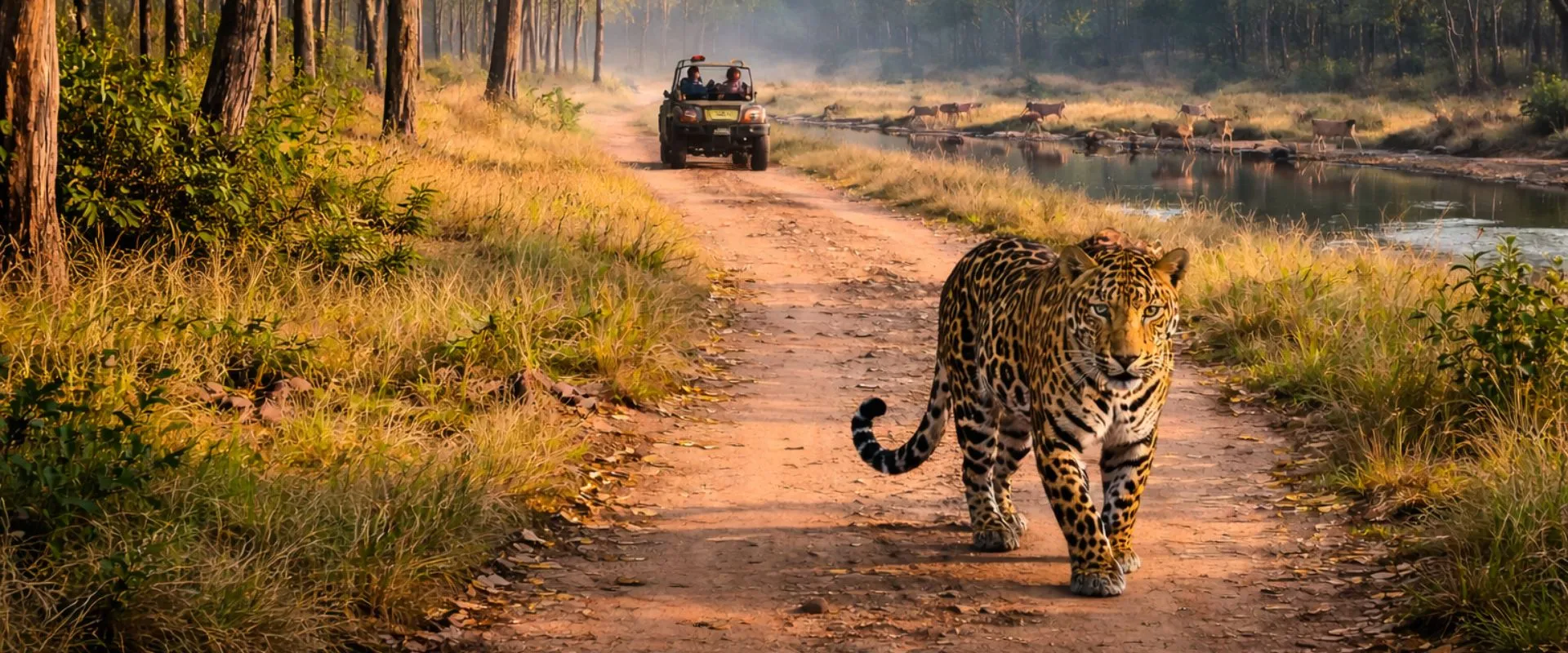
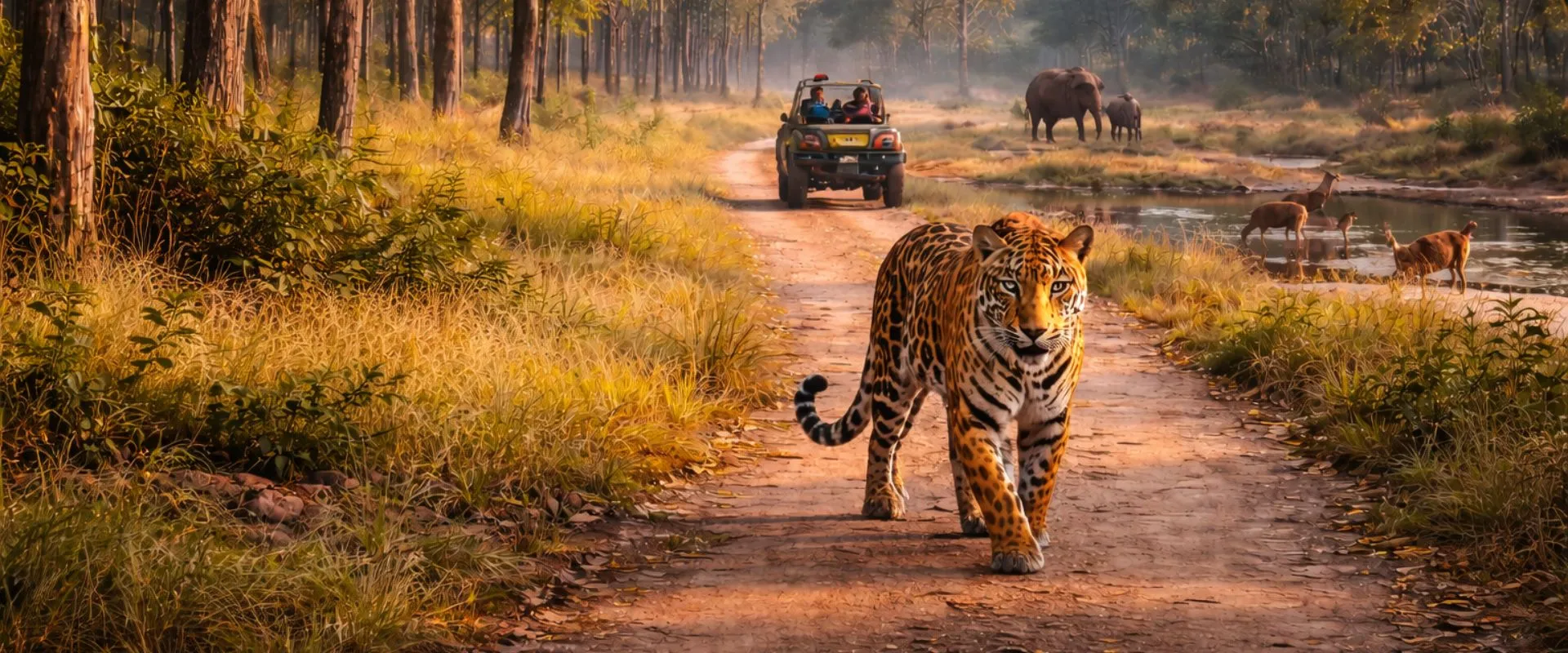
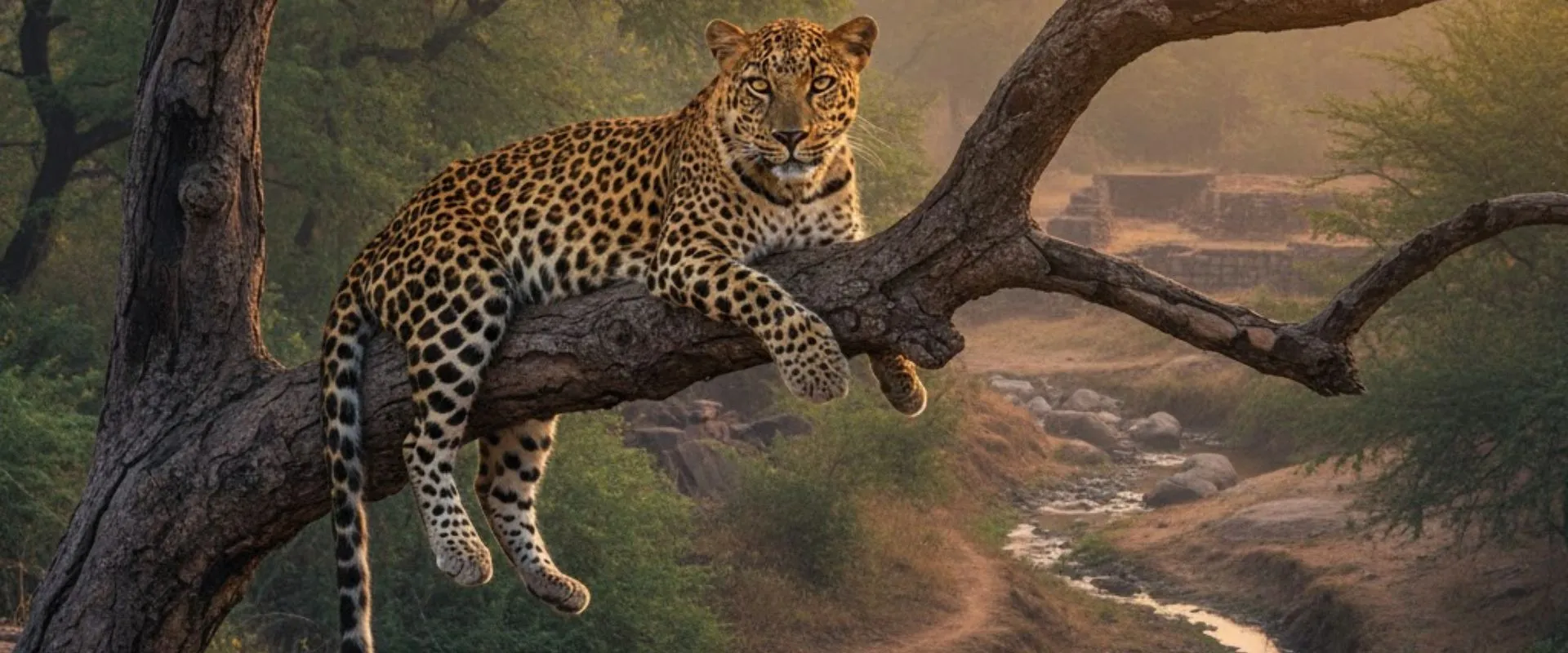
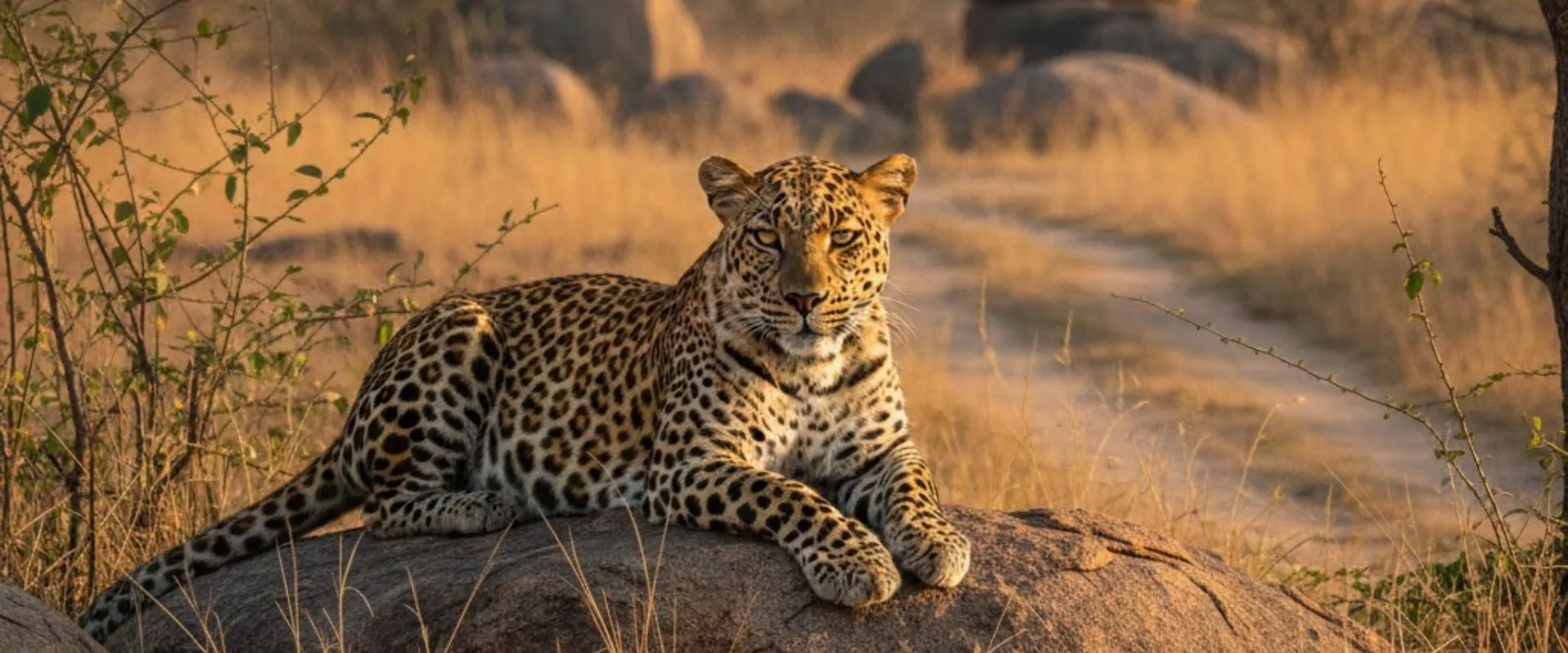
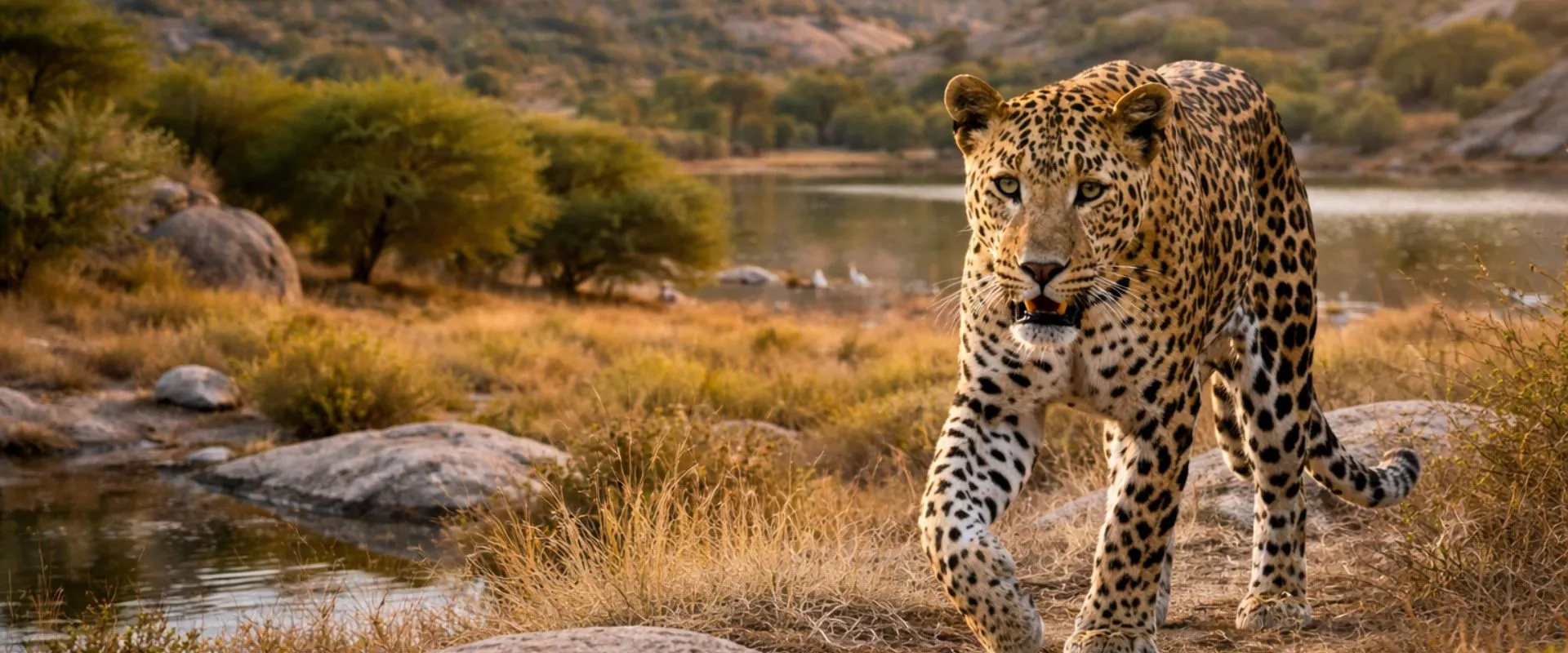
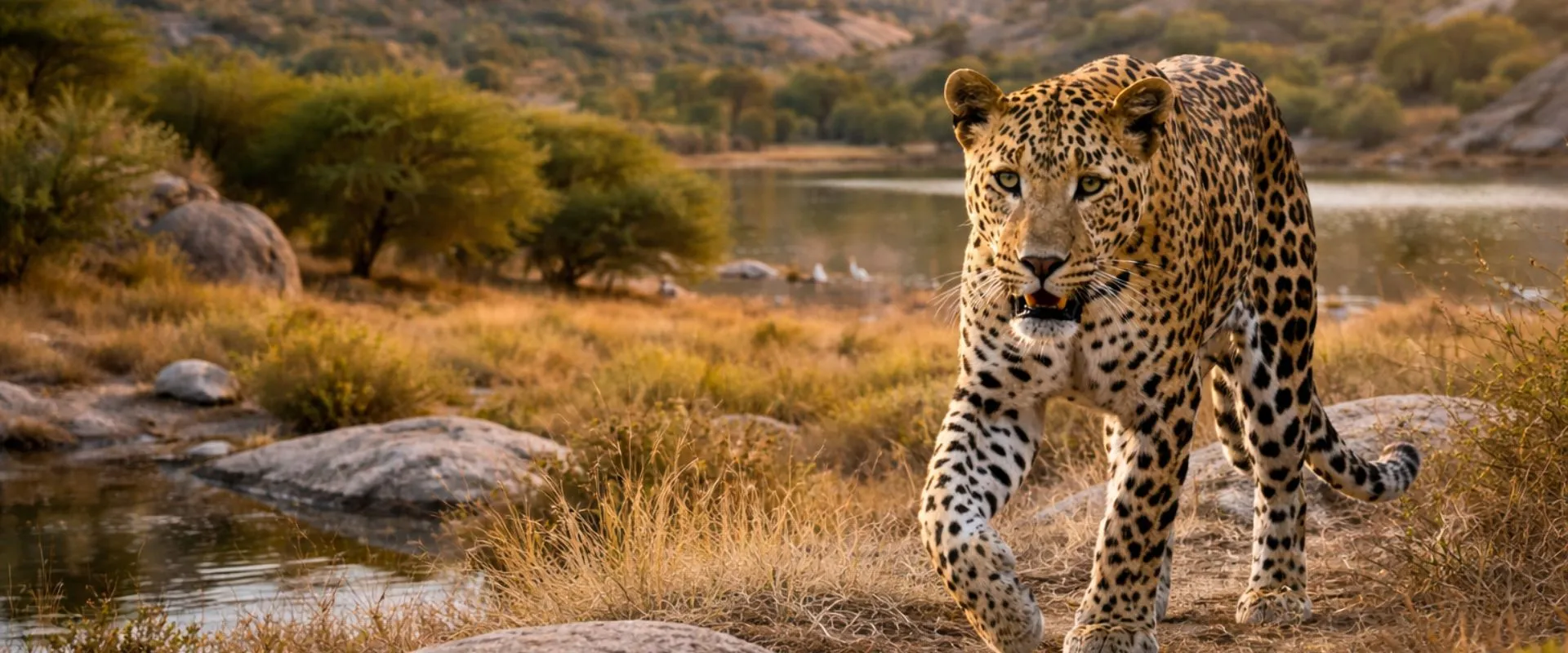
  • Leopards: The zone’s rocky terrain, caves, and dense vegetation create ideal leopard habitat. Himavad Gopalaswamy Betta is known for good leopard sightings, with these elusive cats utilizing the varied topography for hunting and denning.
  • Sloth Bears: Frequently spotted in hill forests, especially near areas with abundant fruiting trees and termite mounds. The cooler climate and forest type support healthy bear populations.
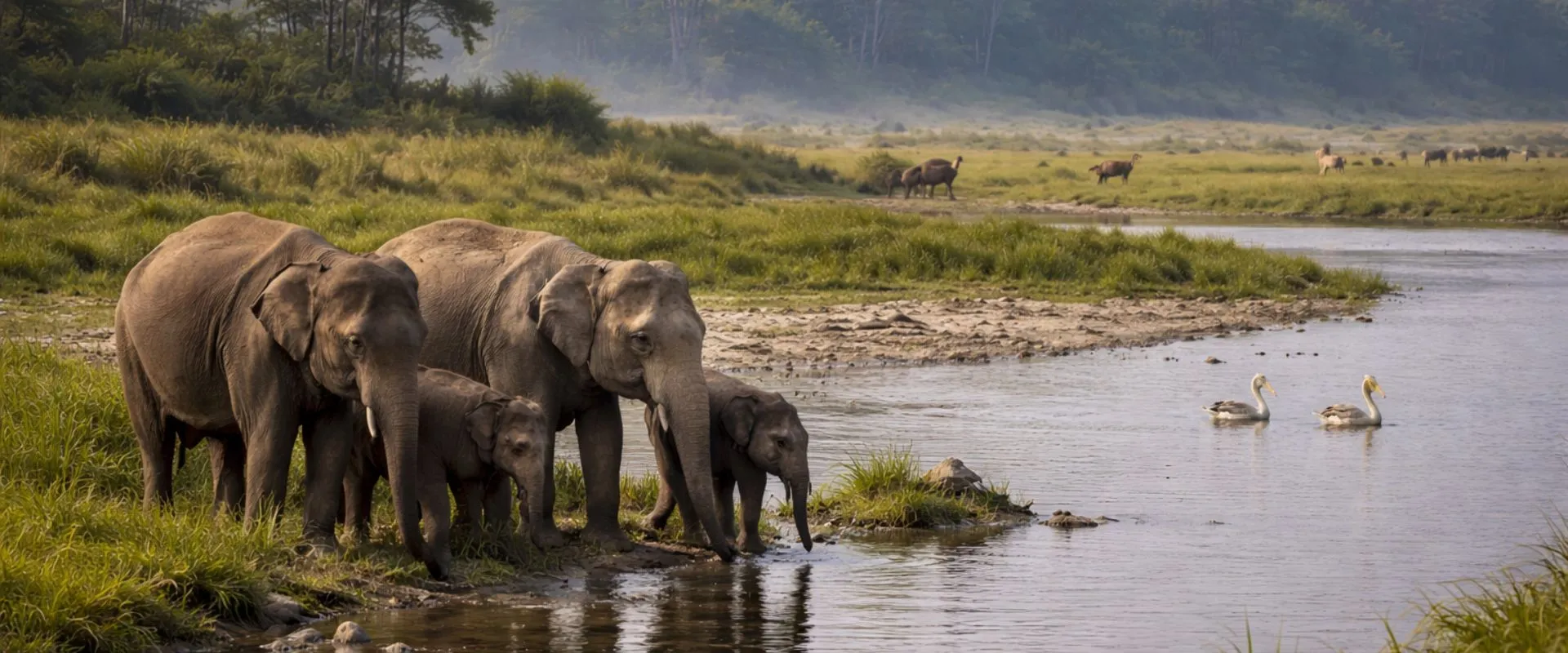
  • Asian Elephants: Herds move through the zone, particularly along lower slopes and valley connections. Elephants navigate steep terrain with remarkable agility.
  • Gaur (Indian Bison): Bachelor groups and mixed herds frequent grasslands and forest edges at various elevations. The zone’s vegetation diversity supports year-round gaur presence.
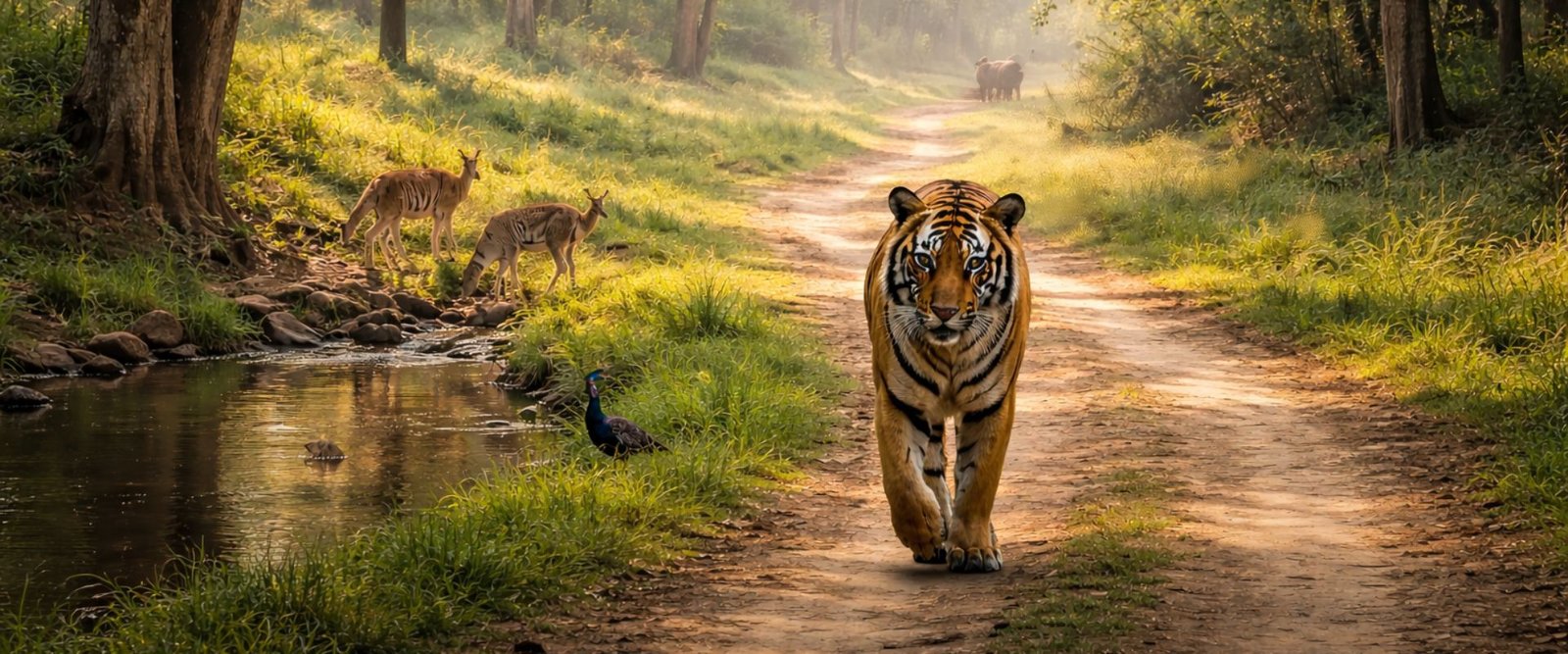
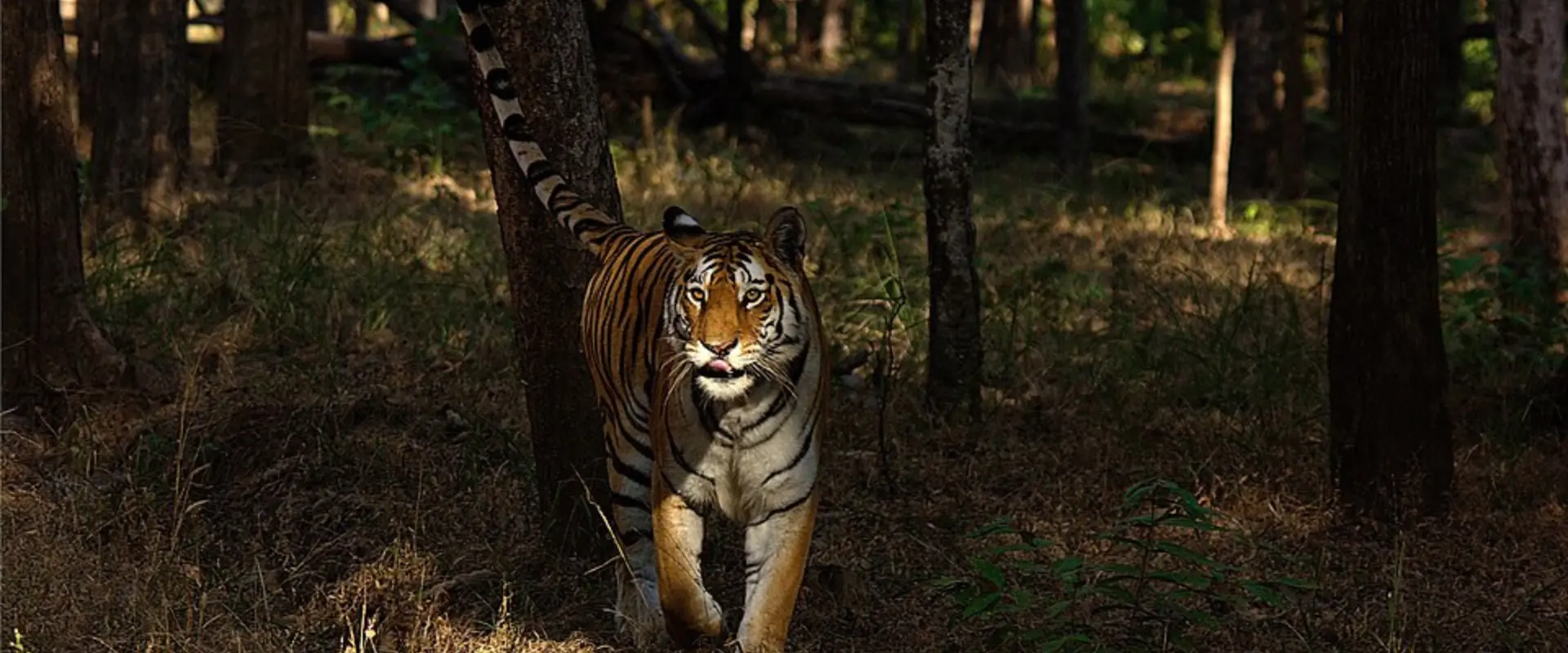
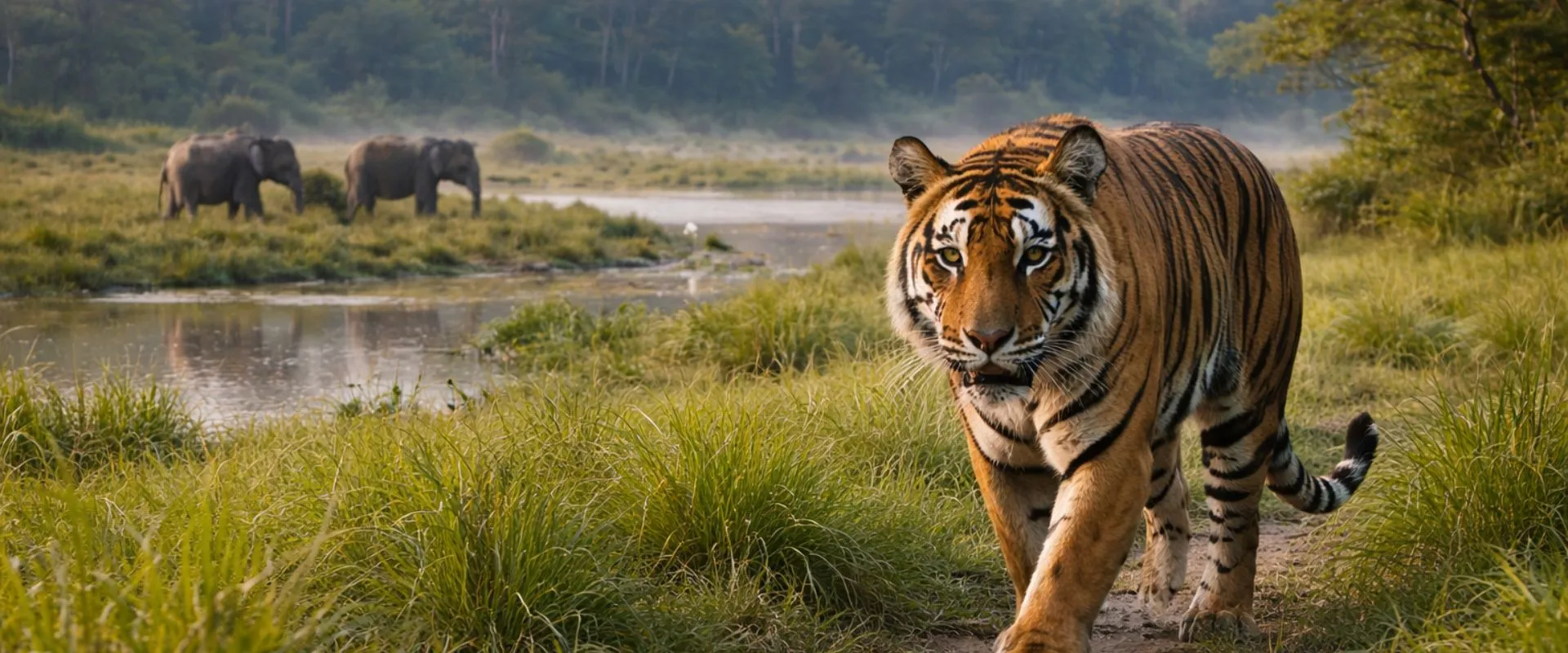
  • Tigers: While less common than in lower elevation zones, tigers do patrol territories here, especially in valley areas and along ridgelines. Sightings occur but require luck and patience.
  • Sambar Deer: Large populations inhabit hill forests; their size and adaptability make them common throughout elevation gradients.
  • Muntjac (Barking Deer): Particularly abundant in dense undergrowth and forest edges where thick vegetation provides cover.
  • Wild Dogs (Dholes): Packs occasionally traverse the zone while hunting, utilizing the terrain for strategic advantages during chases.
  • Giant Squirrels: The zone’s tree diversity supports healthy populations of these large, colorful squirrels easily spotted in canopy areas.
  • Endemic and Specialized Birdlife: The zone’s unique habitat hosts species uncommon in lower areas:
    • Hill Specialists: Nilgiri laughingthrush, Malabar whistling thrush, white-bellied shortwing, black-and-orange flycatcher
    • Forest Species: Malabar grey hornbill, white-bellied treepie, heart-spotted woodpecker
    • Raptors: Mountain hawk-eagle, crested hawk-eagle, serpent eagles
    • Endemic Species: Nilgiri wood pigeon, Nilgiri flycatcher (seasonal)
    • The zone’s elevation creates habitat for Western Ghats endemic species not found in lower zones, making it crucial for birdwatching enthusiasts.

Best Features:

  • Unique Ecosystem: Only zone offering montane forest experiences within Bandipur—different flora, fauna, and microclimate from lower elevation areas.
  • Cooler Climate: Comfortable temperatures year-round make safaris pleasant even during peak summer months when lower zones experience extreme heat.
  • Leopard Territory: Excellent habitat and regular sightings make this a premier leopard zone.
  • Endemic Bird Species: Access to Western Ghats endemics and hill specialists unavailable in other Bandipur zones.
  • Scenic Grandeur: Panoramic views, misty forests, and dramatic topography create stunning photographic opportunities.
  • Cultural Heritage: Ancient temple adds historical, religious, and cultural dimensions to natural experiences.
  • Atmospheric Conditions: Mist, clouds, and unique lighting create ethereal, magical safari atmospheres.

Safari Experience:

Himavad Gopalaswamy Betta Zone safaris are transformative journeys through elevation gradients and ecosystem transitions. Safaris begin in lower deciduous forests and climb steadily through changing vegetation zones. As elevation increases, dry deciduous species give way to more moisture-loving plants, bamboo density increases, and eventually, semi-evergreen and shola grassland elements appear. This botanical progression, which naturalists explain during ascents, illustrates how temperature, rainfall, and altitude interact to create distinct ecological zones within short distances.

The cooler temperatures immediately distinguish this zone. Even during April-May when lower Bandipur swelters at 38-40°C, Himavad Gopalaswamy Betta remains 10-15 degrees cooler—comfortable for extended outdoor activities. This climate influences wildlife behavior too; animals are active during midday hours when lower zones see wildlife retreating to shade. The temperature difference also affects visitor comfort, making summer safaris here particularly pleasant.

Mist and cloud cover create the zone’s signature atmospheric quality. Morning safaris frequently begin in clear conditions at lower elevations but ascend into cloud layers shrouding hilltops in white mystery. Visibility fluctuates as mist rolls through, alternately concealing and revealing landscapes. When clouds part momentarily, the revealed vistas—endless forested hills, distant plains, wildlife silhouettes—take breath away. This dynamic weather creates constantly changing conditions keeping photographers challenged and engaged.

Leopard sightings here differ from lower zones because terrain influences behavior. Leopards utilize rocky outcrops, caves, and elevated positions more extensively. They’re occasionally spotted resting near the temple area’s rocky formations or traversing hillsides. The zone’s vertical terrain means leopards may be above, below, or at eye level with safari vehicles, creating unique viewing angles and photographic opportunities. Their camouflage against rocky and forested backgrounds demonstrates evolutionary perfection.

The temple itself creates fascinating human-wildlife interactions. Pilgrims visit regularly, yet wildlife frequents areas surprisingly close to human activity. Leopards sometimes utilize temple vicinity rocks, bears forage in surrounding forests, and elephants pass through lower slopes. This coexistence—sacred spaces within wild landscapes—exemplifies traditional Hindu philosophy recognizing nature’s divinity. The temple’s presence doesn’t diminish wilderness; rather, it adds philosophical depth to experiences.

Birdwatching in Himavad Gopalaswamy Betta Zone is exceptional for enthusiasts seeking Western Ghats endemics and hill specialists. The Nilgiri laughingthrush, with its distinctive calls echoing through misty forests, is a prize sighting. Malabar whistling thrushes hop along forest floors, their melodious songs adding to atmospheric quality. Specialized species like white-bellied shortwings and black-and-orange flycatchers occupy specific niches—stream sides, dense undergrowth, or canopy edges—making their observation particularly rewarding for serious birders.

The zone’s shola grasslands—unique montane grassland ecosystems interspersed with stunted evergreen forests—support different wildlife communities. These grasslands, found at highest elevations, provide habitat for specialized plants and animals adapted to cooler, windier conditions. Grazing herbivores like sambar utilize these open areas, and raptors patrol skies hunting rodents and other small prey.

Descending from the hilltop during evening safaris provides different experiences than morning ascents. As vehicles drop through elevation zones, temperatures warm noticeably. Wildlife encountered changes correspondingly—species preferring warmer conditions appear at lower elevations. The descent’s changing perspectives reveal landscapes viewed from above earlier, creating satisfying circular journey sensations.

Best Time to Visit:

  • October to February: Ideal season with clear skies post-monsoon, comfortable temperatures (10-24°C), and excellent visibility for panoramic views. Migratory birds are present. Mornings may feature beautiful mist effects clearing to reveal stunning vistas. This is peak season for both wildlife viewing and temple visits.
  • March to May: Summer months remain comfortable here (20-30°C) while lower zones bake. Wildlife is active throughout the day. Good leopard sighting period. However, visibility may be slightly reduced compared to winter due to more atmospheric haze.
  • Monsoon (June-September): Park officially closed, but the area around the temple (outside core zone) sees heavy mist and rain, transforming landscapes into lush green wonderlands. Not recommended for wildlife viewing but spectacular for nature lovers during brief accessible periods.

Visitor Tips:

  • Layer Clothing: Temperature variations are significant—cool at hilltop even during summer, and genuinely cold during winter mornings (5-10°C). Carry jackets, windbreakers, or fleeces especially for early morning safaris.
  • Mist Considerations: High humidity and mist can affect camera equipment. Carry moisture-absorbing materials and protective covers. Also, mist limits visibility at times—patience required.
  • Temple Visit Logistics: If interested in visiting the temple, check timing and permit requirements. Combining temple visit with safari requires planning.
  • Binoculars Essential: The zone’s terrain and mist mean wildlife may be spotted at various distances requiring quality optics.
  • Photography Preparation: The zone offers unique opportunities:
    • Misty forest atmospheres require understanding exposure compensation
    • Leopards on rocks need fast shutter speeds and good stabilization
    • Landscape shots benefit from wide-angle lenses
    • Endemic birds require patience and moderate telephotos (300-400mm)
  • Physical Readiness: Steep roads mean vehicle is constantly climbing or descending. Those prone to motion sickness should take precautions.
  • Sunrise Timing: Pre-dawn starts allow reaching the hilltop for sunrise—spectacular experience with mist, first light, and awakening wildlife.
  • Respect Sacred Sites: The temple is an active pilgrimage destination. Dress modestly if visiting and respect religious sensitivities.
  • Ask About Endemic Species: If birdwatching interests you, inform your naturalist about targeting Western Ghats endemics—they’ll know best locations and times.

Route Highlights:

Key locations within Himavad Gopalaswamy Betta Zone include:

  • Lower Slopes: Transition zones between deciduous and hill forests; good for elephants and gaur
  • Mid-Elevation Forest Sections: Dense vegetation with excellent bear and leopard habitat
  • Rocky Outcrop Areas: Leopard territory with dramatic viewpoints
  • Hilltop Temple Area: Cultural site surrounded by wildlife habitat; panoramic 360-degree views
  • Shola Grasslands: High-elevation grasslands with unique flora and specialized wildlife
  • Ridge Routes: Elevated pathways providing extensive forest views and scanning opportunities

Photography Opportunities:

Himavad Gopalaswamy Betta Zone excels for:

  • Atmospheric misty forest scenes—ethereal, mystical compositions
  • Leopards on dramatic rocky backgrounds with mountain contexts
  • Panoramic landscape photography—layered hills, clouds, distant plains
  • Endemic bird documentation—species unavailable elsewhere in Bandipur
  • Cultural-natural interface—temple within wilderness settings
  • Sunrise/sunset from elevation—spectacular light shows over endless forests
  • Sloth bears in hill forest settings
  • Wildlife emerging from mist—dramatic lighting and atmospheric effects

Conservation Significance:

Himavad Gopalaswamy Betta Zone protects montane ecosystem types underrepresented in most protected areas. These high-elevation forests support specialized species adapted to cooler, moister conditions. Many Western Ghats endemics—birds, amphibians, plants—depend on these habitats. The zone’s protection ensures connectivity between lowland and montane ecosystems, allowing species to shift ranges with seasonal and long-term climate variations. The temple’s presence demonstrates that sacred groves and cultural sites can coexist with wildlife conservation, providing models for inclusive conservation approaches respecting traditional beliefs while protecting nature.

Who Should Visit Himavad Gopalaswamy Betta Zone:

  • Birdwatching enthusiasts seeking Western Ghats endemic species
  • Leopard enthusiasts wanting rocky terrain sightings
  • Landscape photographers attracted to dramatic mountain scenery
  • Nature lovers appreciating ecosystem diversity and elevational gradients
  • Visitors seeking comfortable safaris during summer months
  • Those interested in cultural-natural heritage intersections
  • Pilgrims combining spiritual visits with wildlife experiences
  • Repeat Bandipur visitors wanting to explore all zone types

Why Choose Himavad Gopalaswamy Betta Zone:

Himavad Gopalaswamy Betta Zone represents Bandipur at its most distinctive—nowhere else in the reserve combines elevation, climate uniqueness, cultural significance, and specialized biodiversity. The zone proves that protected areas can encompass varied ecosystems requiring different management approaches. For visitors, it offers completely different experiences from typical Indian safaris—cooler temperatures, misty forests, temple spirituality, and endemic species unavailable elsewhere. The zone teaches that wilderness exists in many forms—not just hot, dusty tiger country but also cool, mist-shrouded mountains where leopards prowl among ancient temples and endemic birds sing from moss-covered branches. It’s Bandipur’s crown jewel, literally and figuratively, offering experiences that linger in memory long after descent back to ordinary elevations and everyday life.

Book your Jungle Experiences along with Safaris & Local Activities

Related Safari Zones

Amagarh Zone

Amagarh Zone

Amagarh Zone The Amagarh Zone is a buffer area known for its hilly terrain and dense vegetation, offering challenging but rewarding safari experience...

Jhalana Zone 2

Jhalana Zone 2

Jhalana Zone 2 Jhalana Zone 2 offers alternative safari routes within the Jhalana reserve, featuring similar terrain with different vantage points. ...

Jhalana Zone 1

Jhalana Zone 1

Jhalana Zone 1 Jhalana Zone 1 is part of Jhalana Leopard Conservation Reserve near Jaipur, known as an urban wildlife sanctuary with high leopard den...

Jawai Zone

Jawai Zone

Jawai Zone The Jawai Zone is famous for its unique landscape of granite hills and leopard conservation, though it's actually a separate wildlife area...

Jeewada Zone

Jeewada Zone

Jeewada Zone The Jeewada Zone is a remote buffer area offering untouched wilderness and excellent opportunities for spotting elusive wildlife. Wha...

Kothar Zone

Kothar Zone

Kothar Zone The Kothar Zone is a pristine wilderness area within the park, known for its rugged terrain and dense sal forests. What Makes Kothar S...

Sena Zone

Sena Zone

Sena Zone The Sena Zone is a peripheral buffer area characterized by mixed forests and agricultural borders, providing a unique blend of wildlife hab...

Bera Zone

Bera Zone

Bera Zone The Bera Zone is a wildlife corridor and transition area of the national park, offering diverse landscapes from open grasslands to dense fo...

Harsa/Khajurikudar Zone

Harsa/Khajurikudar Zone

These buffer zones expand safari opportunities beyond the core areas and include small grasslands, seasonal water bodies, and forest patches. What ...

Jhinna Zone

Jhinna Zone

The Jhinna Zone is a buffer and fringe area of Panna National Park, known for quiet safari trails and nocturnal wildlife opportunities. What Makes ...

Akola Zone

Akola Zone

The Akola Zone is part of the park’s buffer area, providing a peaceful safari with mixed habitats including grasslands, dry forests, and small water...

Hinouta Zone

Hinouta Zone

The Hinouta Zone is a core area with undulating terrain, rocky outcrops, and dense forests, providing a quieter safari experience. What Makes Hinou...