Dubri Zone – Sanjay Dubri Tiger Reserve

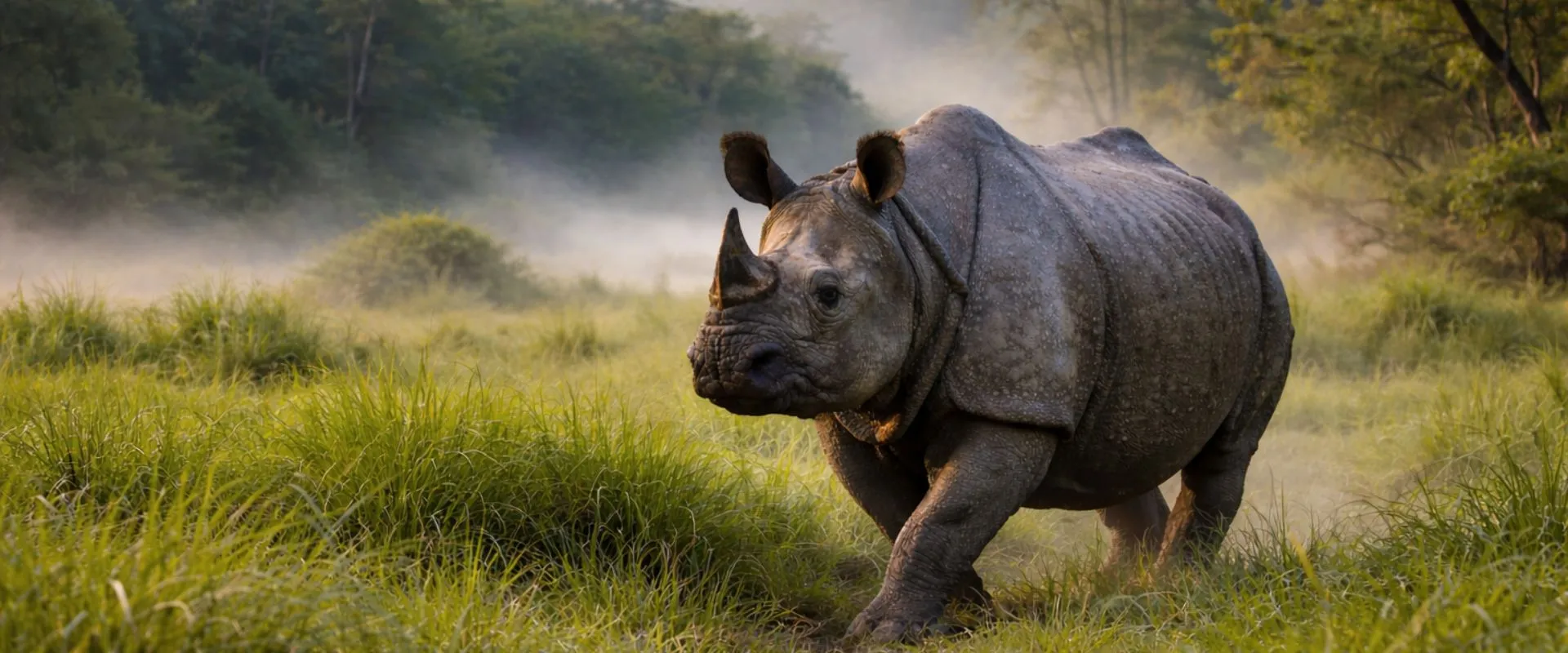
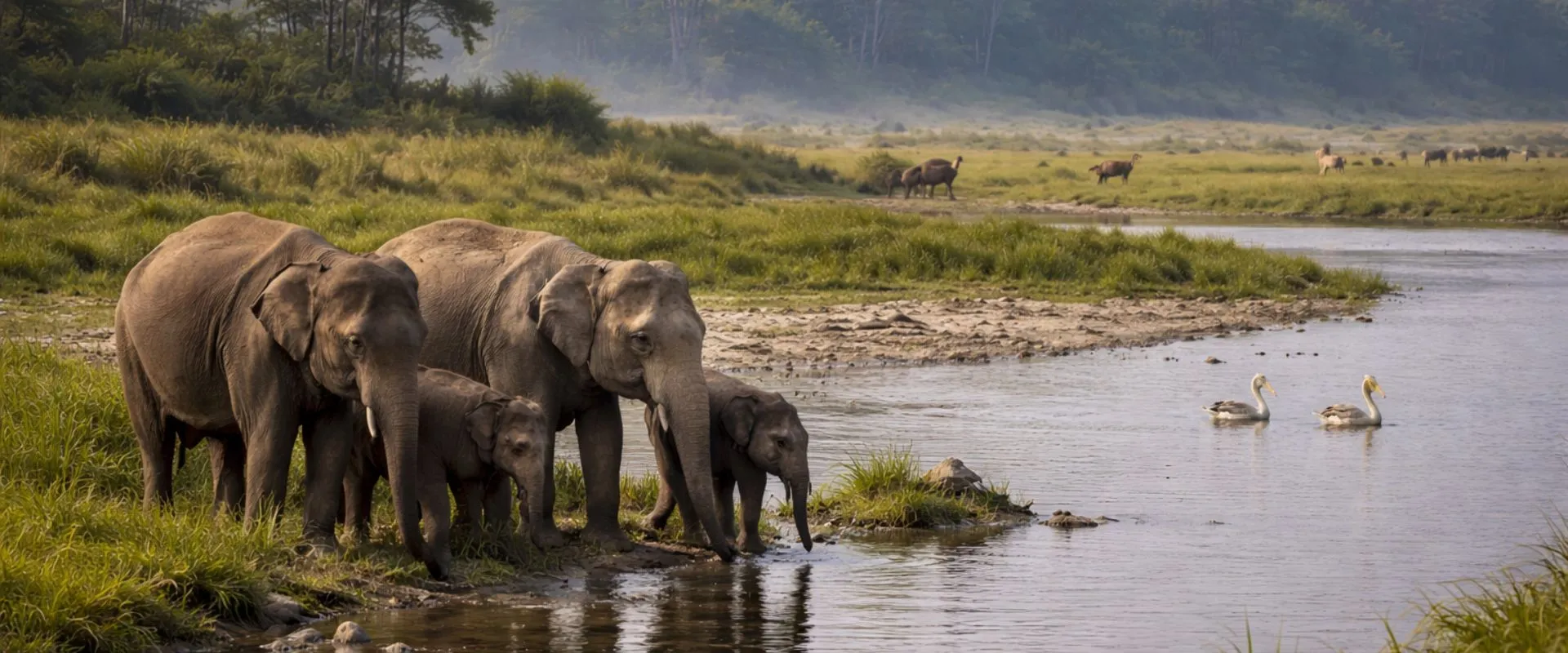
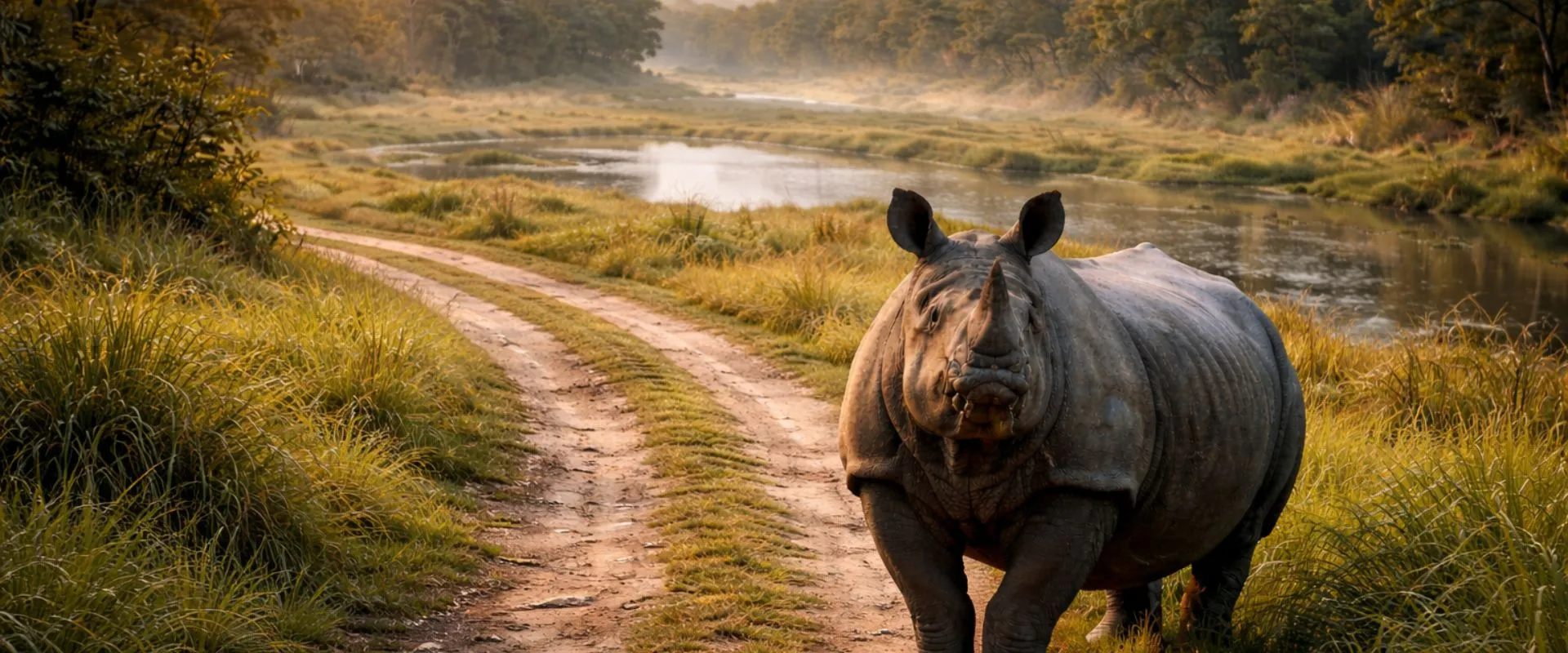
The Dubri Zone is located within the sanctuary area of Sanjay Dubri Tiger Reserve, featuring relatively plain terrain that provides excellent visibility and wildlife viewing opportunities. Named after the historic Dubri village, this zone offers accessible safari experiences with gentle topography, open landscapes, and consistent wildlife sightings, making it particularly suitable for landscape photography, herbivore observation, and visitors seeking comfortable safari conditions.

What to Expect:

  • The zone features relatively plain terrain with mixed forest types, extensive grassland patches, and gentle undulations.
  • Safari routes traverse open areas alternating with forest edges, providing excellent visibility across distances.
  • The landscape includes meadows, scattered tree clusters, seasonal water sources, and natural salt licks attracting herbivores.
  • The plain character means less physical strain compared to hillier zones, suitable for all fitness levels and age groups.

Wildlife Highlights:

  • Herbivore Paradise: Dubri’s plain terrain and abundant grasslands support large populations of spotted deer (chital), sambar deer, nilgai, four-horned antelopes, and wild boars. The open landscape allows observation of herbivore social dynamics, feeding behaviors, and anti-predator strategies.
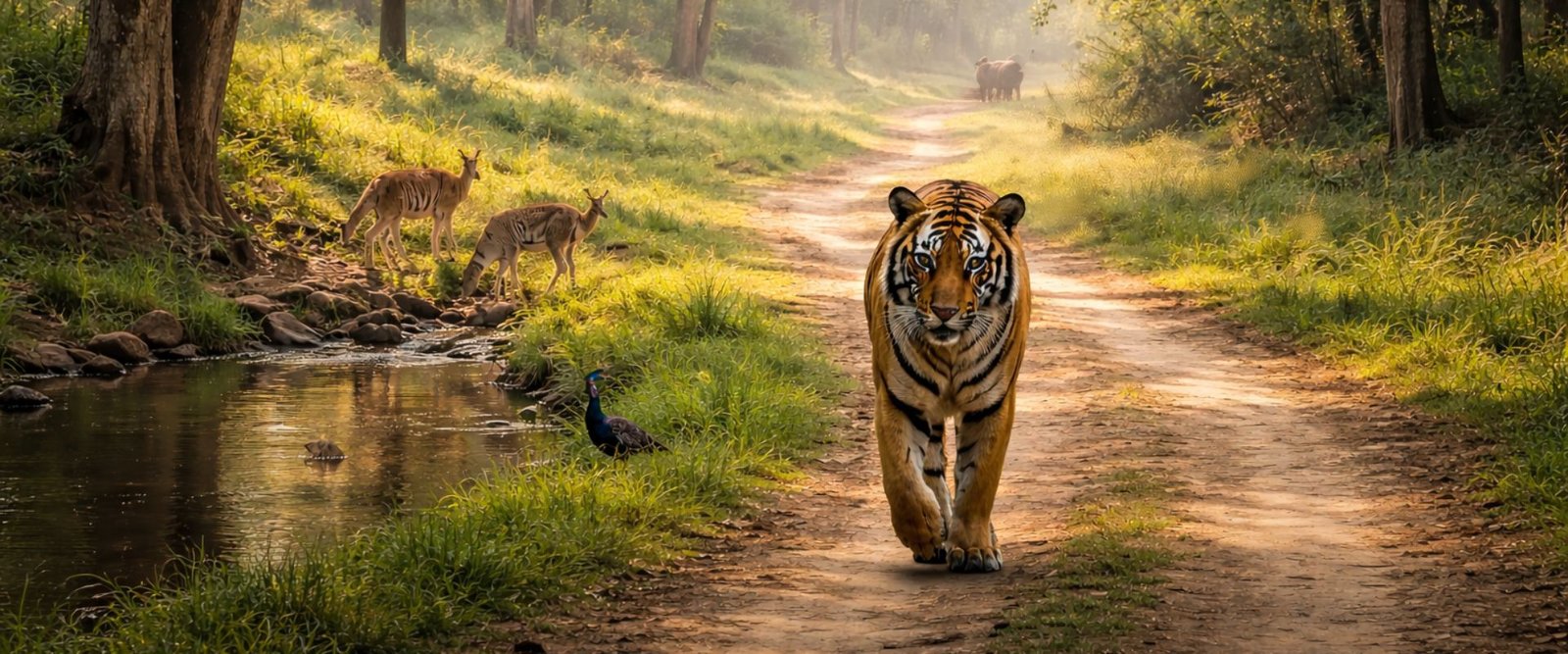
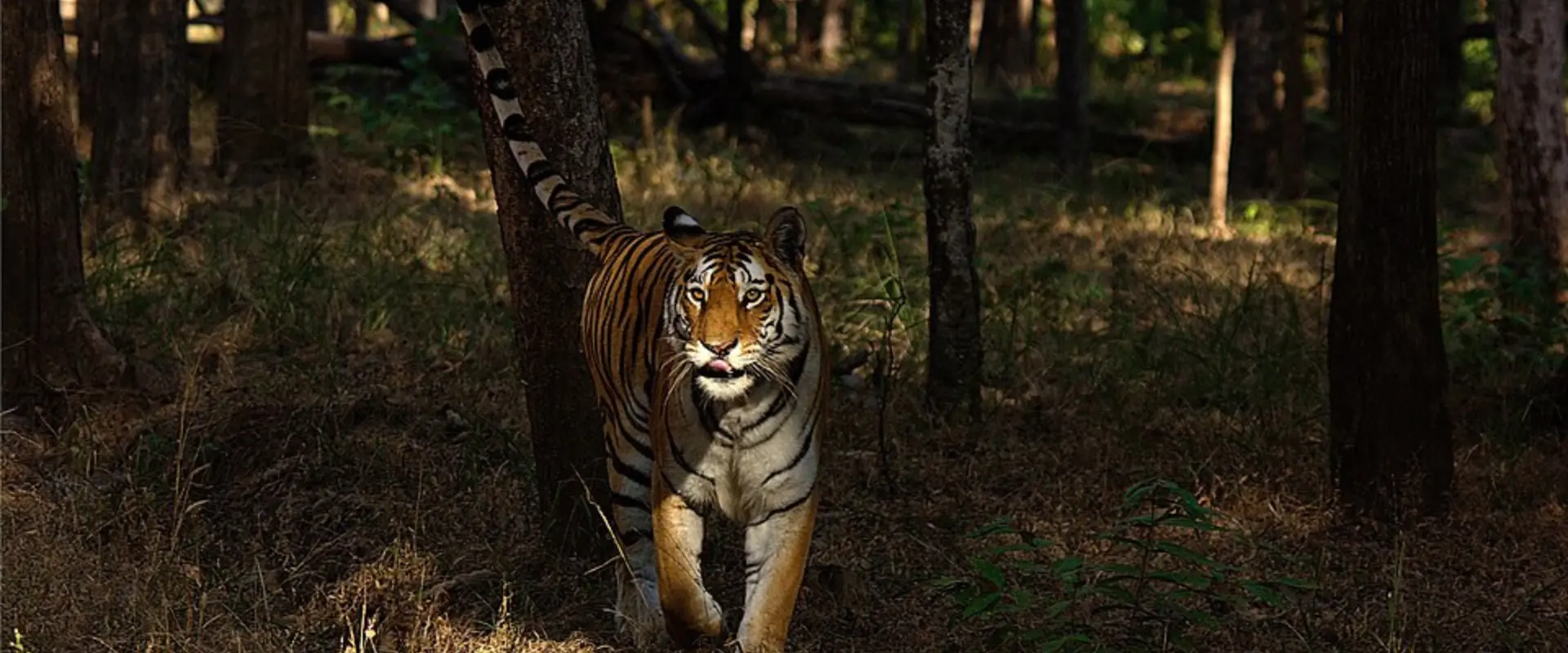
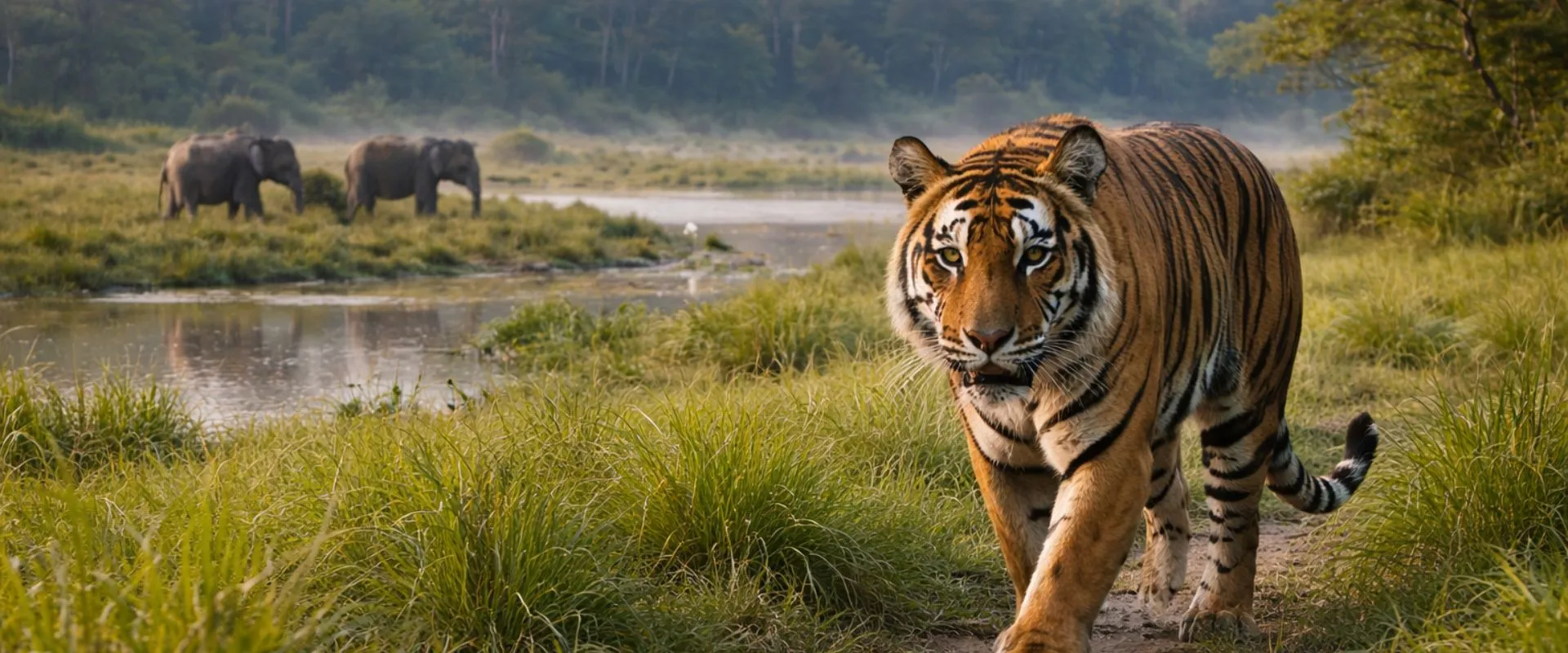
  • Tigers: Resident tigers patrol the zone, particularly near water sources and areas with high prey concentrations. The plain terrain occasionally allows long-distance tiger viewing across open grasslands—rare opportunities for observing tiger movement patterns.
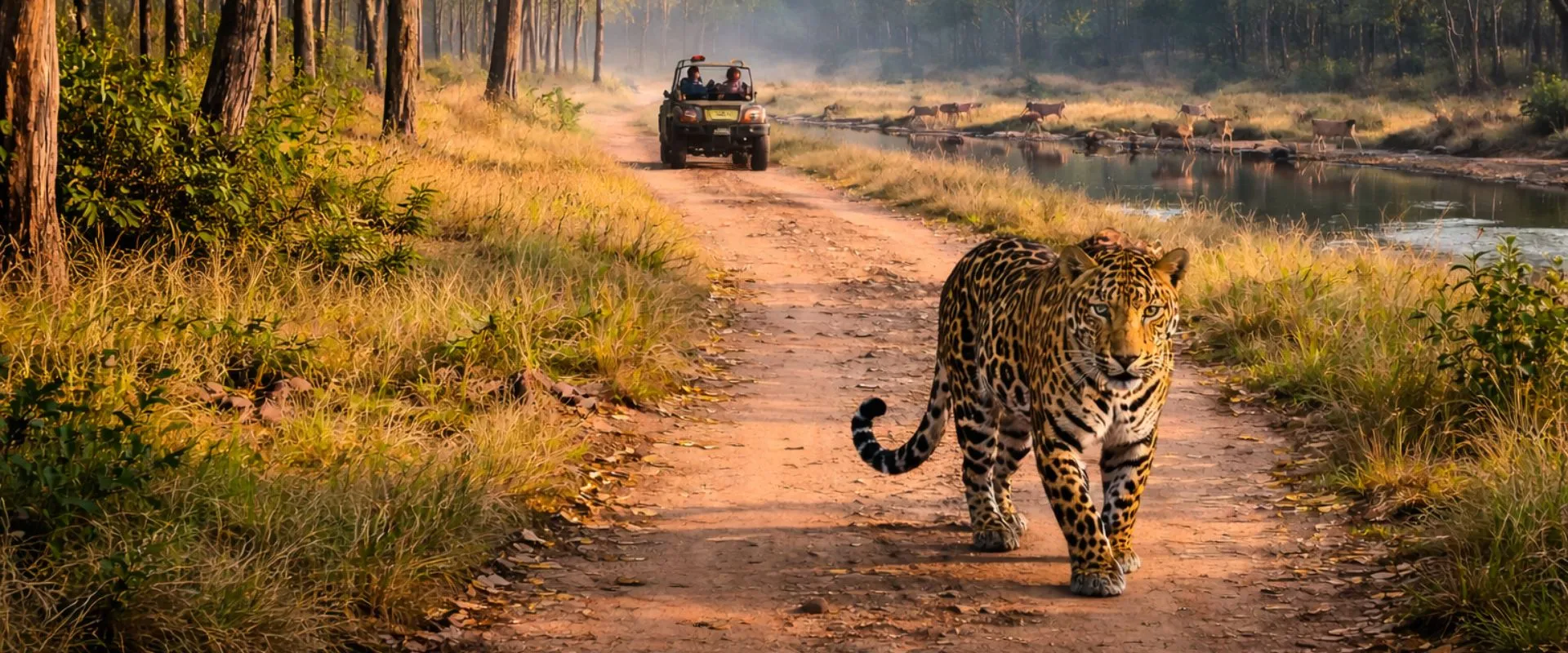
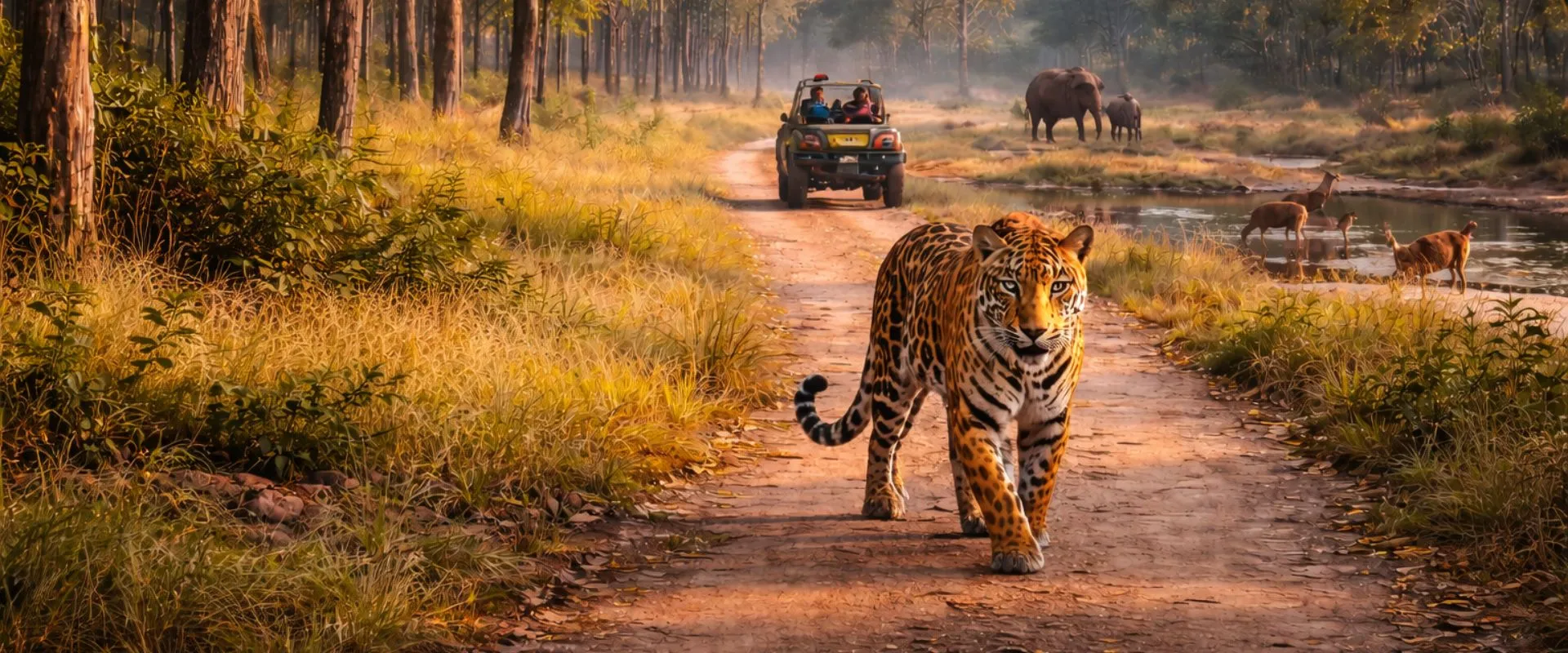
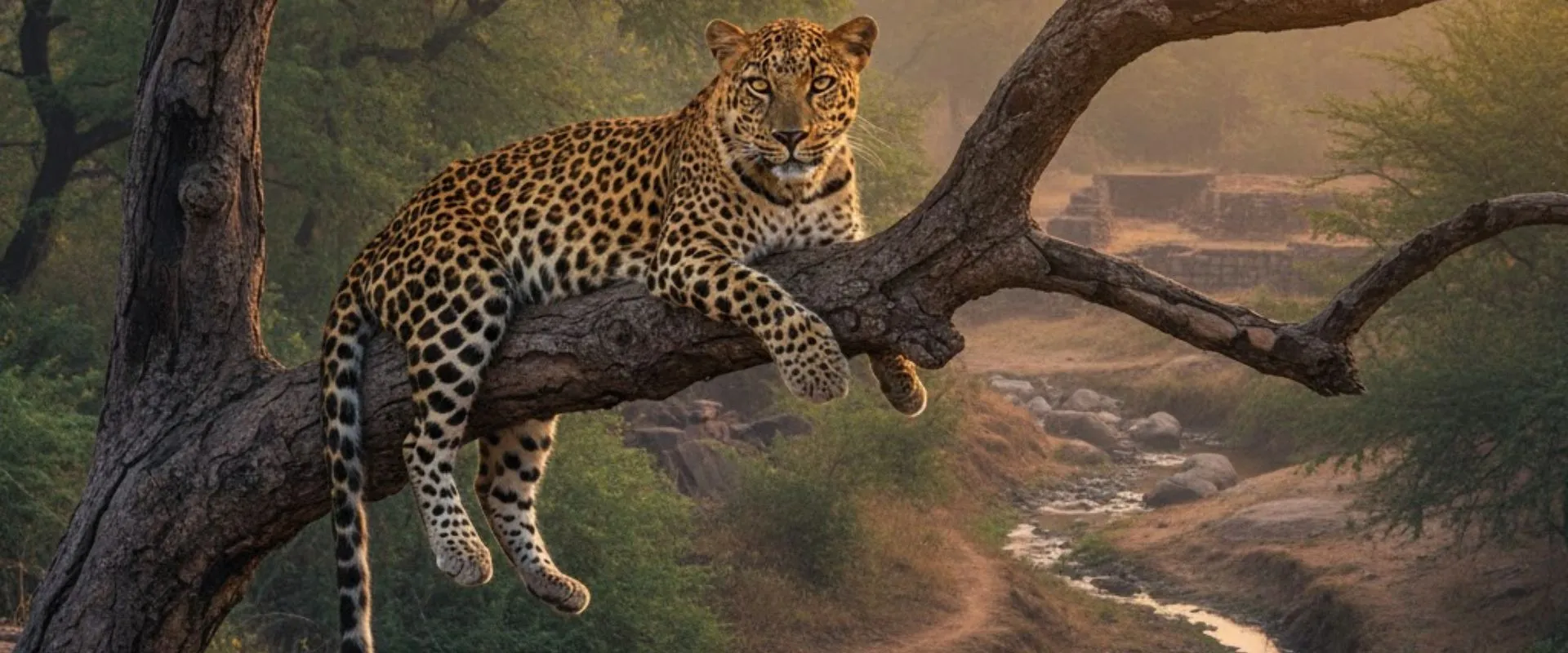
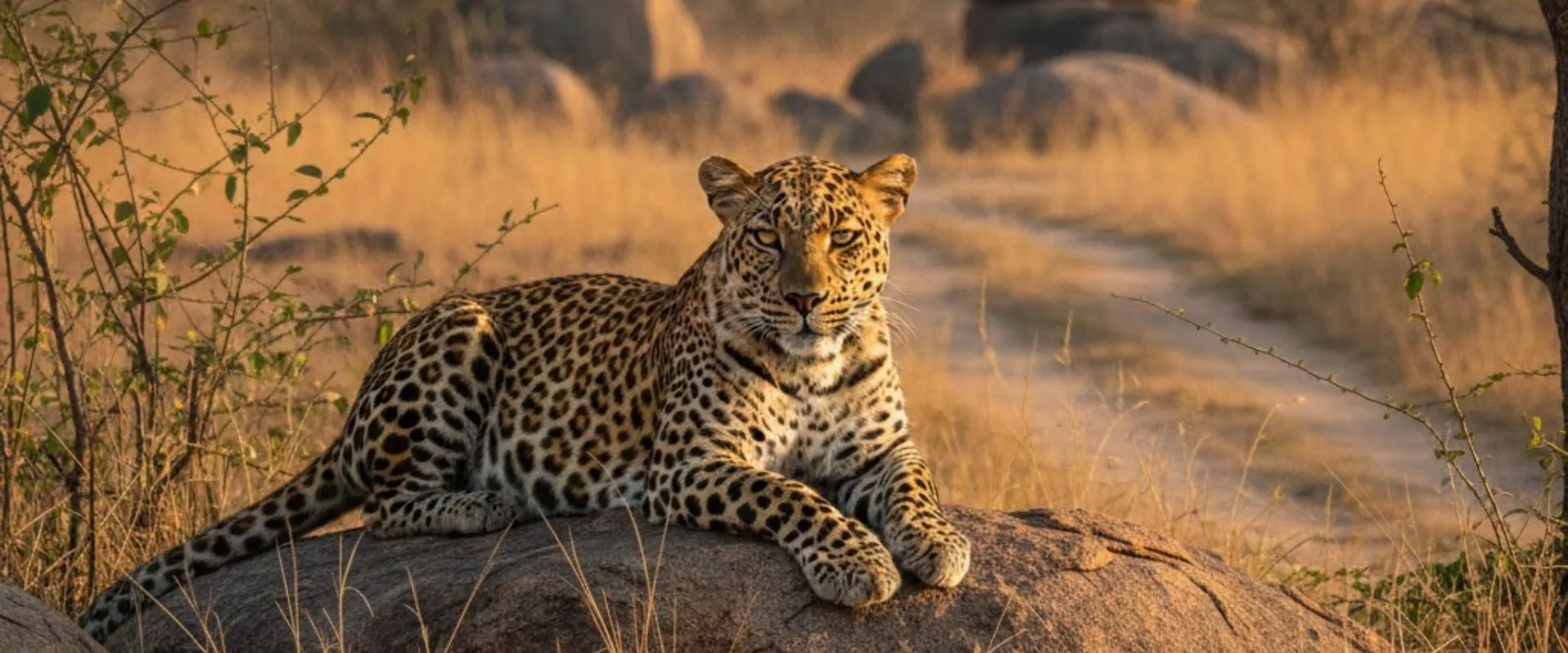
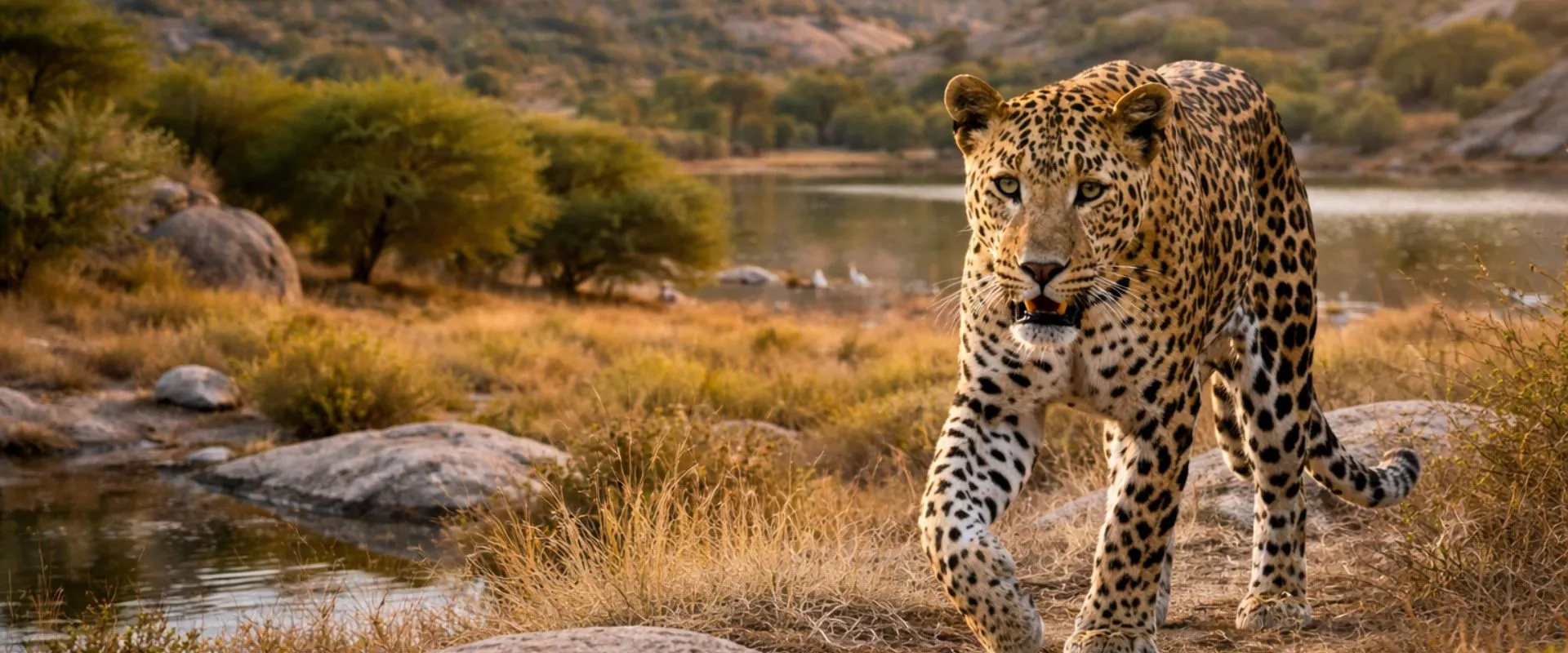
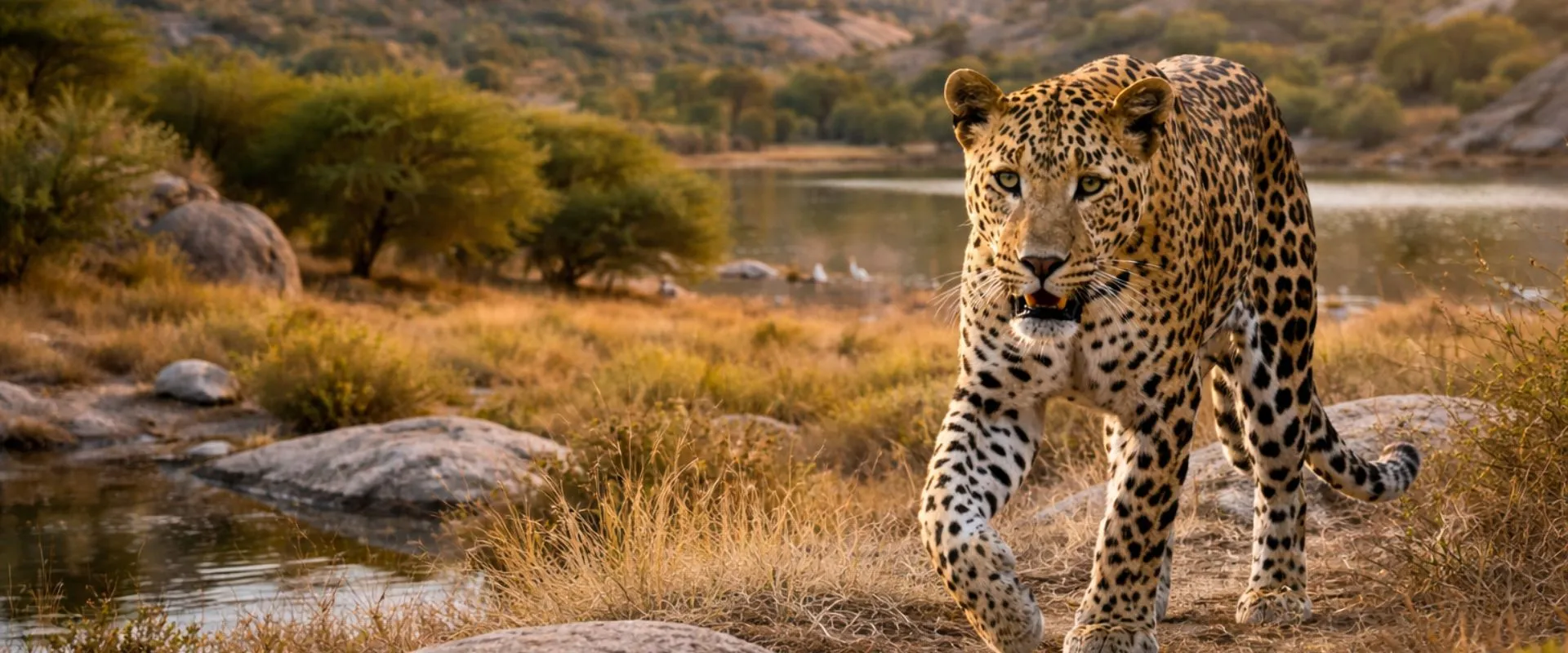
  • Leopards: Present throughout, utilizing forest edges and isolated tree clusters. The open character means leopards are sometimes spotted moving between cover areas during early morning or late evening hours.
  • Gaur (Indian Bison): Herds graze in grasslands and forest edges. The plain terrain provides spectacular opportunities to observe these massive animals against open landscape backgrounds.
  • Indian Wolves: Dubri occasionally hosts Indian wolves in grassland areas—a rare sighting opportunity as wolves are uncommon in most tiger reserves.
  • Sloth Bears: Spotted foraging in areas with termite mounds and fruiting trees.
  • Wild Dogs (Dholes): Packs occasionally hunt across open grasslands, providing spectacular chase sequences visible across distances.
  • Birdlife: Grassland specialists including larks, pipits, bee-eaters, and various raptors including eagles and harriers. The open terrain benefits bird watching with clear sightlines.

Best Features:

  • Relatively plain terrain provides excellent visibility—long-distance wildlife spotting opportunities.
  • Ideal for landscape photography with sweeping vistas and wildlife in environmental contexts.
  • Comfortable safari experience suitable for families, elderly visitors, and those preferring gentler terrain.
  • Excellent herbivore viewing—understanding prey species ecology and behaviors.
  • Occasional wolf sightings—unique opportunity not available in most reserves.
  • Good for observing predator-prey interactions across open landscapes.
  • Sunrise and sunset photography with dramatic skies and wildlife silhouettes.

Safari Experience: 

Dubri Zone safaris offer distinctive experiences emphasizing landscape appreciation alongside wildlife viewing. The open character creates different dynamics compared to denser forest zones—wildlife is often visible at greater distances, requiring binoculars for detailed observation, but allowing understanding of animal movements and behaviors across larger spatial scales.

Morning safaris feature stunning dawn light illuminating grasslands with golden hues. Chital herds, sometimes numbering hundreds, graze peacefully across meadows, their spotted coats creating beautiful patterns. Sambar stags with impressive antlers stand as sentinels, scanning surroundings for predators. The open terrain allows observing how herbivores position themselves strategically—maintaining sight lines to detect threats while accessing quality grazing areas.

The zone’s plain character benefits predator observation when sightings occur. Tigers crossing open areas must balance speed with energy conservation, as grasslands offer less cover for stalking prey. Watching tigers navigate open terrain demonstrates their adaptability—sometimes moving confidently when prey is distant, other times using subtle depressions and scattered vegetation for concealment during stalking approaches.

Dubri’s water sources become focal points during dry seasons. Unlike forested zones where water holes are hidden in vegetation, Dubri’s open water bodies are visible across distances, allowing observation from multiple vantage points. The lack of concealing vegetation means animals approaching water must remain highly vigilant, creating fascinating behavioral observations.

Birdwatching in Dubri benefits enormously from open terrain. Raptors soar on thermals, clearly visible against skies. Grassland specialists like larks and pipits display territorial behaviors. The absence of dense canopy means bird movements are easier to track, and photography opportunities improve with clear backgrounds.

The rare possibility of wolf sightings adds special excitement. Indian wolves prefer open grasslands and scrublands, making Dubri’s terrain ideal. These elusive canids hunt in packs, and observing their coordination across open areas provides insights into wolf ecology rarely available in most Indian wildlife destinations.

Best Time to Visit:

  • November to March: Ideal weather with comfortable temperatures (12-28°C); perfect for extended safaris. Pleasant conditions make observation comfortable. Excellent for family visits.
  • April to June: Summer months (30-42°C) offer good wildlife sightings near water sources. Open terrain provides less shade; early morning safaris essential. Wildlife activity concentrates around limited water availability.
  • October: Post-monsoon period with lush green landscapes. The zone looks spectacular, though wildlife is more dispersed due to abundant water throughout the area.

Visitor Tips:

  • Binoculars Essential: Open terrain means animals may be spotted at considerable distances. Quality long-distance binoculars (10×42 or 10×50) recommended.
  • Photography Equipment: Wide-angle to long telephoto range (24-500mm) useful. Landscape photography opportunities alongside wildlife shots. Tripods or stabilization helpful for distant subjects.
  • Sun Protection Critical: Open grasslands mean more sun exposure. Carry hats, sunglasses, high SPF sunscreen, and protective clothing.
  • Hydration Important: Limited shade during midday; stay well-hydrated.
  • Patience for Distant Sightings: Wildlife may be visible far away; patience and willingness to observe from distances rewarding.
  • Landscape Appreciation: Value the zone’s scenic beauty alongside wildlife sightings.
  • Wolf Awareness: If fortunate enough to spot wolves, maintain distance and silence for extended observation.

Who Should Visit Dubri Zone:

  • Wildlife photographers seeking landscape-wildlife compositions
  • Herbivore enthusiasts interested in prey species ecology
  • Families wanting comfortable, accessible terrain
  • Elderly visitors or those preferring gentler physical conditions
  • Birdwatchers interested in grassland specialists
  • Visitors hoping for rare wolf sightings
  • Those appreciating open landscapes and panoramic views

Why Choose Dubri Zone: 

Dubri Zone proves that wildlife experiences extend beyond dense jungle mystique. The zone’s plain terrain creates different but equally valuable encounters—long-distance wildlife observation, landscape appreciation, herbivore ecology understanding, and rare species like wolves. For visitors seeking comfortable conditions, spectacular landscapes, and wildlife viewing without challenging terrain, Dubri delivers rewarding experiences showcasing Sanjay Dubri’s ecosystem diversity.

Book your Jungle Experiences along with Safaris & Local Activities

Related Safari Zones

Amagarh Zone

Amagarh Zone

Amagarh Zone The Amagarh Zone is a buffer area known for its hilly terrain and dense vegetation, offering challenging but rewarding safari experience...

Jhalana Zone 2

Jhalana Zone 2

Jhalana Zone 2 Jhalana Zone 2 offers alternative safari routes within the Jhalana reserve, featuring similar terrain with different vantage points. ...

Jhalana Zone 1

Jhalana Zone 1

Jhalana Zone 1 Jhalana Zone 1 is part of Jhalana Leopard Conservation Reserve near Jaipur, known as an urban wildlife sanctuary with high leopard den...

Jawai Zone

Jawai Zone

Jawai Zone The Jawai Zone is famous for its unique landscape of granite hills and leopard conservation, though it's actually a separate wildlife area...

Jeewada Zone

Jeewada Zone

Jeewada Zone The Jeewada Zone is a remote buffer area offering untouched wilderness and excellent opportunities for spotting elusive wildlife. Wha...

Kothar Zone

Kothar Zone

Kothar Zone The Kothar Zone is a pristine wilderness area within the park, known for its rugged terrain and dense sal forests. What Makes Kothar S...

Sena Zone

Sena Zone

Sena Zone The Sena Zone is a peripheral buffer area characterized by mixed forests and agricultural borders, providing a unique blend of wildlife hab...

Bera Zone

Bera Zone

Bera Zone The Bera Zone is a wildlife corridor and transition area of the national park, offering diverse landscapes from open grasslands to dense fo...

Harsa/Khajurikudar Zone

Harsa/Khajurikudar Zone

These buffer zones expand safari opportunities beyond the core areas and include small grasslands, seasonal water bodies, and forest patches. What ...

Jhinna Zone

Jhinna Zone

The Jhinna Zone is a buffer and fringe area of Panna National Park, known for quiet safari trails and nocturnal wildlife opportunities. What Makes ...

Akola Zone

Akola Zone

The Akola Zone is part of the park’s buffer area, providing a peaceful safari with mixed habitats including grasslands, dry forests, and small water...

Hinouta Zone

Hinouta Zone

The Hinouta Zone is a core area with undulating terrain, rocky outcrops, and dense forests, providing a quieter safari experience. What Makes Hinou...