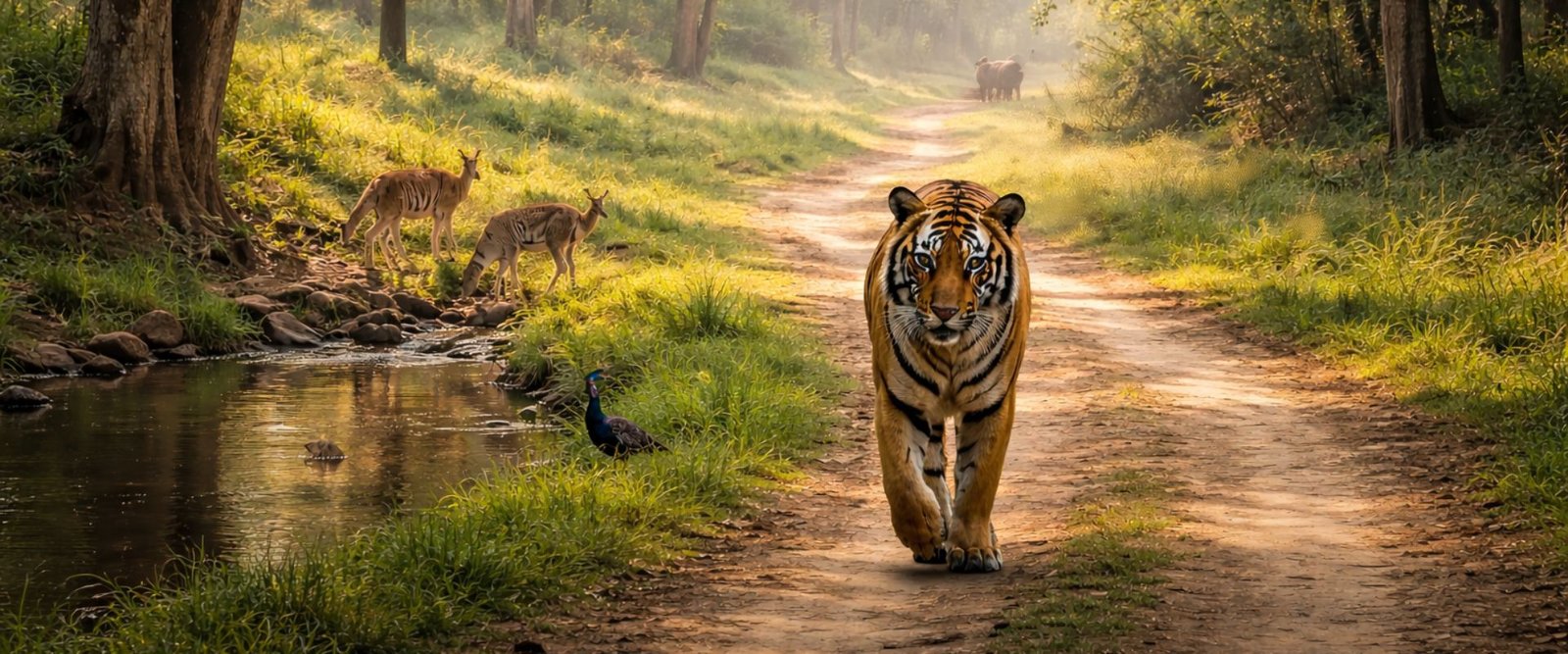
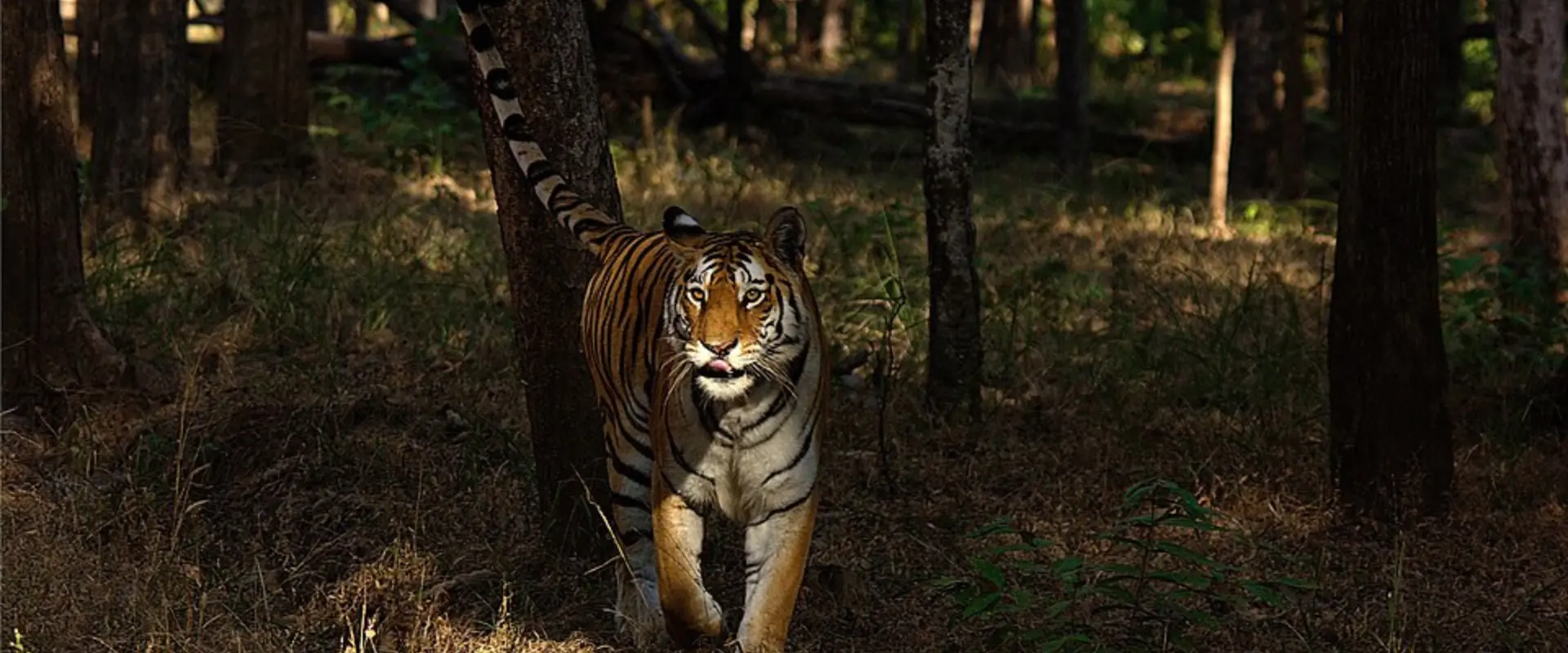
Pipariya Zone – Satpura Tiger Reserve
The Pipariya Zone is a buffer zone of Satpura Tiger Reserve particularly renowned for its excellent birdwatching opportunities and diverse avian habitats. Located in the peripheral areas of the reserve, this zone offers a specialized experience for ornithology enthusiasts while also providing general wildlife viewing. The zone’s varied landscape—from riparian areas to forest edges—creates ideal conditions for observing resident and migratory bird species throughout the year.
What to Expect:
- The zone features diverse habitats including riverine areas, mixed forests, grassland edges, and wetland patches.
- Safari routes pass through varied terrain specifically beneficial for bird diversity.
- The landscape includes water bodies, forest clearings, agricultural buffer zones, and natural corridors.
- Quieter atmosphere compared to main zones, perfect for the patience required for birdwatching.
- Mix of buffer zone accessibility with authentic natural character.
Wildlife Highlights:
Birdlife (Primary Attraction – 100+ Species):
- Water Birds: Kingfishers (common, white-throated, pied), pond herons, cattle egrets, cormorants, dabbling ducks (seasonal)
- Raptors: Crested serpent eagles, changeable hawk-eagles, black kites, shikras, spotted owlets
- Forest Species: Malabar pied hornbills, Indian grey hornbills, white-cheeked barbets, various woodpeckers (golden-backed, yellow-crowned, brown-capped)
- Colorful Species: Indian rollers, green bee-eaters, paradise flycatchers, Indian pittas (seasonal), sunbirds
- Terrestrial Birds: Grey junglefowl, painted spurfowl, red spurfowl, jungle bush quail
- Vocal Species: Coppersmith barbets, Asian koels, common hawk-cuckoos, various bulbuls
- Migratory Birds (Winter): Warblers, flycatchers, wagtails, pipits (October-March)
- Wetland Specialists: Pond herons, painted storks (if wetlands present), jacanas, stilts
Mammals:
- Herbivores: Spotted deer, sambar, barking deer, nilgai, wild boars
- Small Carnivores: Jungle cats, civets, mongooses—more visible than in core zones
- Primates: Langur troops, rhesus macaques
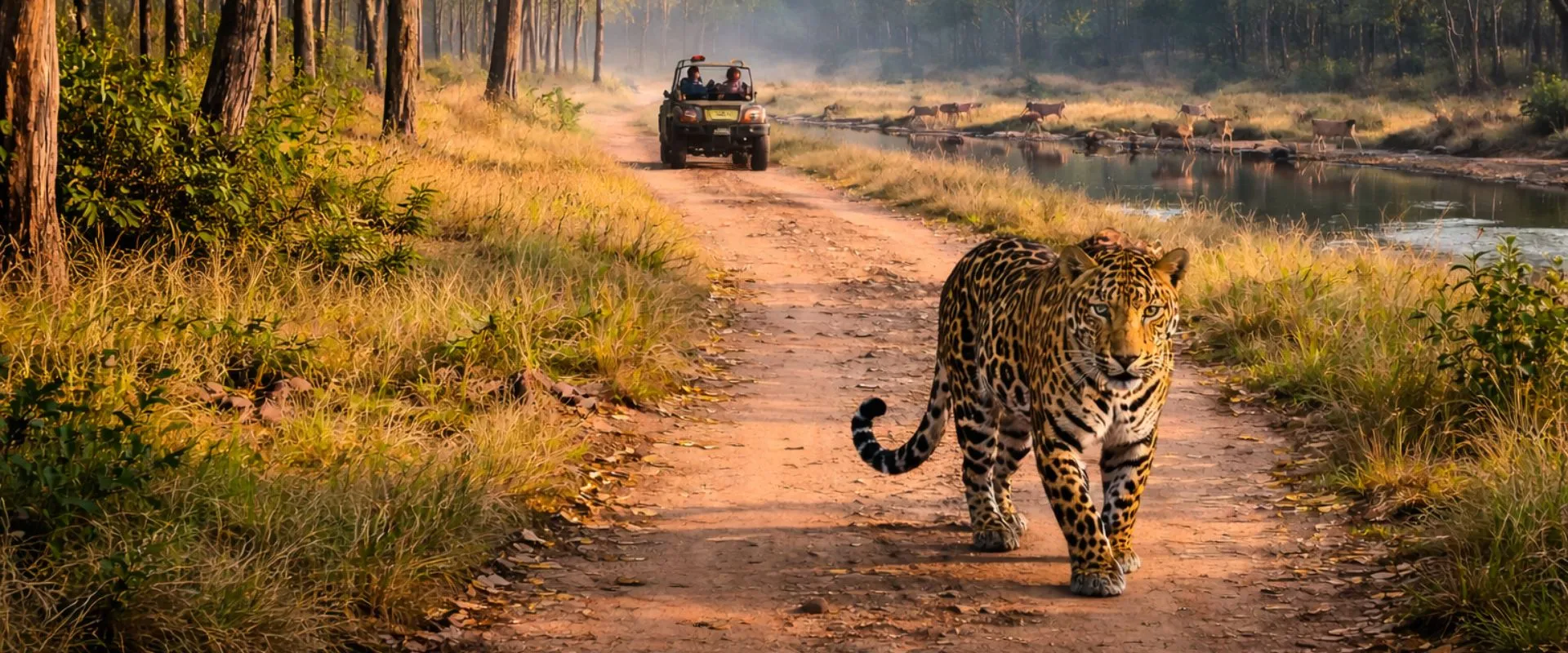
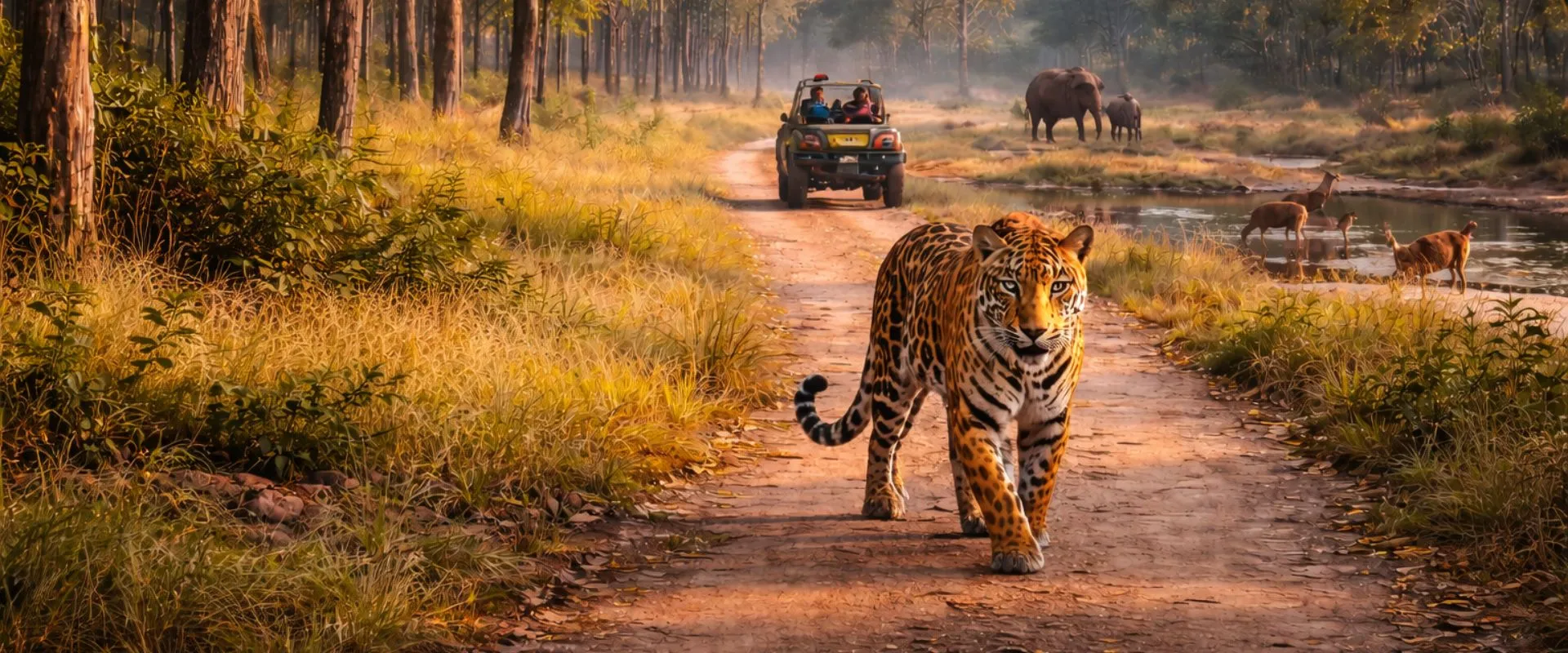
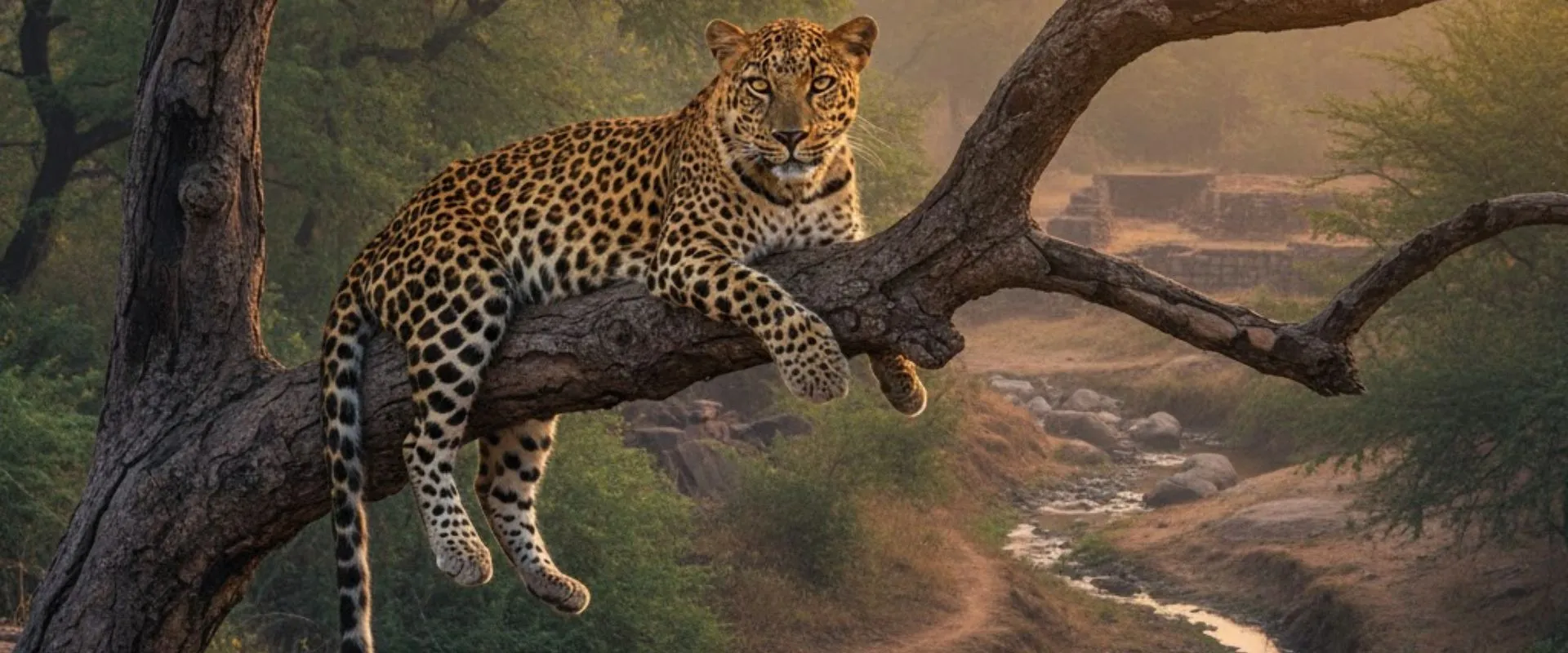
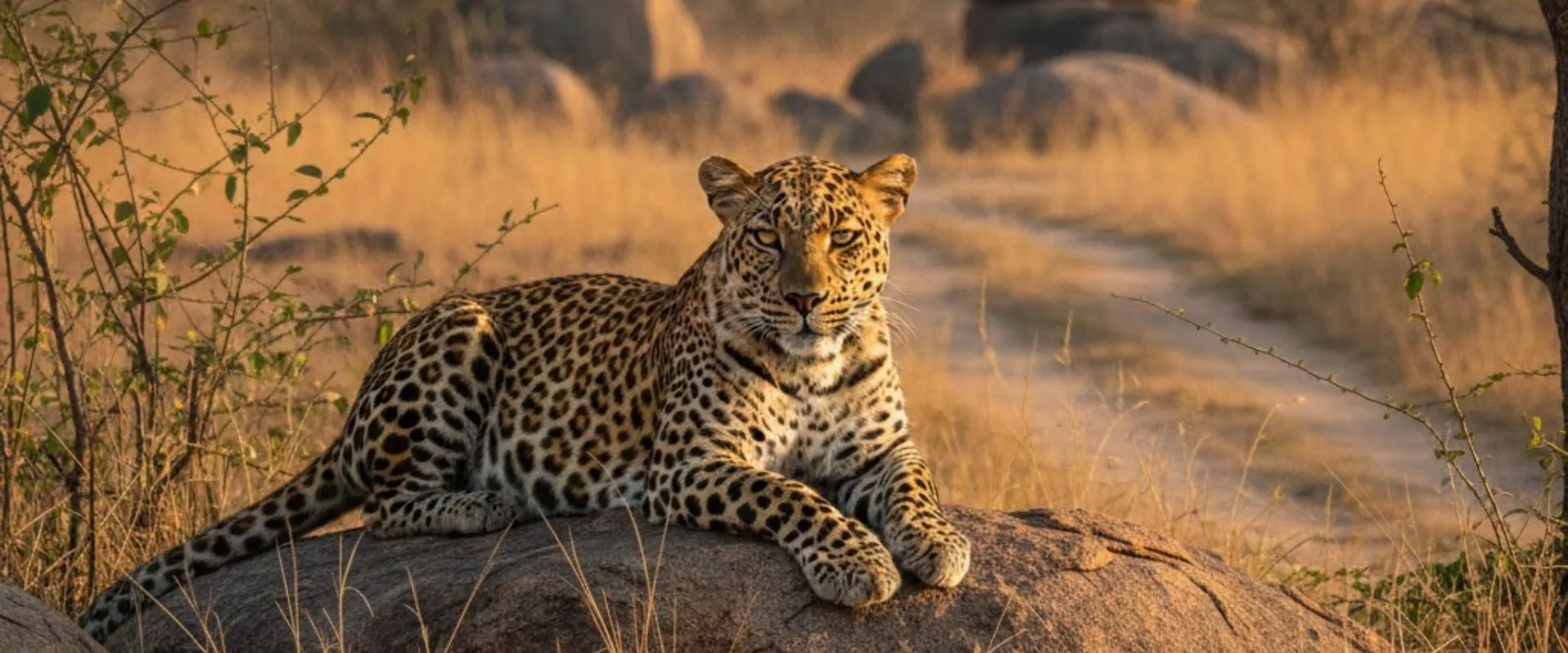
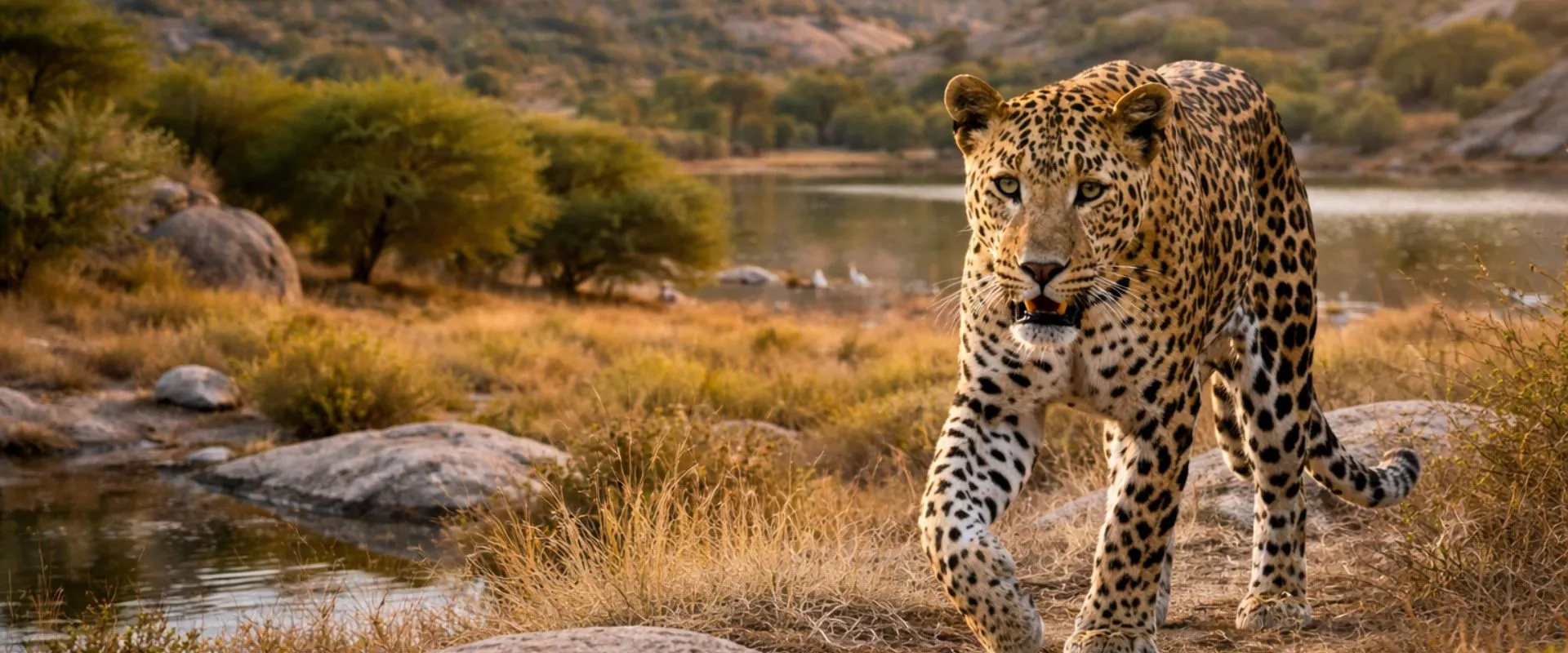
- Occasional Visitors: Leopards and wild dogs pass through from adjacent zones
Reptiles and Amphibians:
- Various snake species, monitor lizards, frogs, and toads—especially near water sources
Best Features:
- Premier birdwatching destination within Satpura—specialized habitat diversity.
- Over 100 bird species recorded—excellent for serious birders and casual observers.
- Water sources attract diverse avian communities unavailable in drier zones.
- Quieter environment allows careful listening for bird calls and songs.
- Excellent for bird photography with good light and varied perching opportunities.
- Educational value for understanding habitat-species relationships.
- Year-round birding with seasonal variation—residents plus winter migrants.
Safari Experience:
Pipariya Zone safaris cater specifically to birdwatching enthusiasts, though general wildlife viewing remains rewarding. The pace differs from core zone safaris—less vehicle movement, more stopping to observe, and emphasis on careful listening for bird calls.
Morning safaris are particularly productive as dawn chorus fills the forest with songs. Identifying species by calls becomes as important as visual observation. Experienced guides familiar with bird vocalizations help locate species—a distant hornbill’s call, a woodpecker’s drumming, or a pitta’s distinctive whistle guides observation efforts.
The zone’s water bodies are avian hotspots. Kingfishers perch on overhanging branches diving for fish, herons stalk shallows for prey, and various waterfowl feed and rest. Patient observation reveals fascinating behaviors—fishing techniques, territorial disputes, and courtship displays.
Forest edges and clearings host different bird communities. Raptors perch on exposed dead trees scanning for prey, bee-eaters sally from perches catching insects, and sunbirds probe flowers for nectar. Understanding how different species exploit different ecological niches deepens appreciation for ecosystem complexity.
Migratory season (October-March) adds extra excitement as winter visitors supplement resident species. Warblers flit through undergrowth, flycatchers hawk insects from mid-canopy, and mixed-species foraging flocks move through forests creating birding bonanzas with multiple species observable simultaneously.
The zone’s quieter character benefits birdwatching. Without multiple vehicle engines and tourist chatter, subtle bird calls become audible. This peaceful atmosphere allows the meditative quality of birdwatching—patient observation, careful listening, and appreciation of nature’s subtler beauties.
Mammal watching remains good despite bird focus. Spotted deer herds graze in clearings, sambar emerge from forest edges, and wild boar sounders provide entertainment. The zone demonstrates that wildlife diversity extends beyond charismatic megafauna—birds, small mammals, reptiles, and amphibians contribute equally to ecosystem health.
Best Time to Visit:
- October to March: Ideal for birdwatching. Pleasant weather (12-28°C), resident species active, plus winter migratory birds increase diversity. Peak birding season with 100+ species possible.
- April to June: Summer months good for resident species and breeding behaviors. Some species become more vocal during breeding season. Water sources concentrate birds during dry periods.
- Early Morning Essential: Birds most active during first 2-3 hours after sunrise. Book earliest safari slots (6:30 AM) for best birding.
Birdwatching and Photography Tips:
- Binoculars Essential: Quality binoculars (8×42 or 10×42) are absolutely critical for birding. Invest in good optics.
- Field Guide: Carry bird identification guide specific to Central India.
- Photography Equipment:
- Telephoto lens (400-600mm) for bird photography
- Fast shutter speeds (1/1000s minimum) for sharp images
- Good low-light performance as forest birding involves darker conditions
- Stabilization essential for hand-held shooting
- Patience Critical: Birding requires stopping, waiting, and careful observation—different pace than mammal-focused safaris.
- Sound Recording: Consider recording bird calls for later identification.
- Note-Taking: Keep list of species observed with time, location, and behaviors.
- Trust Your Guide: Experienced naturalists know bird locations, calls, and seasonal patterns.
Photography Opportunities:
Pipariya Zone excels for:
- Bird portraits—varied species in natural settings
- Behavioral photography—feeding, displaying, interacting
- Flight shots—raptors soaring, kingfishers diving, bee-eaters hawking
- Habitat shots—birds in ecological context
- Water bird photography—reflections, ripples, fishing behaviors
- Macro opportunities—insects, butterflies, small reptiles
- Environmental bird portraits showing habitat relationships
Conservation and Educational Significance:
Pipariya Zone demonstrates that conservation protects entire ecosystems, not just charismatic megafauna. Bird diversity indicates habitat health—numerous species with varied ecological requirements suggest intact, functioning ecosystems. The zone provides:
- Habitat for resident and migratory bird populations
- Educational opportunities about ecosystem complexity
- Demonstration of buffer zone importance for biodiversity
- Economic justification for protecting varied habitat types
Visitor Tips:
- Specialized Safari: Inform your guide that birdwatching is your priority—pacing and strategy differ from general safaris.
- Extended Time: Request longer safari durations if available—serious birding requires time.
- Multiple Visits: Consider multiple safaris as bird activity varies daily and seasonally.
- Weather Considerations: Overcast days often increase bird activity; don’t assume sunny days are always best.
- Quiet Essential: Minimize noise—whisper, avoid sudden movements, turn off phone sounds.
- Combine Approaches: Balance focused birding with general wildlife appreciation for comprehensive experience.
Who Should Visit Pipariya Zone:
- Serious birdwatchers and ornithology enthusiasts
- Wildlife photographers specializing in bird photography
- Nature lovers appreciating biodiversity beyond mammals
- Educational groups studying ecosystem ecology
- Visitors seeking peaceful, contemplative nature experiences
- Those wanting to understand buffer zone conservation value
- Repeat visitors looking for specialized experiences beyond general safaris
Why Choose Pipariya Zone:
Pipariya Zone celebrates nature’s diversity beyond charismatic megafauna. While tigers and leopards captivate most visitors, birds comprise majority of vertebrate diversity and indicate ecosystem health. The zone shows that meaningful wildlife experiences encompass entire biological communities—not just large mammals. For visitors understanding that true nature appreciation requires looking up into canopies, listening to dawn choruses, and marveling at avian adaptations, Pipariya offers specialized experiences unavailable in mammal-focused zones. It’s Satpura’s gift to birders—proving that protected areas conserve complete ecosystems where every species matters.