| Price (Indian) | INR 3000 / - Jeep ( Maximum 6 Persons are allowed in ONE Jeep) |
| Price (Foreigner) | INR 6000 / Jeep ( Maximum 6 Persons are allowed in ONE Jeep ) |
| Zones | Giddha / Dubri / Bastua / Machmahua / Koilary |
| Timings | Morning 6:00 AM - 10:00 AM | Evening 3:00 PM - 6:30 PM (Safari Timing Varies as Season Changes) |
| Inclusions | Permission of SDTR, Jeep, Driver, Permit and All Entries & Taxes. Guide Fee to be paid by the guest on the spot directly. Pick & drop is not included from hotels. |
Sanjay Dubri Safari Booking: A Simple Guide for Your Adventure
Planning to go on a safari in Sanjay Dubri Tiger Reserve? This easy-to-follow guide will help you book your safari and get ready for an unforgettable experience in one of Madhya Pradesh’s hidden gems and most pristine wildlife destinations.
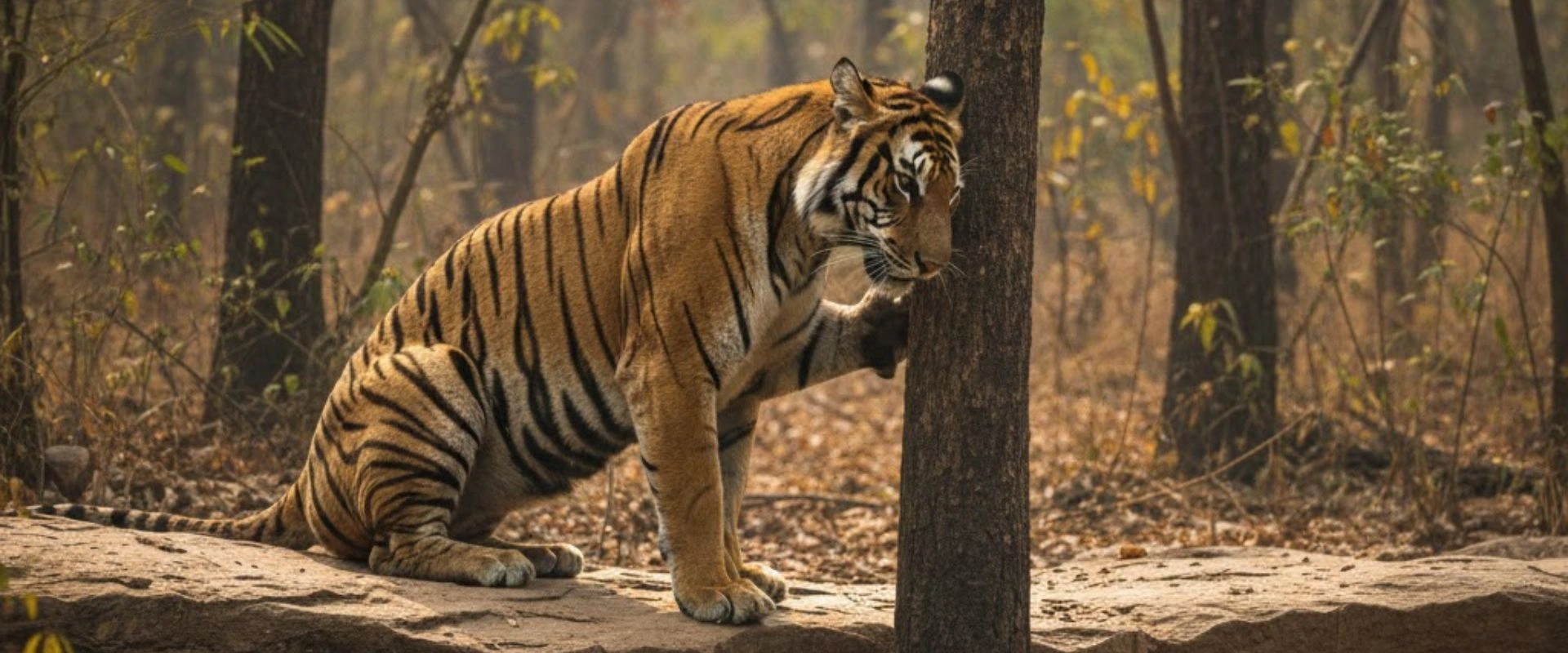
Sanjay Dubri Tiger Reserve, officially known as Sanjay-Dubri Tiger Reserve, is a spectacular wilderness spanning over 2,300 square kilometers across the Sidhi and Singrauli districts of Madhya Pradesh. Named after conservationist Sanjay Gandhi and the Dubri village, this reserve combines dense sal forests, bamboo groves, open grasslands, scenic valleys, and numerous streams, creating a thriving habitat for Bengal tigers, leopards, sloth bears, and diverse wildlife. Whether you’re a wildlife enthusiast, adventure seeker, or nature photographer, this guide will cover everything you need to know to plan the perfect Sanjay Dubri safari.
The park is open from October to June, with the best time to visit being between November and April, when the weather is pleasant and comfortable for wildlife safaris. During these months, you’ll enjoy moderate temperatures, clear skies, and excellent opportunities for spotting animals in open areas and near water sources.
For those eager to see more wildlife, including tigers, leopards, and sloth bears, visiting during March to June is ideal. As summer temperatures rise and water sources diminish, animals concentrate around remaining water holes and streams, making sightings more frequent and predictable. However, be prepared for warmer weather during these peak summer months, with temperatures reaching 35-42°C.
The park remains closed during the monsoon season (July to September) to allow the forest ecosystem to rejuvenate and for minimal human disturbance during the crucial breeding season. Post-monsoon months of October and November transform Sanjay Dubri into a lush green paradise with blooming wildflowers, cascading streams, and a refreshing atmosphere that creates perfect conditions for nature photography and birdwatching.
Sanjay Dubri offers immersive safari experiences that allow you to explore its rugged and pristine wilderness. The reserve’s relatively offbeat status means fewer crowds and more exclusive wildlife encounters.
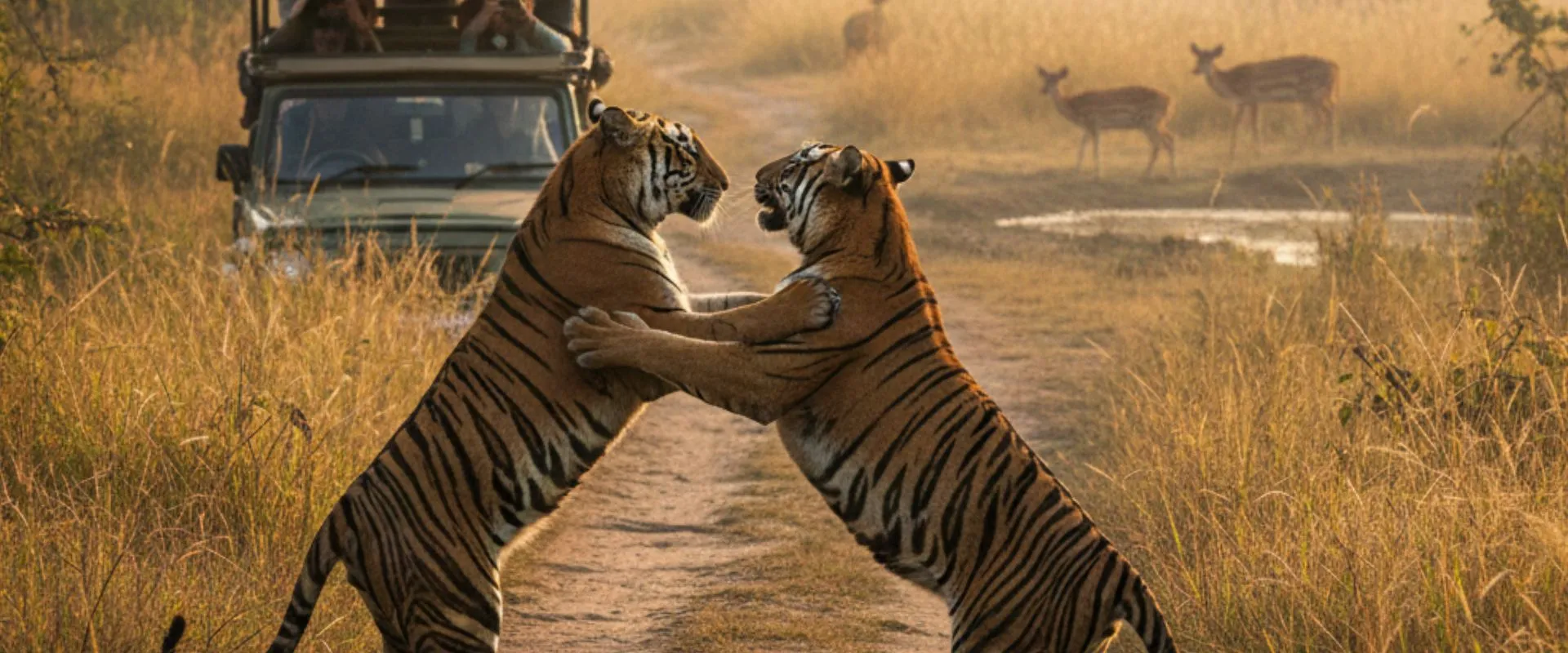
The Jeep safari is the primary and most effective way to explore Sanjay Dubri’s diverse landscapes. A Jeep can accommodate up to 6 people, taking you through dense sal forests, bamboo thickets, meadows, and along rocky terrain where you can spot tigers, leopards, sloth bears, gaur, four-horned antelopes, and numerous bird species. Jeep safaris provide intimate wildlife experiences with expert naturalists who understand animal behavior, tracking techniques, and the best locations for sightings based on recent wildlife activity.
Guided nature walks are available in designated buffer zones, offering opportunities to experience the forest at ground level. These walks allow you to observe smaller creatures, medicinal plants, bird species, and learn about forest ecology while enjoying the serenity of walking through pristine wilderness. Nature walks are conducted with armed guards and experienced naturalists for safety and educational value.
Here’s a detailed look at the timings and prices for safaris in Sanjay Dubri Tiger Reserve:
Jeep Safari:
Nature Walks:
Note: Safari timings may vary slightly based on seasonal daylight hours. It’s recommended to arrive at the entry gate 15-20 minutes before scheduled departure time.
Sanjay Dubri Tiger Reserve is divided into several safari zones, each offering distinct terrain, wildlife diversity, and natural beauty. Here are the primary safari zones:
Giddha is one of the primary tourism zones in Sanjay Dubri, known for excellent tiger sightings and diverse wildlife encounters. The zone features a mix of dense sal forests, bamboo groves, and open grasslands with seasonal water bodies that attract herbivores and predators alike. Giddha’s well-maintained safari trails, strategic viewpoints, and concentration of prey species make it ideal for spotting tigers, especially during early morning hours when they patrol their territories. The zone also offers good opportunities for leopard sightings, sloth bear encounters, and observing large herds of chital and sambar deer. As a primary tourism zone, Giddha provides excellent infrastructure and experienced guides familiar with wildlife movement patterns.
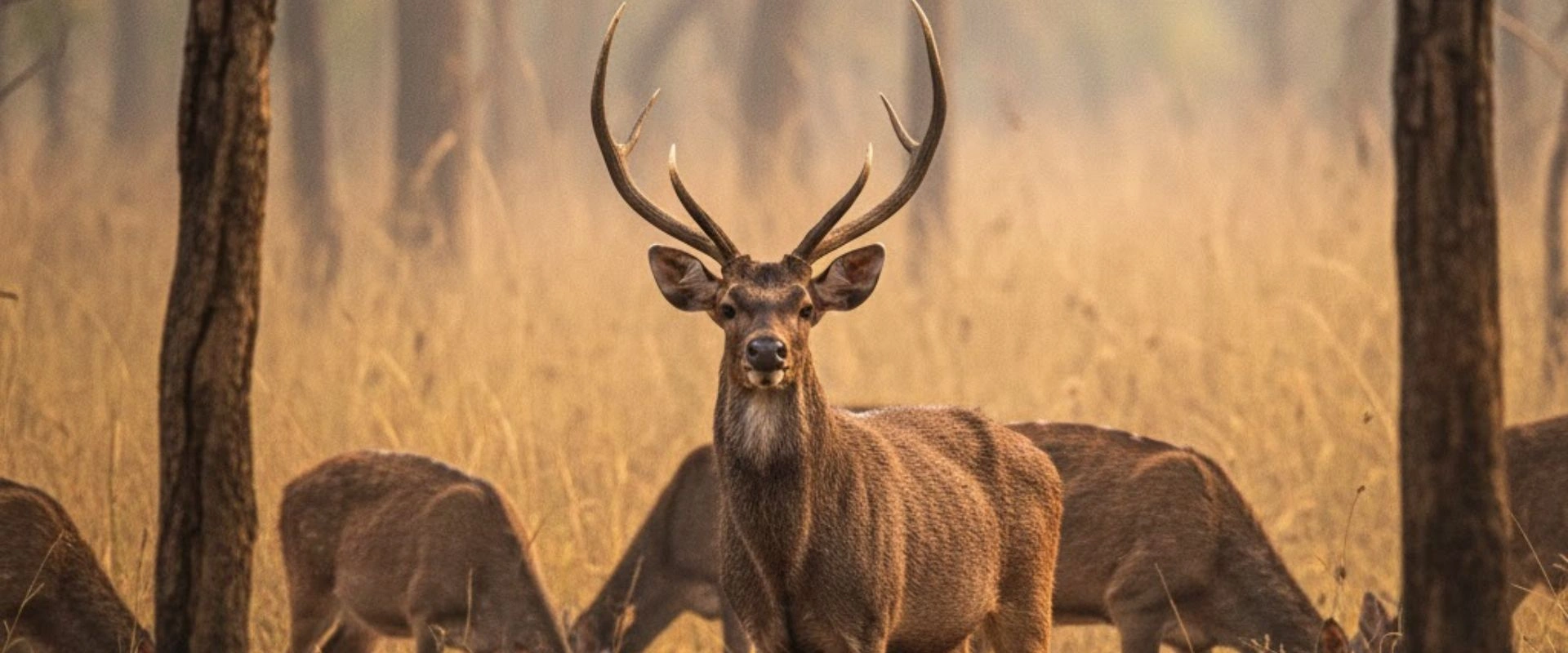
Dubri zone is located within the sanctuary area and features relatively plain terrain with mixed forest types and grassland patches. This zone is named after the Dubri village and offers a more accessible safari experience with gentle topography. The plain terrain provides excellent visibility for wildlife viewing, making it easier to spot herbivores like spotted deer, sambar, nilgai, and four-horned antelopes. Dubri is also productive for leopard sightings and occasional tiger encounters, particularly near water sources during summer months. The zone’s open character makes it ideal for landscape photography and observing animal behaviors in natural settings.
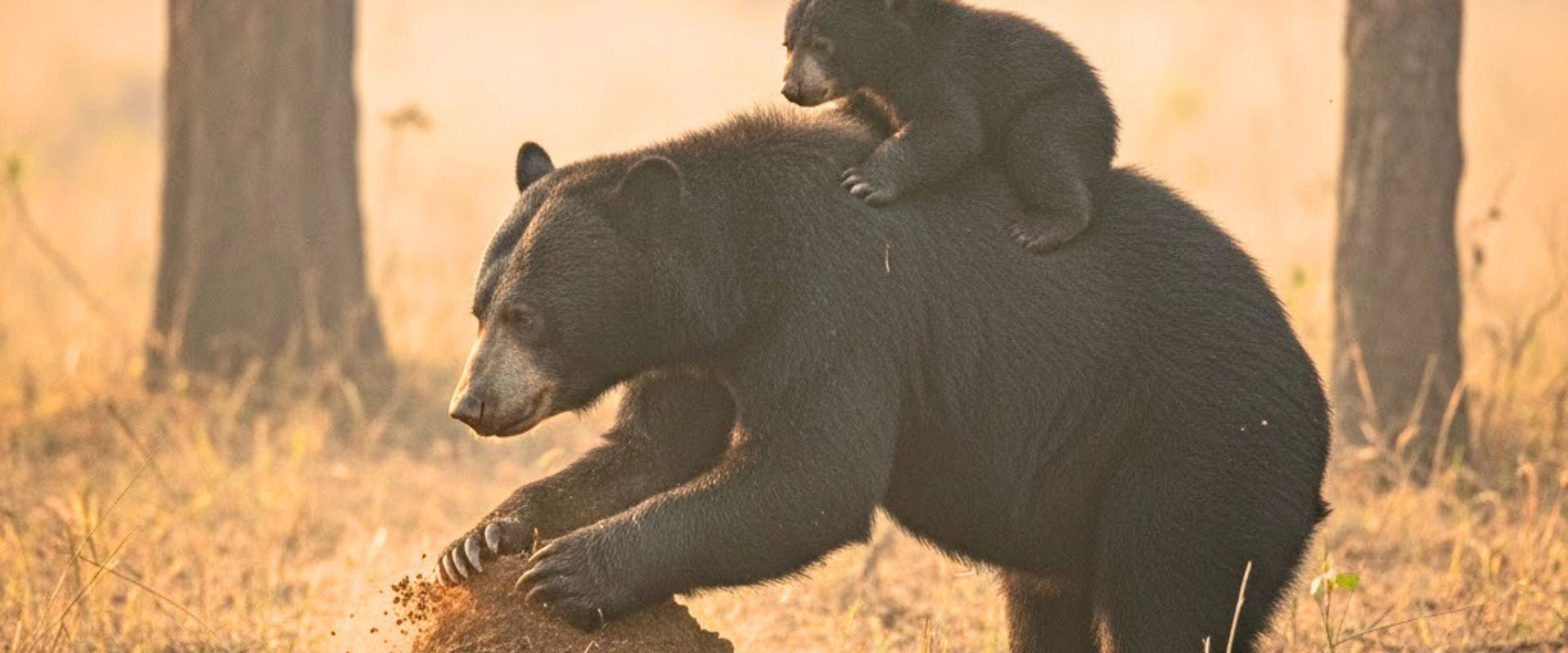
Bastua is a designated safari zone characterized by diverse habitat types including sal forests, bamboo thickets, and seasonal streams. This zone offers good opportunities for tiger sightings, particularly during summer months when tigers move between water sources and patrol their territories. Bastua is also known for sloth bear encounters, especially in areas with abundant termite mounds and fruiting trees. The zone supports healthy populations of herbivores providing the prey base for predators. Birdwatchers will appreciate Bastua’s varied habitats supporting numerous species including woodpeckers, hornbills, and various forest specialists.
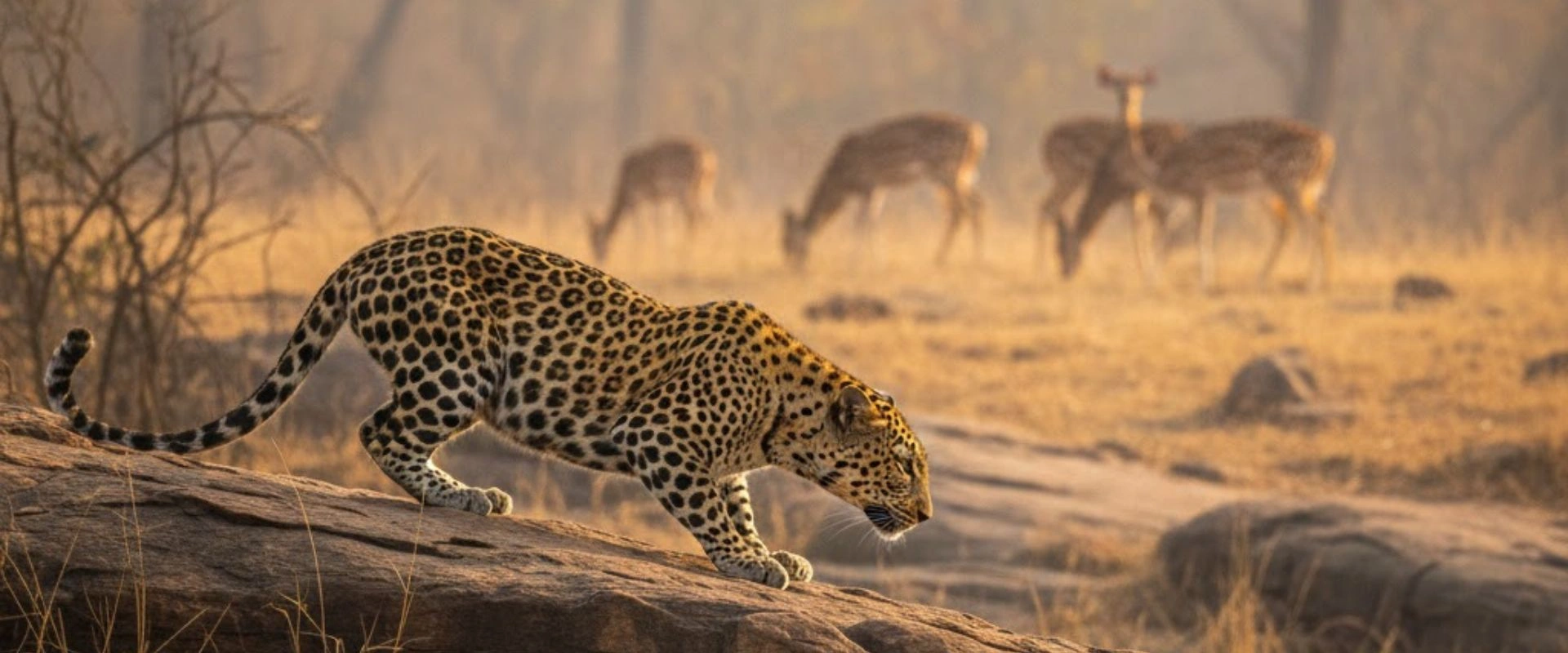
Machmahua zone is a designated safari area offering rugged and adventurous wildlife experiences. The zone features undulating terrain with rocky outcrops, dense forest patches, and grassy meadows creating ideal conditions for diverse wildlife. Machmahua is particularly productive for leopard sightings, as the rocky landscape provides perfect habitat for these elusive cats. The zone is also excellent for spotting wild dogs (dholes), gaur (Indian bison), various deer species, and numerous bird species. Machmahua’s varied topography and relatively fewer visitors provide exclusive and peaceful safari experiences for those seeking offbeat wilderness encounters.
Koilary is a designated safari zone known for its pristine wilderness character and diverse wildlife. The zone features a mix of forest types, grasslands, and perennial water sources that attract wildlife year-round. Koilary offers good opportunities for tiger sightings, especially tigers that prefer quieter territories away from higher tourist traffic. The zone is also excellent for spotting gaur herds, sambars, barking deer, and various mongoose species. Koilary’s natural beauty, with scenic valleys and elevated viewpoints, makes it ideal for combining wildlife viewing with landscape photography. The zone’s remote character ensures exclusive safari experiences with minimal crowds.
Booking your safari in Sanjay Dubri is straightforward if you follow these steps:
Sanjay Dubri Tiger Reserve is home to a healthy population of Bengal tigers, along with leopards, sloth bears, gaur (Indian bison), four-horned antelopes, nilgai, spotted deer, sambars, barking deer, wild dogs, Indian wolves, striped hyenas, and over 150 species of birds. The reserve’s diverse landscape features dense sal forests, bamboo jungles, rocky hills, grasslands, and seasonal streams, creating a pristine habitat for wildlife.
During your safari, you’ll traverse different habitat types and elevation gradients across zones like Giddha, Dubri, Bastua, Machmahua, and Koilary—from flat grasslands to steep hillsides and rocky outcrops. Each safari offers unique experiences—whether it’s tracking a tiger through pugmarks in sandy trails in Giddha Zone, watching a sloth bear forage for termites in Bastua, observing a leopard lounging on a rocky ledge in Machmahua, or capturing the vibrant colors of Indian pittas and paradise flycatchers. The relatively offbeat nature of Sanjay Dubri means fewer tourists, providing exclusive and intimate wildlife encounters that make every moment truly special and memorable.
At Eagle Safaris, we specialize in creating exceptional Sanjay Dubri safari experiences that are seamless, memorable, and tailored to your specific wildlife interests. With over 10 years of experience in wildlife tour management across India’s premier tiger reserves, we offer professionally guided safaris led by expert naturalists and experienced drivers who possess intimate knowledge of Sanjay Dubri’s terrain, wildlife behavior patterns, and best viewing locations across all five zones—Giddha, Dubri, Bastua, Machmahua, and Koilary.
Our team has accumulated thousands of hours of safari experience specifically in Madhya Pradesh’s tiger reserves, ensuring you receive expert tracking skills, ecological insights, and maximum opportunities for memorable wildlife encounters. We understand the unique character of Sanjay Dubri as an offbeat destination and design each safari to maximize your chances of seeing tigers, leopards, sloth bears, and other magnificent creatures in their natural habitat.
We provide comprehensive services including free pick-up and drop-off from nearby towns or railway stations, complimentary water bottles, safari essentials, wildlife identification guides, and personalized attention throughout your visit. Our naturalists share fascinating stories about Sanjay Dubri’s wildlife, conservation challenges, tribal communities, and the reserve’s critical role in central India’s wildlife corridor.
Sanjay Dubri Tiger Reserve plays a crucial role in India’s central wildlife corridor, connecting several protected areas and enabling free movement of tigers, elephants, and other species. The reserve is particularly important for maintaining genetic diversity among tiger populations. Your visit contributes directly to conservation efforts through park fees, employment of local communities as guides and support staff, and raising awareness about the importance of preserving India’s natural heritage.
Sanjay Dubri is surrounded by indigenous tribal communities, including Baiga and Gond tribes, who have lived in harmony with the forest for generations. Visitors are encouraged to learn about their traditional lifestyles, medicinal plant knowledge, handicrafts, and their vital role in wildlife conservation. Many community members work as forest guards, guides, and anti-poaching volunteers, making them invaluable partners in protecting the reserve’s biodiversity.
While visiting Sanjay Dubri, explore nearby attractions including:
Let Eagle Safaris help you discover the incredible wilderness of Sanjay Dubri Tiger Reserve. Contact us today to plan your adventure into one of Madhya Pradesh’s most pristine and offbeat wildlife destinations!
Experience Sanjay Dubri – where untamed wilderness meets incredible biodiversity, and every safari brings you closer to nature’s most magnificent secrets.
For bookings and inquiries, contact Eagle Safaris – Your trusted partner for unforgettable wildlife adventures in India’s premier tiger reserves.