| Price (Indians) | INR 8,000 / Jeep(Maximum 6 Persons + 2 Children | Children age: 5–12 years) |
| Price (Foreign) | INR 12,000 / Jeep(Maximum 6 Persons + 2 Children | Children age: 5–12 years) |
| Zones | Mustafabad Zones,Barahi Zone , Mahof Zone |
| Timings | Timings Morning: 6:00 AM – 9:00 AM | Evening: 3:00 PM – 6:00 PM (One Jeep accommodates up to 6 adults + 2 children) |
| Inclusions | Forest Department Permission, Registered Jeep, Professional Driver, Safari Permit, All Government Entries & Taxes. Guide fee to be paid directly at the safari gate. Hotel pick & drop depends on resort location. |
Pilibhit Tiger Reserve Safari Booking: A Simple Guide for Your Wildlife Adventure
Planning to go on a Jeep Safari in Pilibhit Tiger Reserve? This easy guide will help you book your safari and prepare for an unforgettable experience in one of India’s most unique tiger habitats.
Located in Uttar Pradesh near the Indo–Nepal border, Pilibhit Tiger Reserve is known for its dense forests, tall grasslands, and increasing tiger population. The reserve is part of the Terai ecosystem and offers a raw, less crowded safari experience compared to many other tiger reserves.
The park remains open from November to June, and each season offers a different safari experience.
The reserve remains closed during the monsoon season to protect forest roads and breeding wildlife.
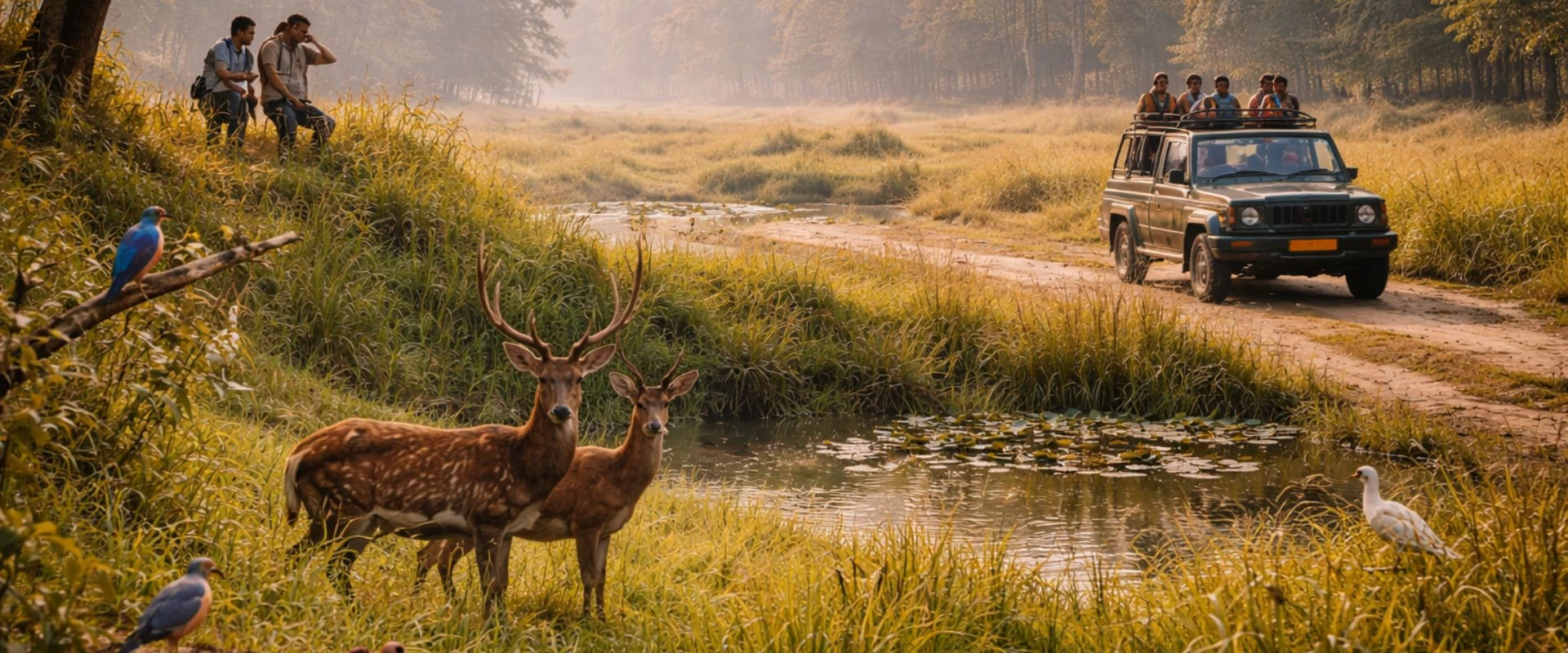
The main way to explore Pilibhit is through an open Jeep Safari, which allows up to 6 visitors per vehicle. These safaris are guided by trained forest drivers and naturalists who understand tiger movement patterns and terrain.
(Includes permit, jeep, driver, and guide charges)
Pilibhit is divided into multiple safari ranges offering diverse landscapes:
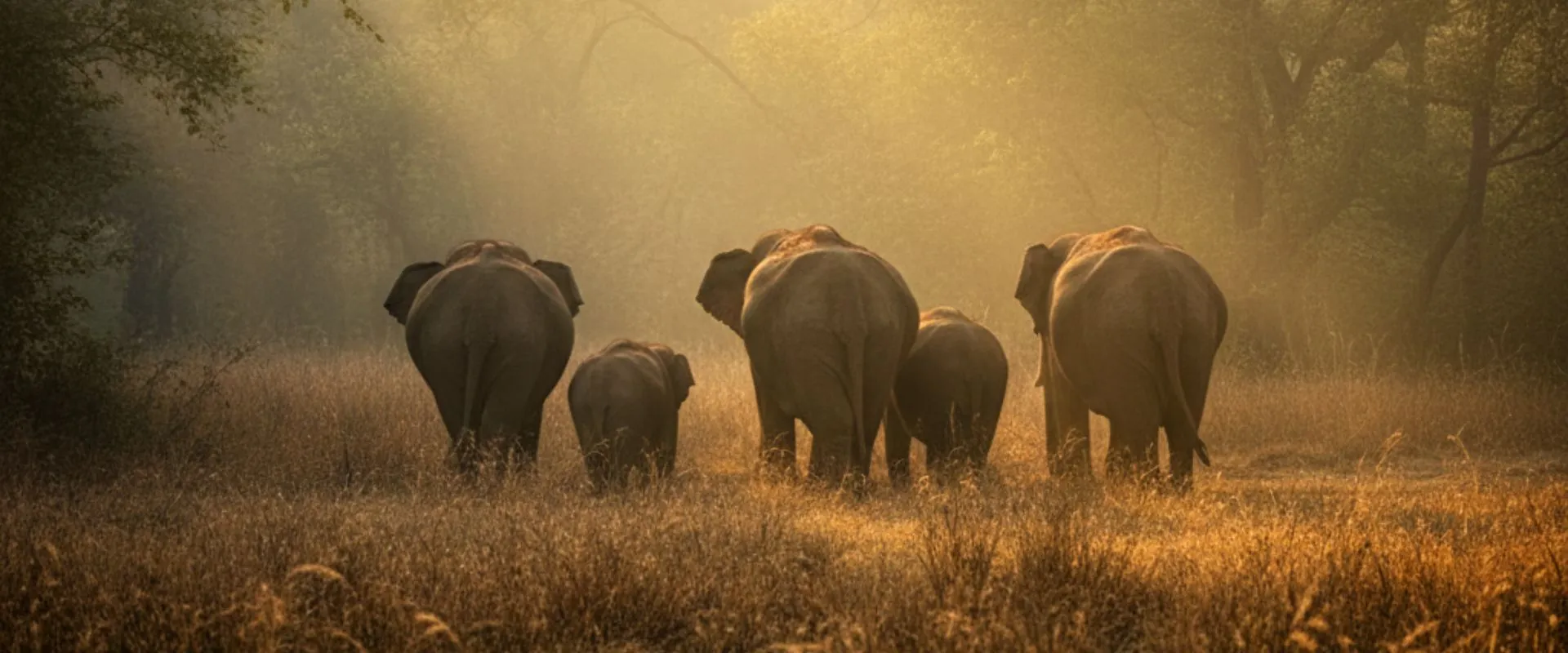
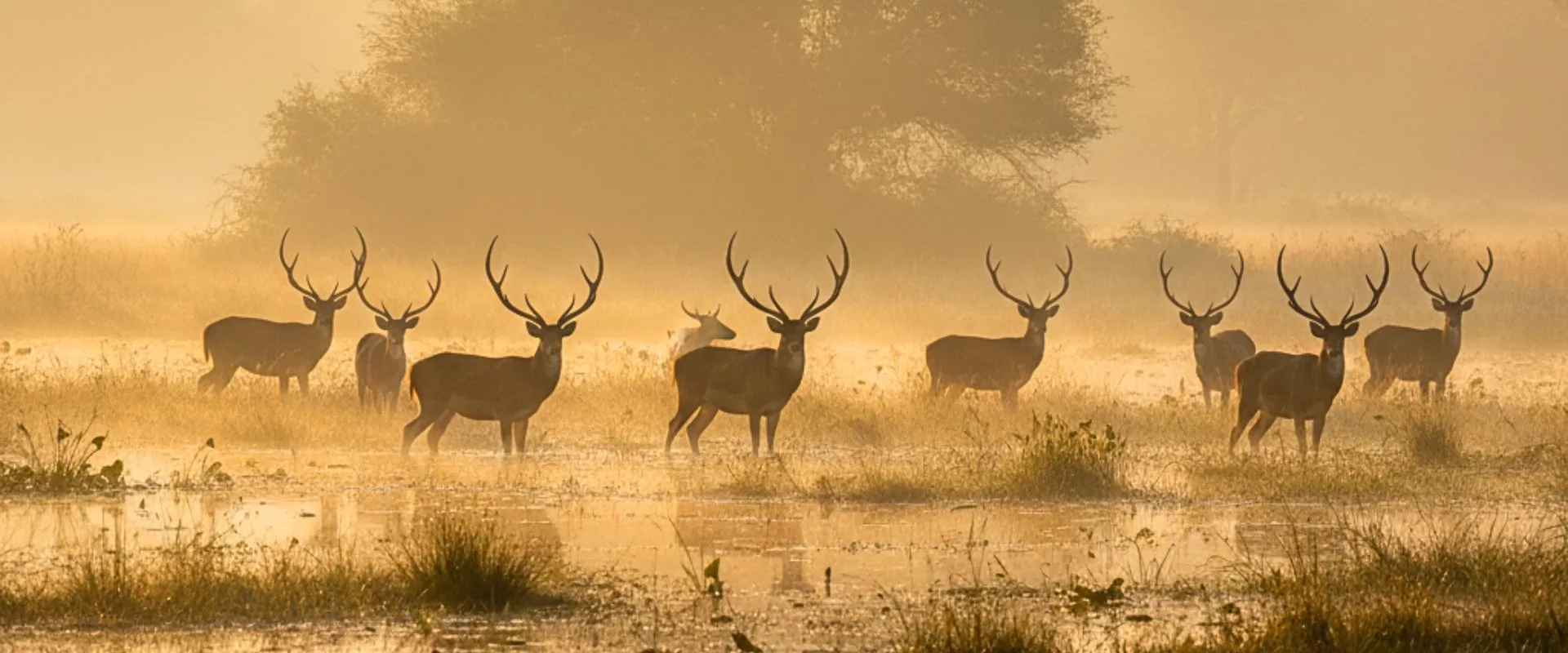
Each zone offers a mix of forests, open meadows, and water bodies that support tigers, leopards, swamp deer, elephants, and over 300 bird species.
Booking a safari in Pilibhit requires proper planning because the reserve lies close to agricultural villages and international forest corridors. Tourism must be handled carefully to avoid disturbing wildlife and local communities.
Here’s how to make your safari smooth and responsible.
Step 1: Share Travel Dates and ID Details Early
Safari permits in Pilibhit are limited, and the reserve has areas where tiger movement often overlaps with farming zones. Last-minute planning can lead to unavailable permits or unsuitable safari timings.
Eagle Safaris checks permit availability in advance and suggests the best safari zone and time slot based on current forest access and movement patterns. This avoids rush booking and helps distribute safari pressure responsibly.
Step 2: Confirm Permit, Jeep, and Local Guide Together
Because parts of Pilibhit border villages and open fields, experienced drivers who understand forest routes and buffer zones are very important.
Eagle Safaris arranges authorized permits, registered safari jeeps, and trained local drivers together. This ensures safaris stay within approved tourism routes and avoid sensitive boundary areas where wildlife frequently crosses.
Step 3: Get Complete Pre-Safari Instructions
Pilibhit’s landscape includes unfenced forest stretches and agricultural edges, where animal movement is natural. Visitor awareness plays a big role in keeping safaris safe and disturbance-free.
Before your safari, Eagle Safaris shares clear guidance on entry gate, reporting time, ID requirements, and safari etiquette. Following silence rules and guide instructions helps maintain a calm environment for wildlife.
Step 4: Arrive Prepared for a Regulated Wildlife Experience
The reserve operates under forest department rules to balance tourism with conservation. Well-managed safaris reduce pressure on core habitats and help authorities focus on wildlife protection.
With permits and logistics arranged in advance, you can enjoy a stress-free safari that supports responsible tourism while maximizing your chances of tiger sightings.
Pilibhit Tiger Reserve is home to Bengal tigers, leopards, swamp deer, wild boar, elephants, and rare bird species. The mix of dense sal forests, grasslands, and river systems creates a rich habitat and makes every safari drive unique.
Because this reserve is part of a sensitive Terai ecosystem, responsible tourism directly supports long-term conservation and better coexistence between wildlife and surrounding communities.
At Eagle Safaris, we focus on smooth permit handling, trained drivers, and responsible safari planning. Our experience ensures that your safari is well-organized, follows forest regulations, and respects the delicate balance between wildlife and nearby communities.
We manage permits, vehicles, and coordination so you can enjoy a safe and memorable wildlife experience.