Jeep Safari Price & Safari Zones

Price(Indian)INR 8,000 / Jeep(Maximum 6 Adults + 2 Children (Children age: 5–12 years) are allowed in one Jeep)
Price(Foreign)INR 12,000 / Jeep(Maximum 6 Adults + 2 Children (Children age: 5–12 years) are allowed in one Jeep)
ZonesMadla Zone , Hinouta Zone ,Akola Zone, Jhinna Zone ,Harsa & Khajurikudar
TimingsMorning: 6:00 AM – 9:00 AM Evening: 3:00 PM – 6:00 PM (Safari timings may vary as per season and forest department rules.)
InclusionsForest Department Permission, Registered Jeep, Driver, Safari Permit, All Entries & Taxes. Guide fee to be paid directly by the guest at the safari gate. Hotel pick & drop may vary as per location.

Panna National Park Safari Booking: A Simple Guide for Your Adventure

Planning to go on a wildlife safari in Panna National Park? This easy-to-follow guide will help you understand safari options, best times to visit, zones, pricing, and how to book your safari — including solutions to key challenges faced by visitors and the park ecosystem.

Located in Madhya Pradesh, Panna National Park is famous for its successful tiger reintroduction program, scenic Ken River landscapes, dense forests, and rich wildlife diversity. It’s an ideal destination for wildlife lovers, photographers, and nature enthusiasts.

Best Time to Visit Panna National Park

Panna National Park remains open from October to June each year.

  • October to February:
    Pleasant weather, green scenery, and excellent conditions for photography.
  • March to June:
    Best time for tiger sightings as animals gather near water sources during summer.
  • July to September (Monsoon):
    The park remains closed due to heavy rainfall and forest road protection.

Types of Safaris in Panna National Park

1. Jeep Safari

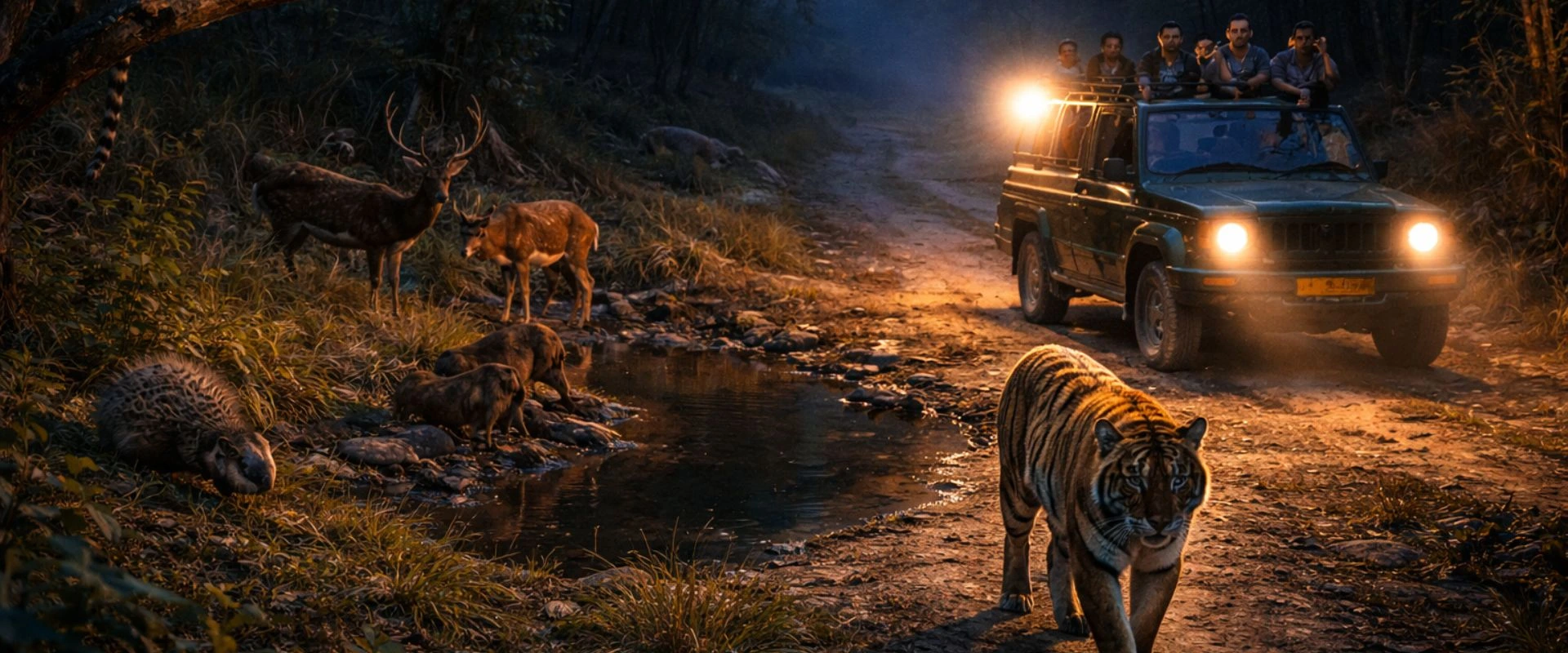
Jeep Safari is the primary safari option in Panna National Park. Each jeep can accommodate up to 6 adults and 2 children, giving you a close and immersive wildlife experience. These safaris operate across core and buffer zones.

Safari Booking Prices 

The safari timings at Panna National Park are as follows:

  • Jeep Safari Morning: 6:00 AM – 9:00 AM
  • Jeep Safari Evening: 3:00 PM – 6:00 PM

The prices are INR 8,000 per jeep for Indian visitors and INR 12,000 per jeep for foreign tourists, covering permit, jeep, driver, and guide charges. Each jeep can accommodate up to 6 adults and 2 children.

Best Safari Zones in Panna National Park

  • Madla Zone – Most popular with frequent tiger sightings, riverine habitats, and lush grasslands — ideal for first-timers.
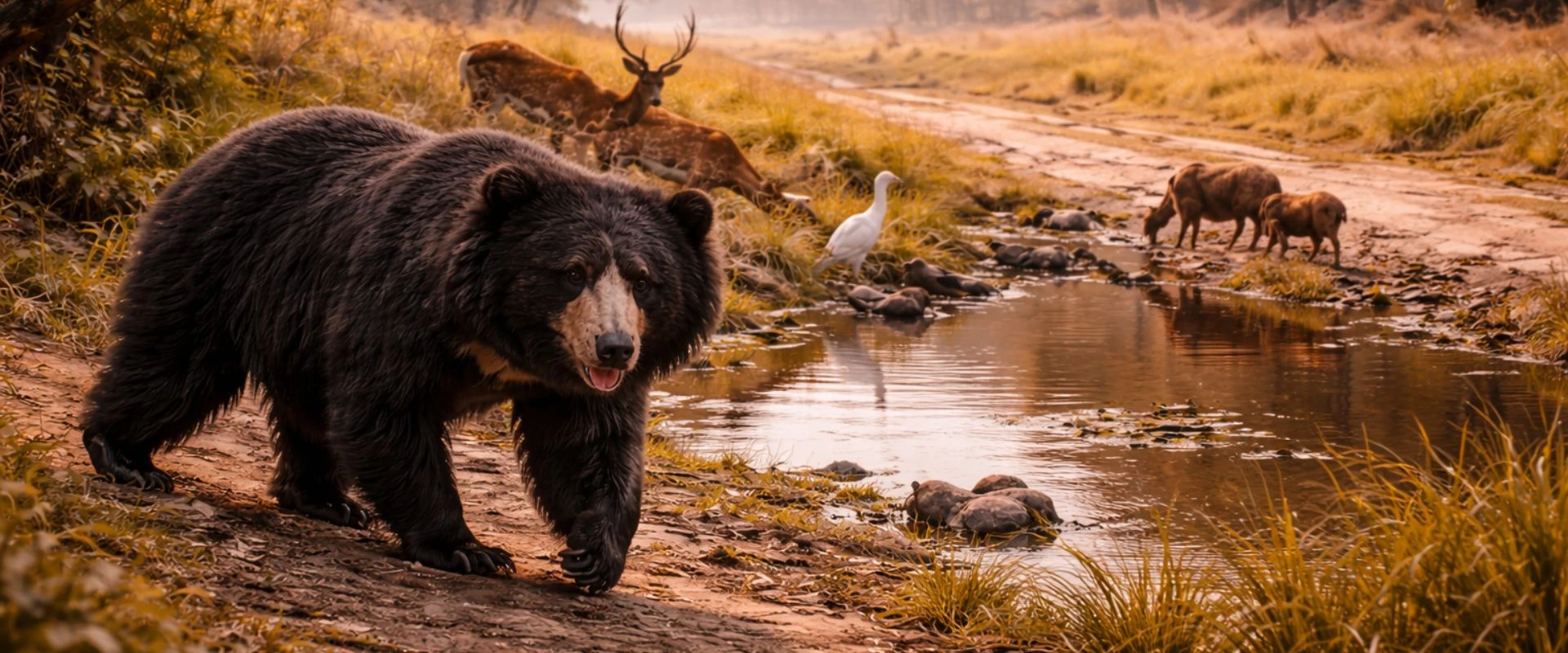
  • Hinouta Zone – Core zone with rocky terrain and dense forests, great for leopards and sloth bears.
  • Akola Zone – Peaceful and less crowded with mixed landscapes and excellent birdwatching.
  • Jhinna Zone – Known for quieter fringes and local camp interactions.
  • Harsa & Khajurikudar Areas – Buffer routes that extend wildlife viewing beyond core zones.

How to Book a Safari in Panna National Park 

Booking a safari in Panna sounds simple, but visitors often face issues due to ecosystem pressures and operational limitations within the reserve. Panna’s wildlife habitats face habitat fragmentation, human–wildlife conflict, past poaching concerns, ecological vulnerability, and development pressures — all of which indirectly affect safari planning and wildlife movement.

Here’s how you can avoid common booking problems and enjoy a smooth, well-managed safari experience.

Step 1: Share Travel Dates and Visitor Details Early

Panna’s dry deciduous forest terrain and fragmented corridors mean permit slots can fill up quickly, especially during peak tiger movement seasons. Last-minute bookings often get limited availability or less desirable safari timings. Eagle Safaris checks live permit availability for your preferred dates and zones first. If your chosen slot is unavailable, we suggest alternative times or zones to ensure your safari goes ahead without stress.

Step 2: Confirm Permit, Jeep & Driver Together

Past poaching concerns and ecological sensitivity require that safaris follow strict forest rules. If visitors book only permits and later struggle to find an approved jeep or experienced guide, it can lead to delays or cancellations. Eagle Safaris bundles your official forest permit, authorized safari jeep, and trained local driver-guide in a single booking. This ensures your safari stays within approved routes and complies with wildlife safety regulations throughout your visit.

Step 3: Receive Complete Safari Instructions Before Arriva

Human–wildlife conflict and past retaliatory incidents have made strict forest etiquette essential. Visitors unaware of rules may unintentionally disturb wildlife or face check-in issues at park gates. Before your safari day, Eagle Safaris shares clear instructions on safari entry gate, reporting time, ID requirements, and wildlife etiquette. Knowing what to carry and what not to do — like minimizing noise and staying inside the jeep — makes your experience safe for both you and the animals.

Step 4: Arrive Prepared and Enjoy a Responsible Wildlife Experience

Development pressures near forest edges and ecological vulnerabilities mean that unregulated tourism can add stress to animal habitats and water sources, affecting sightings. With your booking details, route, and guide ready in advance, you can arrive relaxed and contribute to regulated, eco-sensitive tourism that supports conservation and enhances your chances of spotting tigers, leopards, deer, and birdlife.

What to Expect on a Panna Safari

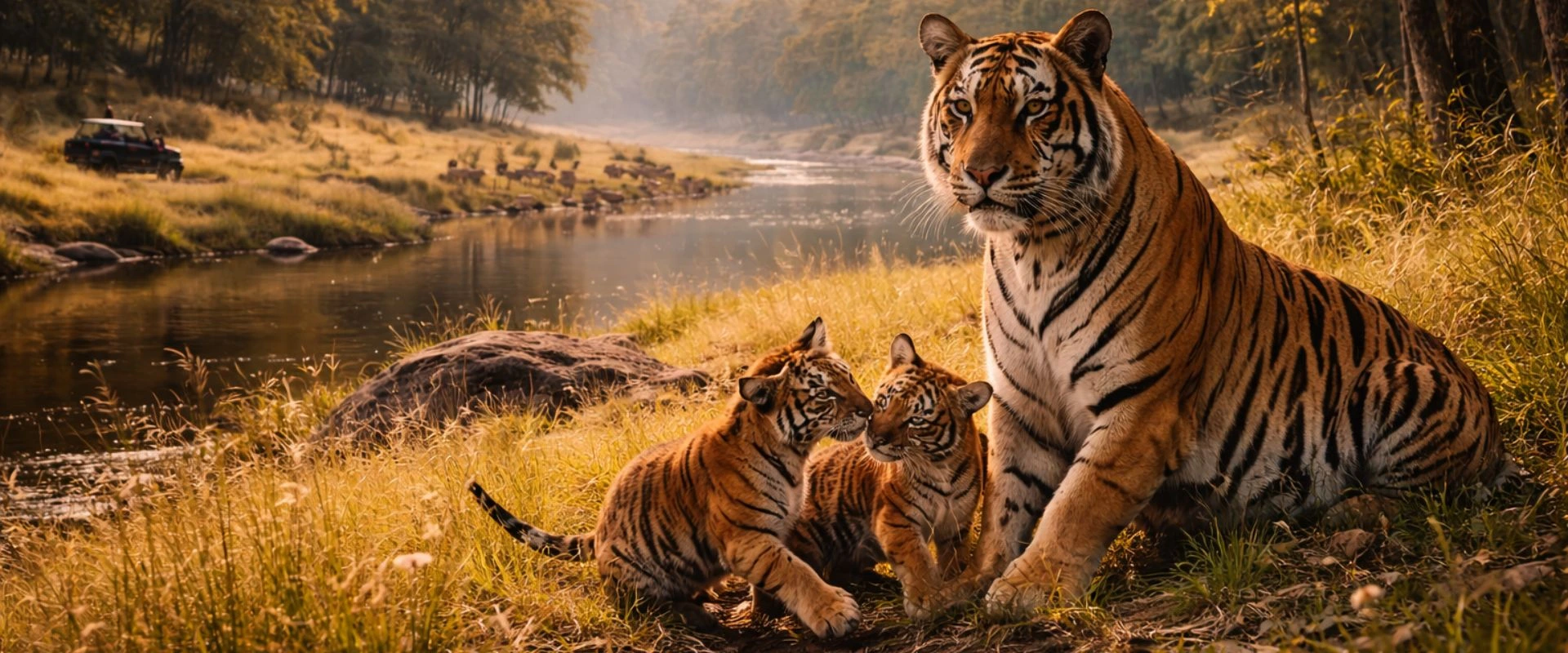
  • Panna National Park is home to Royal Bengal Tigers, Leopards, Sloth Bears, Chital, Sambar, Wild Boars, Crocodiles, and over 300 bird species.
  • Each safari takes you through forests, riverbanks, grasslands, and rocky plateaus  making every game drive unique and rich in wildlife encounters.

Important Things to Carry

  • Valid Government ID (mandatory)
  • Comfortable, earthy-colored clothing
  • Insect repellent
  • Water bottle
  • Camera / binoculars

Panna Safari Booking with Eagle Safaris

At Eagle Safaris, we ensure a smooth, reliable, and responsible safari experience with:

  •  10+ Years of Wildlife Tourism Expertise
  • Expert Local Safari Drivers & Naturalist Guides
  • Hassle-Free Permit, Jeep & Booking Assistance
  • Tips & Support Tailored to Your Itinerary

Whether you’re a first-time safari goer or an experienced wildlife enthusiast, we make your Panna safari seamless and memorable.
Book your Jungle Experiences along with Safaris & Local Activities

Book your Jungle Experiences along with
Safaris & Local Activities

Eagle Safaris promises to give you a glimpse of wildlife like no one else can, Come, see wildlife up close with Eagle Safari.

Safari Zones in Panna National Park

Harsa/Khajurikudar Zone

Harsa/Khajurikudar Zone

Harsa/Khajurikudar Zone : These buffer zones expand safari opportunities beyond the core areas and include small grasslands, seasonal water bodies, a...

Jhinna Zone

Jhinna Zone

Jhinna Zone The Jhinna Zone is a buffer and fringe area of Panna National Park, known for quiet safari trails and nocturnal wildlife opportunities. ...

Akola Zone

Akola Zone

Akola Zone : The Akola Zone is part of the park’s buffer area, providing a peaceful safari with mixed habitats including grasslands, dry forests, a...

Hinouta Zone

Hinouta Zone

Hinouta Zone : The Hinouta Zone is a core area with undulating terrain, rocky outcrops, and dense forests, providing a quieter safari experience. ...

Madla Zone

Madla Zone

Madla Zone The Madla Zone is the most popular safari area of Panna National Park, known for its frequent tiger sightings and open grasslands intersp...

Frequently Asked Questions

Panna National Park is famous for its successful tiger reintroduction program, scenic Ken River landscapes, and rich biodiversity. It is also recognized as a UNESCO Biosphere Reserve, known for waterfalls, deep gorges, and wildlife like tigers, leopards, gharials, and diverse bird species, making it a unique mix of wilderness and natural beauty

Yes, Panna National Park is home to Royal Bengal Tigers. After a successful reintroduction program, the tiger population has steadily grown, making Panna one of India’s inspiring wildlife conservation success stories and a good destination for tiger sightings.

Panna National Park is located in the state of Madhya Pradesh, India. It spreads across the Panna and Chhatarpur districts and is situated along the scenic Ken River, forming part of the Vindhya mountain ranges.

You should visit Panna National Park for its thriving tiger population, stunning Ken River landscapes, and rich wildlife diversity. Known for scenic waterfalls, deep gorges, and dense forests, Panna offers a perfect blend of adventure, photography, and peaceful nature experiences, making it one of the best wildlife safari destinations in Madhya Pradesh.

You can explore a rich variety of wildlife in Panna Tiger Reserve, including Royal Bengal Tigers, leopards, sloth bears, Indian wolves, chital, sambar deer, and nilgai, along with over 200 bird species and reptiles like gharials and cobras. The reserve’s diverse habitats of forests, grasslands, and rivers make it a prime destination for wildlife safaris in Madhya Pradesh.

According to the official FAQ, the best time to visit Panna Tiger Reserve is from October to June, with October to March being ideal for wildlife spotting, including tigers, leopards, and birdwatching, as animals are more active and the weather is pleasant. This makes it the perfect period for safari adventures in Madhya Pradesh.

Panna Tiger Reserve was declared a UNESCO Biosphere Reserve in 1999, recognizing its rich biodiversity, unique ecosystems, and critical role in tiger conservation in Madhya Pradesh. This designation highlights Panna as a must-visit wildlife destination in India for nature enthusiasts and eco-tourists.

Khajuraho is approximately 50 kilometers (about 1.5 hours by road) from Panna National Park, making it a convenient destination for travelers who want to combine wildlife safaris with a visit to the famous Khajuraho temples.

Popular attractions in and around Panna National Park include Ken River, Pandav Falls, Raneh Falls & Canyon, and the historic Panna Palace, along with the UNESCO-listed Khajuraho temples just 50 km away. These offer a perfect mix of wildlife, nature, and cultural tourism in Madhya Pradesh.