Your Ultimate Guide to Pilibhit Tiger Reserve: A Journey into the Wild Heart of Uttar Pradesh

Ever dreamed of stepping into a real-life jungle book? Imagine towering trees, the rustle of leaves underfoot, and the thrill of spotting a majestic tiger in its natural habitat. Pilibhit Tiger Reserve, nestled in the Terai Arc Landscape of Uttar Pradesh, is exactly that kind of place! It’s not just a wildlife sanctuary; it’s a vibrant ecosystem where nature flourishes, and incredible conservation stories unfold. And guess what? This guide is going to make you an expert of Pilibhit Tiger Reserve, even if you’re just starting your adventure journey! So, let’s dive in!

About Pilibhit Tiger Reserve: A Jewel in the Terai Arc

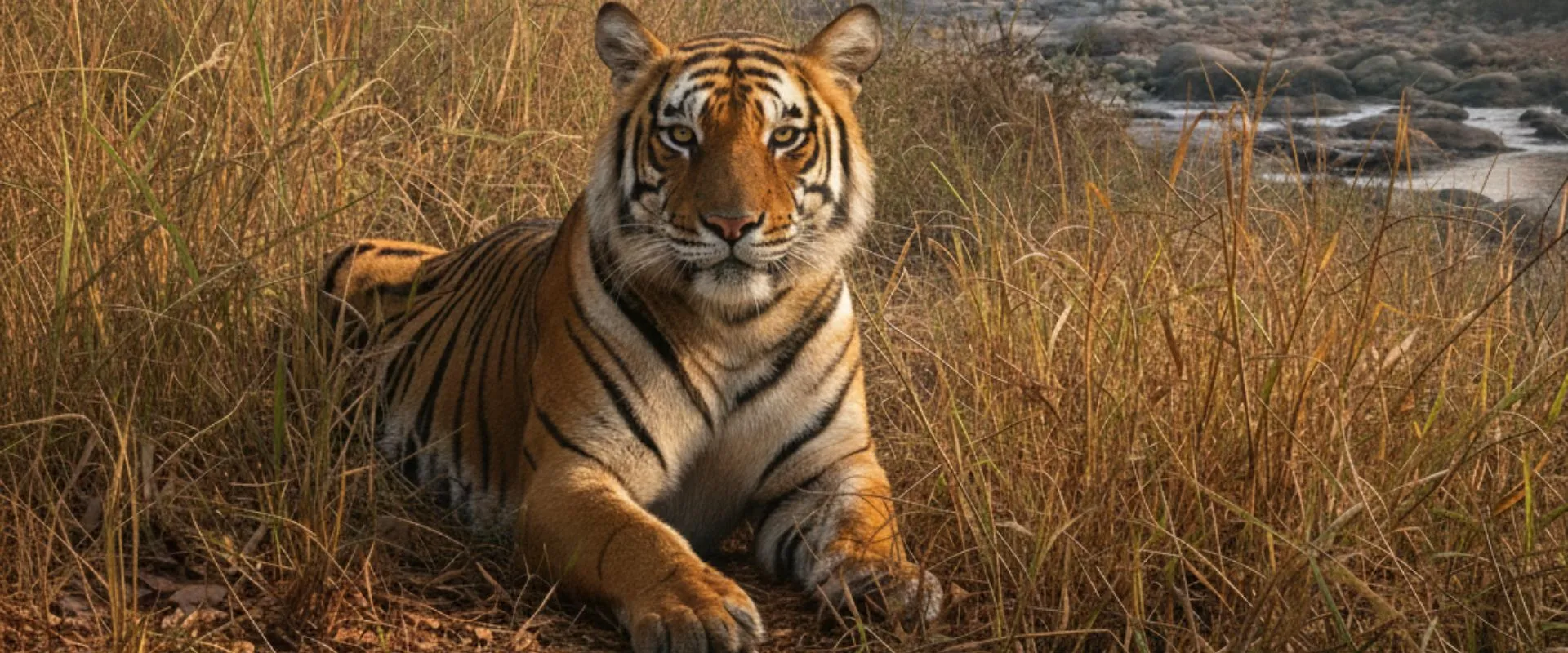
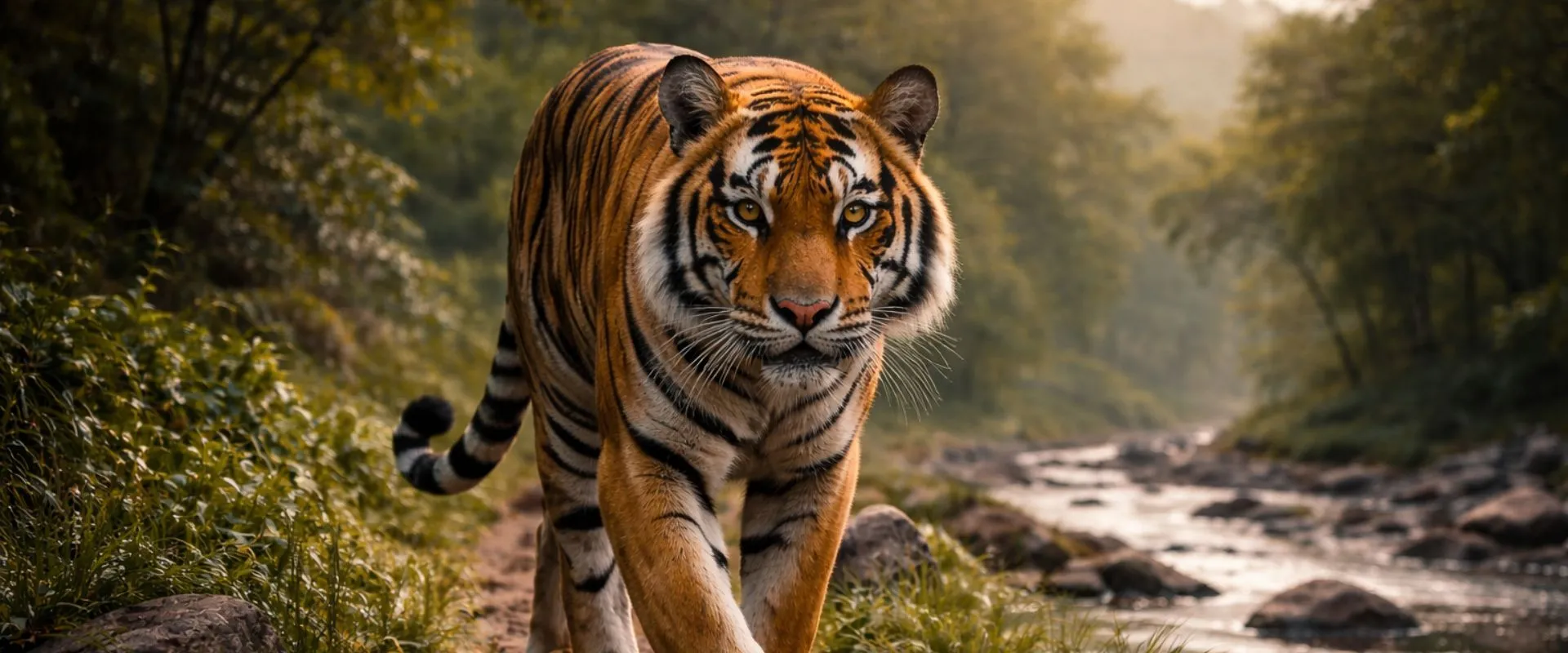
Pilibhit Tiger Reserve (PTR), declared a Tiger Reserve in 2014, is one of India’s 51 Project Tiger Reserves. It spans across Pilibhit and Shahjahanpur districts of Uttar Pradesh, stretching along the India-Nepal border. What makes Pilibhit so special? It’s a prime example of the unique Terai-Duar savanna and grasslands ecosystem, characterized by its high groundwater level, dense Sal forests, tall alluvial grasslands, and swampy areas. This diverse landscape is not only breathtakingly beautiful but also incredibly important for the survival of numerous species, especially the critically endangered Royal Bengal Tiger.

The reserve is also unique due to the presence of man-made canals flowing through it, which are vital for irrigation in the surrounding agricultural areas. These canals, along with natural water bodies like Sharda Sagar Dam and various taals (lakes) such as Barahasingha Taal and Bhim Taal, create a lifeline for the abundant wildlife here. Chuka Beach, a serene spot within the reserve along the Sharda Sagar Dam, is a major attraction, often fondly referred to as a “mini-Goa” for its expansive, shore-like setting.

How to Reach Pilibhit Tiger Reserve: Your Path to the Wilderness

Getting to Pilibhit Tiger Reserve is an exciting part of the adventure! While it feels wonderfully remote, it’s actually quite accessible from major cities.

  • By Air: The nearest and most convenient airport is Bareilly Airport (BEK), located approximately 80-90 kilometers away from Pilibhit city, and about 100-120 km from the main Chuka Eco-Tourism Zone. From Bareilly, you can easily hire a taxi to reach the reserve. Pantnagar Airport (PGH) is also an option, about 90-100 kilometers away, while Lucknow’s Chaudhary Charan Singh International Airport (LKO) is further, around 270 km (approx. 6-hour drive) from Pilibhit. Delhi’s Indira Gandhi International Airport (DEL) is around 330 km.
  • By Rail: Pilibhit has its own railway station, Pilibhit Junction (PBE), which is well-connected to major cities like Delhi, Lucknow, and Bareilly. From the railway station, local transport like auto-rickshaws and taxis are readily available to take you to the reserve gates, particularly the popular Chuka Eco Tourism Zone.
  • By Road: Pilibhit is well-connected by a network of roads.
    • From Bareilly: Pilibhit is about 80 kilometers away, making for a relatively short drive of around 2-2.5 hours.
    • From Lucknow: You can take the route via Sitapur, Shahjahanpur, and Bareilly, covering approximately 270 km.
    • From New Delhi: The journey is around 330 km via Muradabad and Bareilly.

Many visitors choose to drive down, enjoying the changing landscapes as they leave the hustle and bustle behind and enter the tranquil rural roads leading to the reserve.

Flora & Fauna: A Kaleidoscope of Nature

Pilibhit Tiger Reserve is a biodiversity hotspot, a living tapestry woven with vibrant plant life and an incredible array of animals.

Flora: The Green Heartbeat

The reserve’s vegetation is predominantly North Indian moist deciduous, boasting some of the country’s finest Sal (Shorea robusta) forests. Imagine walking through these dense woodlands, with sunlight filtering through the canopy, creating a magical atmosphere. Beyond the majestic Sal trees, you’ll find:

  • Tall Grasslands: Extensive patches of grasses like Saccharum, Sclerostachya, Imperata, and Themeda create ideal habitats for various herbivores and smaller creatures. These grasslands are often subjected to seasonal flooding, contributing to the unique wetland ecosystem.
  • Swamp Forests: Impenetrable swampy areas add another layer of ecological diversity, providing unique niches for specialized plant and animal species.
  • Other Tree Species: While Sal dominates, you’ll also encounter trees like Tectona Grandis (Teak), Buchnania latifolia, Anogeissus pendula, and Madhuca indica.

The presence of ferns dominating the understory is a clear indicator of the high groundwater levels that characterize this unique Terai habitat.

Fauna: The Wild Residents

Pilibhit Tiger Reserve is a haven for wildlife enthusiasts, home to a remarkable variety of mammals, birds, and reptiles.

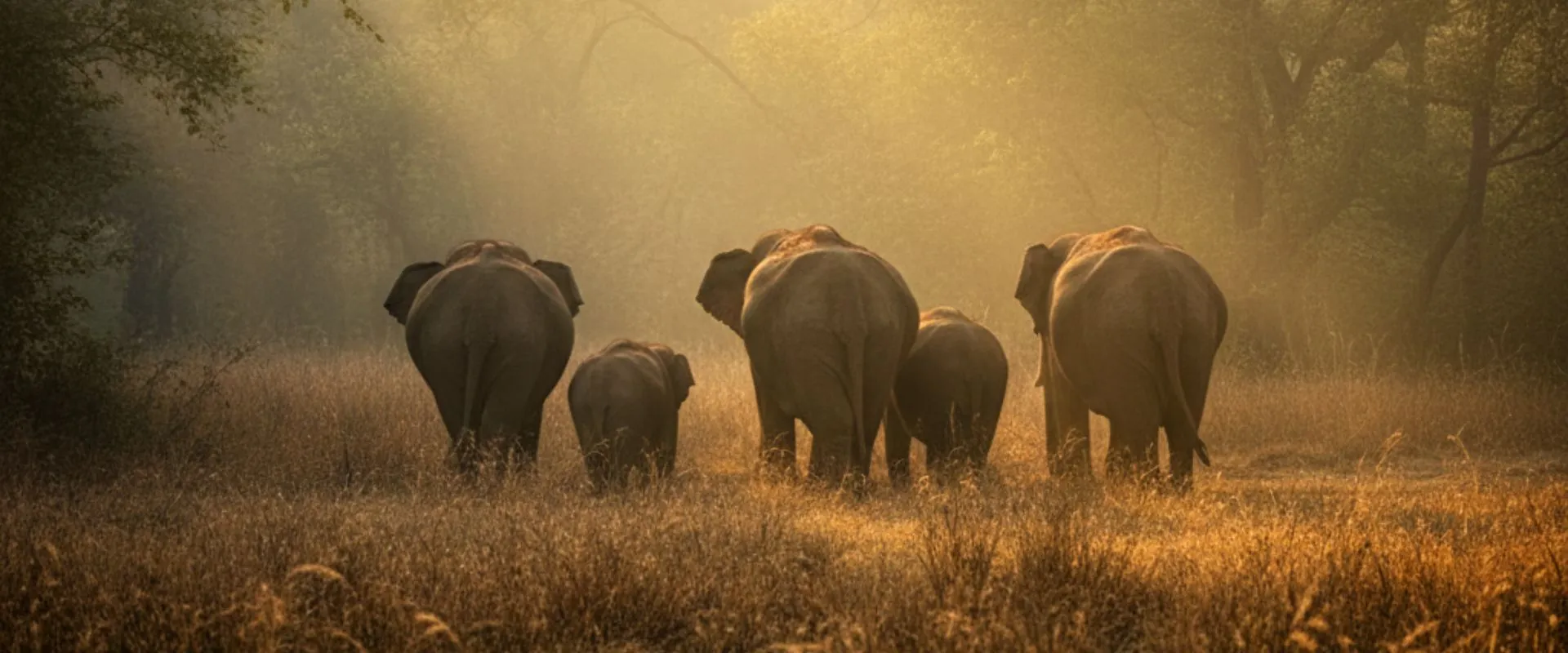
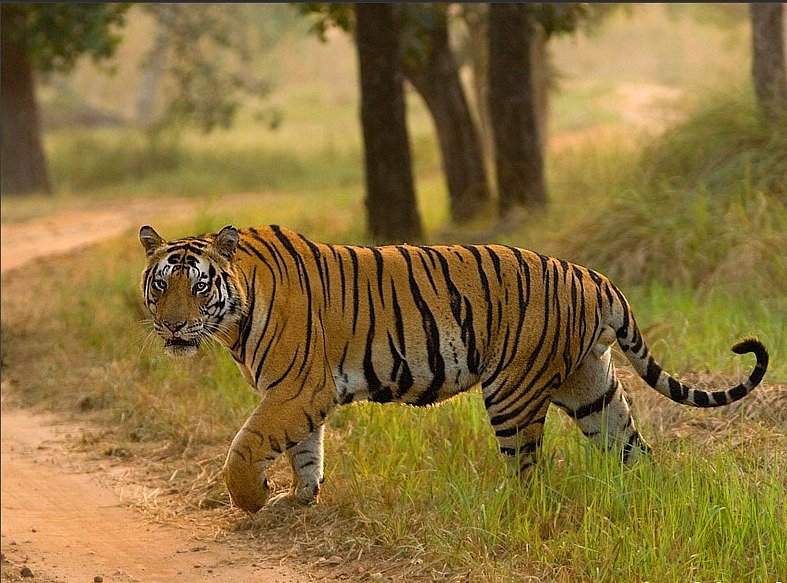
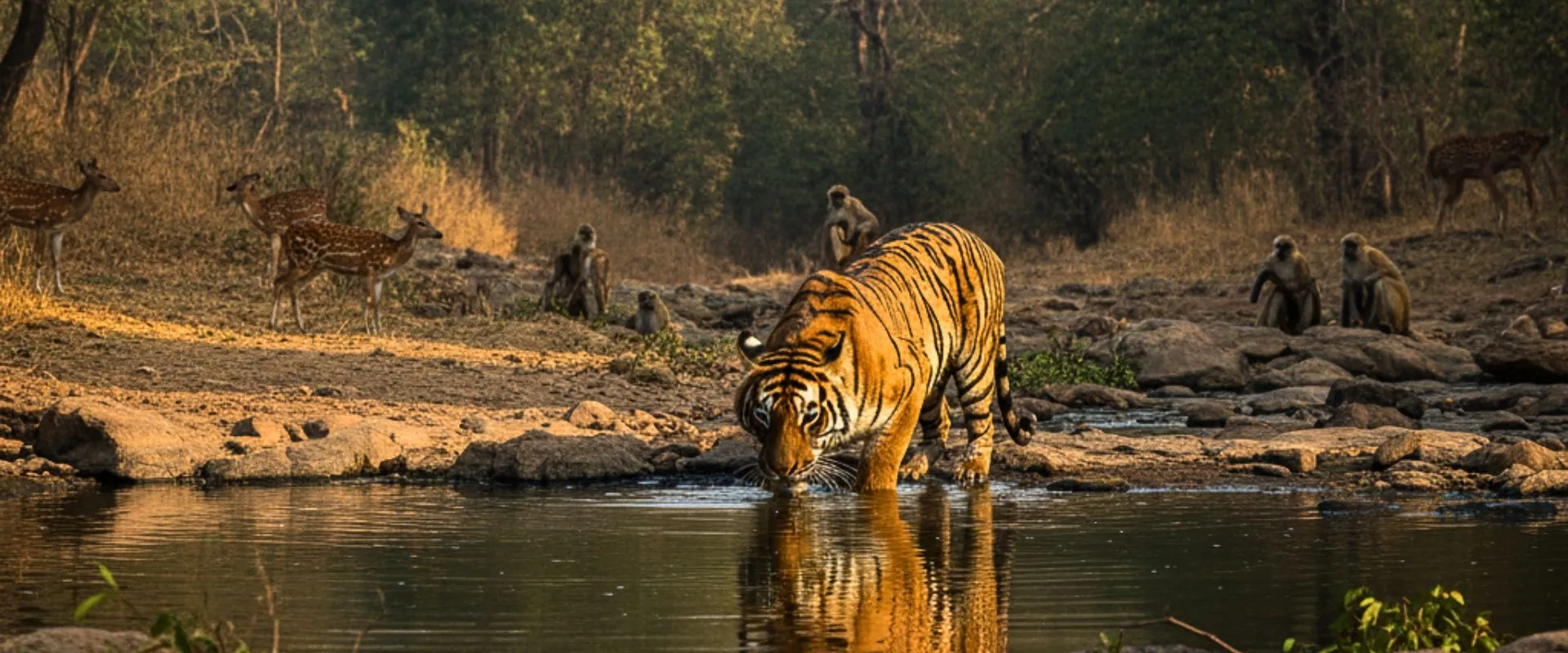
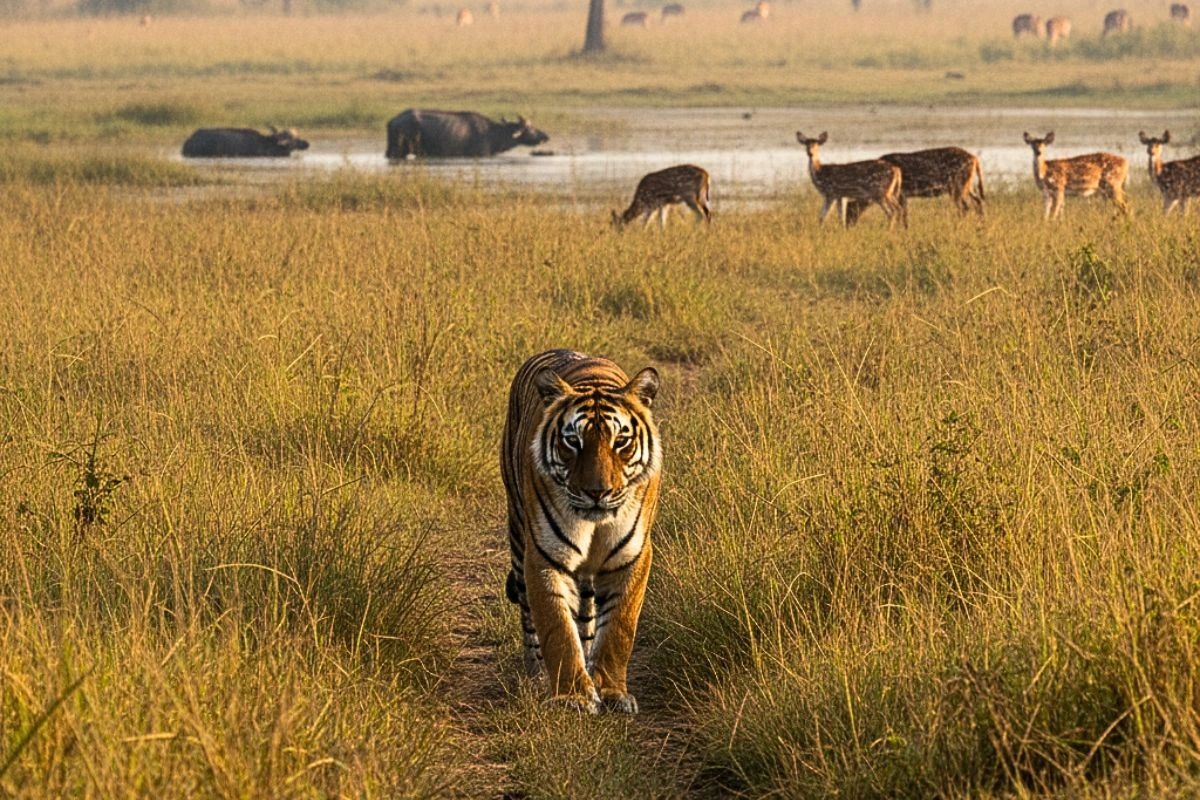
  • Mammals: The undisputed star is the Royal Bengal Tiger. Pilibhit has seen a significant increase in its tiger population, a testament to its successful conservation efforts. But the wild theatre doesn’t end there! You might also spot:
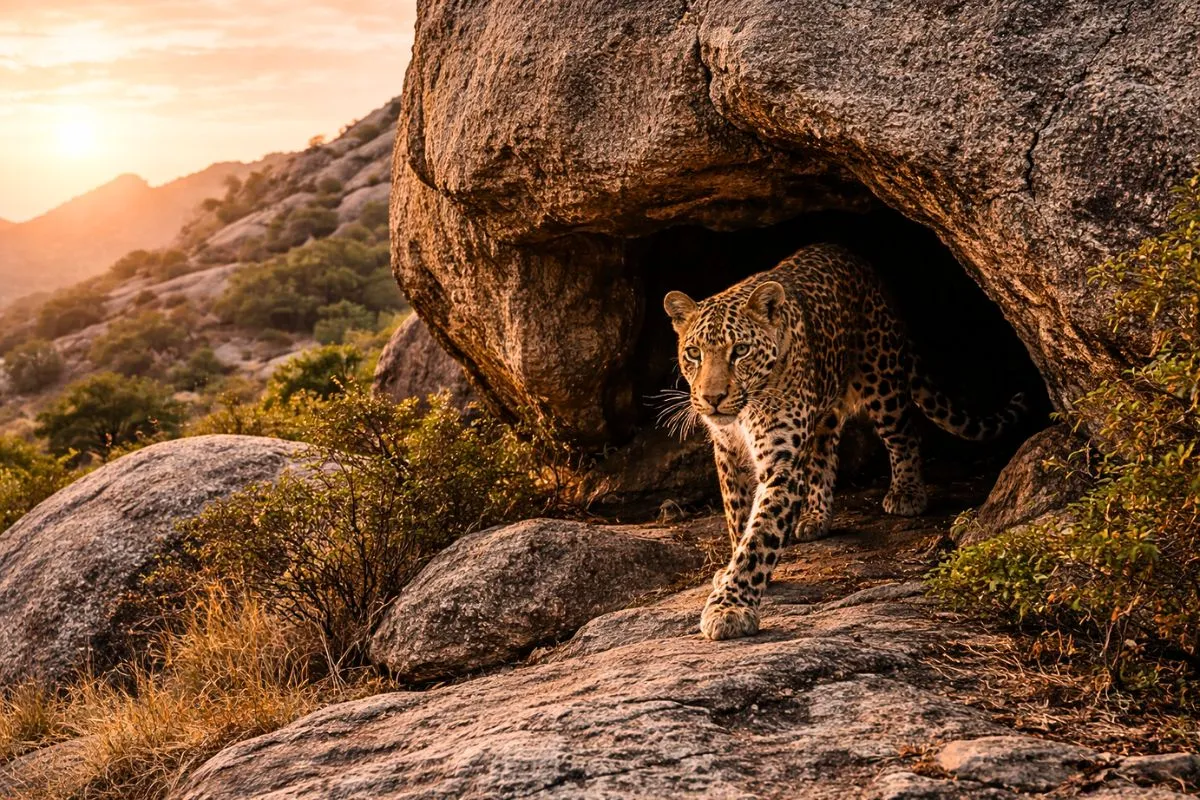
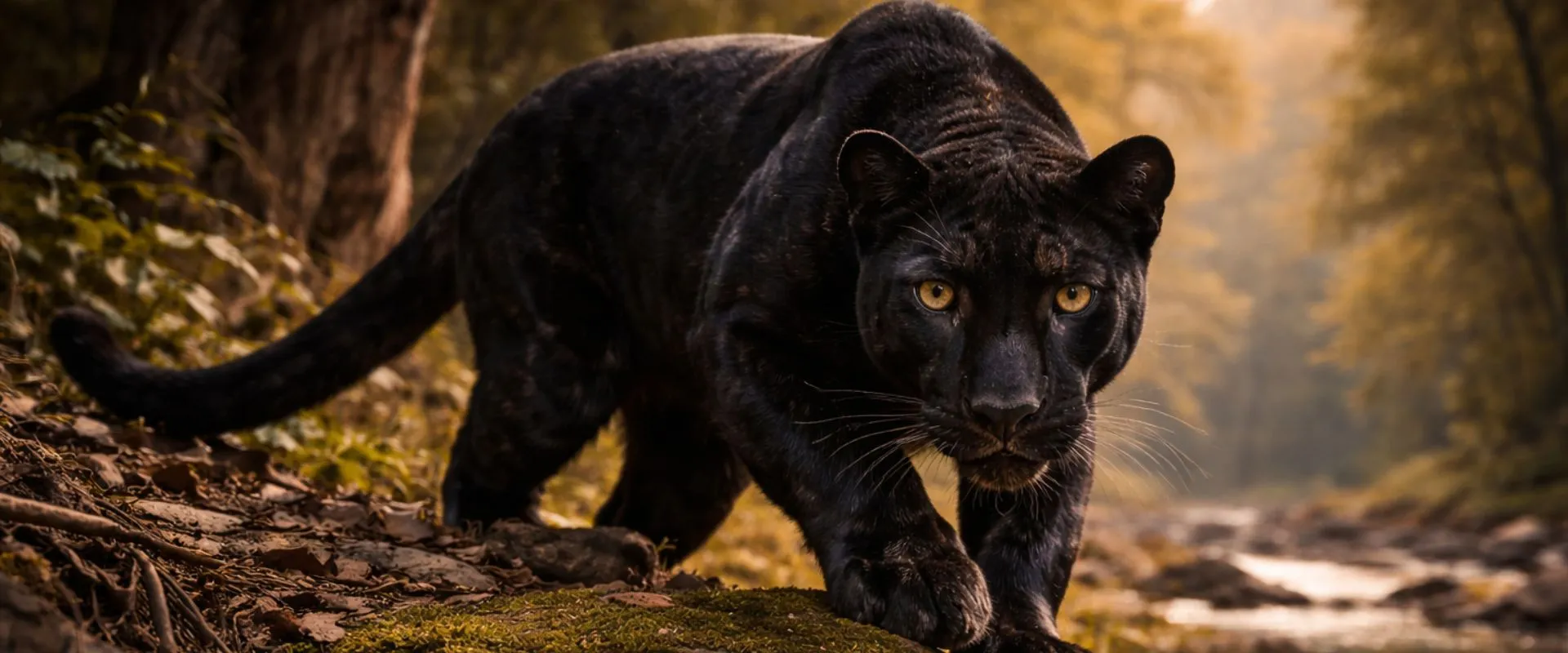
    • Leopards: These elusive big cats share the territory with tigers.
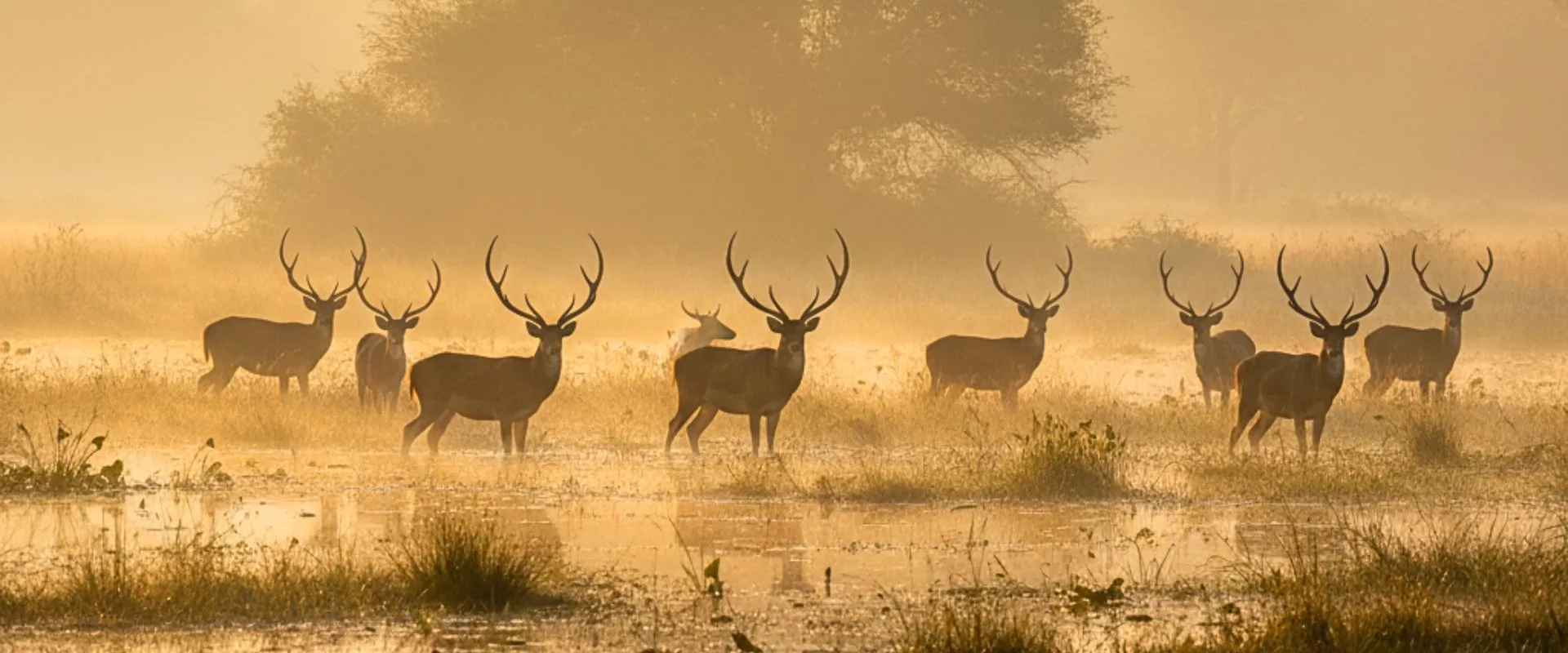
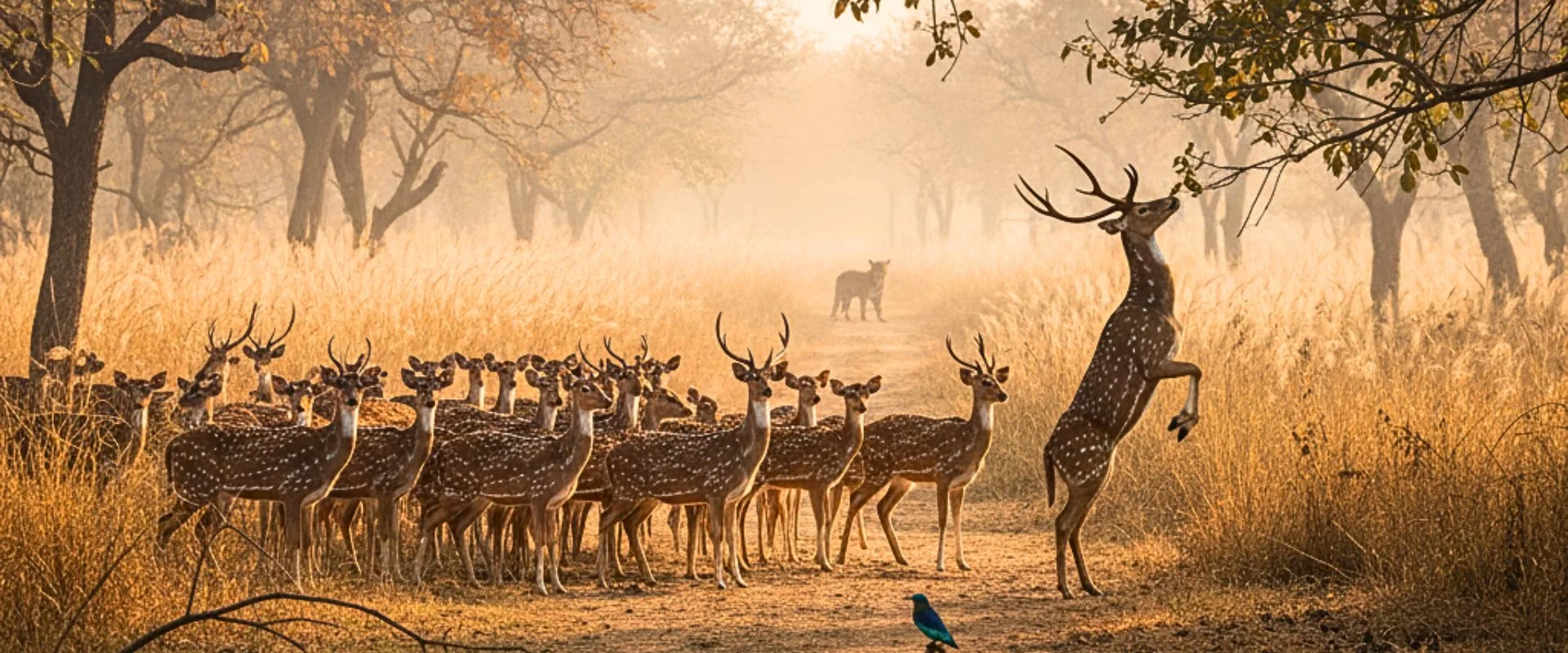
    • Deer Species: Pilibhit is unique for housing five out of the seven deer species found in India: Spotted Deer (Chital), Swamp Deer (Barasingha), Hog Deer, Barking Deer, and Sambar Deer. Spotting a herd of graceful Barasingha grazing in the grasslands is a truly unforgettable sight.
    • Sloth Bear: Look out for these shaggy, fascinating creatures.
    • Hispid Hare: A critically endangered species, its presence here highlights the reserve’s importance.
    • Honey Badger: Another intriguing inhabitant.
    • Other mammals include Fishing Cats, Leopard Cats, Blackbuck, Nilgai (Blue Bull), Fox, Short-nosed fruit bat, Indian common yellow bat, Painted bat, Rhesus macaque, Common langur, Porcupine, Small Indian civet, Jackal, Indian fox, and Hyena.
  • Birds: Pilibhit is a birdwatcher’s paradise, boasting over 350 species of birds, including both resident and migratory avian wonders. Keep your binoculars ready for:
    • Bengal Florican: A critically endangered grassland bird, its presence is a significant indicator of a healthy ecosystem.
    • Finn’s Weaver: Another rare and beautiful bird.
    • Swamp Francolin: A secretive bird found in marshy areas.
    • Common residents include Darter, Lesser Whistling Duck, Combed Duck, Grey Partridge, Black Partridge, Peafowl, Red Jungle Fowl, Cormorants, Egrets, Herons, various species of Hornbills, Eagles (like the Serpent Eagle and Grey-headed Fish Eagle), Saras Crane, Jungle Babbler, Fish Owl, Snake Bird, and Black-necked Stork. The vibrant calls and flitting colors of these birds add to the jungle’s charm.
  • Reptiles: The reserve’s water bodies and dense undergrowth are home to a variety of reptiles, including:
    • Freshwater Crocodiles: Often seen basking along the riverbanks.
    • Gharials: The critically endangered Gharial can also be found in the river system.
    • Various species of snakes and lizards.
  • Fish: The rivers and water bodies within the reserve sustain around 79 species of fish.

Wildlife Tourism in Pilibhit Tiger Reserve: An Unforgettable Experience

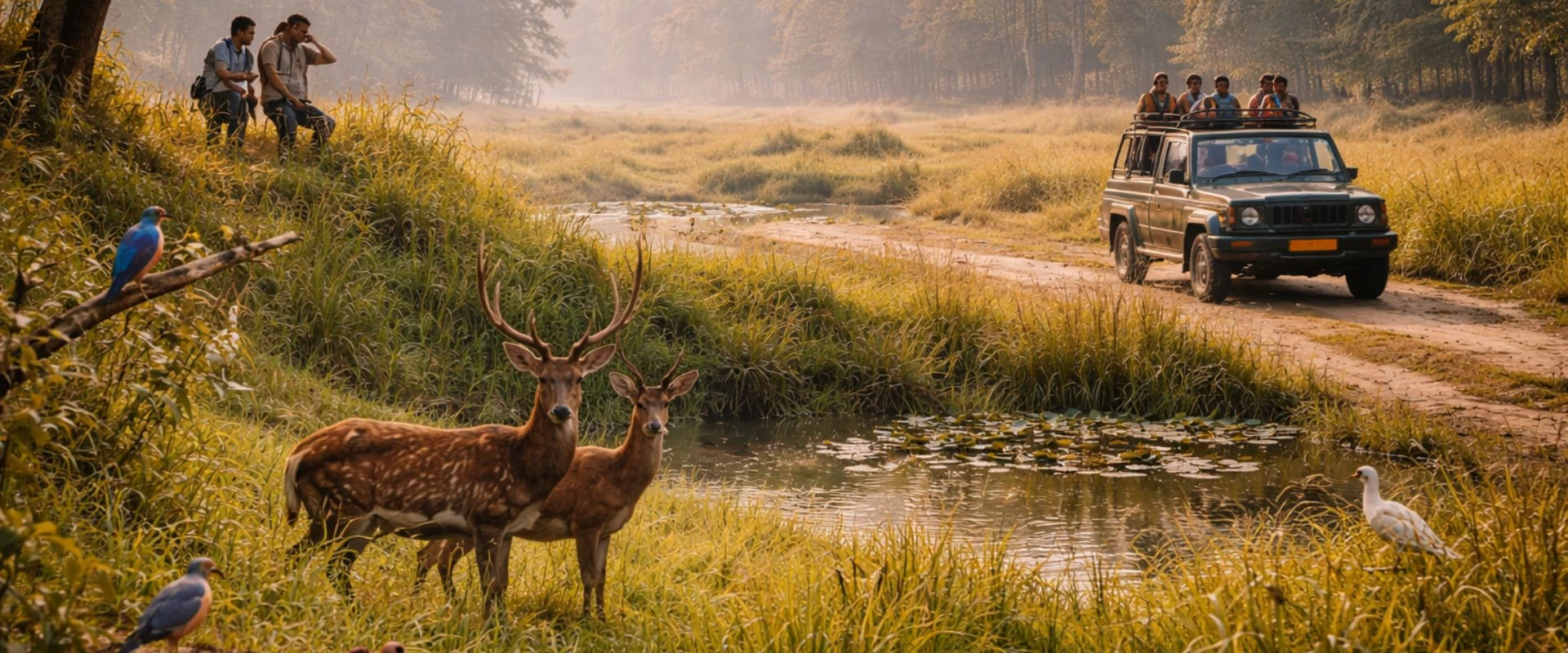
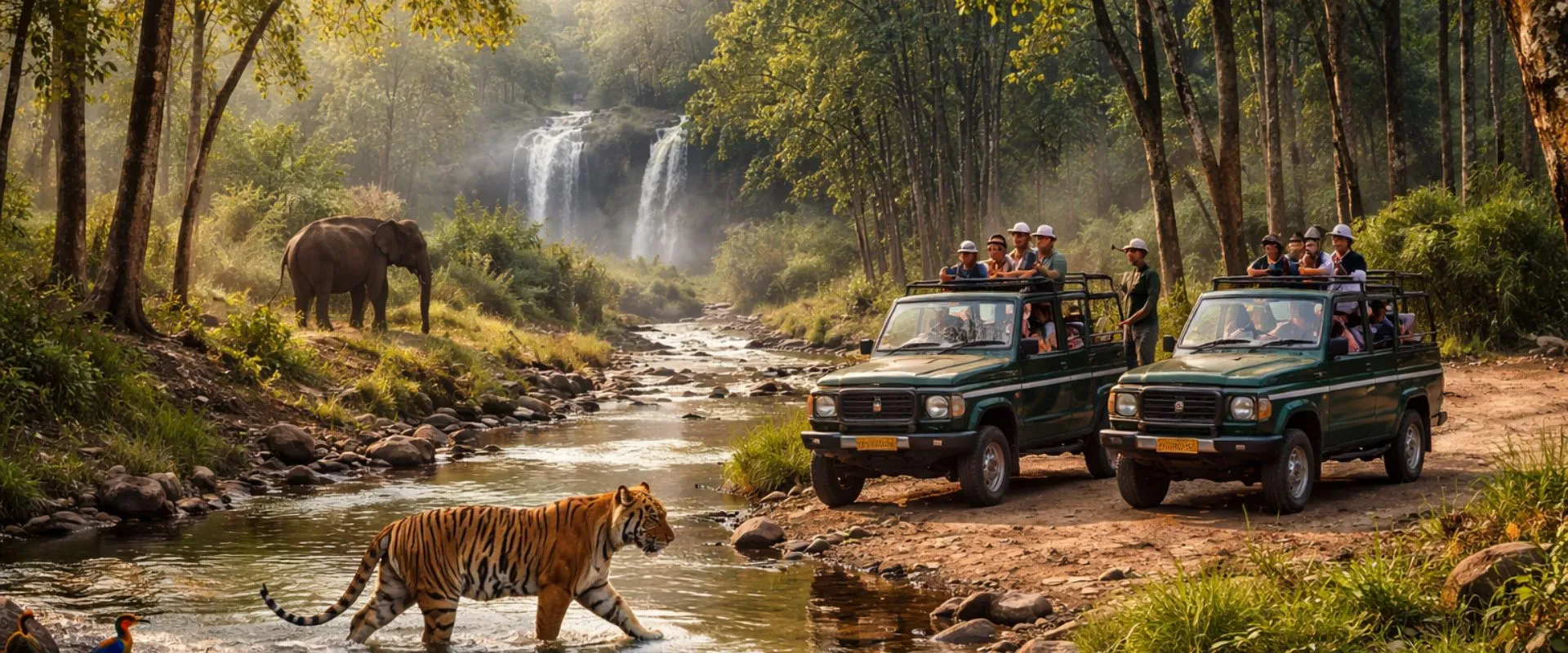
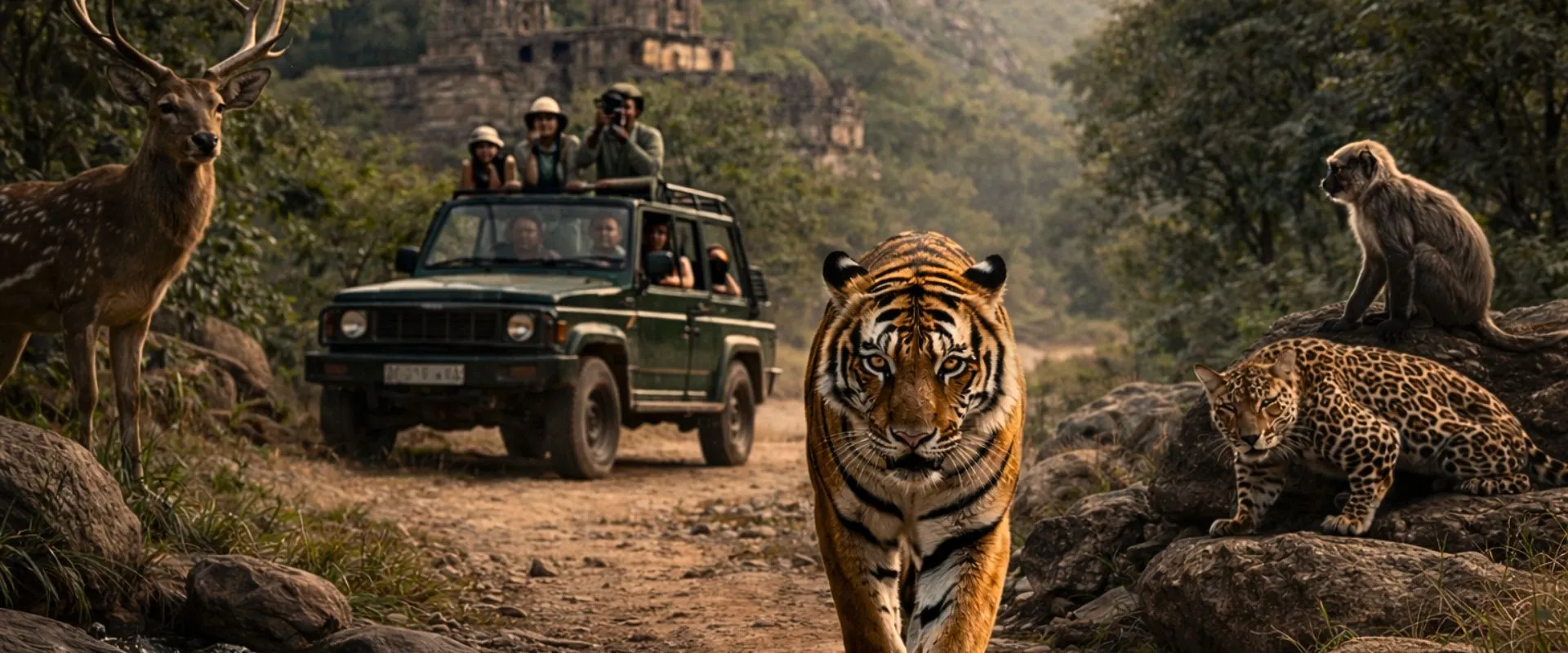
Pilibhit Tiger Reserve safari booking is the key to unlocking the wonders of this incredible forest. The primary way to experience the wildlife here is through a Pilibhit tiger safaris in open-air jeeps. These safaris offer an unparalleled opportunity to immerse yourself in the jungle and spot its inhabitants.

  • Jeep Safaris: This is the most popular way to explore the reserve. Trained drivers navigate the forest tracks, while expert guides accompany you, sharing insights into the park’s history, flora, and fauna. They are highly skilled at spotting alarm calls, pugmarks, and other signs that might lead to a tiger sighting – a truly exhilarating moment!
    • Safari Timings:
      • Winter (Nov 1 to March 31): Morning – 6:30 AM to 10:00 AM; Evening – 2:30 PM to Sunset.
      • Summer (April 1 to June 15): Morning – 6:00 AM to 9:30 AM; Evening – 3:30 PM to Sunset.
    • Each jeep safari typically lasts around 3 hours.
    • Maximum number of safari jeeps: 20 jeeps per shift, making early Pilibhit safari booking crucial, especially during peak season.
  • Bird Watching: With such a rich diversity of avian life, Pilibhit is a dream for birdwatchers. Dedicated bird excursions and nature trails allow you to focus on spotting and identifying the numerous species.
  • Nature Walks: Certain areas might offer guided nature walks, allowing for a more intimate experience with the smaller wonders of the forest.
  • Chuka Beach: This beautiful spot offers a tranquil setting for relaxation and enjoying the scenic beauty of the Sharda Sagar Dam.
  • Interpretation Centers: The Nature Interpretation Center at Mahof (Chuka Interpretation Zone) provides valuable information about the reserve’s ecosystem, conservation efforts, and wildlife.

Growth in Tourism: Pilibhit’s Rising Star

Pilibhit Tiger Reserve has been steadily gaining recognition on the ecotourism map, and rightfully so! Recent statistics highlight a significant surge in visitor numbers, reflecting the growing interest in this unique wildlife destination.

According to official figures, Pilibhit Tiger Reserve recorded a notable increase in both domestic and foreign tourist footfall. For example, in the 2024-25 ecotourism season, PTR welcomed 56,289 tourists, a record high, up from 54,378 in the previous cycle. Revenue also saw a healthy rise, reaching ₹1.60 crore, exceeding the previous year’s ₹1.36 crore. What’s even more impressive is the doubling of foreign tourists, from 189 to 452, showcasing its growing international appeal.

This increased turnout can be attributed to several factors:

  • Higher Likelihood of Tiger Sightings: As the tiger population thrives, the chances of spotting these magnificent creatures have significantly increased, drawing more wildlife enthusiasts.
  • Rich Biodiversity: The sheer variety of flora and fauna offers a compelling reason for nature lovers to visit.
  • Scenic Beauty of Chuka Beach: The picturesque landscapes, particularly around Chuka, provide a serene and beautiful backdrop for a memorable trip.
  • Well-maintained Tourist Facilities: The availability of comfortable tourist huts for overnight stays and enhanced ecotourism management contribute to a pleasant visitor experience.
  • Sufficient Safari Vehicles and Trained Guides: These essential services ensure smooth and informative safaris.

The Uttar Pradesh Forest Corporation has also played a crucial role by consistently providing facilities like tourist accommodations and well-equipped safari vehicles, and by implementing online Pilibhit safari booking facilities, making it easier for visitors to plan their trips.

Incredible Work by the Forest Department: Guardians of the Wild

The success story of Pilibhit Tiger Reserve is largely due to the tireless and dedicated efforts of the Forest Department. Their incredible work in conservation and habitat management has been instrumental in the thriving ecosystem we see today.

  • Tiger Conservation: Pilibhit was recognized with the TX2 Award in 2020 for doubling its tiger population in a short span, a remarkable achievement that underscores the effectiveness of their conservation strategies. This involves rigorous patrolling, anti-poaching measures, and scientific monitoring of tiger movements and population.
  • Habitat Management: The Forest Department actively works on maintaining and restoring the diverse habitats within the reserve. This includes managing grasslands through controlled burning and weed eradication to ensure a healthy prey base, and developing water resources by constructing and maintaining water holes.
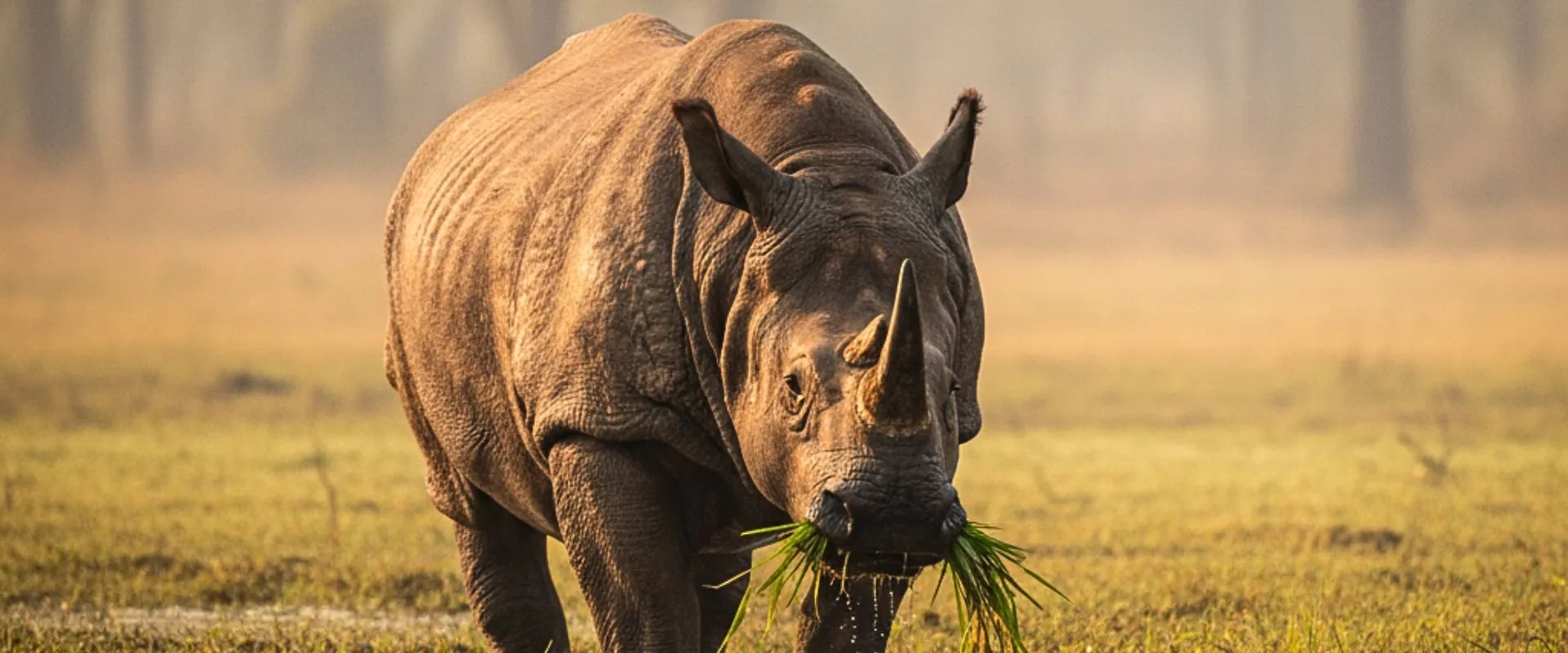
  • Rhino Reintroduction Project: In a significant move to enhance biodiversity and conservation, the Uttar Pradesh government has allocated funds for establishing new habitats for the one-horned rhinoceros in Pilibhit Tiger Reserve (and Katarniaghat Wildlife Sanctuary). This project, overseen by Dudhwa Tiger Reserve, involves site selection, habitat preparation, and eventually, the translocation of rhinos. The introduction of the Rhino DNA Indexing System (RhODIS) will further bolster surveillance and anti-poaching efforts. This project is currently underway, with audit and site selection work having been completed in March 2025 for PTR, and funds allocated for implementation.
  • Human-Wildlife Conflict Mitigation: With increasing wildlife populations, especially big cats, managing human-wildlife conflict becomes crucial. The Forest Department works on various strategies to minimize these conflicts, often involving community engagement and awareness programs.
  • Ecotourism Management: Beyond conservation, the department is also responsible for managing ecotourism, ensuring that tourism activities are sustainable and do not negatively impact the environment or wildlife. This includes managing safari operations, maintaining tourist facilities, and employing trained guides.
  • Forest Consolidation: Efforts are underway to clearly demarcate and protect the forest boundaries, preventing encroachment and illegal activities.

The commitment and strategic planning of the Pilibhit Forest Department are truly inspiring, making PTR a model for successful conservation.

Types of Safaris in Pilibhit Tiger Reserve: Your Ticket to Adventure

When you plan your Pilibhit safari booking, you’ll primarily be looking at jeep safaris, which offer the most comprehensive wildlife viewing experience.

  • Classic Jeep Safari: This is the standard safari conducted in open-air jeeps with a driver and an experienced guide. These safaris traverse designated routes within the core and buffer zones, offering opportunities to spot a wide array of wildlife, from the majestic tiger to various deer, birds, and reptiles.
  • Elephant Safari (Limited Availability): While jeep safaris are the main attraction, some areas might offer limited elephant safaris. These provide a unique, elevated perspective, allowing access to areas that jeeps might not reach, and can be particularly good for birdwatching and spotting smaller, camouflaged animals. However, their availability often varies, and it’s best to confirm beforehand.
  • Nature Trails & Bird Excursions: For those who prefer a more focused experience on specific aspects of nature, guided nature trails and birdwatching excursions are often available, allowing you to delve deeper into the reserve’s avian wonders and smaller ecosystems.

Pilibhit safari booking can be done through authorized tour operators. It’s highly recommended to book your safaris in advance, especially during peak seasons, as there’s a limit on the number of vehicles allowed per shift. The costs typically include the booking fee, vehicle charges, and guide fees.

Accommodation in Pilibhit: Where to Rest Your Wild Heart

After an exhilarating day of Pilibhit tiger safaris, you’ll need a comfortable place to unwind. Pilibhit offers a range of accommodation options to suit different preferences and budgets, from forest department huts to private resorts and Pilibhit hotels.

  • Forest Department Huts (Chuka Eco Tourism Zone):
    • Bamboo Huts, Tree Huts, and Tharu Huts: These offer a unique and immersive experience, allowing you to stay right within the deep forest. Imagine waking up to the sounds of the jungle! These huts are highly popular and have limited availability, so Pilibhit bookings for these should be made well in advance. The “Water Hut” located just above the water and the “Tree Hut” at an altitude offer particularly scenic views.
  • Resorts and Hotels near Pilibhit Tiger Reserve: Several private Pilibhit resorts and Pilibhit hotels have sprung up in the vicinity of the reserve, offering more conventional comfort and amenities. These are typically located within 10-50 km of the park gates.

When choosing your accommodation, consider its proximity to the safari gates you plan to use, and remember that staying within the Chuka Eco Tourism Zone offers a truly unique jungle immersion. For all Pilibhit bookings, especially during peak season, advance reservation is key.

Tourism Zones in Pilibhit Tiger Reserve: Exploring the Best of the Wild

Pilibhit Tiger Reserve is divided into different zones to manage tourism and ensure the well-being of the wildlife. While specific detailed maps of all tourism zones are not widely available to the public in a simple format, the primary and most popular ecotourism zone is the Chuka Eco Tourism Zone.

  • Chuka Eco Tourism Zone: This is the most well-developed and accessible tourism zone within Pilibhit Tiger Reserve. It’s renowned for its scenic beauty, particularly the Chuka Beach area along the Sharda Sagar Dam.
    • Entry Gates: The main entry gates for safaris into this zone are Mustafabad Gate and Mahof Gate.
    • Attractions within Chuka:
      • Chuka Beach: A serene and picturesque spot for relaxation and photography.
      • Jungle Safari Routes: Well-defined tracks for jeep safaris, offering excellent opportunities for wildlife sightings.
      • Bifurcation and Siphon Canal: Interesting points where man-made canals interact with the natural landscape.
      • Sapt Sarover, Kharja Canal, Laal Pul, Sunrise Point, Sunset Point, Python Point, Crocodile Point, Otter Point, Birding Point (Jhand Taal), Barahasingha Taal, Bhim Taal: These are various points of interest within or near the Chuka zone, offering specific wildlife viewing opportunities or scenic vistas.
      • Nature Interpretation Center, Mahof: Provides educational insights into the reserve.

While there might be other ranges or zones for forest management, Chuka is the primary designated area for tourist activities. Some sources mention a “Zone 1 (Core Area) Chuka Gate and Aranya Gate” and “Zone 2” with “Powalgarh, Ghoshitola and Bisalpur Gate,” suggesting multiple entry points and areas.

However, for most tourists, the Chuka Eco Tourism Zone accessible via Mustafabad and Mahof gates is the main focus. It is always advisable to check with Eagle Safari’s tour advisor for the latest information on accessible zones and entry points.

Eagle Safari: Your Gateway to a Personalized Pilibhit Adventure

When planning your Pilibhit tiger safaris, you’ll want an experience that’s not just a ride through the jungle, but a truly immersive and unforgettable adventure. This is where a dedicated and experienced safari organizer like us, Eagle Safaris, comes in.

At Eagle Safaris, we pride ourselves on crafting high-quality, personalized safari tours that go beyond the ordinary. Here’s how we ensure your Pilibhit experience is nothing short of spectacular:

  • Tailored Itineraries: We understand that every traveler is unique. That’s why we don’t just offer standard packages; we craft personalized itineraries that align with your interests, whether you’re a keen photographer, a dedicated birdwatcher, or primarily hoping for a thrilling tiger sighting. We can help you plan the optimal number of safaris, the best times to go out, and even suggest combining Pilibhit with other nearby wildlife destinations like Dudhwa National Park for a more extended wildlife circuit.
  • Expert Guides and Drivers: This is perhaps the most crucial element of a successful safari, and we ensure you’re in the best hands. We work with highly experienced and knowledgeable local guides and drivers who know the forest inside out. They understand animal behavior, track movements, interpret alarm calls, and ensure you’re in the best possible position for sightings while strictly adhering to park rules. They’re not just chauffeurs; they’re your jungle mentors.
  • Seamless Logistics: From the moment you arrive, we handle all the nitty-gritty details so you can relax and focus on the adventure. This includes:
    • Pilibhit Safari Booking: Navigating the online Pilibhit safari booking system and securing permits can be complex. We take care of all safari permits and jeep allocations well in advance, ensuring you don’t miss out.
    • Accommodation in Pilibhit: We help you choose and book the best Pilibhit resorts or forest huts that match your comfort level and budget, ensuring your stay is as comfortable as your safaris are thrilling.
    • Transportation: We arrange comfortable and reliable transfers from the nearest airport (Bareilly) or railway station to the reserve, and between your accommodation and the safari gates.
    • Meals: Often, our personalized safari packages will include curated meal plans, ensuring you have delicious and hygienic food throughout your trip.
  • Focus on Ethical Wildlife Tourism: We at Eagle Safaris prioritize the well-being of the animals and the environment above all. We ensure our guides and guests maintain a respectful distance from wildlife, avoid disturbing them, and adhere to all park regulations. We also educate our visitors on the critical importance of conservation.
  • Beyond the Safari: A truly personalized tour with us might offer additional experiences like:
    • Cultural Interactions: Opportunities to engage with local communities, perhaps the Tharu tribe, to understand their traditional way of life and connection with the forest.
    • Night Safaris (if permitted): Some reserves offer night safaris in buffer zones, providing a different perspective on nocturnal wildlife.
    • Photography Workshops: For photography enthusiasts, we can arrange specialized photography safaris with expert guidance.
  • Emergency Support: With Eagle Safari, you have peace of mind knowing that we have contingency plans and support in case of any unforeseen circumstances, ensuring your trip remains stress-free.

By choosing us, Eagle Safaris, you can transform your trip to Pilibhit Tiger Reserve from a simple visit into a truly bespoke and memorable wildlife adventure, allowing you to focus entirely on the magic of the jungle and its incredible inhabitants.

Pilibhit Tiger Reserve is more than just a destination; it’s an experience. It’s a place where the wild still reigns, where conservation efforts are bearing fruit, and where every visit contributes to the preservation of these precious ecosystems. So, pack your bags, get ready for some thrilling Pilibhit tiger safaris, ensure your Pilibhit safari booking is done, find your perfect Pilibhit resort, and prepare to become an expert on the incredible wonders of Pilibhit! You won’t just see the jungle; you’ll feel its pulse.

Book your Jungle Experiences along with Safaris & Local Activities