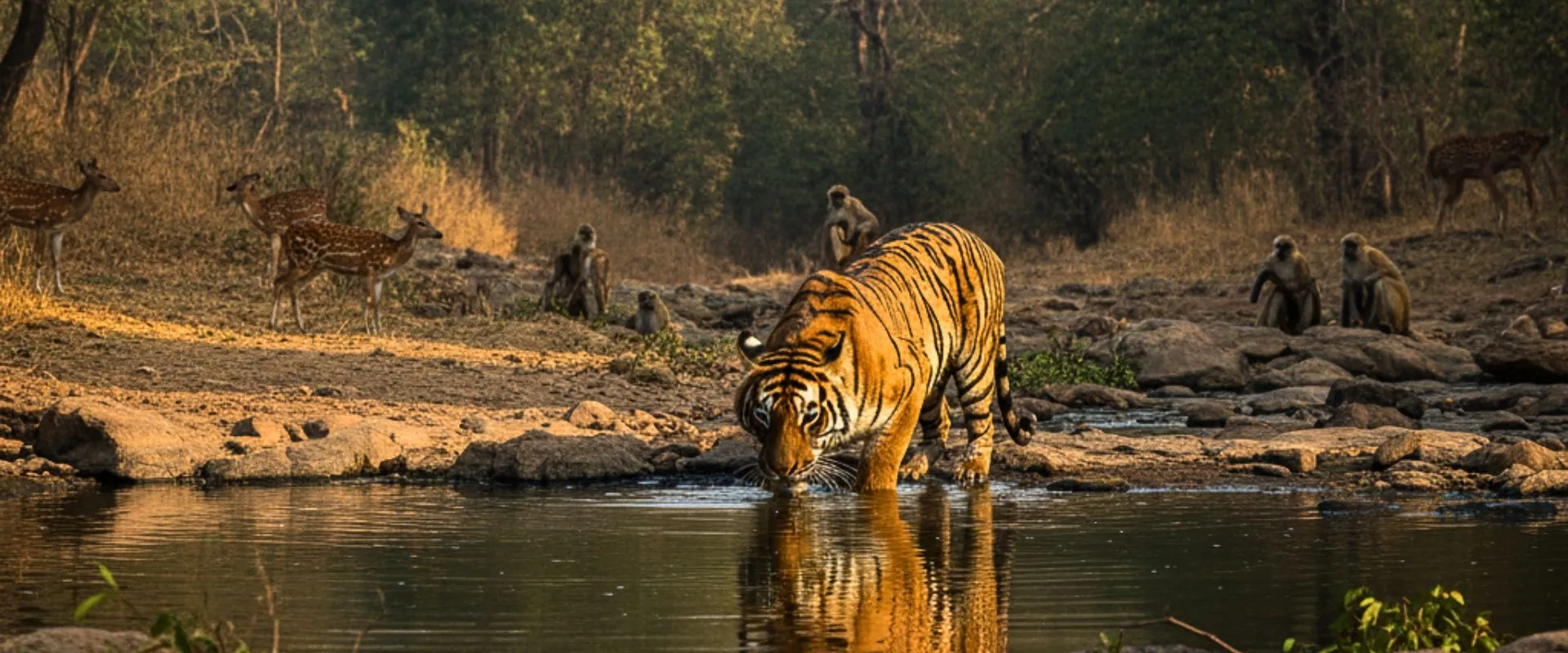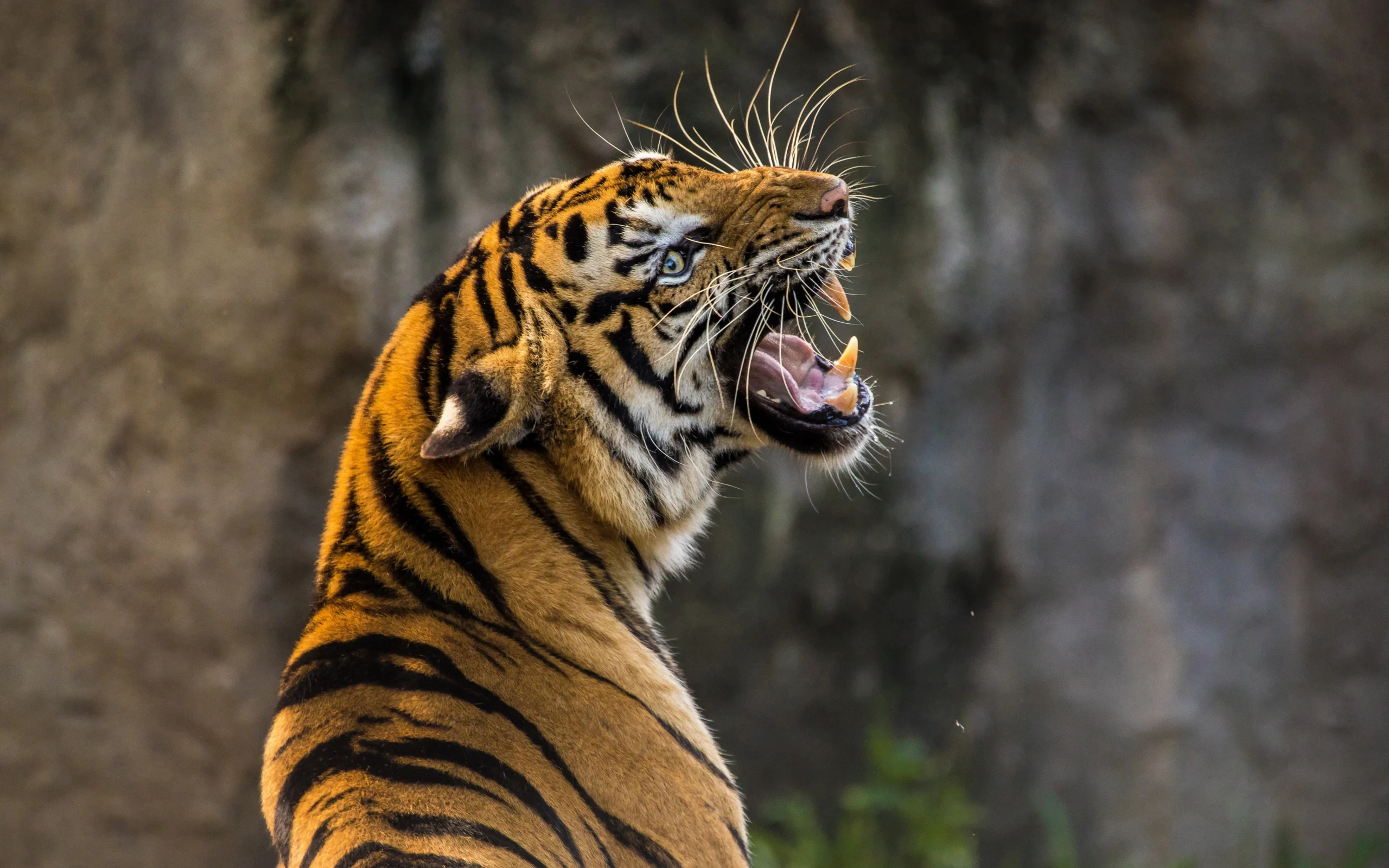
Panna National Park, one of India’s most scenic and ecologically significant tiger reserves, is a popular wildlife destination for travellers who love nature, forests, and rare wildlife. The park is located in the Panna and Chhatarpur districts of Madhya Pradesh, about 380 kilometres from Bhopal and around 25 kilometres from Khajuraho.
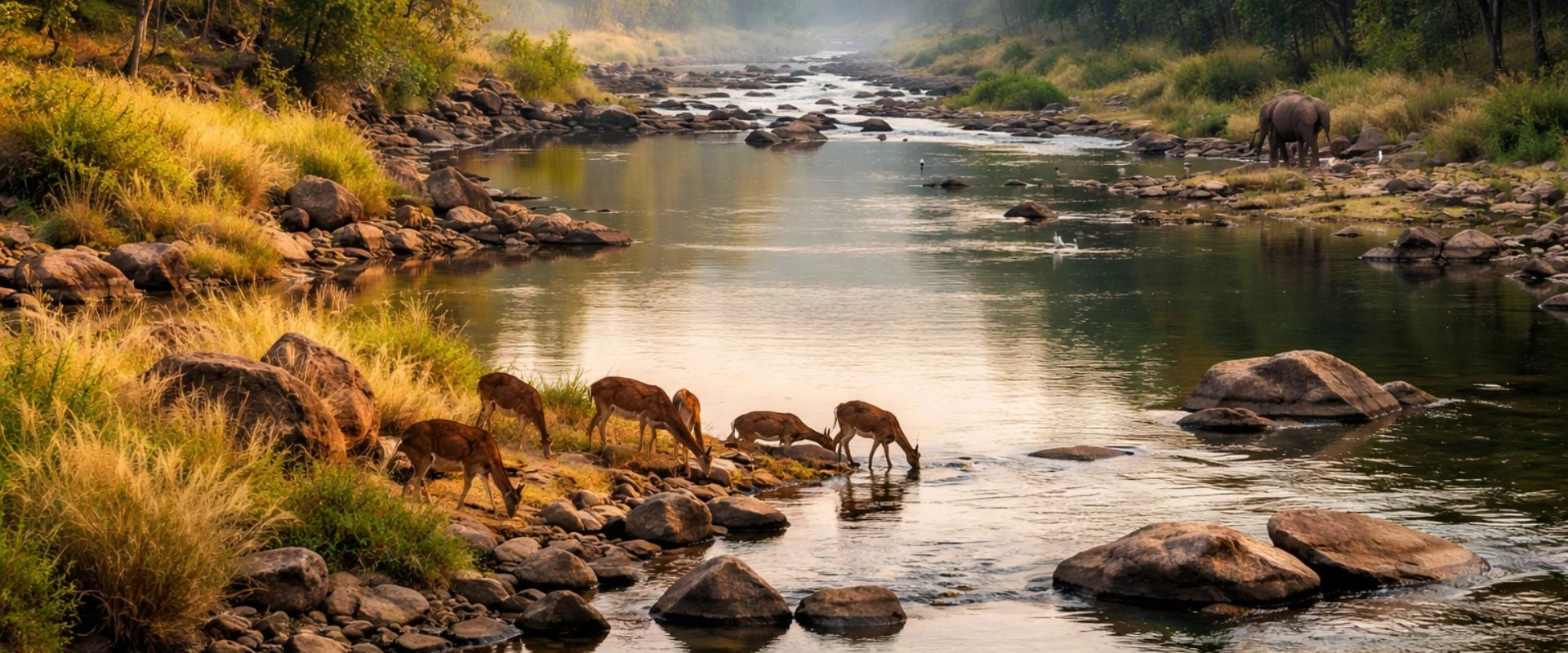
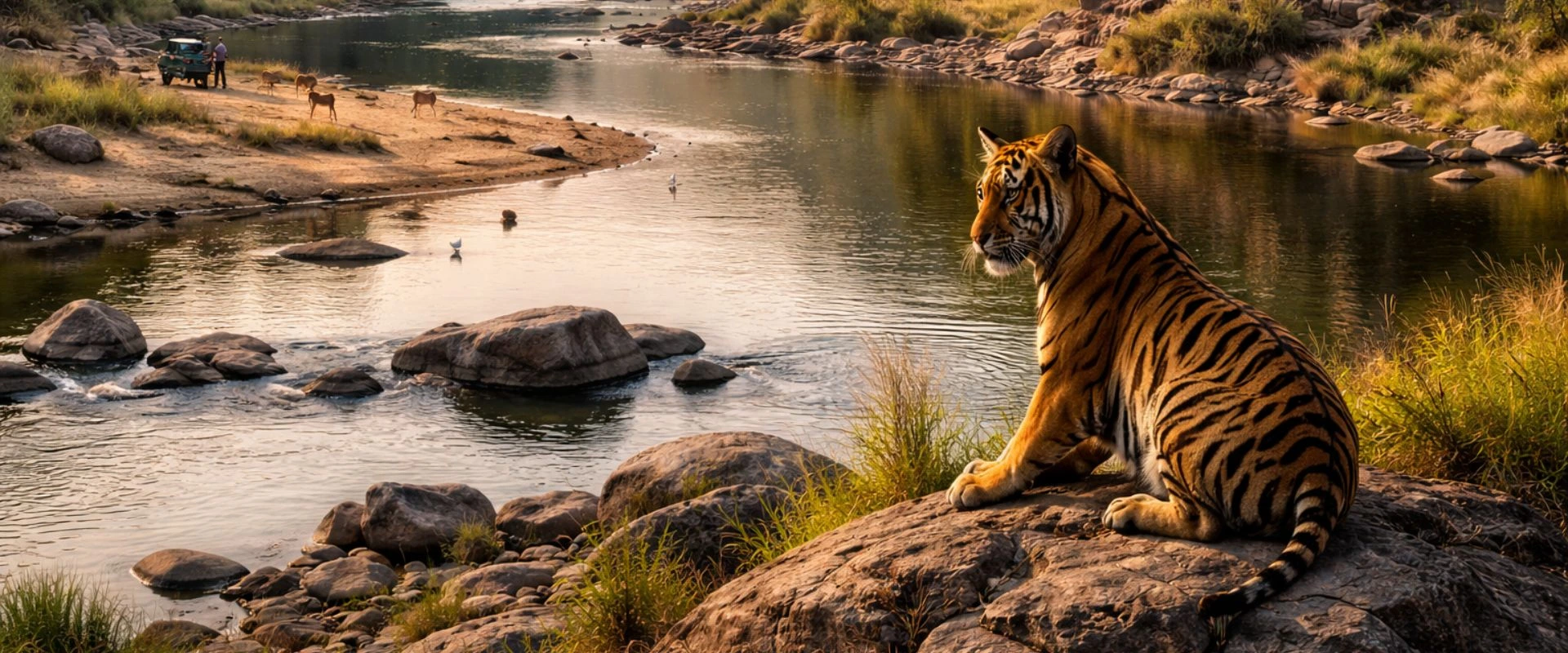
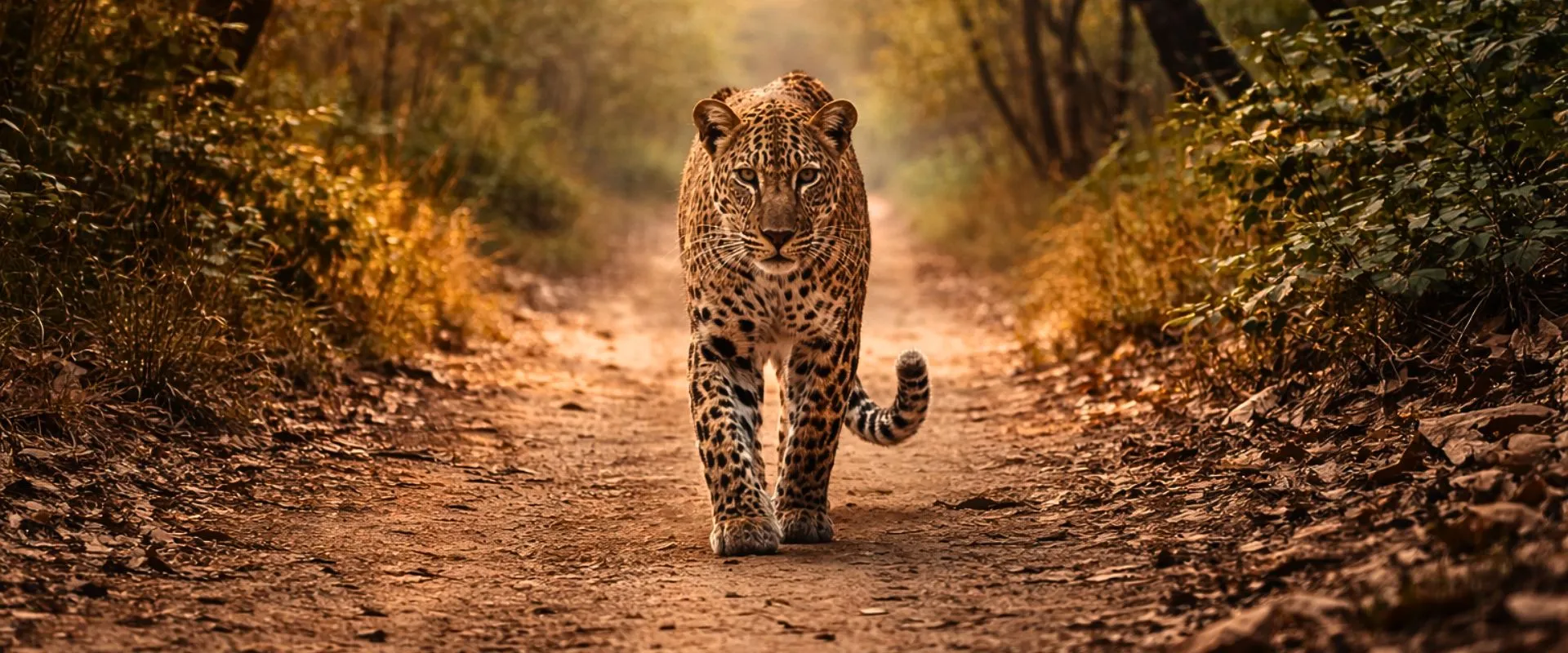
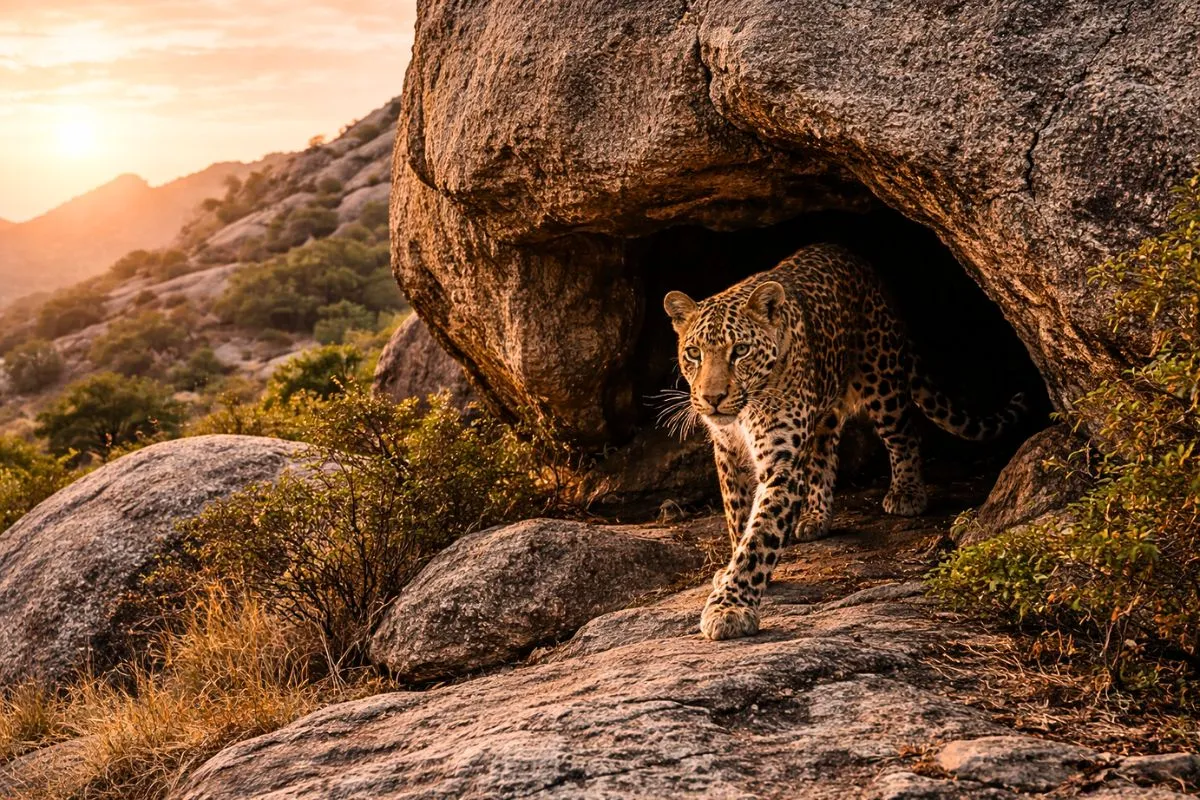
The state of Madhya Pradesh in central India is home to this forested wildlife reserve, which lies along the banks of the Ken River. Zones such as Madla, jhinna,Harsa, Hinouta, and Akola are home to a wide variety of wildlife of wildlife including tigers, leopards, sloth bears, wolves, and crocodiles. Panna National Park is especially well known for its successful tiger conservation programs, along with its dramatic landscapes of waterfalls, deep gorges, plateaus, and dense forests.
The park is well connected by road and is easily accessible from major cities and nearby tourist hubs like Khajuraho
Panna National Park is one of India’s most picturesque and ecologically rich wildlife reserves, located in the Panna and Chhatarpur districts of Madhya Pradesh. Spread across a dramatic landscape shaped by the Ken River, the park is known for its deep gorges, plateaus, waterfalls, and dense forest cover, making it one of the most scenic tiger reserves in central India.
Declared as a wildlife sanctuary in 1981 and later notified as a Tiger Reserve in 1994, Panna National Park holds a special place in India’s conservation history. After facing a severe decline in tiger population, the park became a global success story due to its well-planned tiger reintroduction program. Today, Panna stands as a shining example of effective wildlife management and habitat restoration.
The park’s unique geography sets it apart from other tiger reserves in Madhya Pradesh. Unlike dense Sal forests, Panna features a mix of tropical dry deciduous forests, grasslands, and riverine ecosystems along the Ken River. This diverse habitat supports a wide range of wildlife, including tigers, leopards, sloth bears, crocodiles, and over 200 species of birds.
Another major advantage of Panna National Park is its excellent accessibility. Located just 25 kilometres from Khajuraho — a UNESCO World Heritage Site — the park offers travellers a perfect combination of wildlife exploration and cultural tourism. Its relatively peaceful environment, lower tourist density compared to parks like Bandhavgarh and Kanha, and breathtaking landscapes make Panna an ideal destination for nature lovers, photographers, and families seeking a balanced wildlife experience.
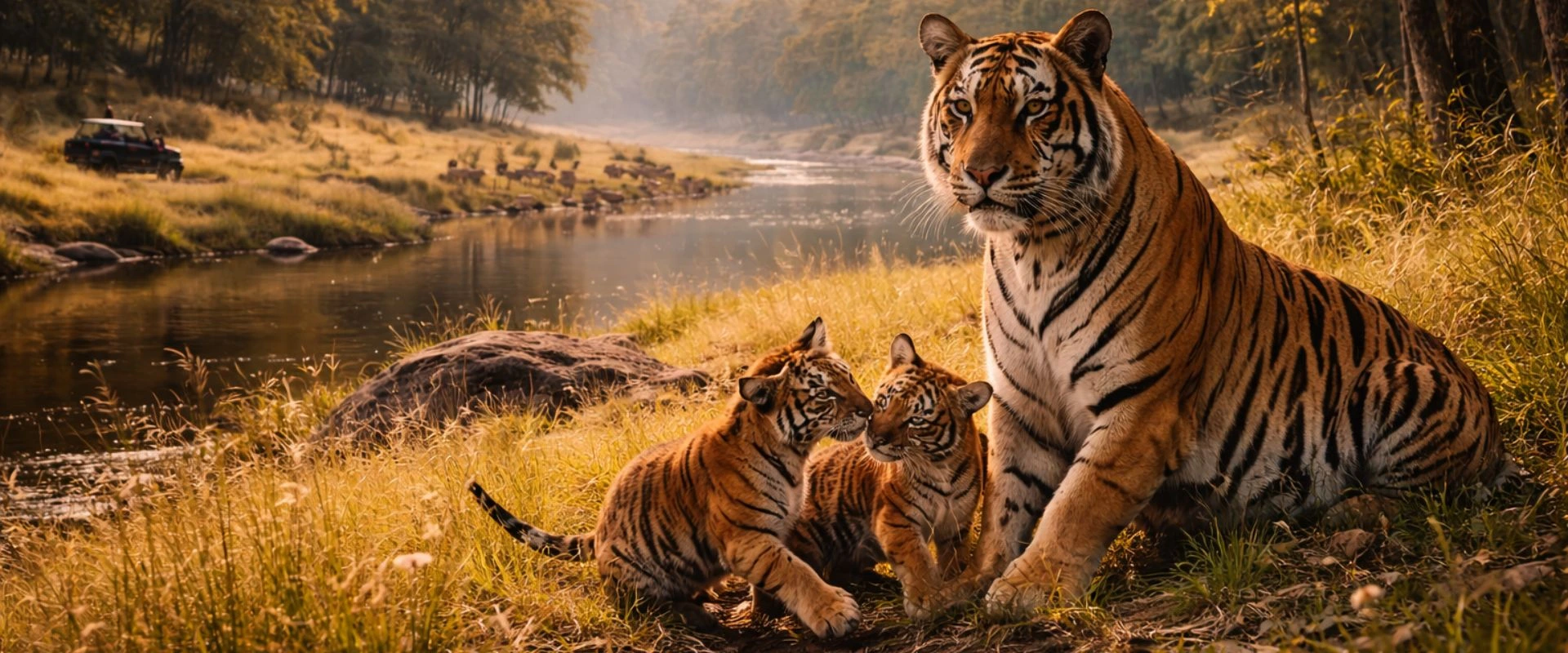
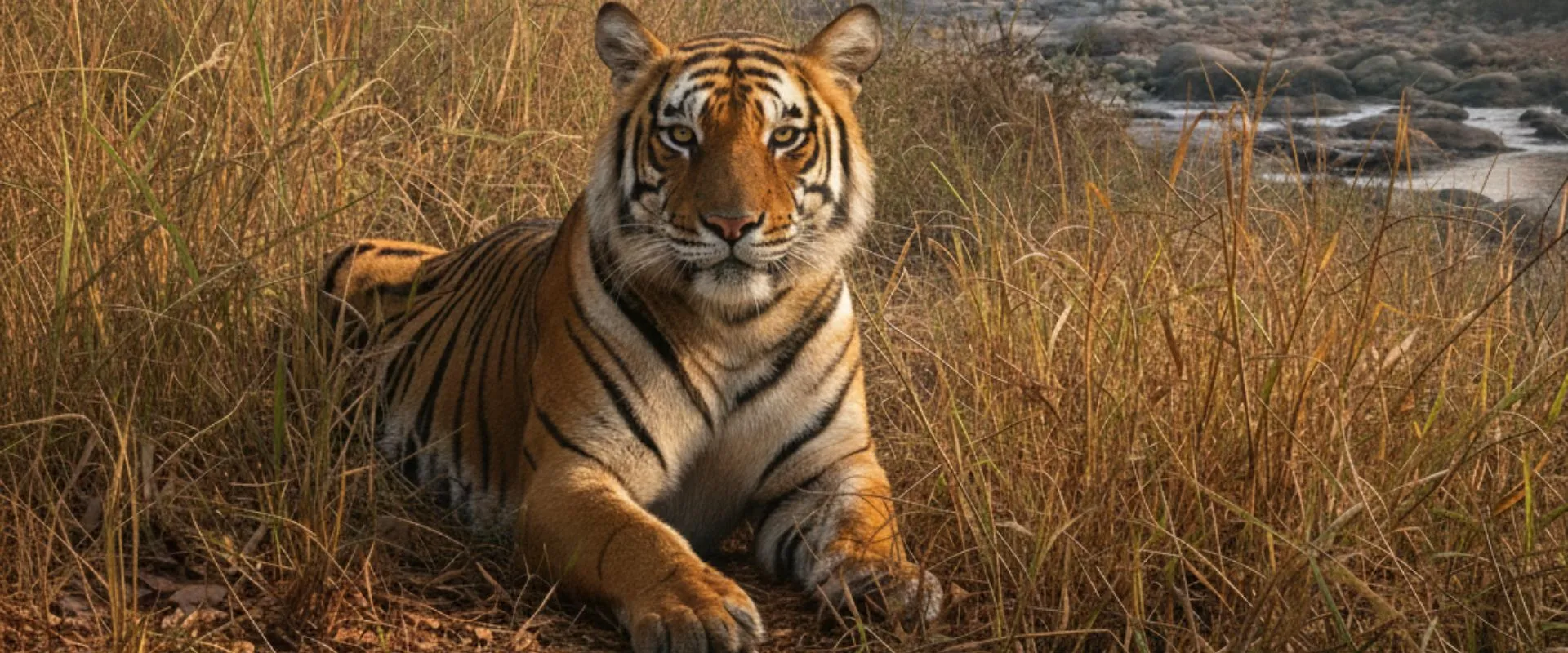
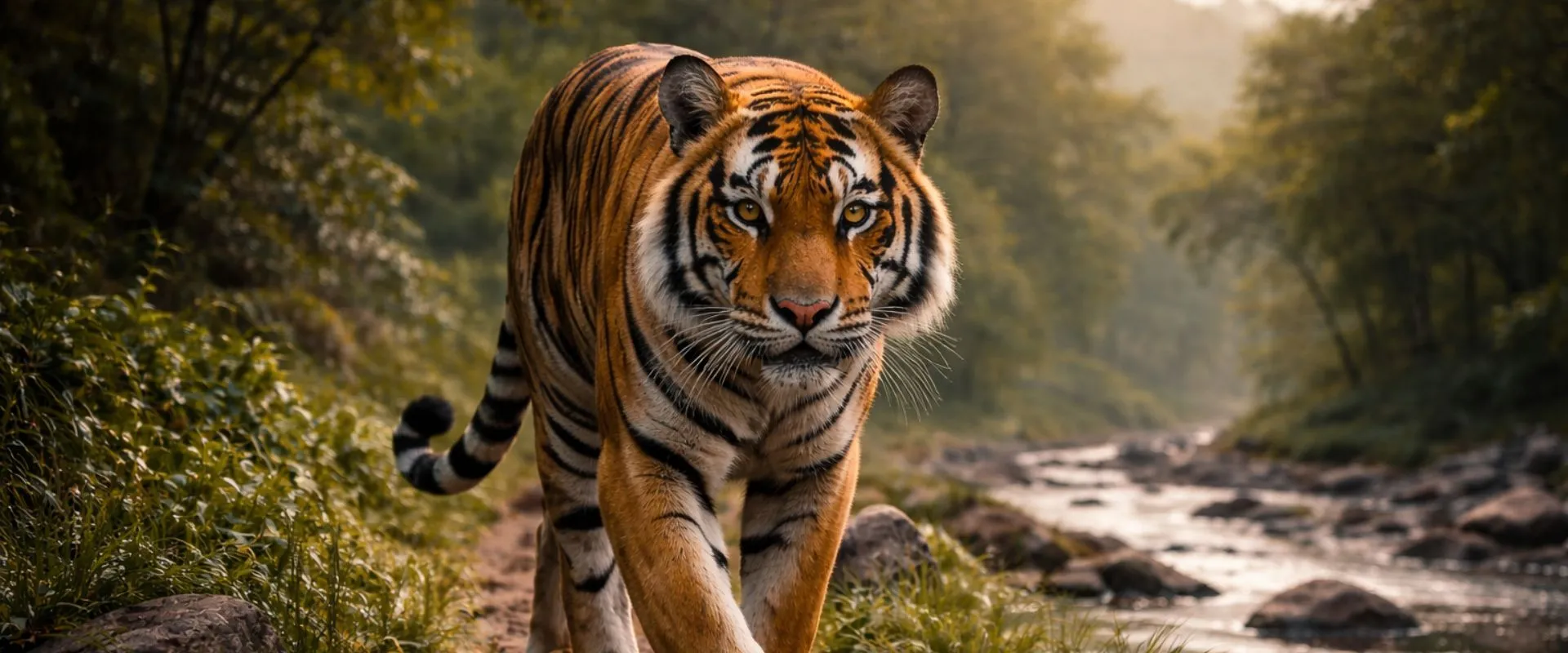
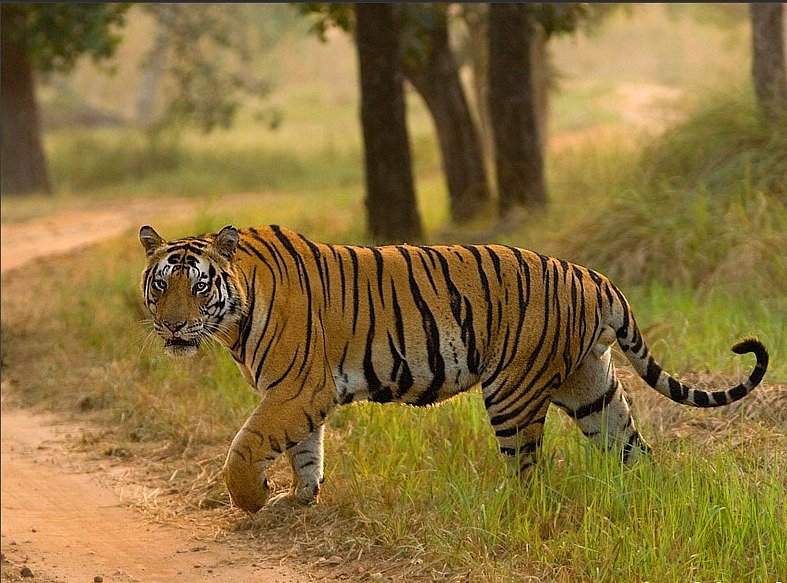
Panna National Park is famous for being one of India’s most inspiring wildlife conservation success stories. After witnessing a drastic decline in its tiger population, Panna emerged as a global example of successful tiger reintroduction and habitat restoration. Today, the park is once again home to a healthy and growing population of Royal Bengal Tigers, making it a symbol of effective wildlife management in India.
Another major reason for Panna’s fame is its breathtaking landscape, which is unlike any other tiger reserve in the country. The park is carved by the Ken River, forming dramatic gorges, plateaus, waterfalls, and lush riverbanks. Natural attractions such as Pandav Falls and the Raneh Falls Canyon add to its scenic charm, making Panna a rare destination where wildlife and natural beauty blend seamlessly.
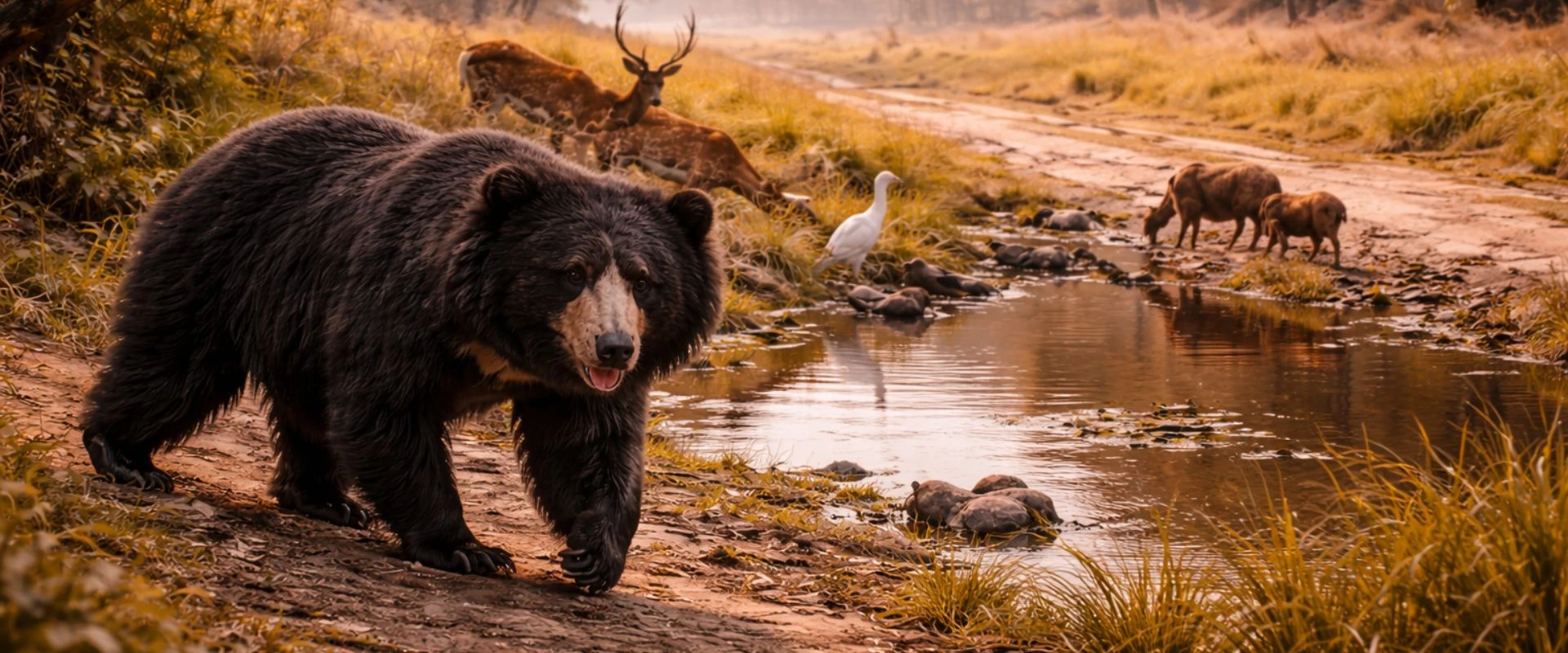
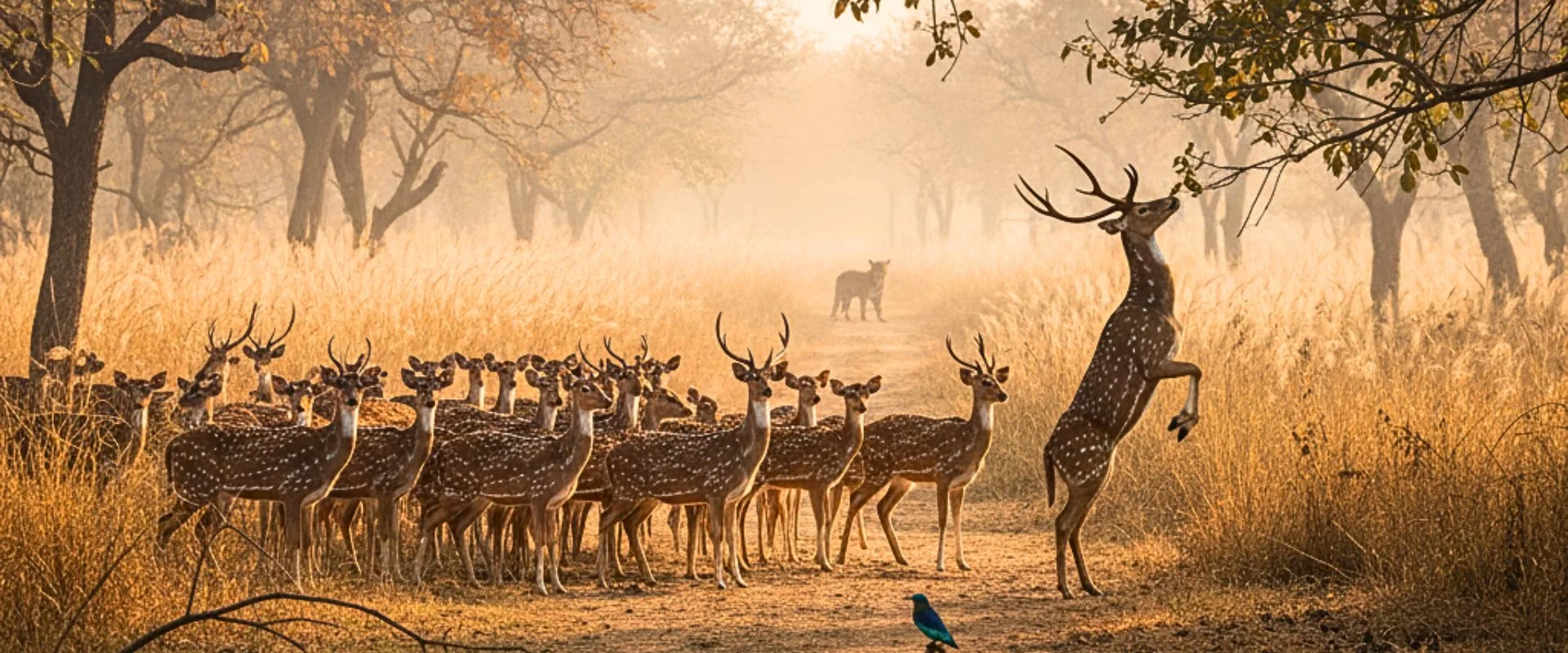
Panna National Park is also renowned for its rich biodiversity beyond tigers. Visitors frequently spot leopards, sloth bears, wolves, hyenas, crocodiles, and a wide variety of deer species. The Ken River further enhances wildlife viewing opportunities by supporting aquatic species like mugger crocodiles and otters, while also attracting migratory and resident birds.
The park’s relatively low tourist density compared to popular reserves like Bandhavgarh and Kanha makes it especially attractive to travellers seeking a peaceful and less crowded safari experience. This allows for more relaxed wildlife sightings and a deeper connection with nature.
Lastly, Panna’s close proximity to Khajuraho — a UNESCO World Heritage Site — makes it famous as a combined wildlife and cultural tourism destination. Tourists can enjoy thrilling jungle safaris in the morning and explore world-renowned temples in the same trip, making Panna National Park a unique and highly desirable travel destination in central India.
The nearest railway station is Khajuraho (approx. 25 km) from Panna National Park. Khajuraho is connected to cities like Delhi, Jhansi, Kanpur, and Varanasi.
Another major railhead is Satna (about 90 km), which has good connectivity with Delhi, Mumbai, Kolkata, and Bhopal. From both Khajuraho and Satna, taxis are easily available to reach the park.
Panna is well connected by road to nearby cities such as Khajuraho, Satna, Chhatarpur, Jhansi, and Bhopal. Regular buses and private taxis operate on these routes.
The closest airport is Khajuraho Airport (approx. 25 km), which has flights from Delhi and Varanasi.
Other nearby airports include Khajuraho and Jabalpur (around 250 km), which connect to major Indian cities.
Panna National Park features a unique mix of tropical dry deciduous forests, grasslands, and riverine ecosystems. The vegetation includes Teak, Kardhai, Tendu, Mahua, Salai, and bamboo forests. Along the Ken River, you’ll find lush riverine plants and grasslands known as chaurs.
The park is home to more than 1,000 plant species, including trees, shrubs, climbers, medicinal herbs, and grasses.
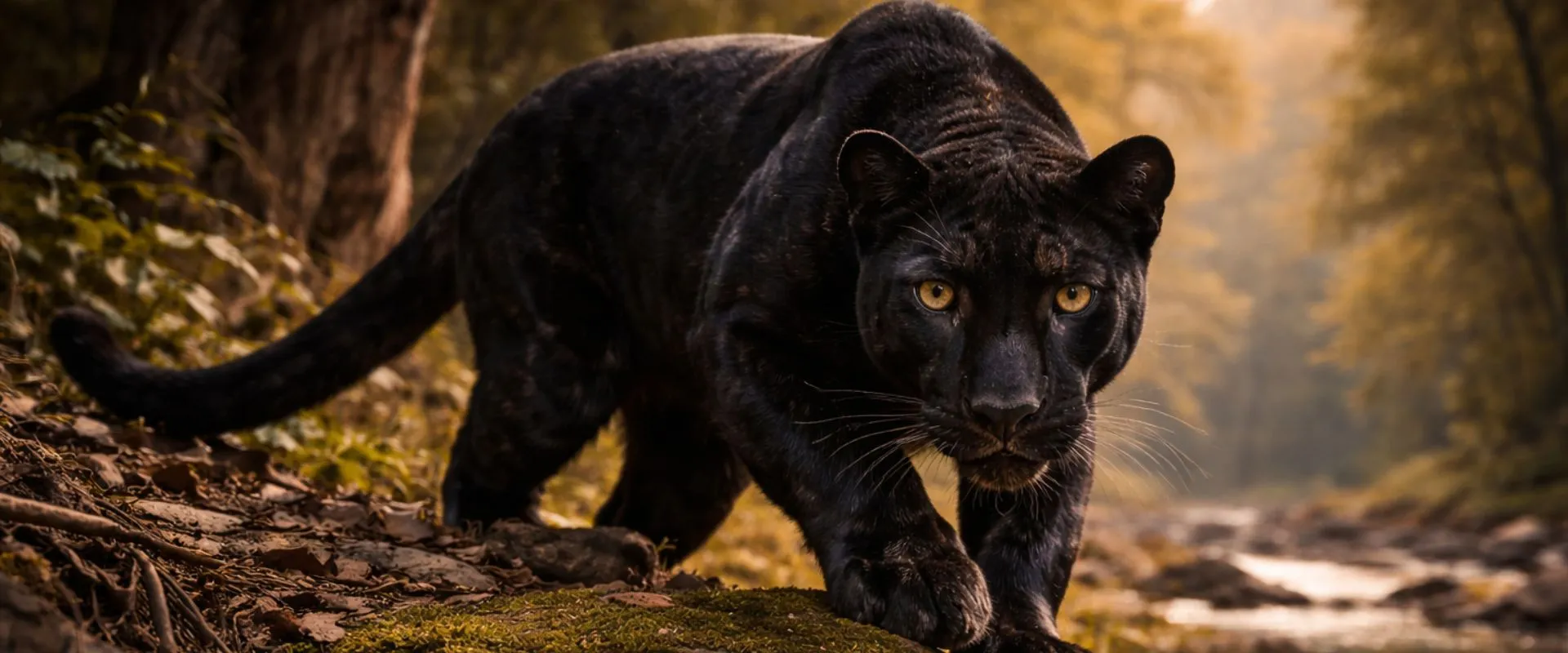
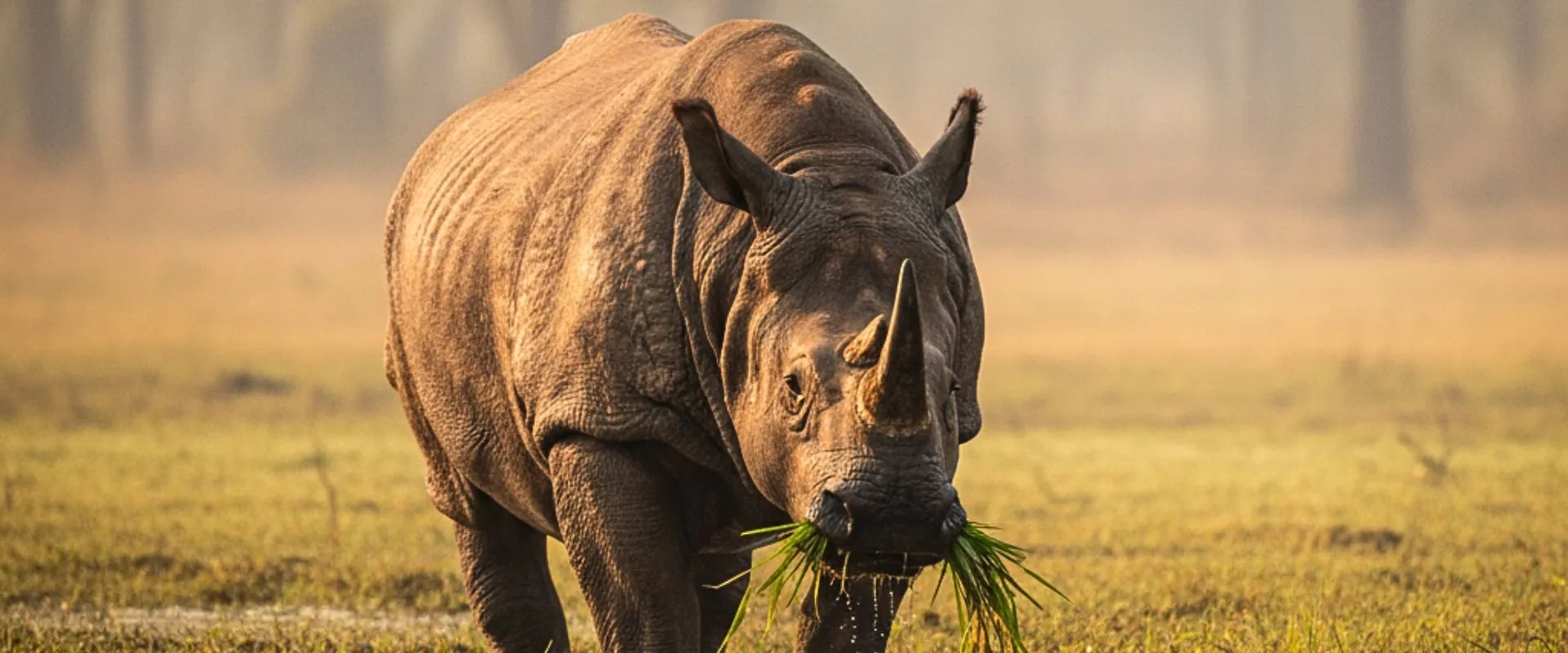
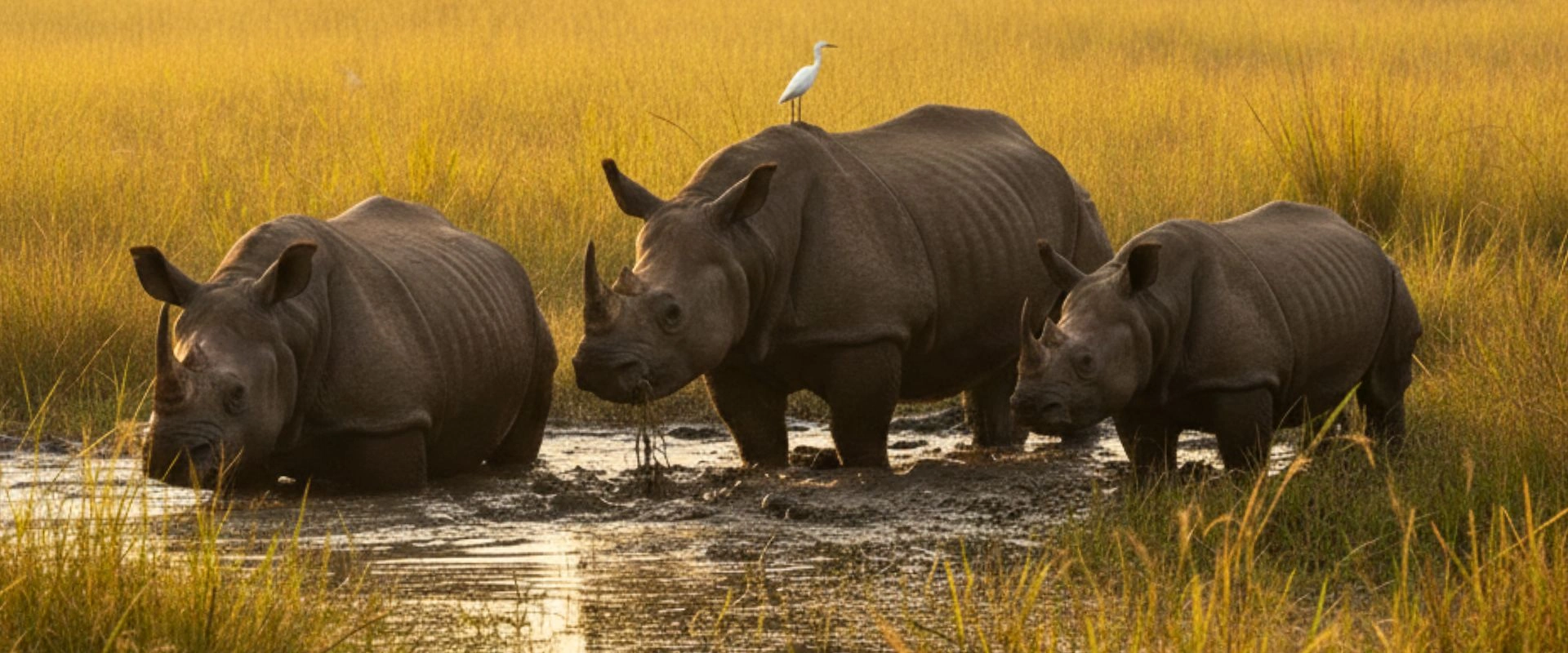
Panna is famous for its Royal Bengal Tigers, reintroduced through one of India’s most successful conservation efforts. Other major animals include:
The Ken River supports aquatic life such as:
The park is also rich in birdlife, with over 200 species of birds, including vultures, kingfishers, eagles, and water birds.
Panna National Park is perfect for wildlife lovers, photographers, families, and adventure seekers. Whether you’re planning a weekend trip or a nature retreat, here are some exciting activities you can enjoy:
Panna offers thrilling safari experiences through its forest zones.
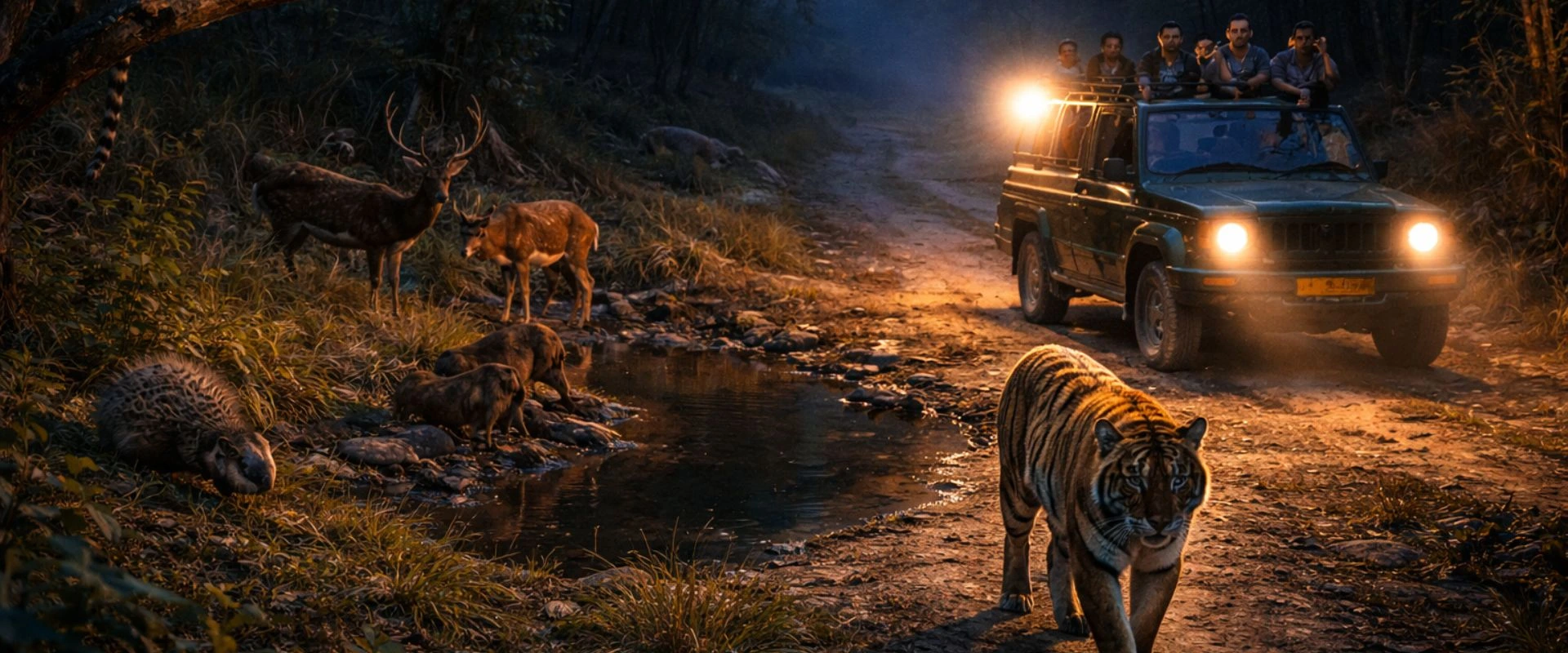
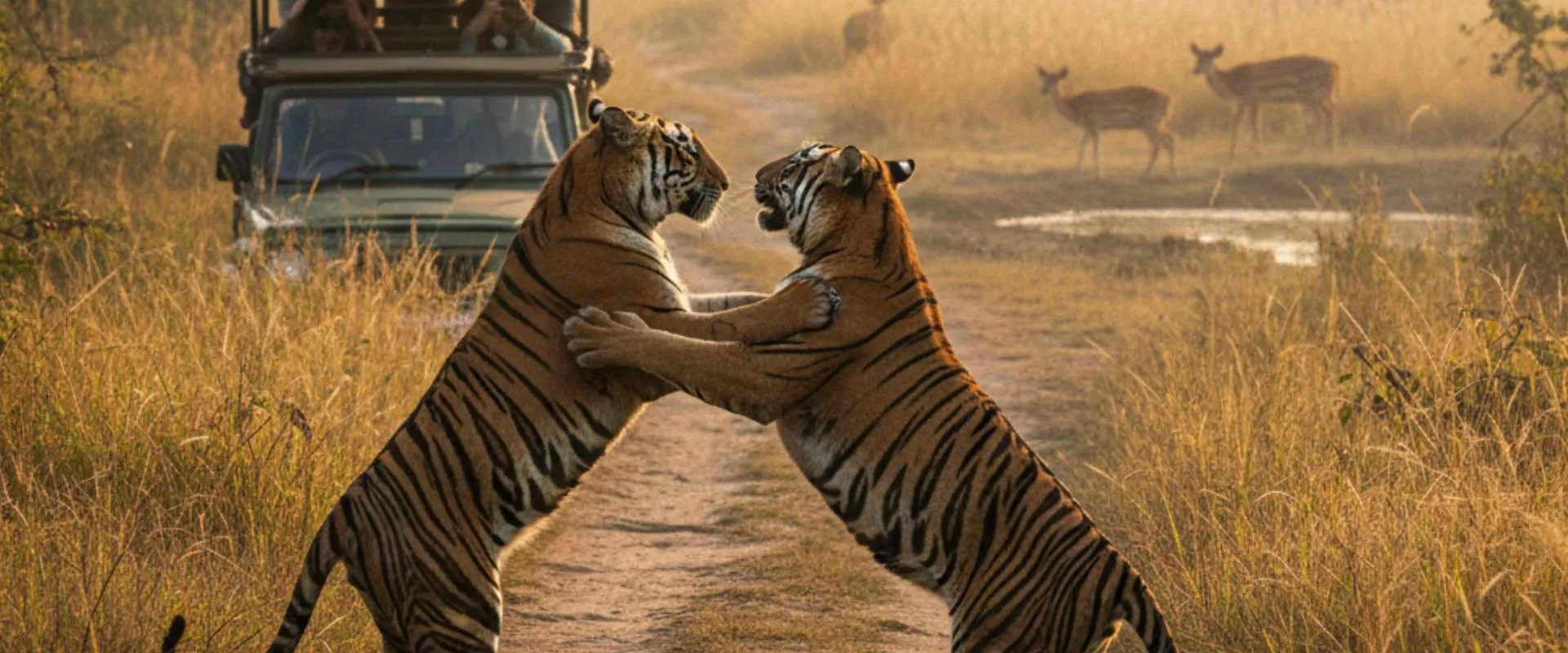
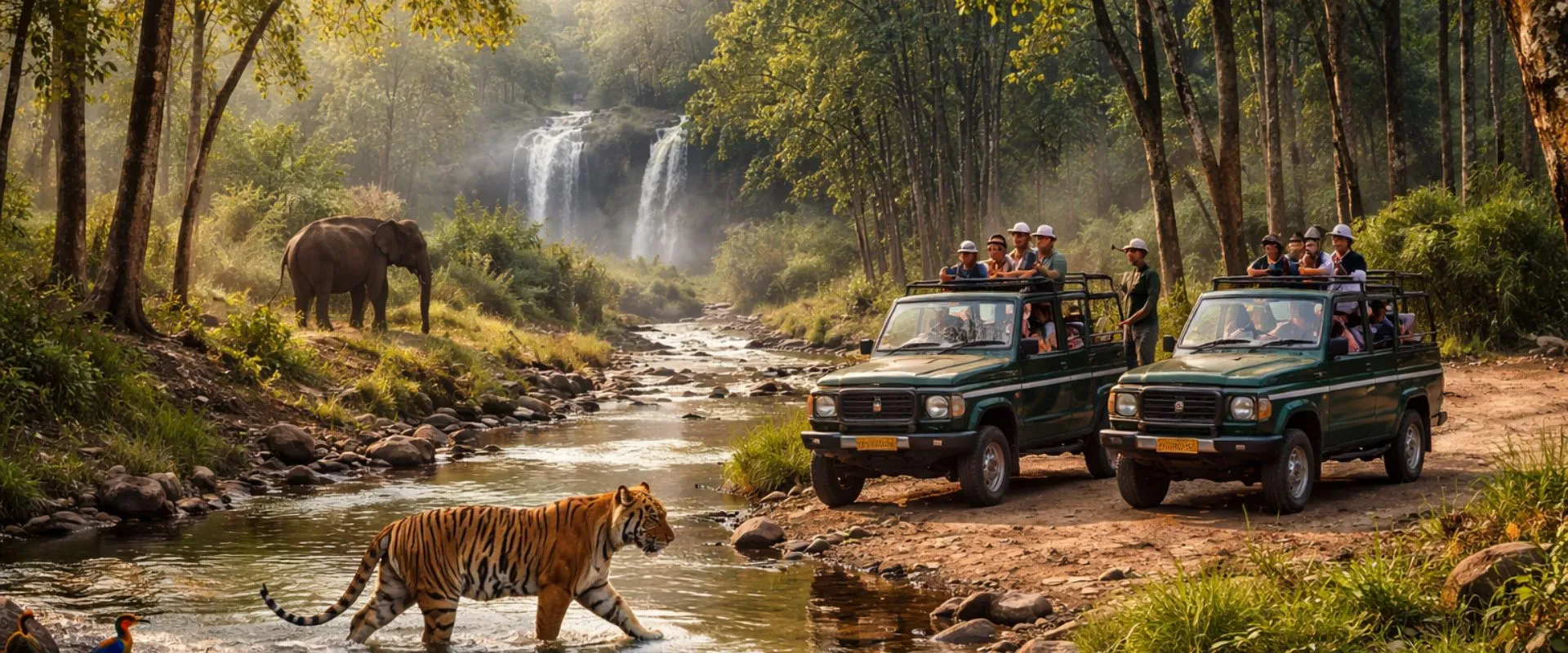
The Jeep Safari is the most popular way to explore Panna National Park. Panna National Park safari booking ensures confirmed entry, expert guides, and preferred safari slots. Conducted in open 4×4 vehicles with trained guides and drivers, this safari takes visitors deep into the forest in search of wildlife. You may spot:
It is ideal for wildlife photography and close observation of animals in their natural habitat.
In certain seasons, visitors can enjoy a boat safari on the Ken River, where you can see crocodiles, birds, and scenic river landscapes. This is a calm and unique way to experience Panna’s aquatic ecosystem.