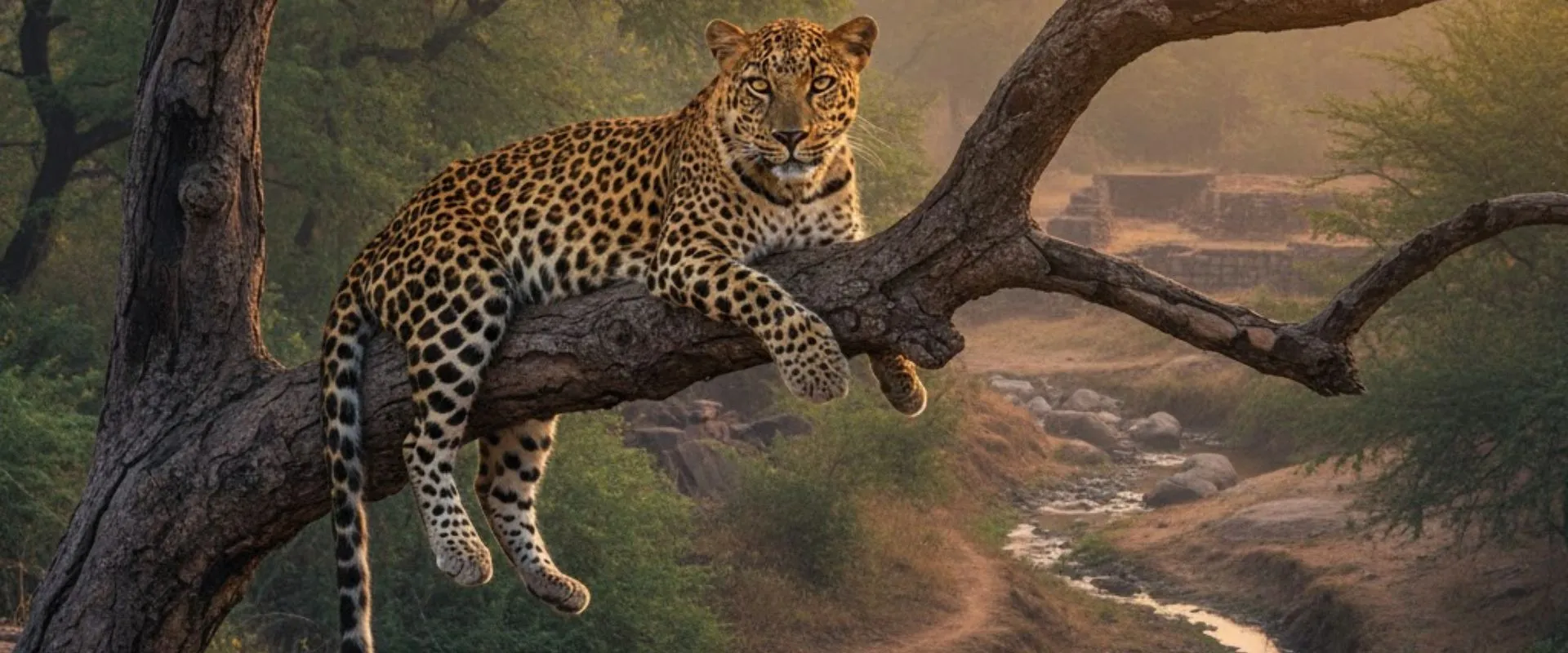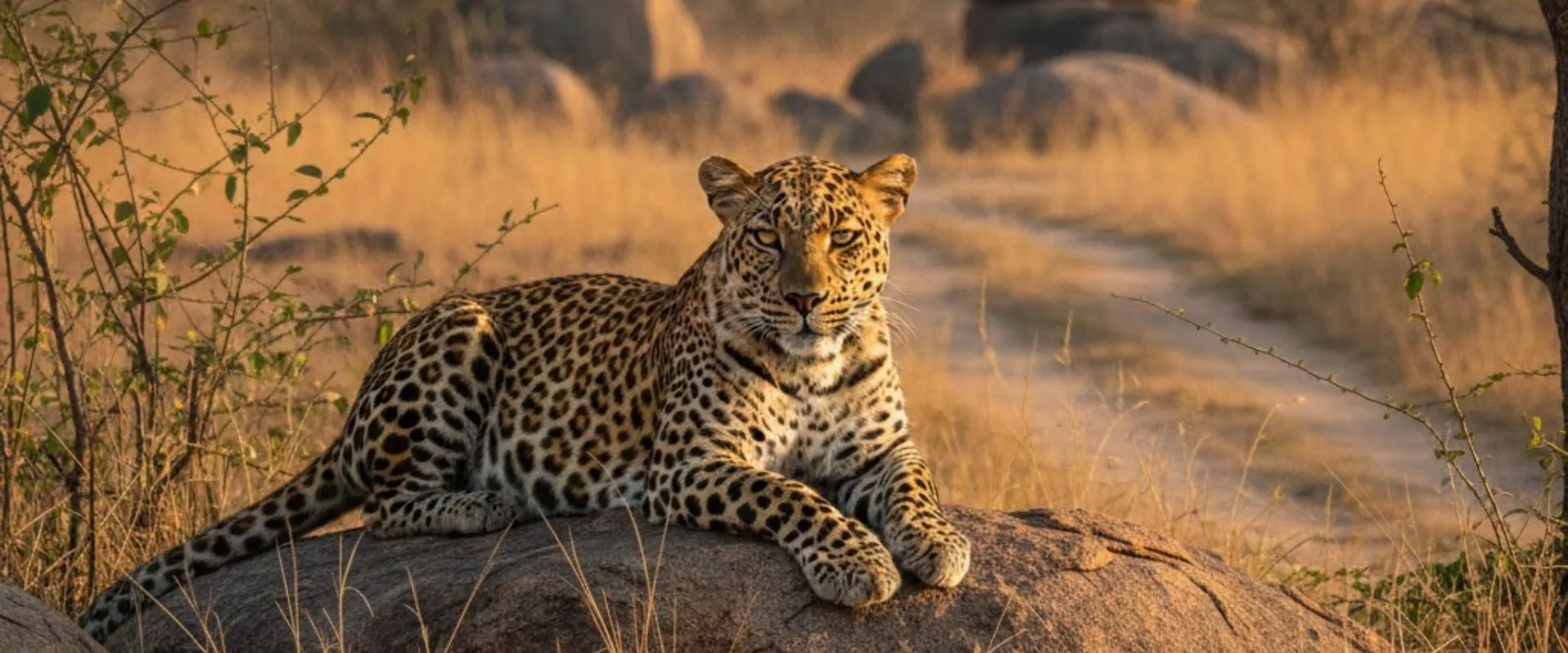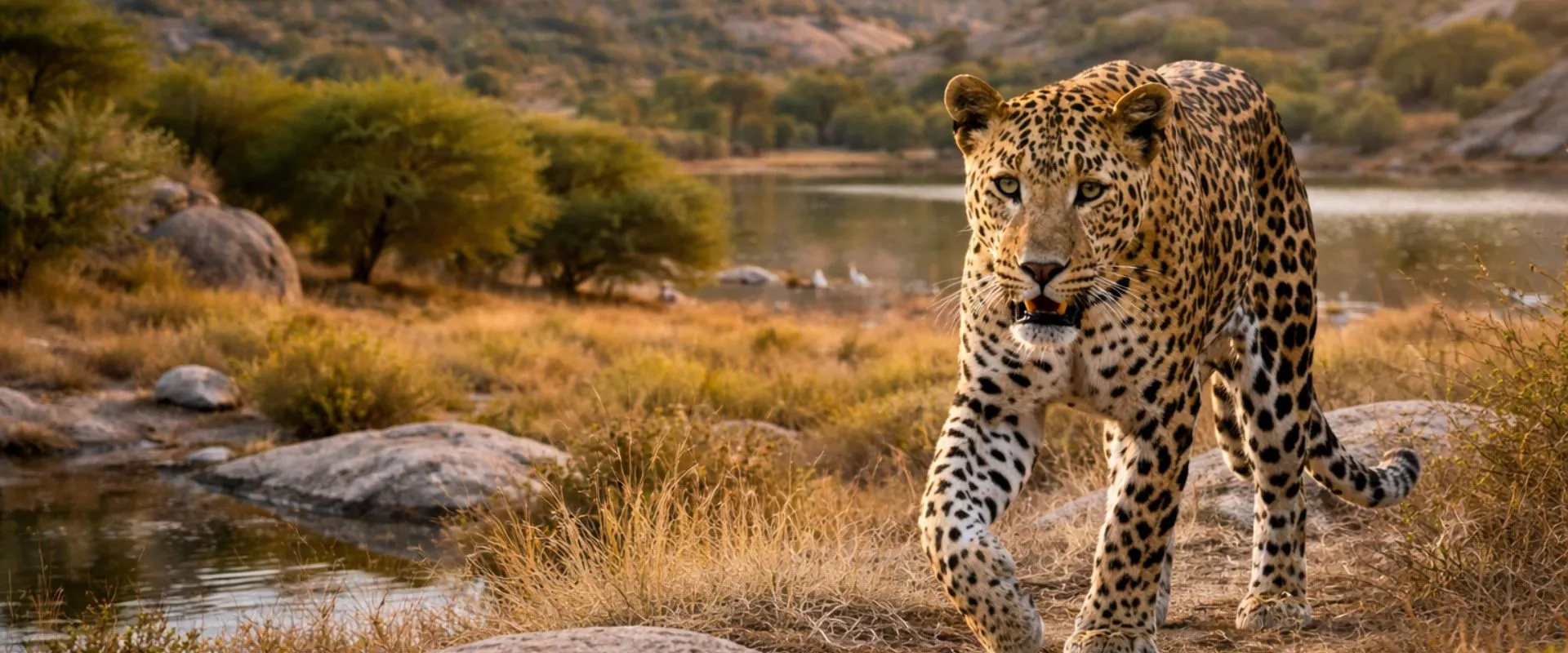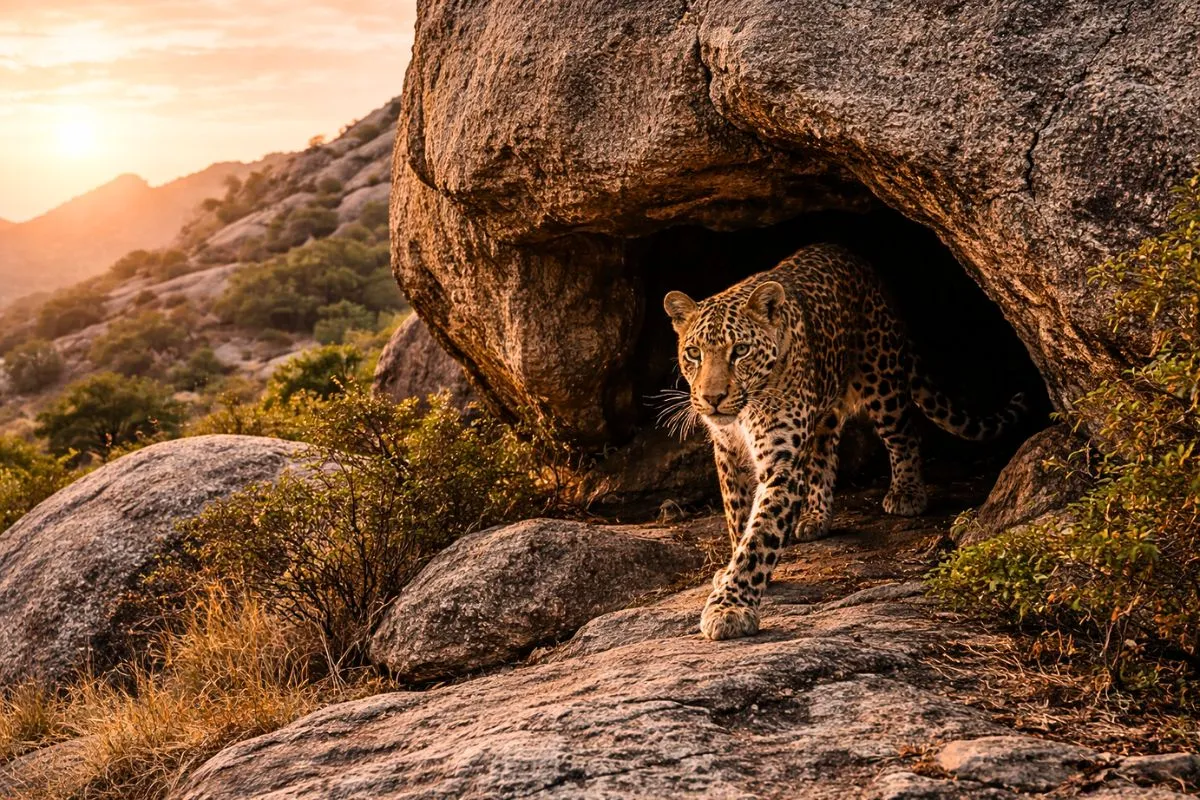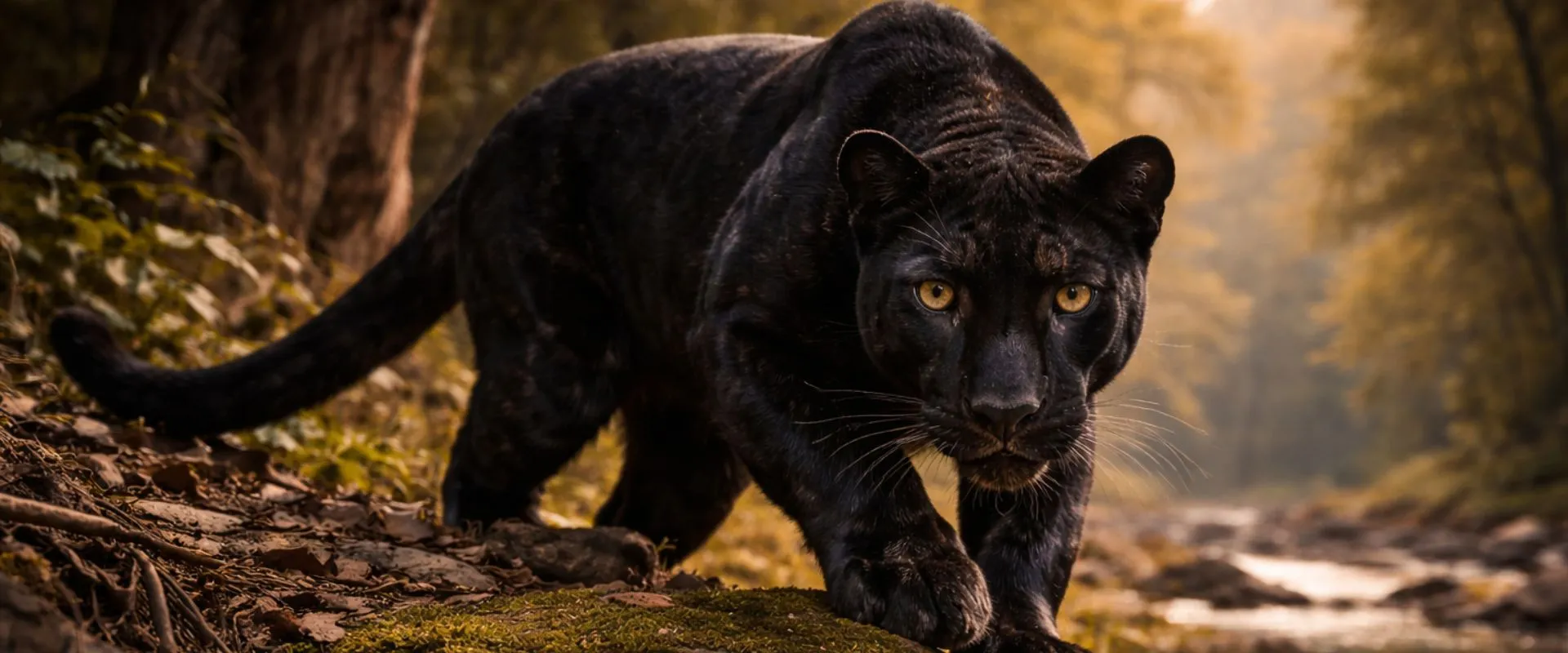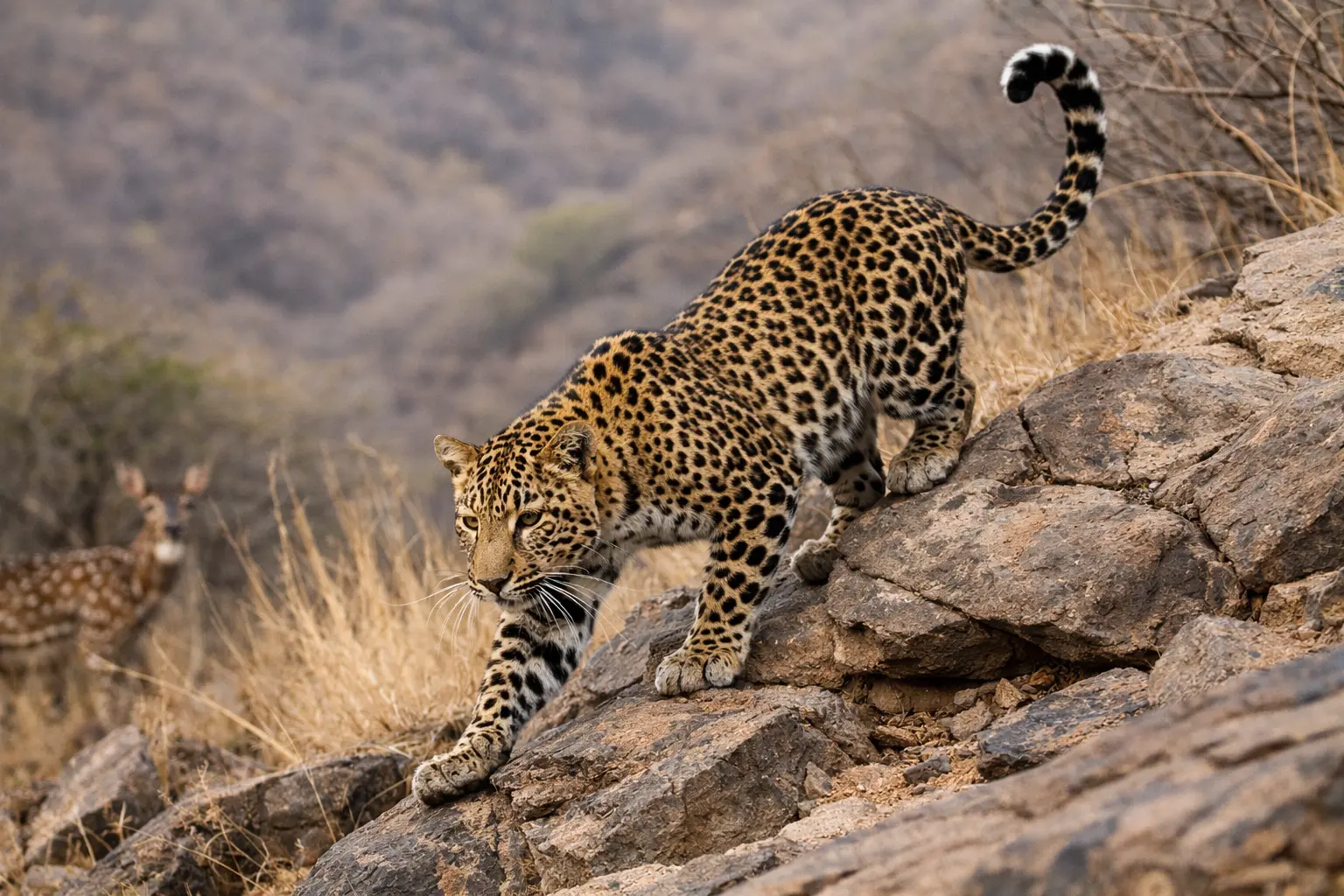
Located on the eastern outskirts of Jaipur, Jhalana Leopard Reserve was one of India’s first designated leopard conservation areas. It sits amidst the Aravalli foothills and is famous for frequent leopard sightings often very close to visitors, making it a top urban wildlife attraction and a popular destination for leopard safari booking in Rajasthan.
Jhalana Leopard Reserve is located on the eastern outskirts of Jaipur, Rajasthan, nestled within the ancient Aravalli foothills. Once a hunting ground for royalty, Jhalana was officially declared a leopard conservation reserve to protect the region’s growing leopard population and fragile ecosystem. Despite being surrounded by urban development, the reserve has successfully preserved its wild character.
What makes Jhalana truly unique is its status as an urban forest, where dense scrub vegetation, rocky terrain, and dry deciduous landscapes coexist just minutes away from Jaipur city. This close proximity to a major city makes Jhalana one of the most accessible wildlife destinations in India, offering authentic safari experiences without long travel into remote forests.
Jhalana Leopard Reserve is globally recognized for being India’s first designated urban leopard reserve, a rare distinction that sets it apart from traditional wildlife parks. Situated right within Jaipur’s city limits, it offers visitors the extraordinary experience of spotting leopards against a backdrop of urban life and Aravalli hills.
One of the biggest reasons for Jhalana’s popularity is the high frequency of daytime leopard sightings. Unlike many dense jungle reserves, leopards here are often seen during morning and afternoon safaris, making it ideal for wildlife photographers and first-time safari visitors.
Jhalana also boasts a remarkably high leopard sighting success rate compared to many larger national parks. The absence of tigers, open scrub forests, and well-defined leopard territories allow visitors consistent chances of sightings, making Jhalana one of the most reliable leopard safari destinations in India.
Jhalana’s ecosystem is dominated by dry deciduous forests and scrub vegetation, typical of the Aravalli range. The landscape includes rocky hills, shallow valleys, grass patches, and seasonal water bodies that support diverse wildlife.
Vegetation mainly includes dhok trees, khejri, babool, ber, and thorny shrubs, which are well adapted to the semi-arid climate of Rajasthan.
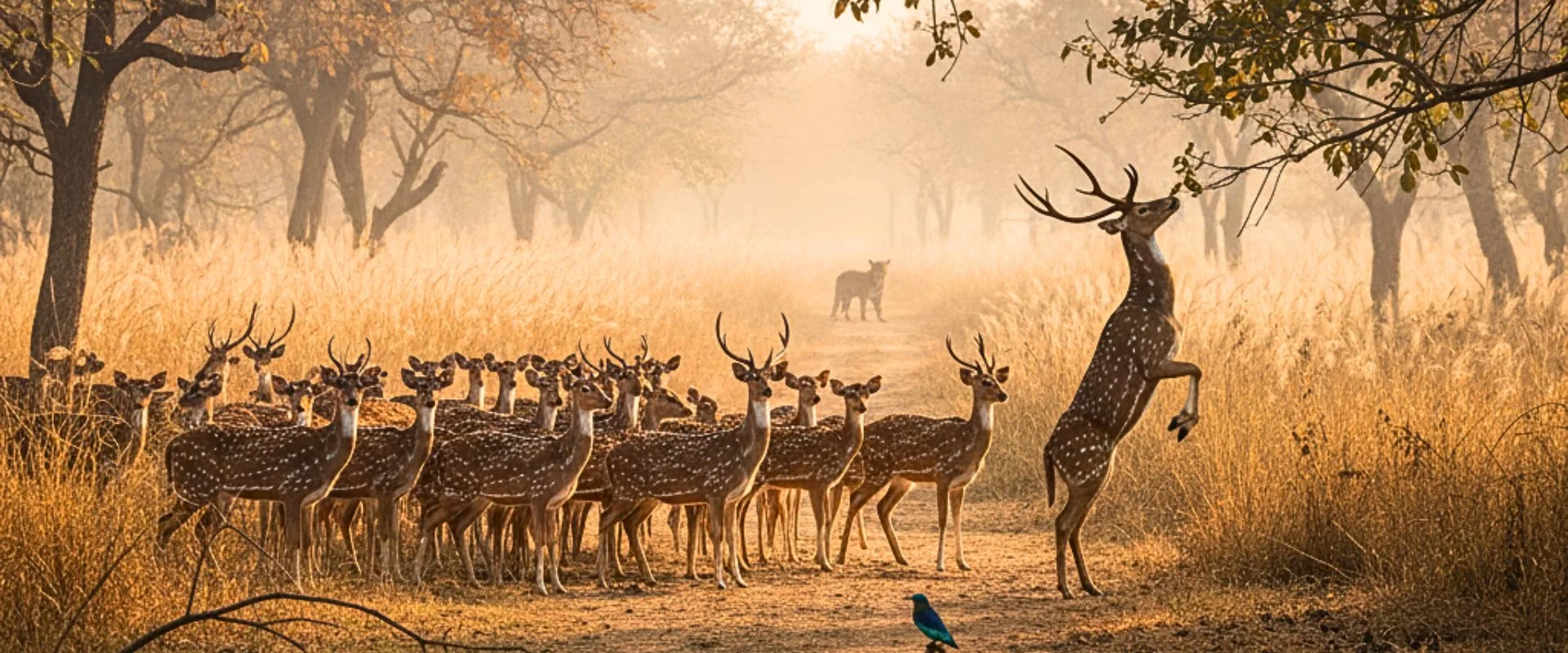
Apart from leopards, Jhalana is home to:
Birdlife is rich and varied, with numerous resident and migratory species such as peafowl, parakeets, eagles, owls, and seasonal migratory birds, making it a rewarding destination for birdwatchers as well.
Jhalana Leopard Reserve offers some of the best leopard sighting chances in India, largely due to its unique ecological and geographical features. Leopards here are highly human-habituated, having adapted to life near Jaipur city over decades. This has significantly reduced their nocturnal-only behavior.
The reserve’s open scrub forest and rocky terrain provide excellent visibility, unlike dense forests where wildlife often remains hidden. Leopard sightings in Jhalana vary by terrain and movement patterns, with Jhalana Zone 1, Jhalana Zone 2, and the extended Amagarh Zone offering different tracking routes and visibility conditions. Leopards are frequently seen resting on rocks, walking along forest tracks, or moving through open areas, making sightings clearer and longer.
Another key factor is the absence of tigers in Jhalana. Without competition from larger predators, leopards dominate the ecosystem and are more confident in their movements, increasing visibility during safaris.
Seasonal behavior also influences sightings: