
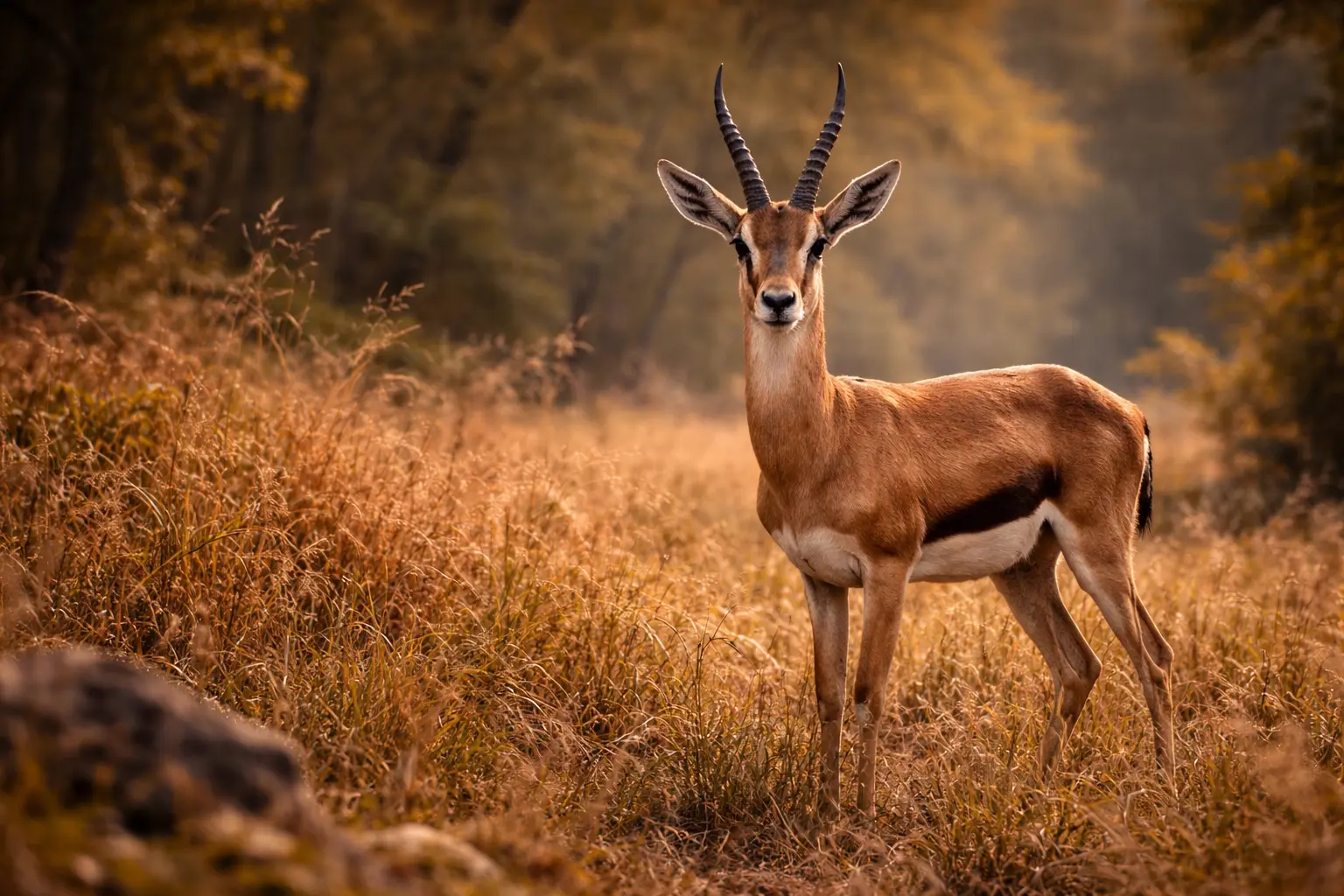
Sanjay Dubri National Park is a majestic wildlife sanctuary located in the Sidhi and Shahdol districts of Madhya Pradesh, in the north-eastern part of the state. It was established to protect and conserve the rich natural heritage of the region, forming an essential part of India’s tiger conservation network.
The reserve is named after its two main protected areas — Sanjay National Park and Dubri Wildlife Sanctuary — which together create a vast wilderness covering over 1,674 sq. km of diverse habitats including dense Sal forests, bamboo groves, river valleys, grasslands, and plateaus.
Sanjay Dubri National Park has historic significance in tiger conservation, as the world-famous white tiger“Mohan” — considered the ancestral origin of many white tigers in zoos worldwide — was first discovered here in 1951.
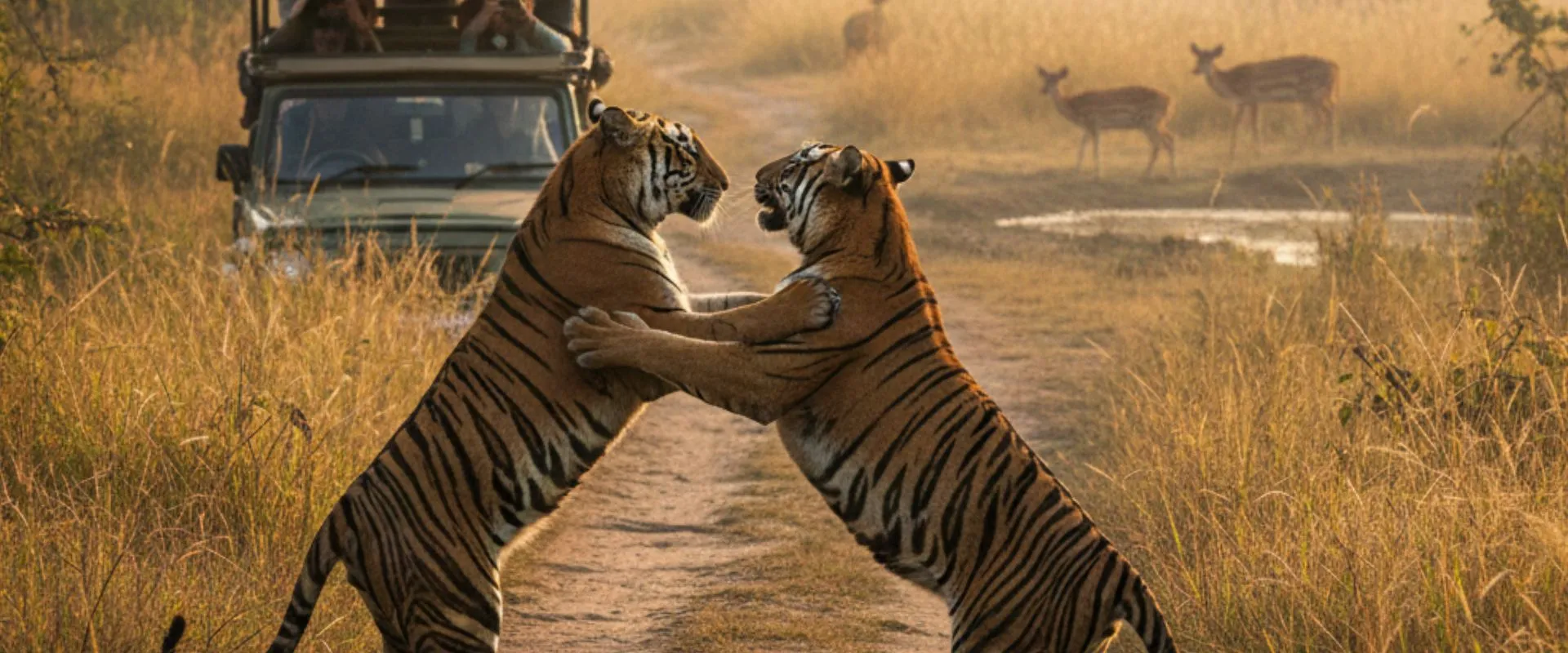
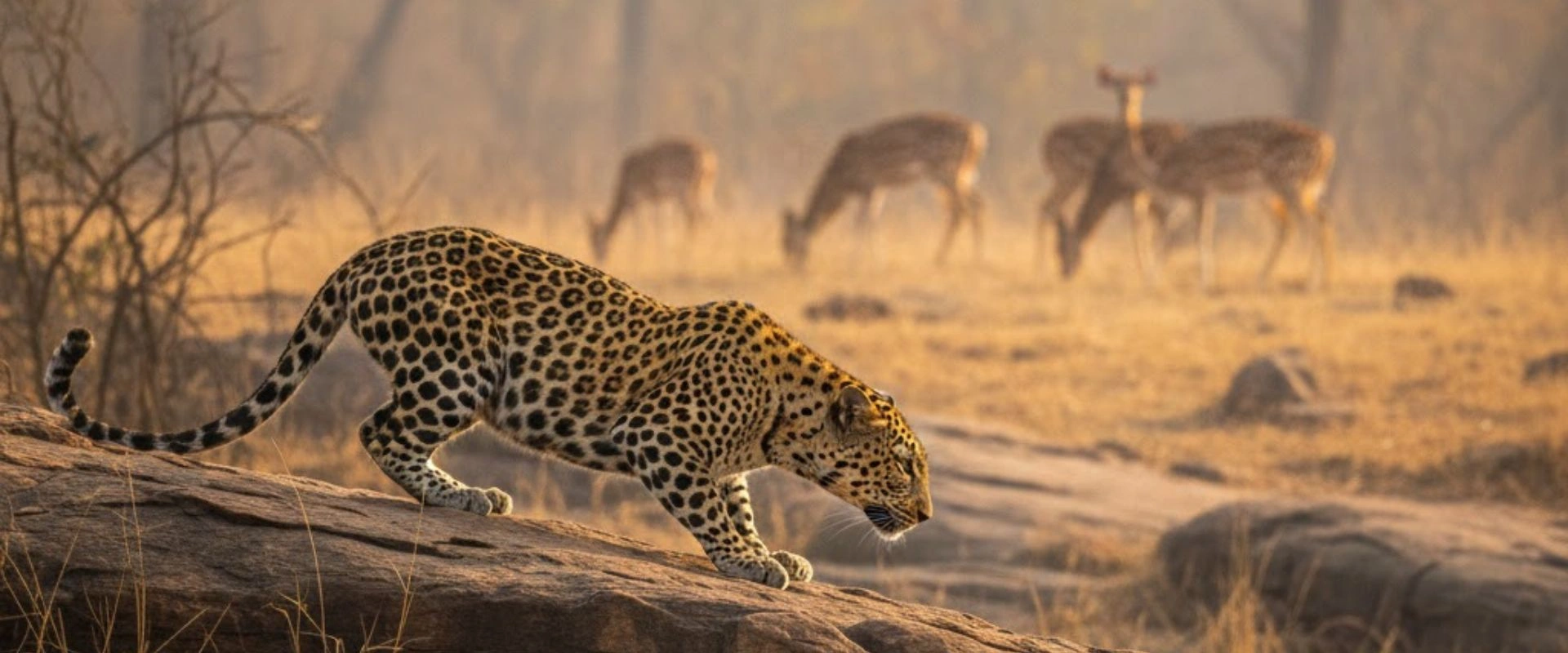
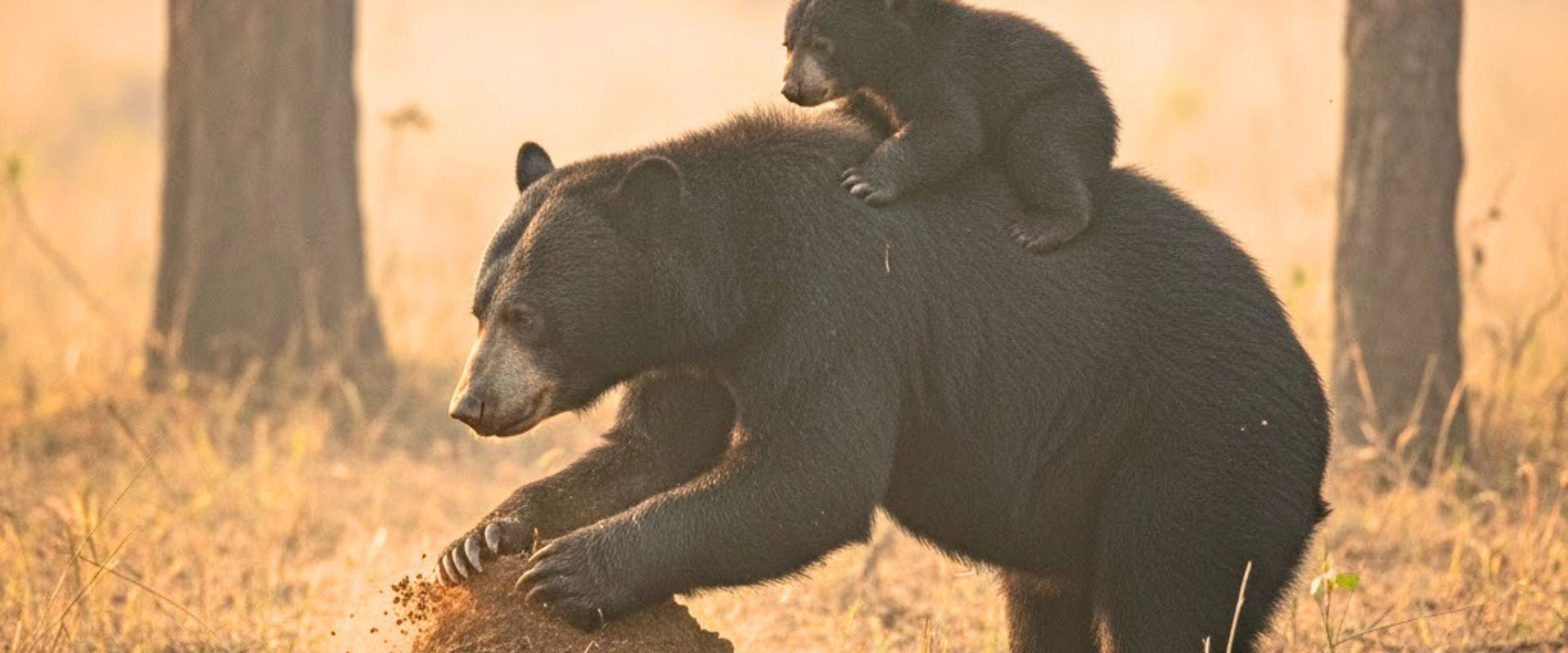
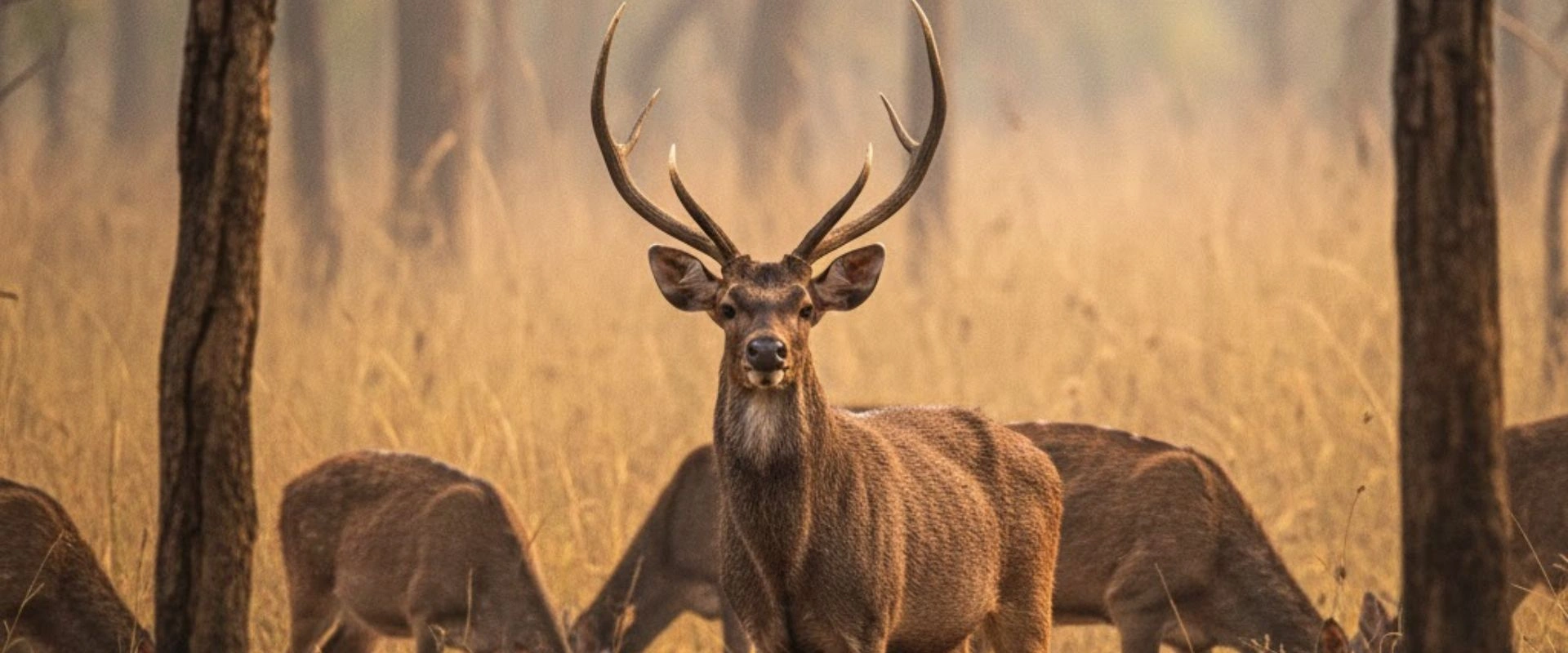
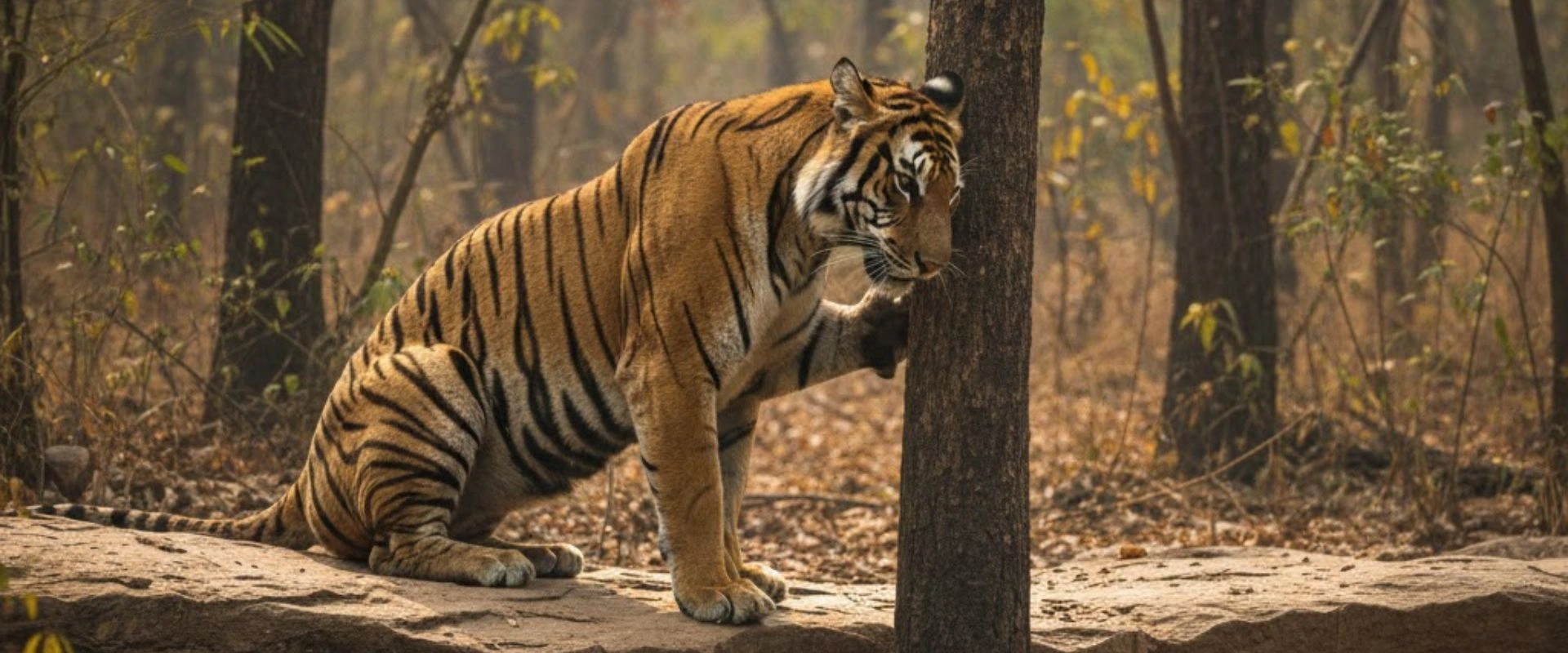
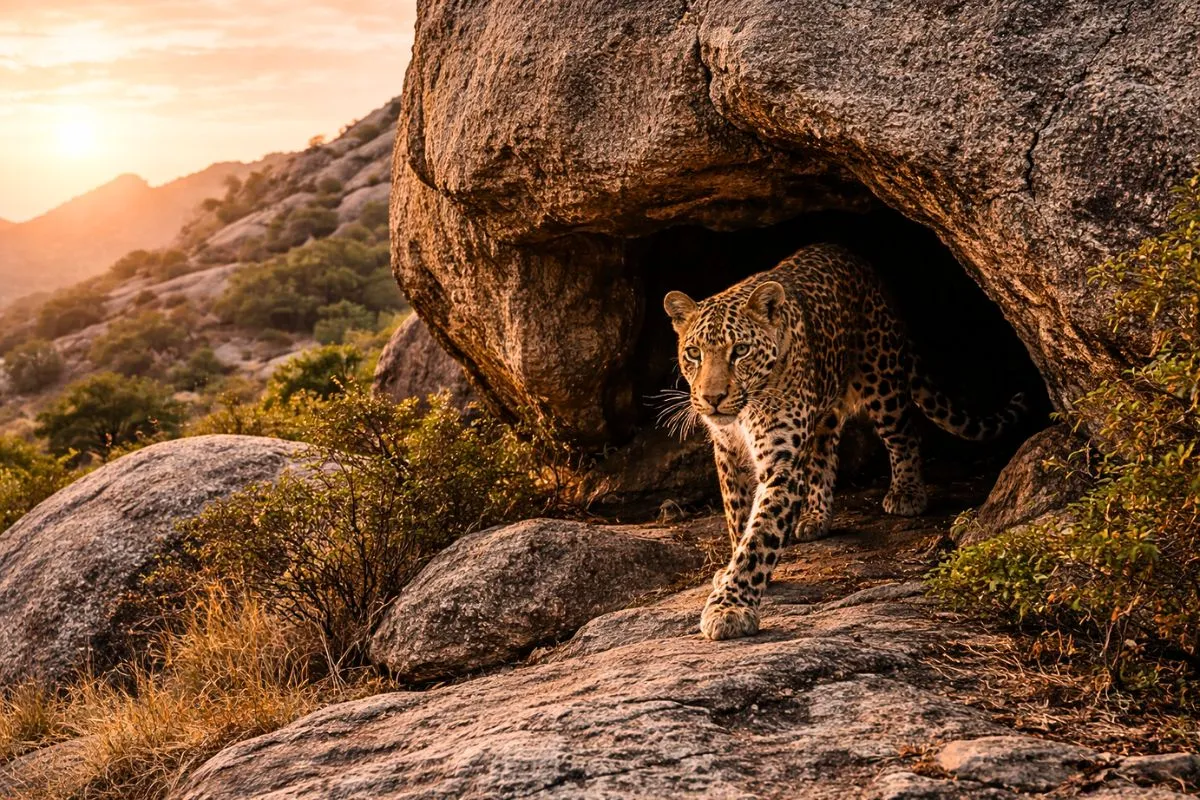
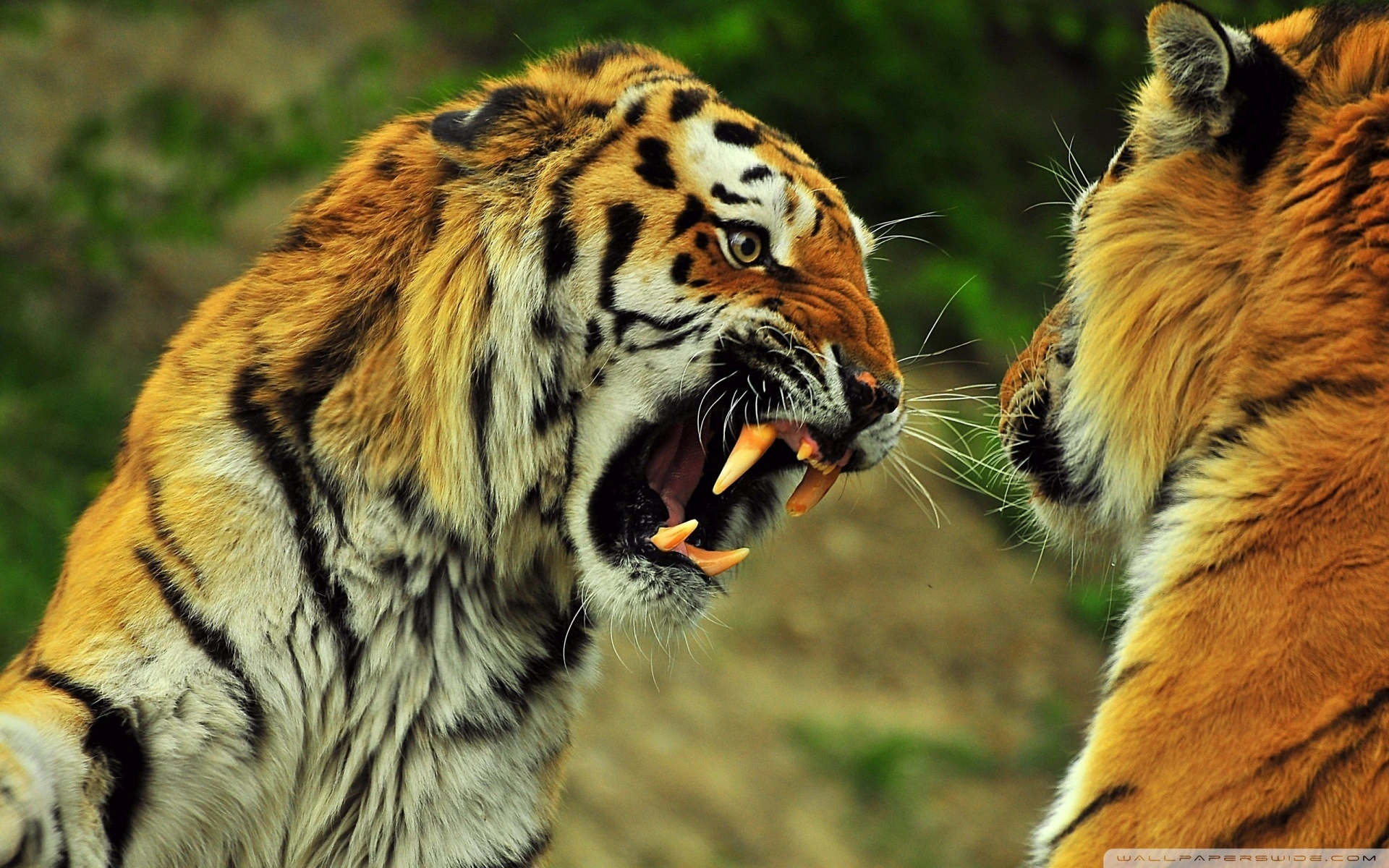
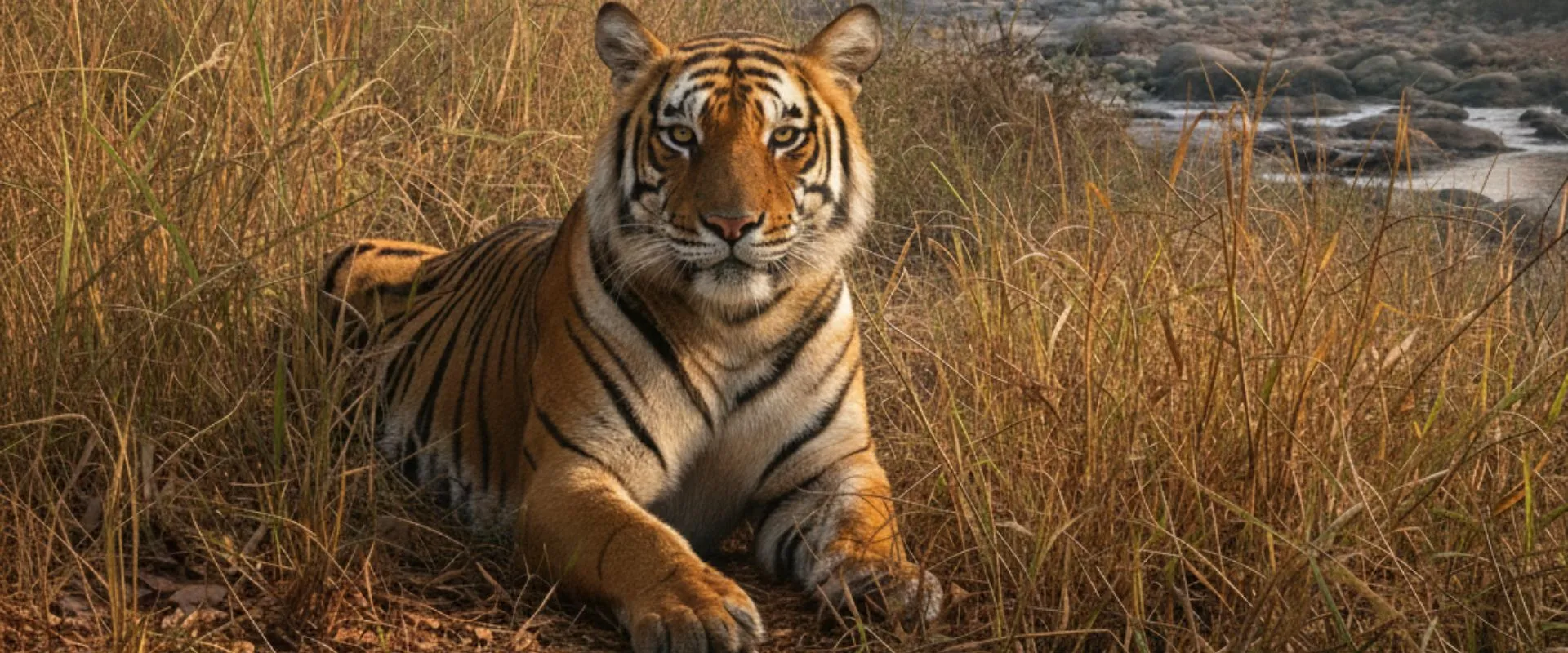
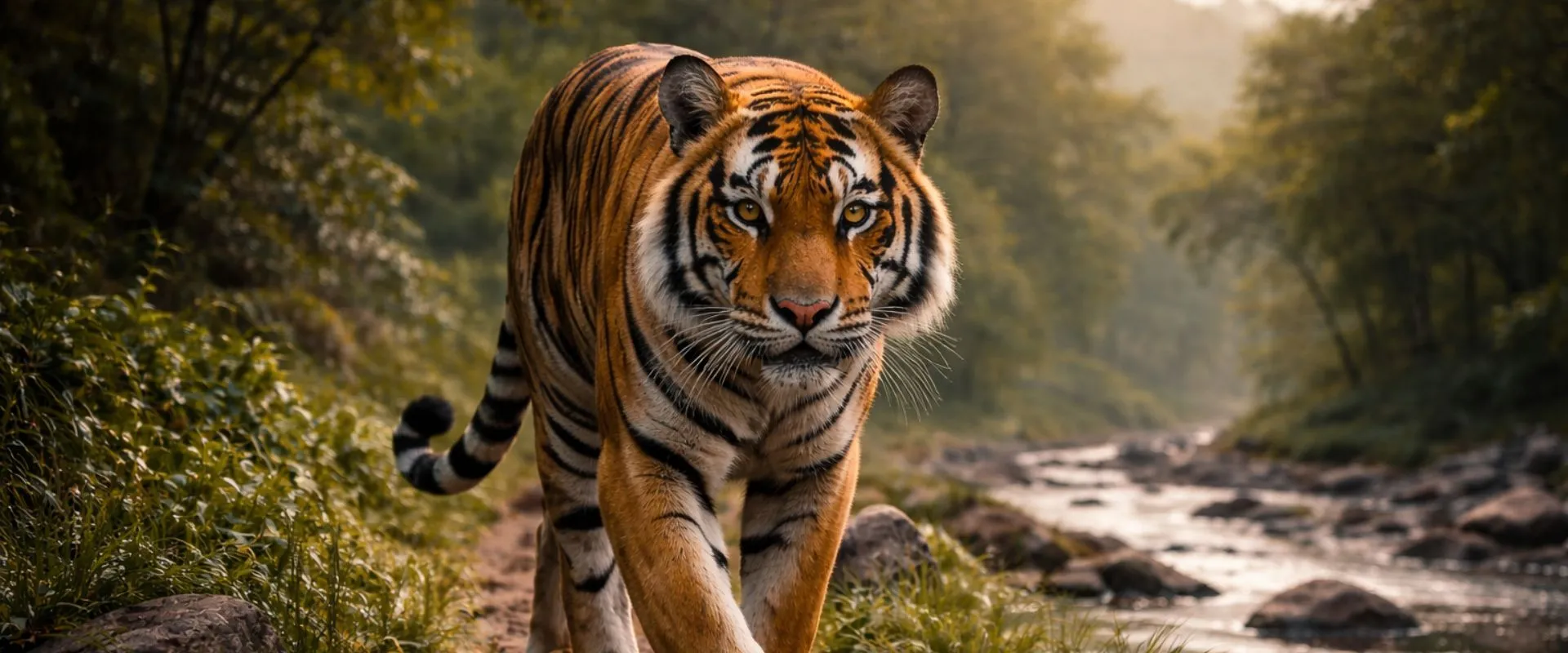
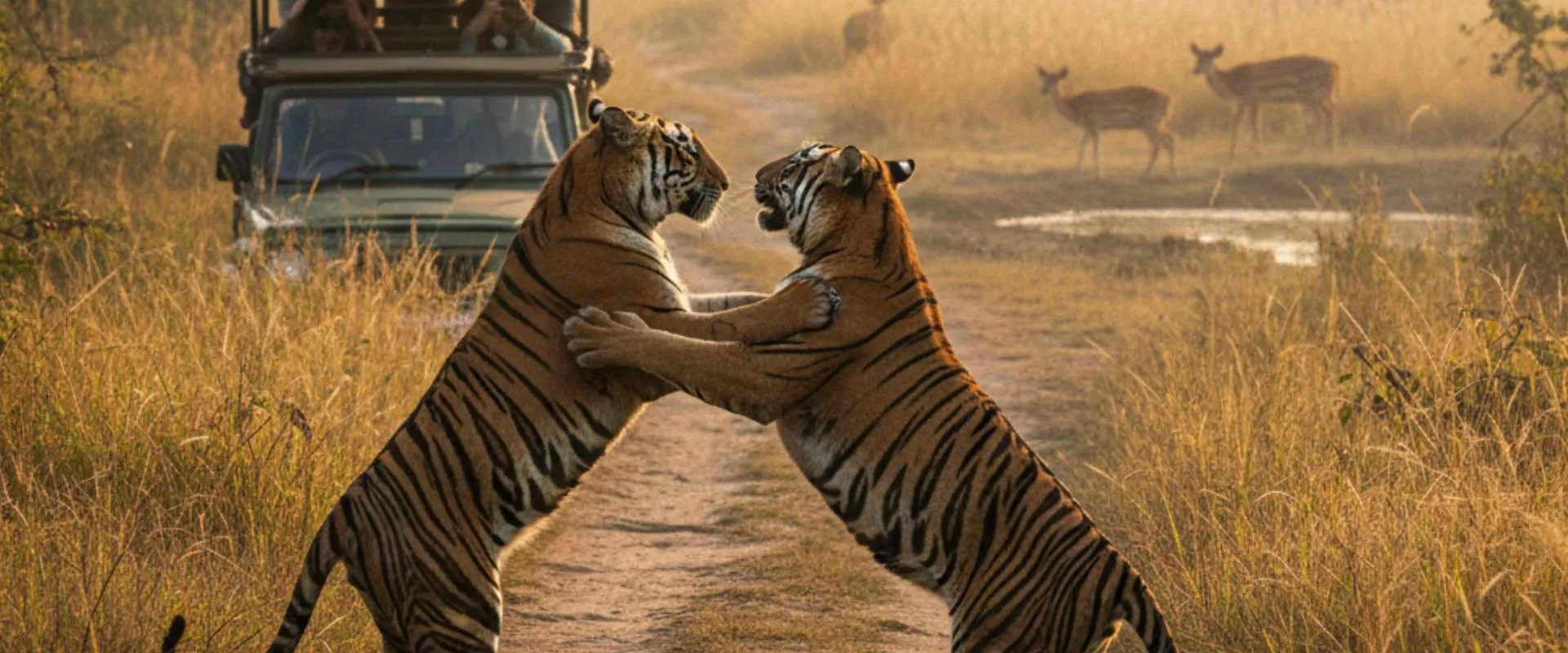
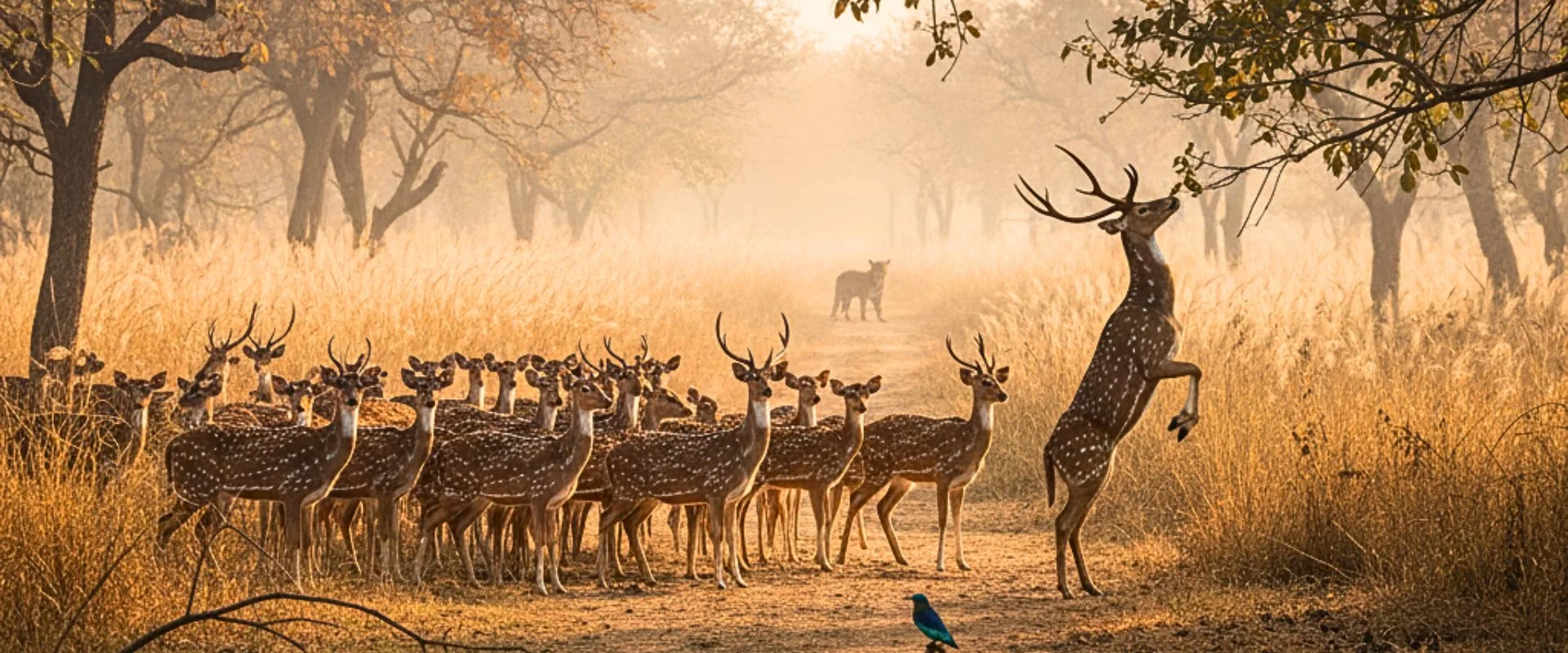
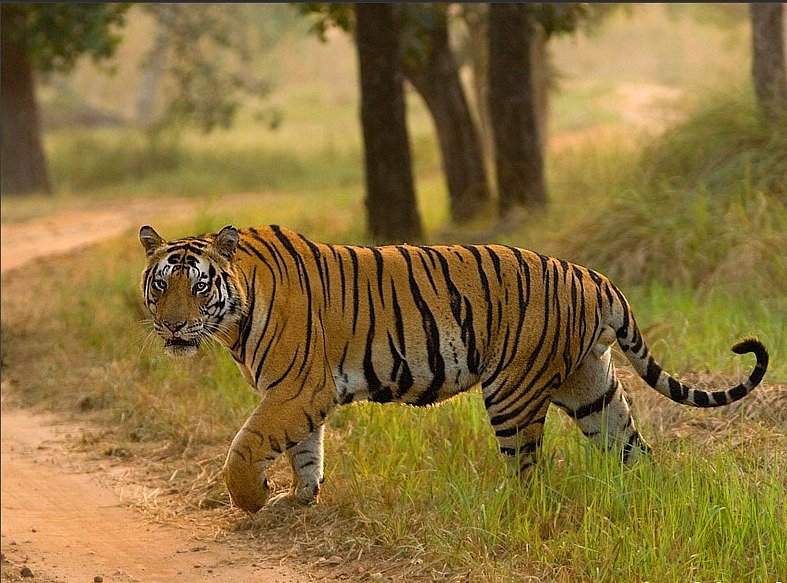
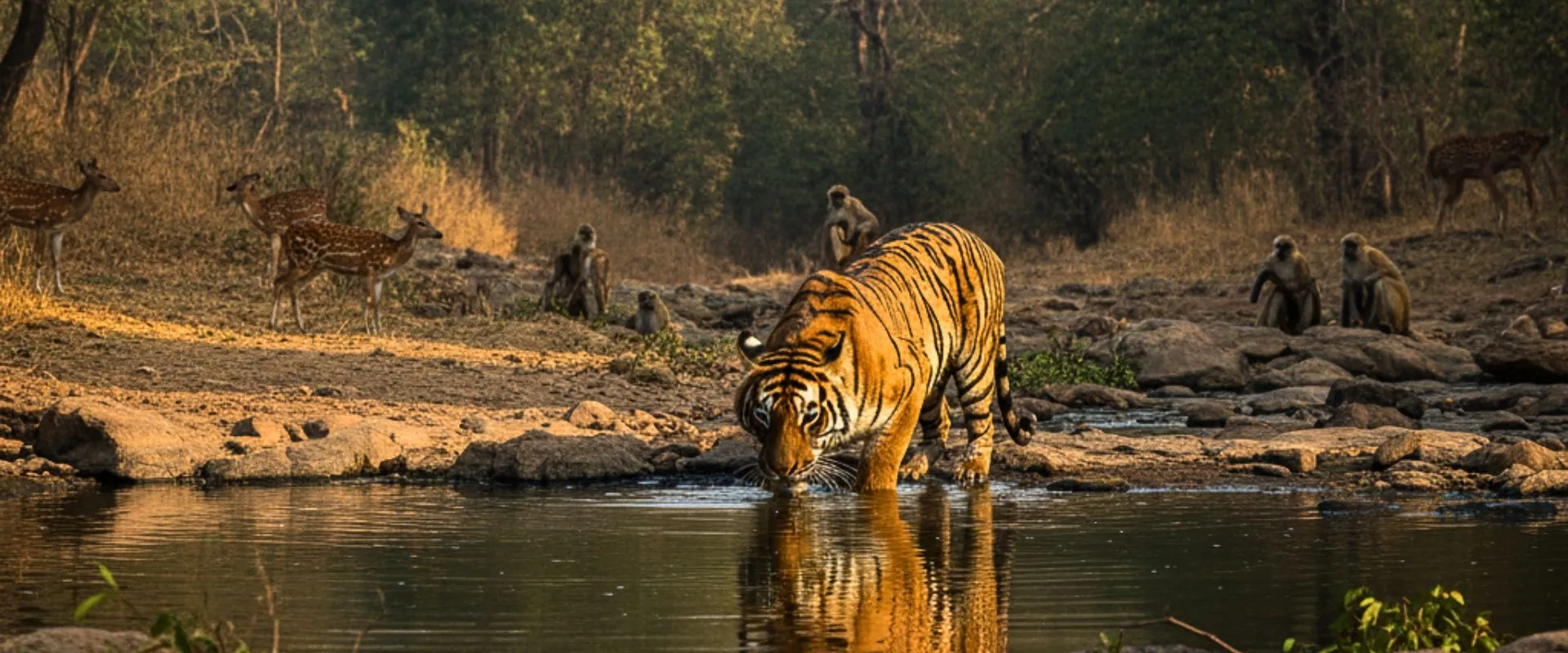
Sanjay-Dubri is known for its rich biodiversity, home to Bengal tigers, leopards, sloth bears, wild dogs (dhole), chital deer, nilgai, chinkara, Indian wolf, and numerous reptiles, amphibians, and freshwater fish species. It also hosts more than 150 species of birds, making the reserve a paradise for wildlife lovers and birdwatchers alike.
The reserve lies in the north-eastern corridor of Madhya Pradesh, bordering neighbouring wildlife landscapes and connecting to other protected areas, enhancing its role in facilitating tiger movement and genetic exchange.
Sanjay-Dubri Tiger Reserve is well connected by road to major cities:
Nearby railway stations include:
The terrain is dominated by:
Major wildlife species include:
Sanjay-Dubri Tiger Reserve plays a crucial role in regional tiger conservation, acting as a source habitat and connecting corridor between other protected areas (like Bandhavgarh and Guru Ghasidas National Park), aiding tiger movement and genetic diversity.
The reserve’s management focuses on:

Eagle Safaris is an independent wildlife travel and safari facilitation platform offering information, travel assistance, safari planning, accommodation coordination, and tourism-related services across various destinations in India.
We hereby clarify that Eagle Safaris does not claim ownership, partnership, affiliation, sponsorship, or official association with any resort, hotel, lodge, forest department, national park, tiger reserve, wildlife sanctuary, or government authority unless explicitly stated. Further, Amigo Performance Marketing OPC Pvt Ltd is duly authorized to market, promote, manage, and operate digital advertising, branding, and promotional campaigns for Eagle Safaris across digital and other media platforms.
If any trademark owner, property owner, or authorized representative has concerns regarding content, branding references, or listings appearing on this website, they may contact us directly for immediate review and resolution.