| Price(Indian) | For Indian Nationals: Private Jeep: ₹7,000 - ₹7,500 per jeep Sharing Jeep: ₹1,200 - ₹1,500 per person.One jeep can accommodate up to 6 people |
| Price(Foreign) | Private Jeep: ₹11,000 - ₹12,000 per jeep Sharing Jeep: ₹2,500 - ₹3,000 per person.One jeep can accommodate up to 6 people |
| Zone | Jhalana Zone 1, Jhalana Zone 2, Amagarh Zone |
| Timings | Summer Season (April to September): Morning: 5:30 AM - 8:30 AM Evening: 3:30 PM - 6:30 PMWinter Season (October to March): Morning: 6:00 AM - 9:00 AM Evening: 3:00 PM - 6:00 PM / 3:15 PM - 5:45 PMNote: Timings may vary slightly with sunrise and sunset |
| Inclusion | Forest Department certified driver Naturalist guide (may require additional fee of ₹1,000 with some operators) Safari duration: 2.5 - 3 hours Entry permit to the reserve |
Jhalana Safari Booking: A Simple Guide for Your Jungle Adventure
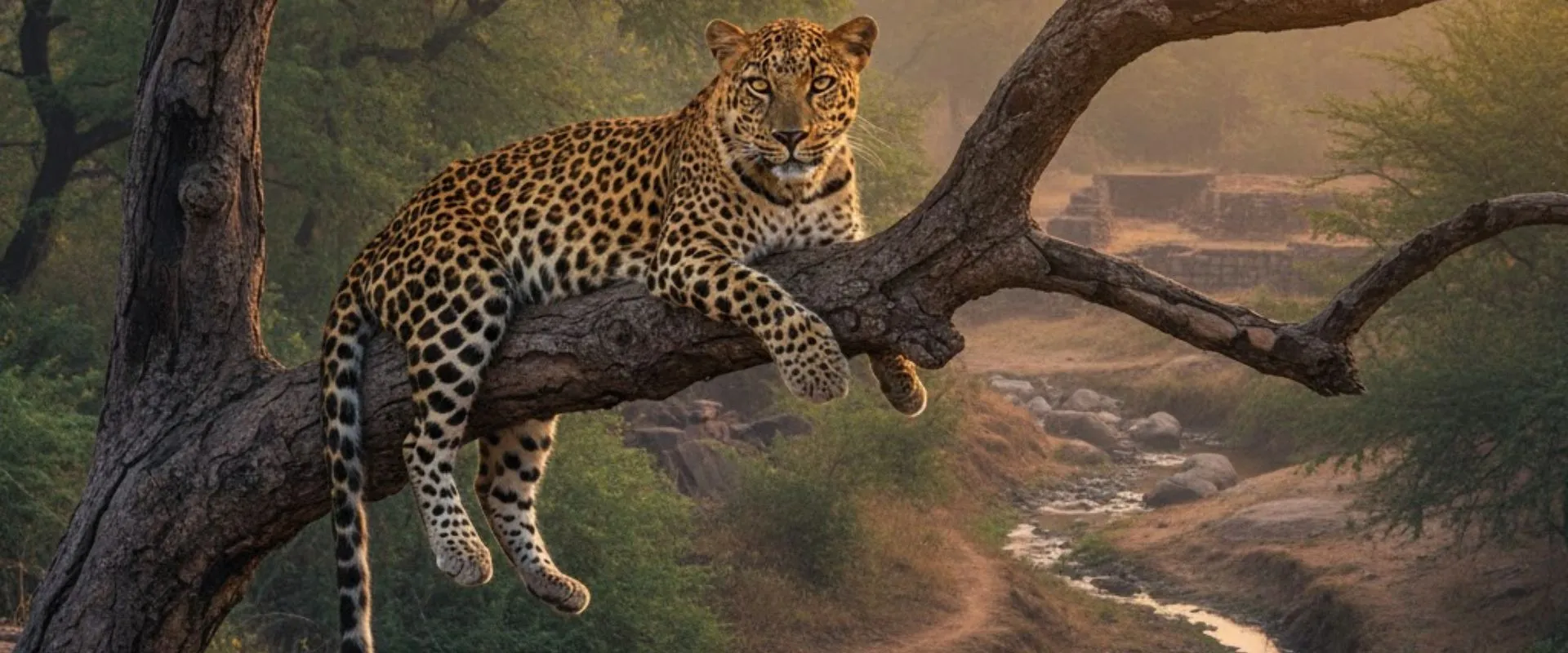
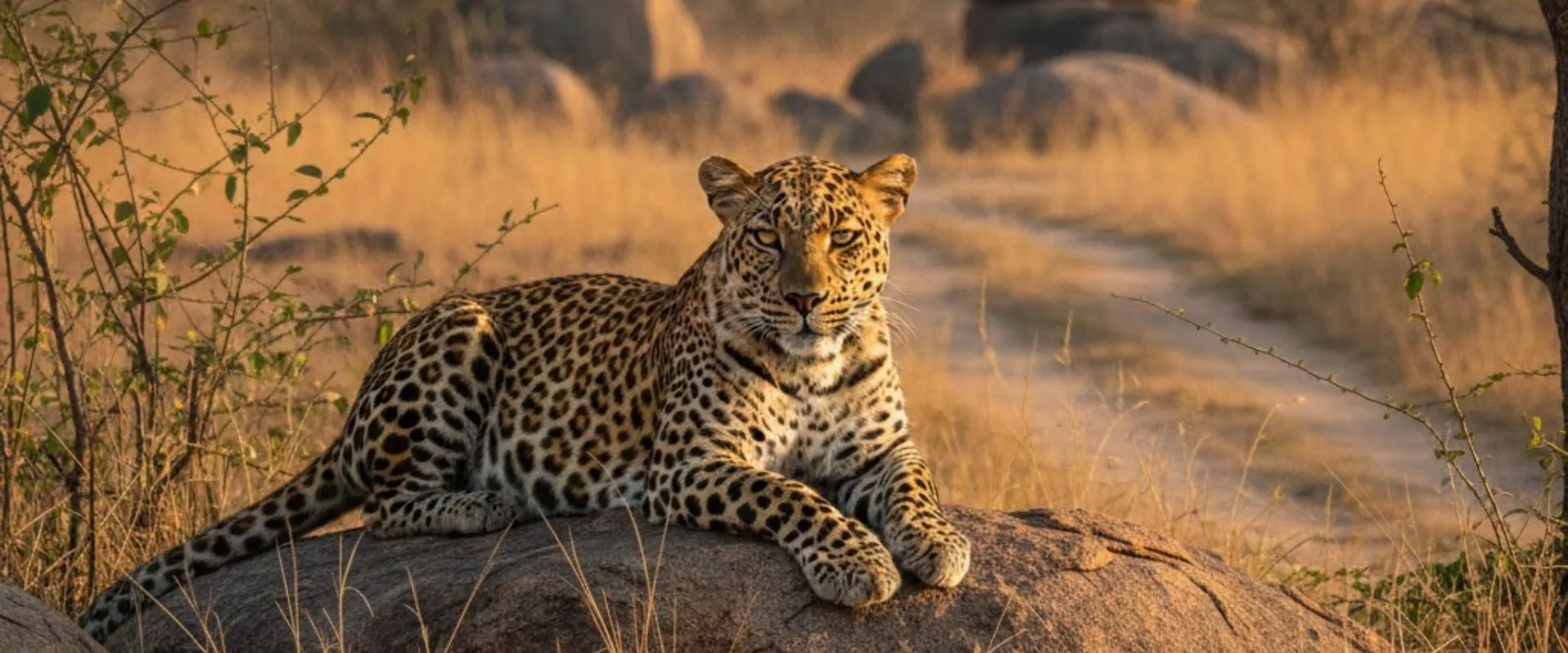
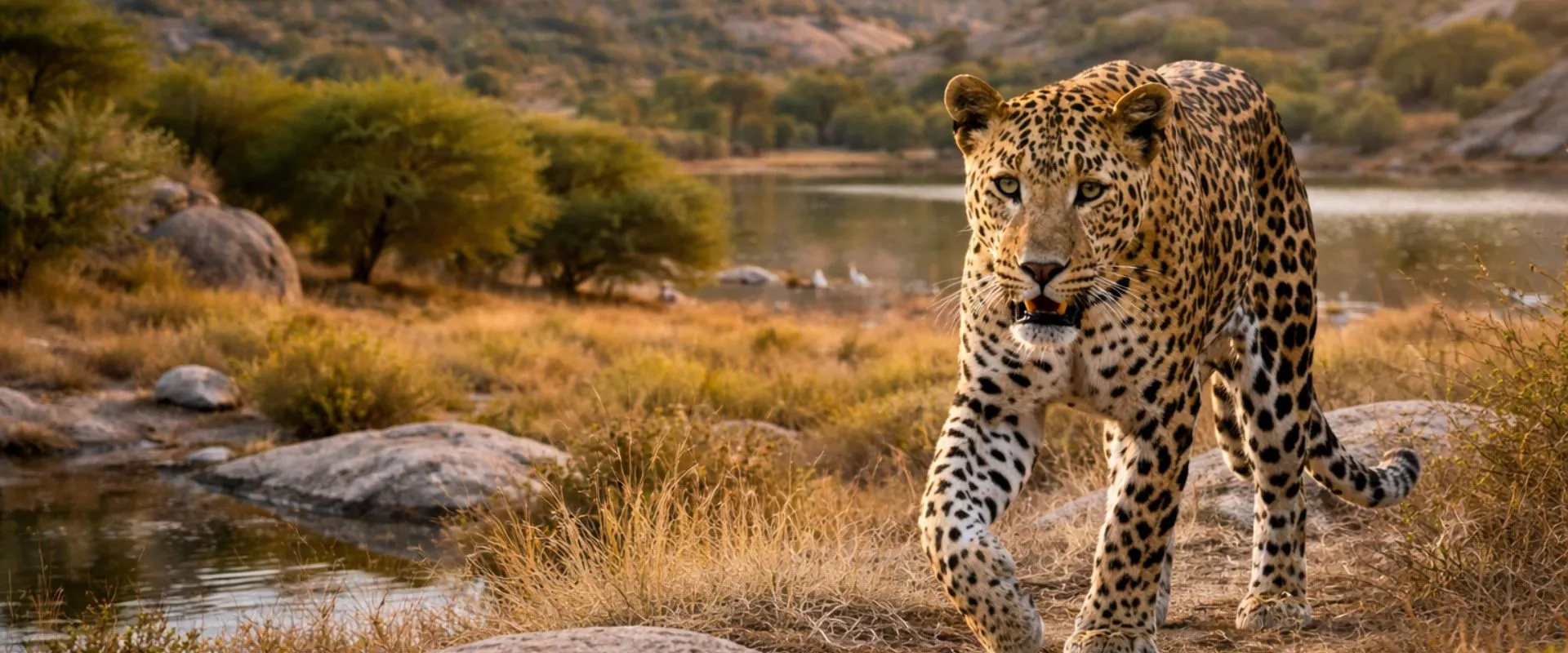
Planning to go on a Jhalana Leopard Safari Park? This easy-to-follow guide will help you book your safari and get ready for an unforgettable experience in the wild. Jhalana is India’s first leopard reserve located within a city, offering thrilling wildlife encounters right in the heart of Jaipur. Whether you’re a wildlife enthusiast or just looking to enjoy nature, this guide will cover everything you need to know to plan the perfect Jhalana safari.
Jhalana remains open throughout the year, offering different experiences in every season.
The only safari option in Jhalana is the open Gypsy Jeep Safari, allowing up to 6 visitors per vehicle. These safaris are led by trained drivers and forest guides who understand leopard movement and habitat
Booking a safari in Jhalana Leopard Reserve may look simple, but since it is a small forest surrounded by Jaipur city, safari planning needs to be done carefully. Limited habitat, leopard movement near city areas, and high tourism demand make proper booking important.
Here’s how to make your safari smooth and responsible.
Step 1: Share Your Travel Dates and ID Details Early
Jhalana has limited safari vehicles per zone because the reserve is only about 23 sq. km. Too many vehicles in one area can disturb wildlife movement.
Eagle Safaris checks live permit availability and suggests the best possible zone and timing based on both availability and wildlife movement patterns. This helps avoid last-minute unavailability and reduces pressure on overcrowded routes.
Step 2: Confirm Permit, Jeep, and Guide Together
In Jhalana, safaris run in sensitive areas where leopard territories sometimes extend close to city boundaries. Experienced drivers and guides are important for safe and disturbance-free safaris.
Eagle Safaris arranges your official permit, registered safari jeep, and trained local driver-guide together. This ensures your safari follows designated routes and forest rules, keeping the experience safe for both visitors and wildlife.
Step 3: Get Proper Safari Briefing Before Arrival
Since Jhalana borders urban areas, leopards sometimes move toward the edges of the reserve in search of food or water. Visitor behavior inside the park plays a big role in keeping the habitat calm.
Before your safari, Eagle Safaris shares clear instructions on reporting time, entry gate, required ID proof, and safari do’s and don’ts. Simple things like maintaining silence, avoiding littering, and following guide instructions help protect the fragile ecosystem.
Step 4: Arrive Prepared for a Regulated Wildlife Experience
Jhalana safaris run under strict forest department rules to manage tourism impact in this urban wildlife habitat.
With your booking handled in advance, you can arrive relaxed, complete entry formalities smoothly, and enjoy a well-managed safari that supports responsible tourism while maximizing your chances of spotting leopards
Jhalana is home to a healthy leopard population along with striped hyenas, desert foxes, nilgai, jackals, and over 100 bird species. The rocky Aravalli landscape, caves, and scrub forest create perfect leopard habitat, making every safari exciting and unpredictable.
Because this reserve sits inside a city, every responsible safari also supports conservation awareness and long-term protection of urban wildlife habitats.
At Eagle Safaris, we focus on smooth bookings, trained drivers, and responsible wildlife tourism. Our experience in managing leopard safaris ensures better planning, less disturbance, and a more enjoyable experience for guests.
We handle permits, guide coordination, and safari scheduling so you can simply enjoy your wildlife adventure while supporting ethical tourism practices.