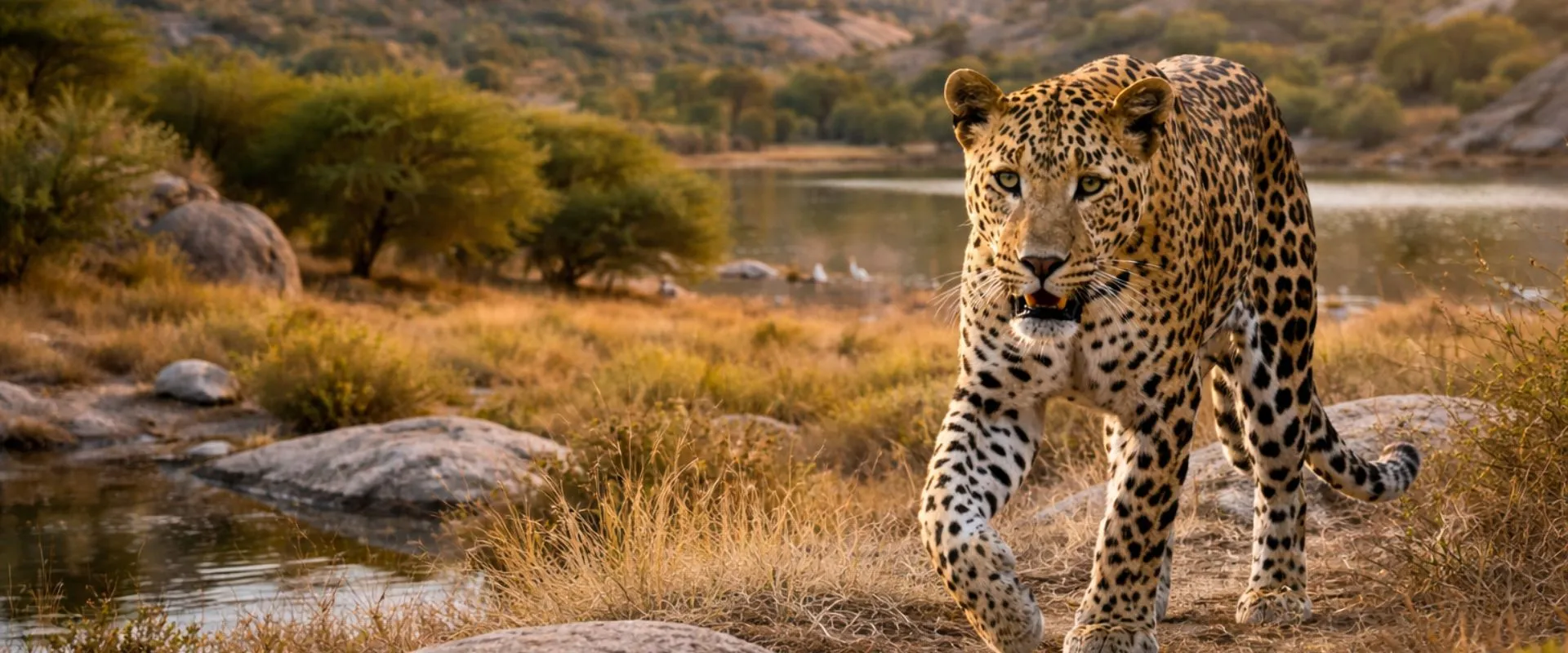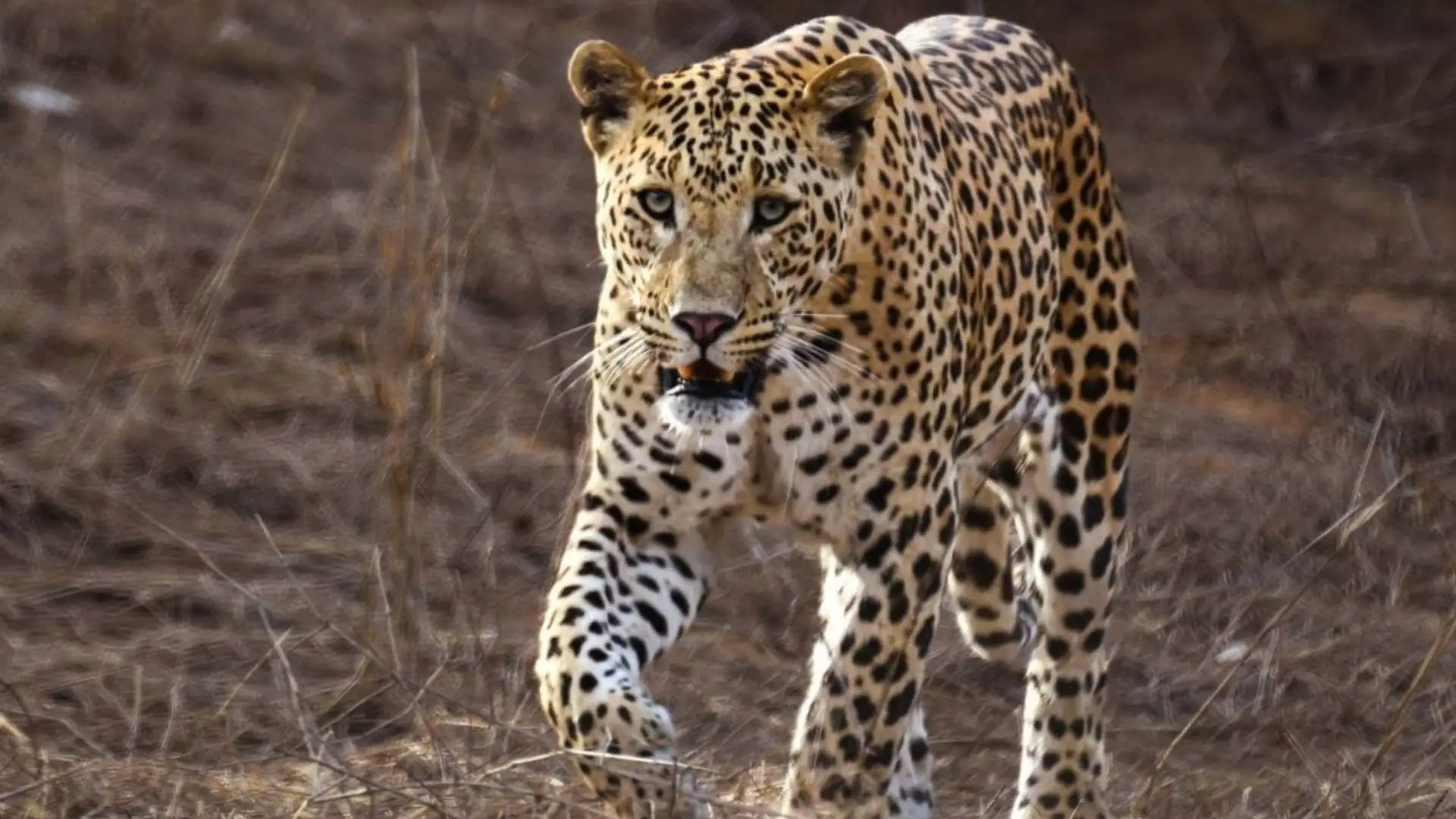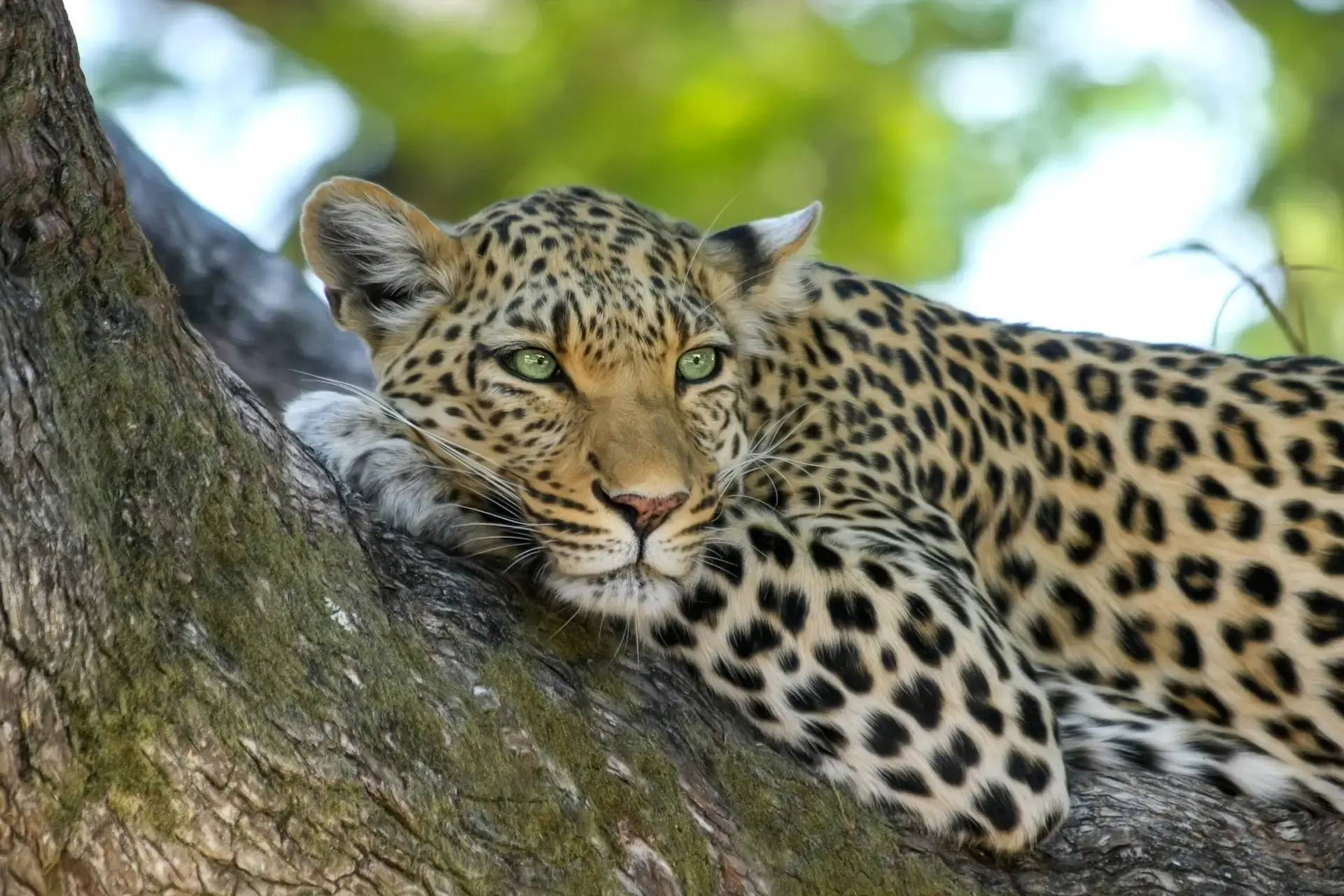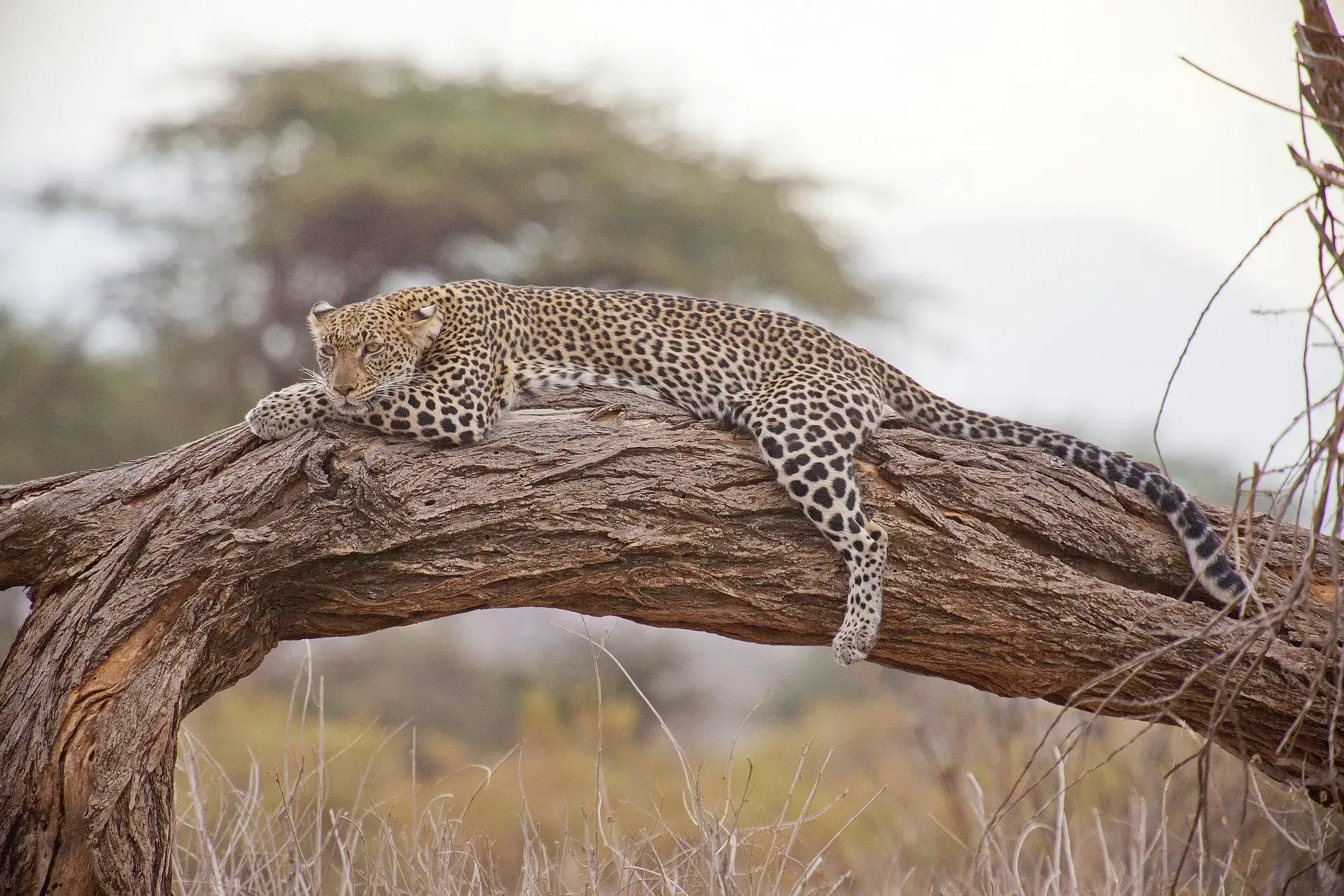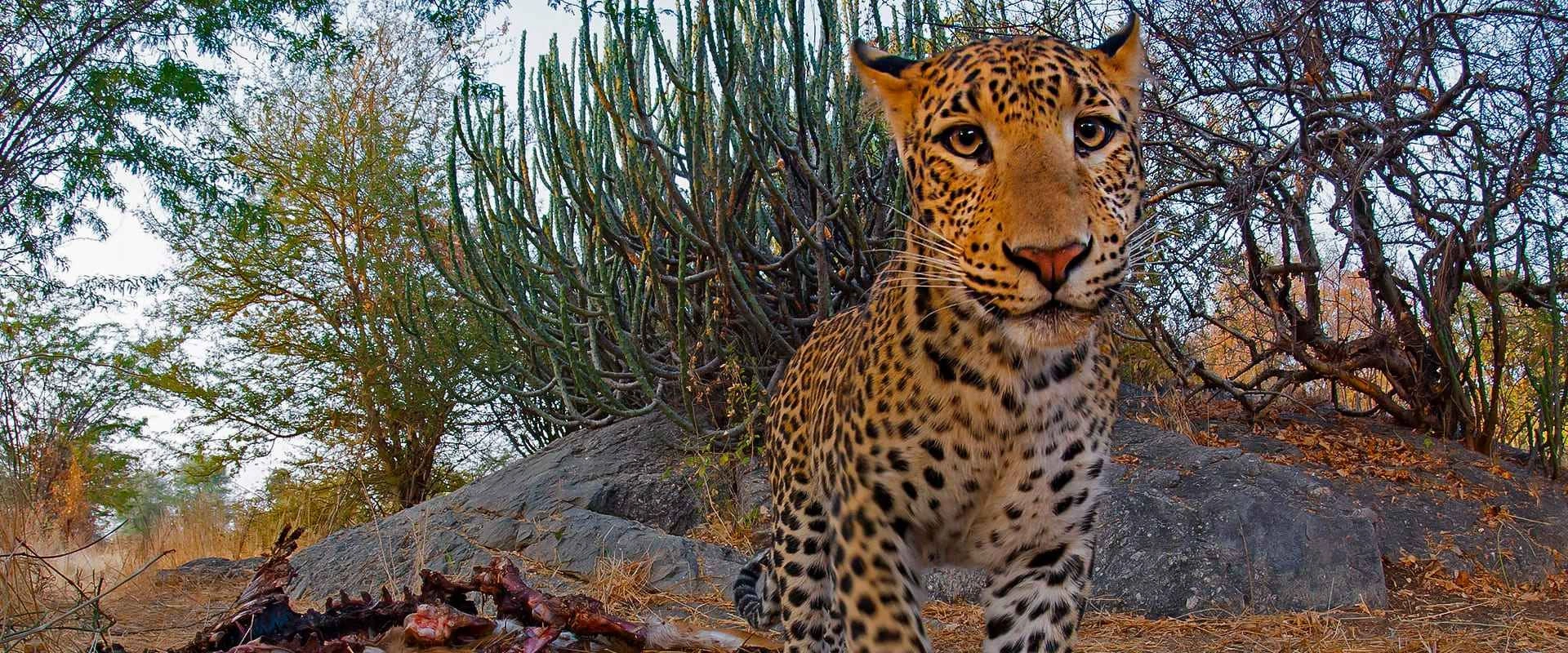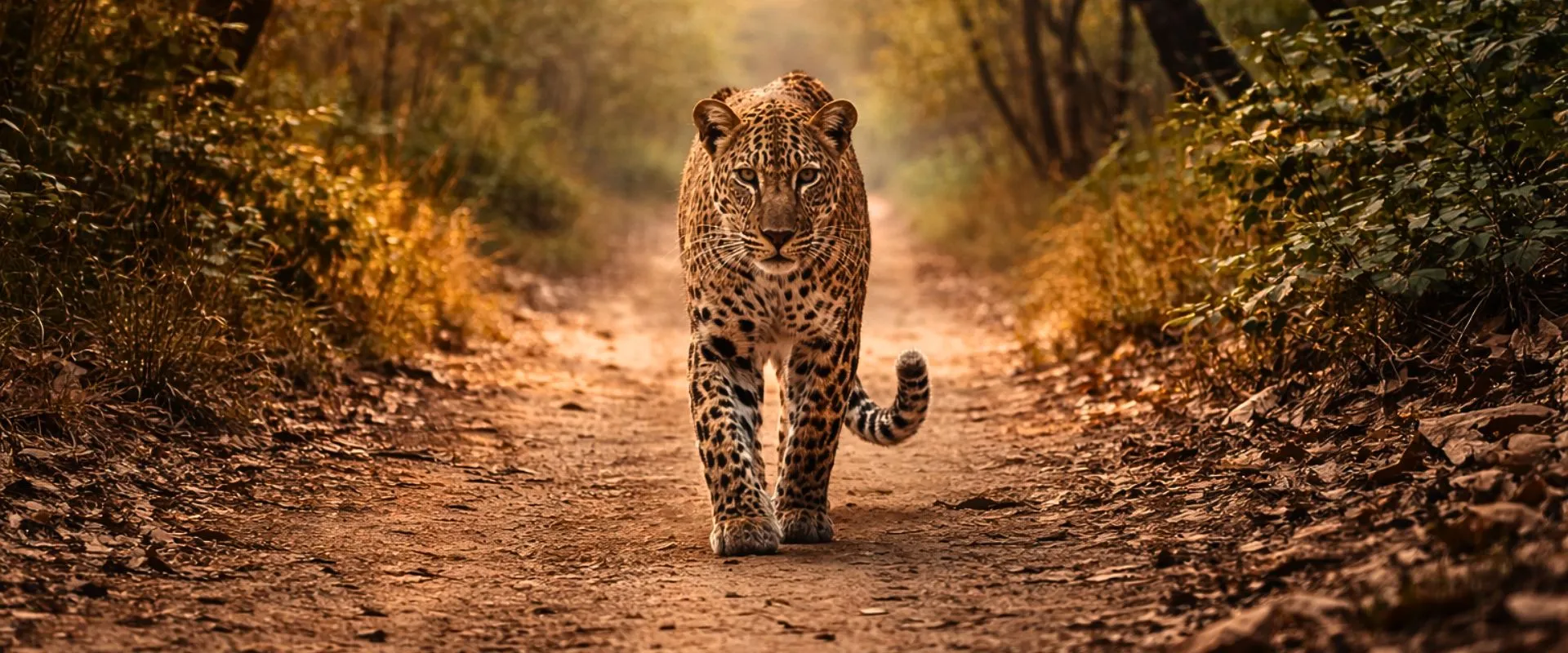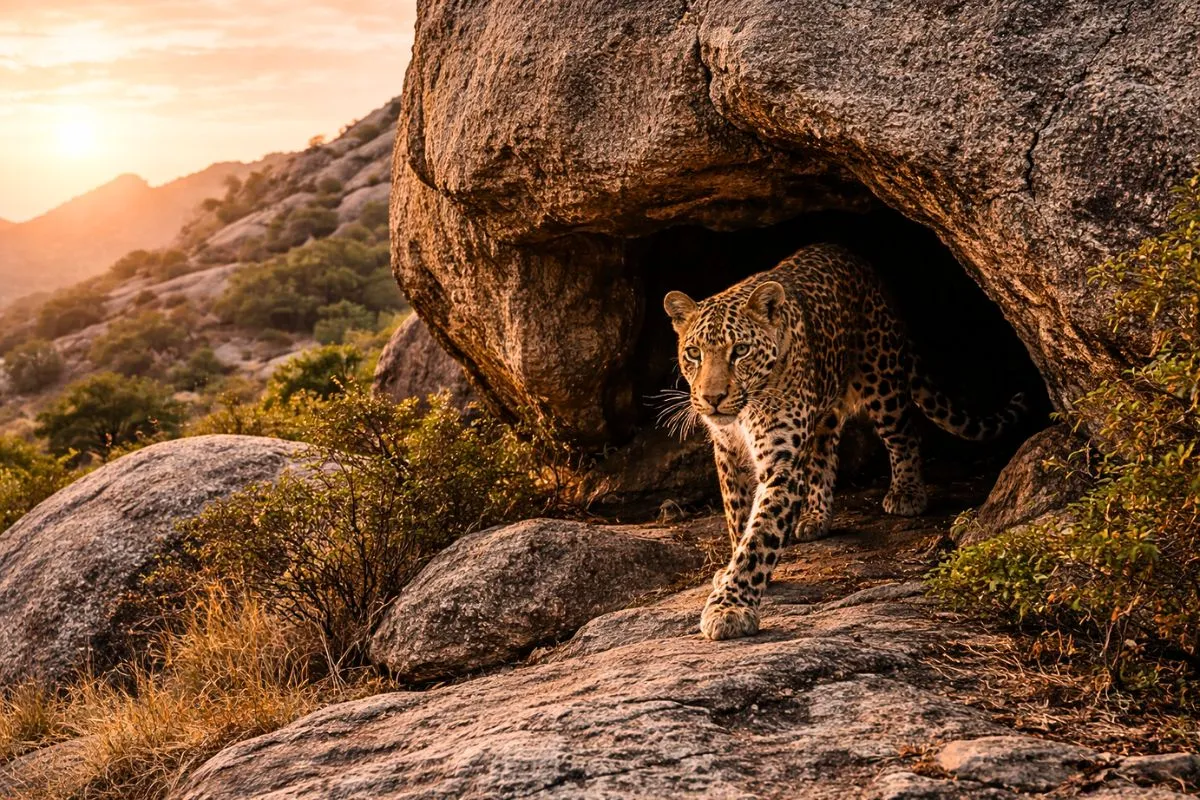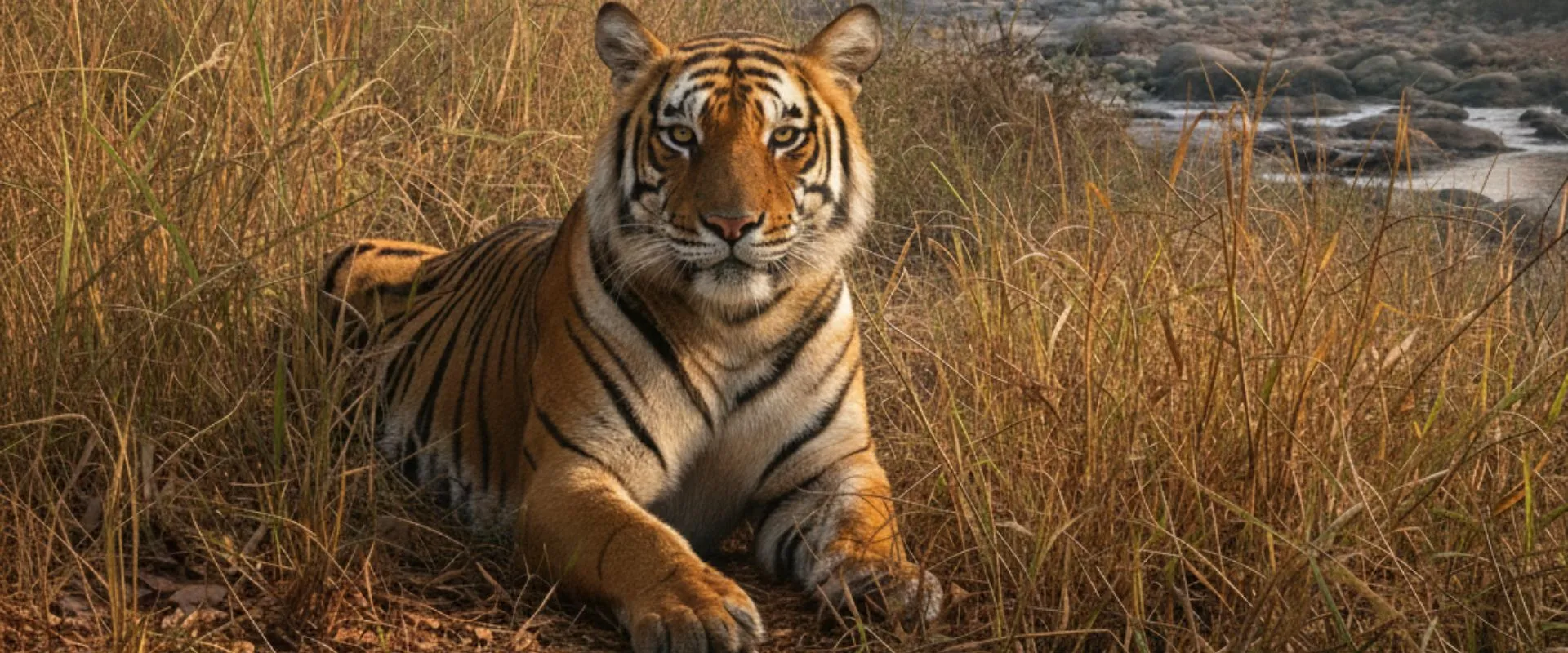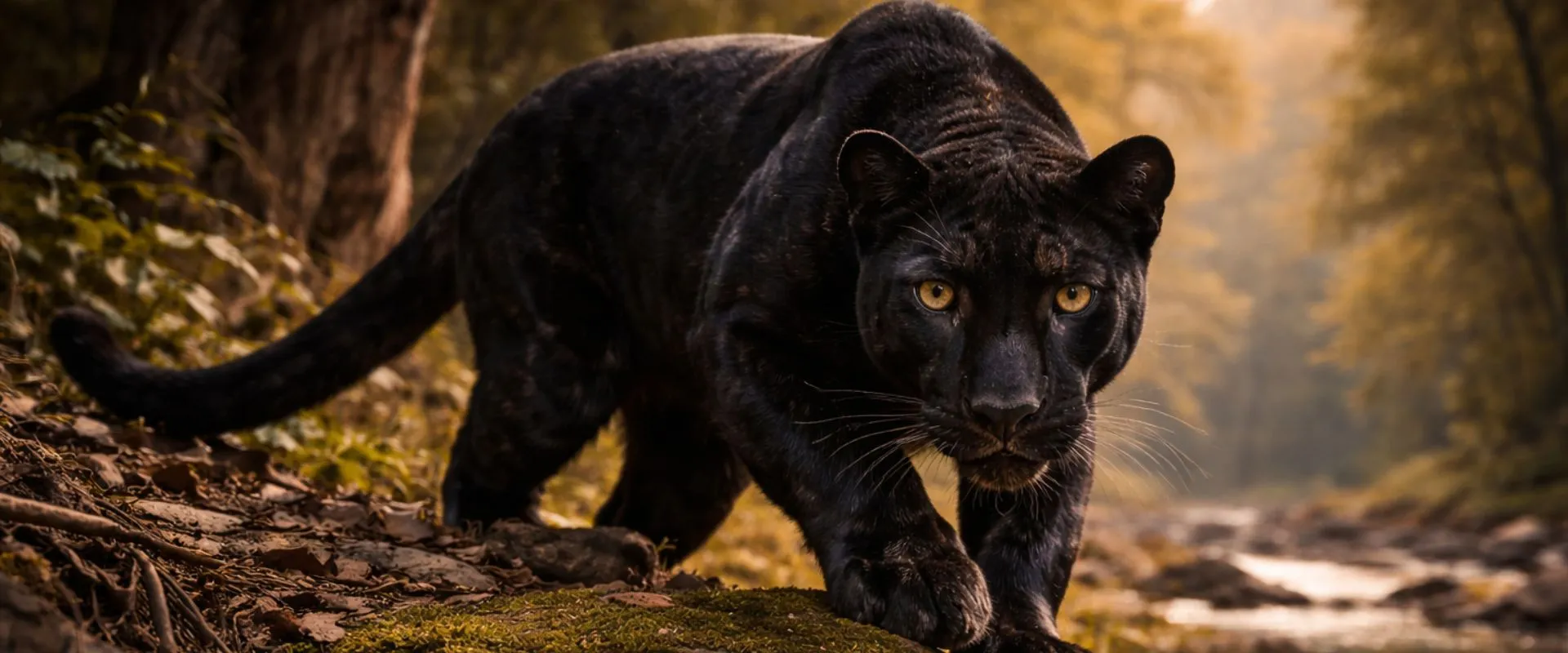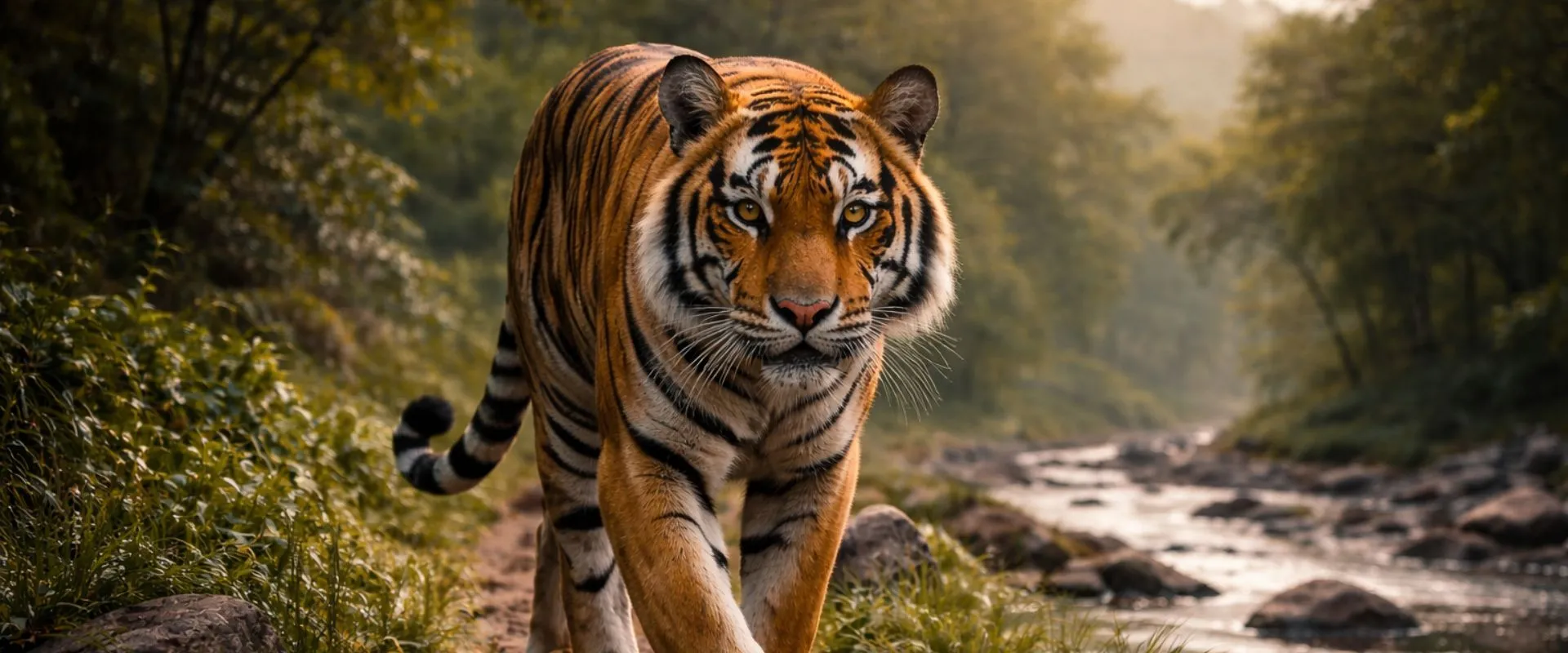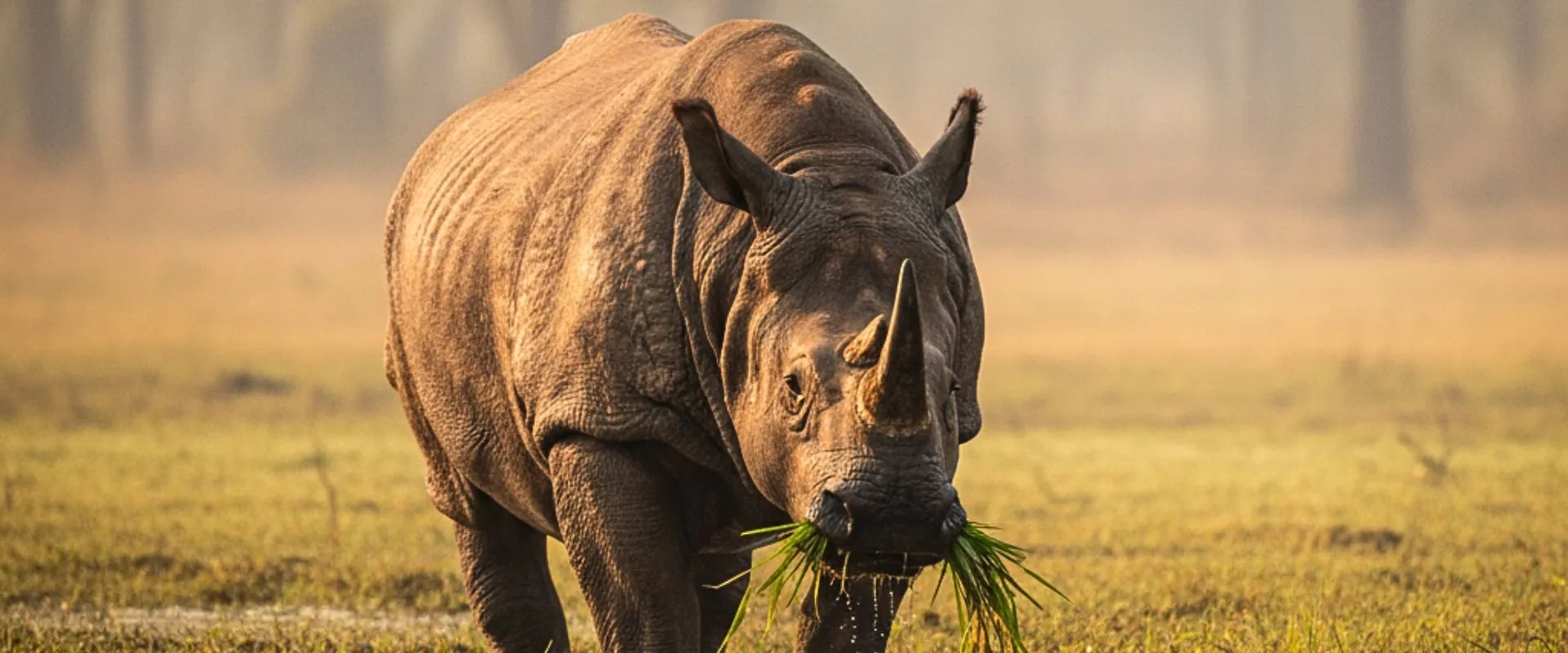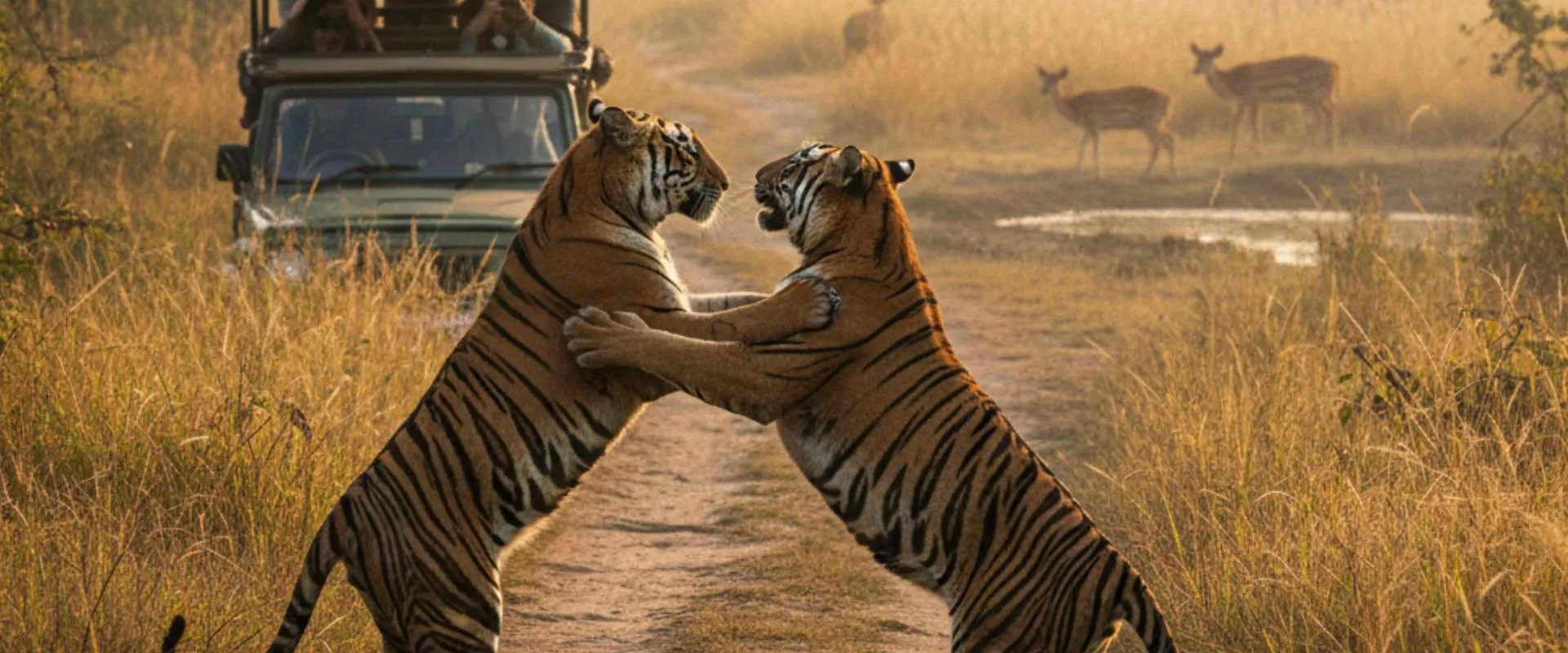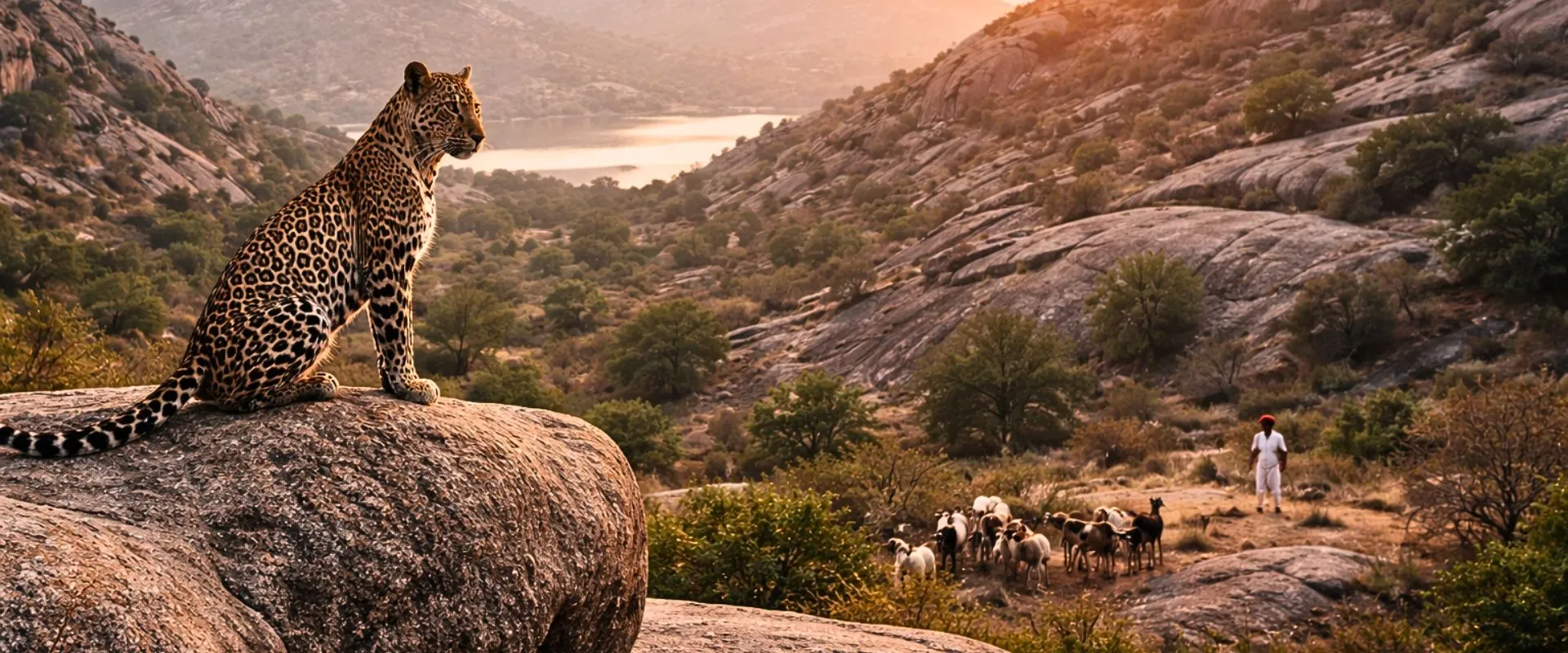
Jawai is a unique wildlife destination in the Pali district of Rajasthan, best known as a leopard hotspot where big cats roam freely across granite hills and villages in a remarkable human‑wildlife coexistence.
Jawai is globally admired for its rare and peaceful coexistence between humans and leopards — a phenomenon found in very few places in the world. Unlike dense forest reserves, Jawai’s landscape includes villages, temples, grazing lands, and granite hills where leopards move freely without conflict.
The Rabari community, native to this region, has lived alongside leopards for generations. Deeply connected to nature, the Rabaris consider wildlife a natural part of their ecosystem rather than a threat. Their traditional pastoral lifestyle and respect for animals have played a key role in maintaining harmony between people and predators.
Another unique aspect of Jawai is the presence of ancient temples built atop granite rocks, which also serve as natural resting and lookout points for leopards. Despite close proximity to human activity, incidents of conflict are extremely rare.
Most remarkably, Jawai has a zero retaliation history, meaning leopards are not harmed even when they wander close to villages. This deep-rooted tolerance and understanding make Jawai a living example of sustainable wildlife conservation and community-led coexistence — one of the strongest reasons why Jawai stands apart from other leopard destinations.
Jawai offers some of the highest leopard sighting chances in India, making it a preferred destination for wildlife enthusiasts and photographers alike. Several natural and human-led factors contribute to these consistent sightings.
The region’s open terrain and massive granite hill formations allow clear visibility, unlike dense jungle habitats. Leopards are often seen resting, climbing, or moving across exposed rocks, increasing sighting opportunities during safaris.
Unlike many wildlife reserves where big cats are mostly nocturnal, leopards in Jawai are frequently active during daylight hours. Their comfort around human settlements and open landscapes has reduced their need for strictly nocturnal movement.
Another key advantage is the presence of experienced local trackers who understand individual leopard territories, movement patterns, and behavior. Their on-ground knowledge significantly improves the chances of successful sightings while ensuring ethical and respectful tracking practices.
Seasonal behavior also plays an important role. During winter months, leopards are often seen basking on sunlit rocks, while in warmer seasons they are spotted near shaded hills and water sources. Leopard sightings vary across different granite hill zones, with areas like Bera Zone, Sena Zone, and Jawai Zone, Kothar Zone and Jeewada zone offering distinct landscapes and tracking experiences. This predictable movement makes Jawai safaris both exciting and rewarding throughout most of the year.
Bird Watching at Jawai Dam.
The best time to visit Jawai for leopard safaris is between October and March, when weather conditions are pleasant and wildlife activity is high. During these months, leopards are frequently spotted basking on sunlit granite rocks, and birdlife around Jawai Dam is at its peak due to migratory species.
Summer months (April to June) can also offer excellent leopard sightings, especially during early morning and late evening safaris, as animals move closer to shaded areas and water sources. Monsoon season is generally quieter for tourism, but the landscape turns lush and scenic.
Best season for wildlife and bird sightings is October to March (pleasant weather & migratory birds).
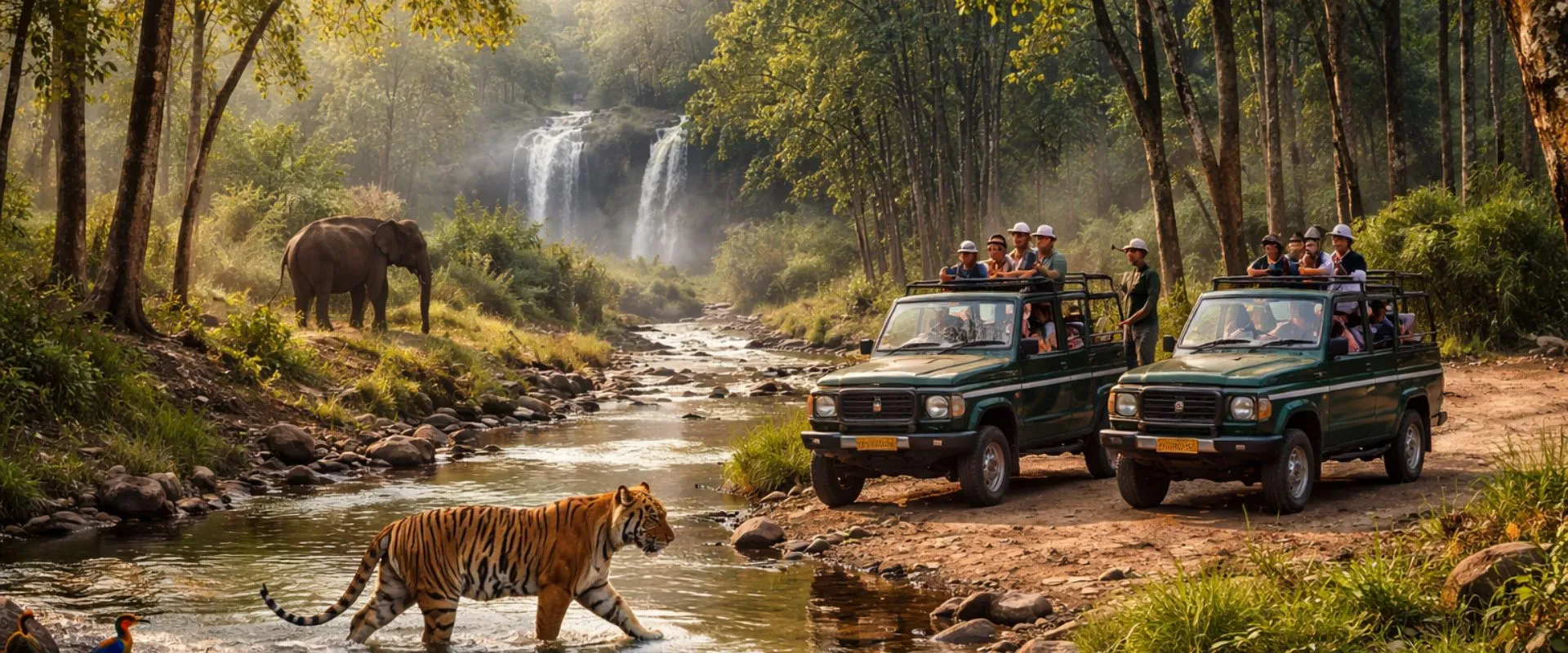
Safaris typically run twice daily — sunrise and sunset.
Planning your Jawai Leopard Safari booking in advance with experienced local operators ensures better tracking and responsible wildlife experiences.