Giddha Zone – Sanjay Dubri Tiger Reserve

The Giddha Zone is one of the primary tourism zones in Sanjay Dubri Tiger Reserve, serving as the main gateway for wildlife enthusiasts exploring this spectacular wilderness in Madhya Pradesh. As the most accessible and well-developed safari zone, Giddha offers excellent infrastructure, experienced guides, and consistently rewarding wildlife encounters, making it ideal for first-time visitors and serious wildlife enthusiasts alike seeking authentic tiger reserve experiences.

What to Expect:

  • The zone features dense sal forests, bamboo groves, open grasslands, and seasonal water bodies creating diverse microhabitats.
  • Well-maintained safari routes wind through varied terrain, providing excellent visibility and wildlife viewing opportunities.
  • The landscape includes gentle slopes, valley bottoms, forest corridors, and strategic viewpoints overlooking wildlife congregation areas.
  • As a primary tourism zone, Giddha has the best infrastructure with trained naturalists, reliable vehicles, and organized safari operations.

Wildlife Highlights:

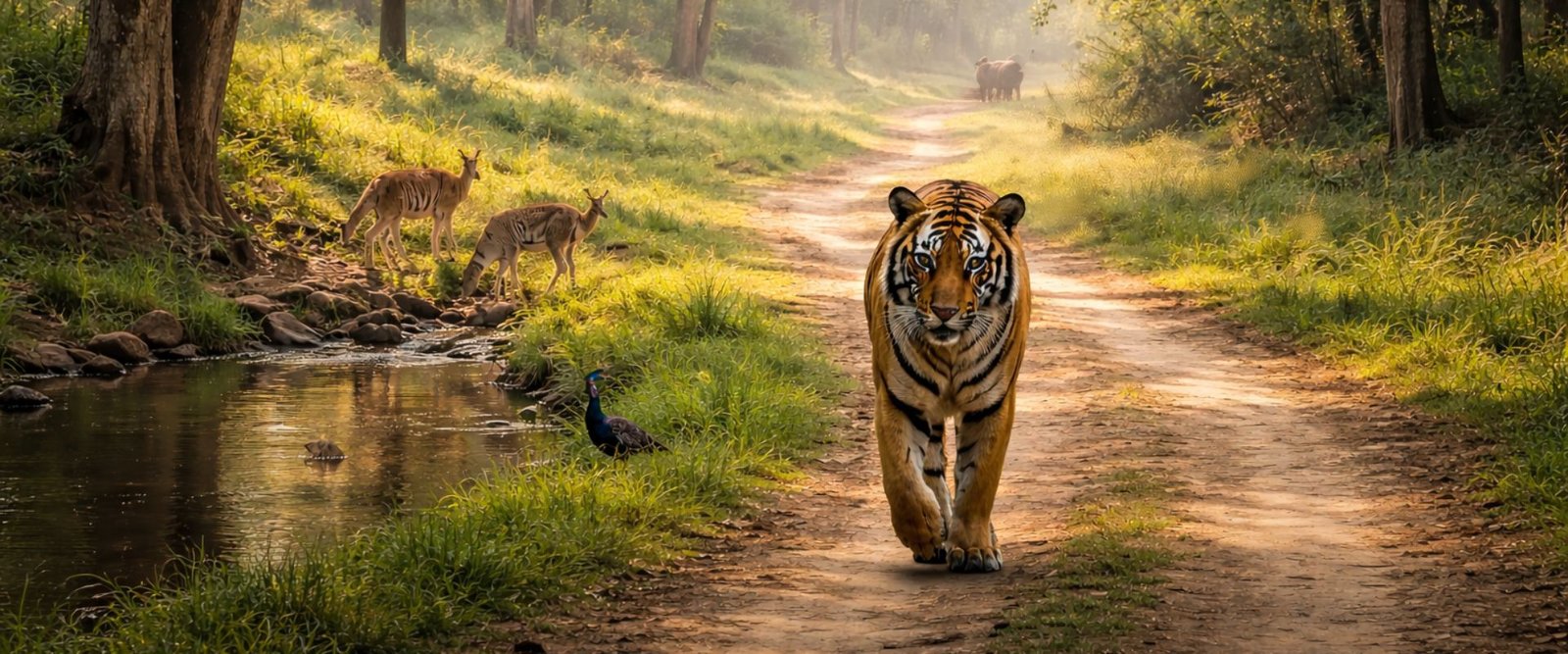
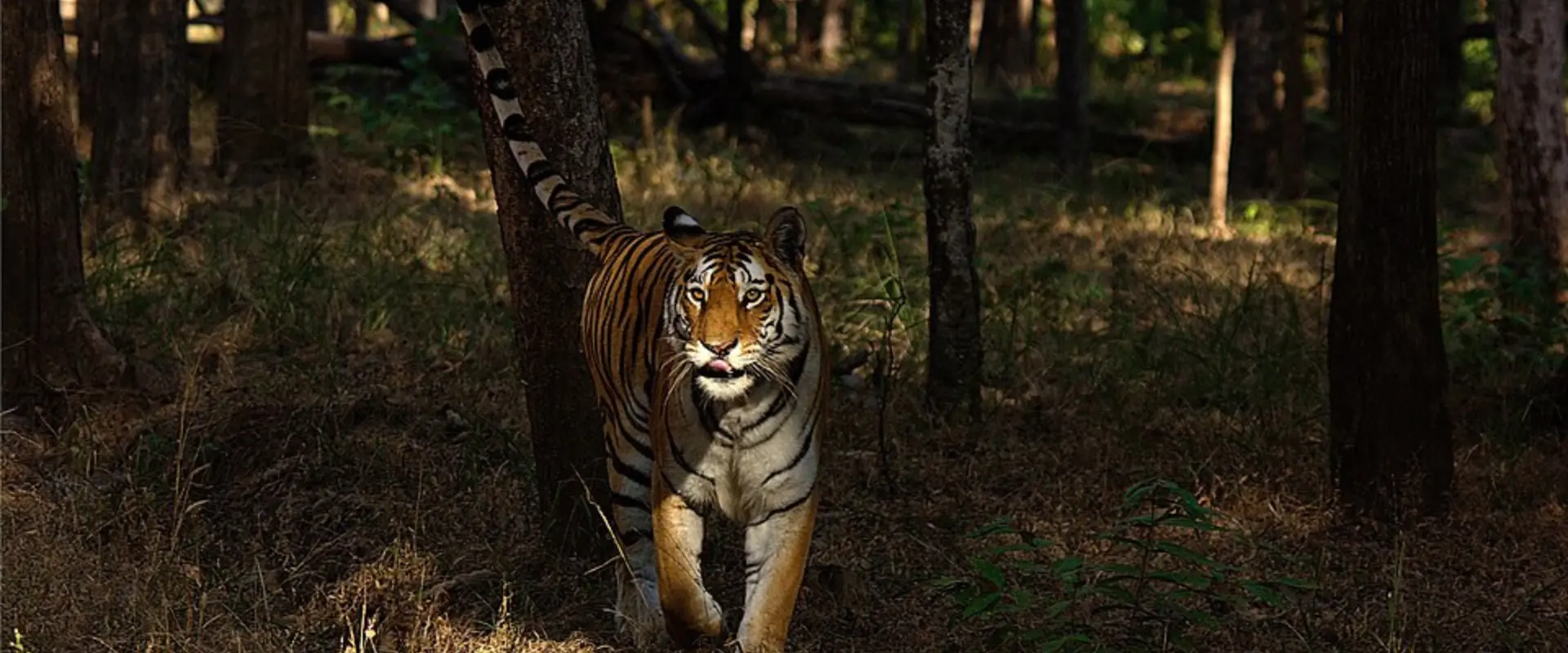
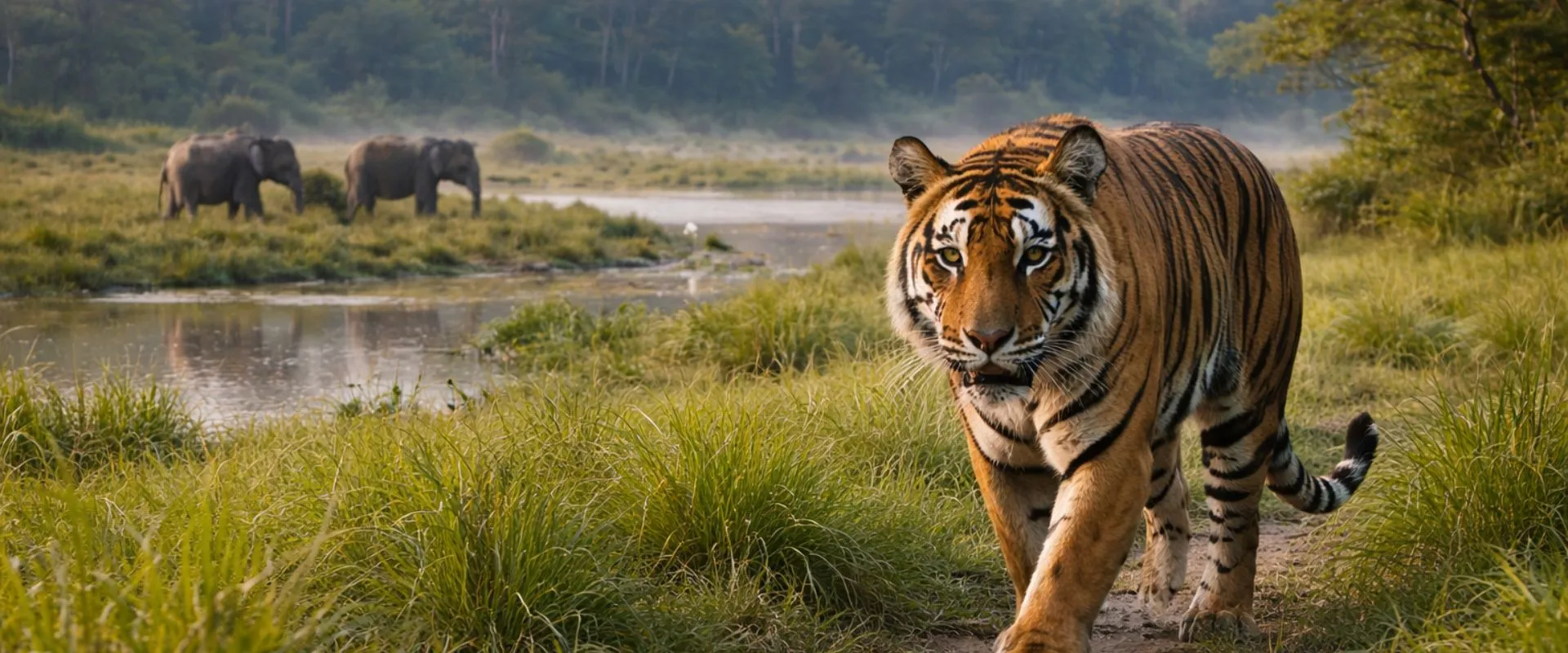
  • Bengal Tigers: Giddha is renowned for excellent tiger sightings, especially during early morning hours. Resident tigers patrol territories encompassing water holes, forest edges, and prey concentration areas. The zone hosts several breeding tigers, and encounters often feature natural behaviors—territorial patrolling, scent marking, hunting, and resting near water sources.
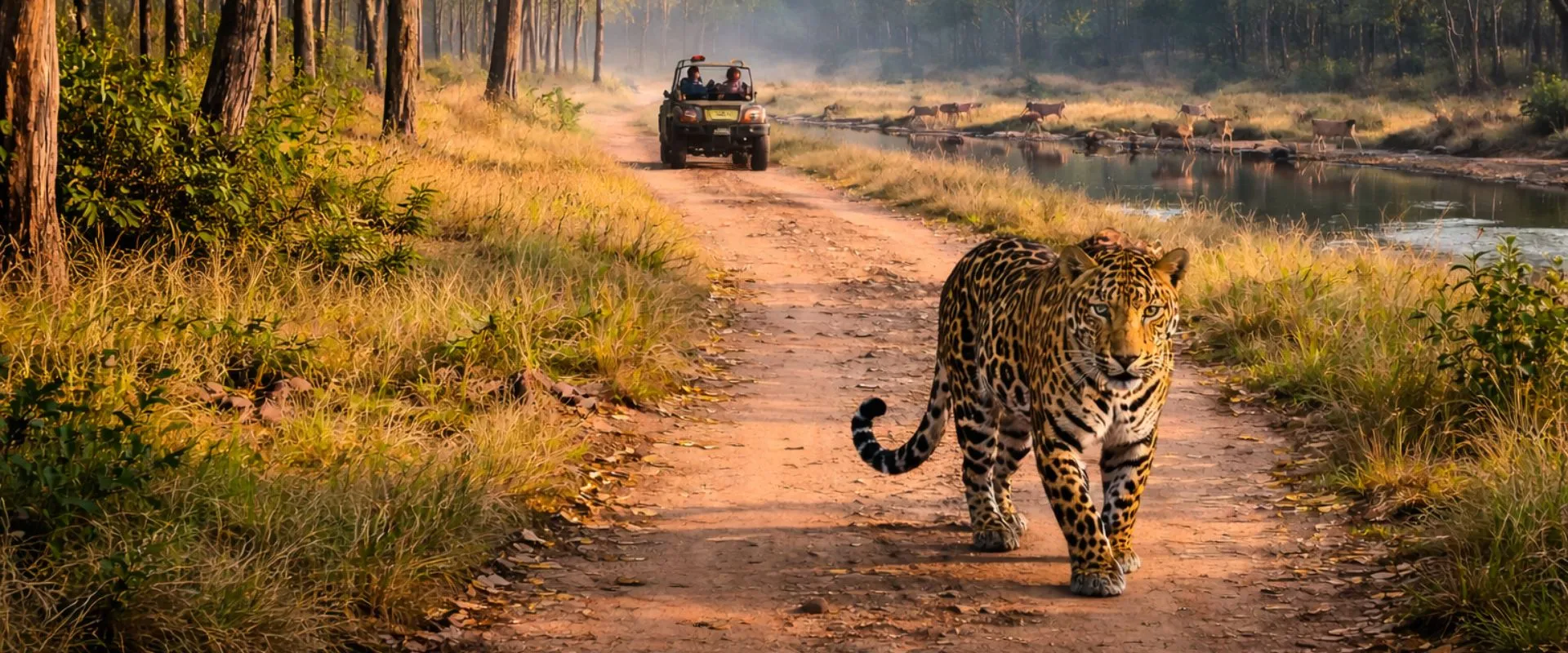
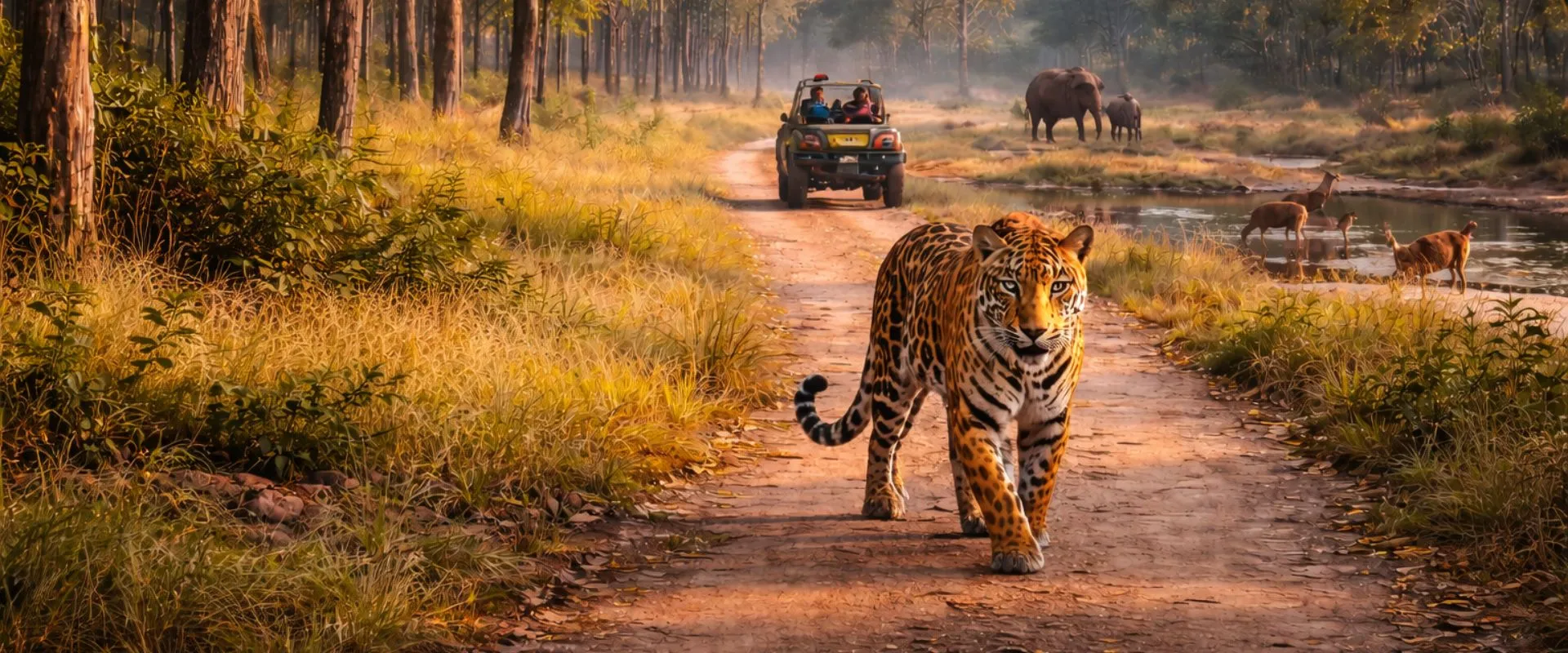
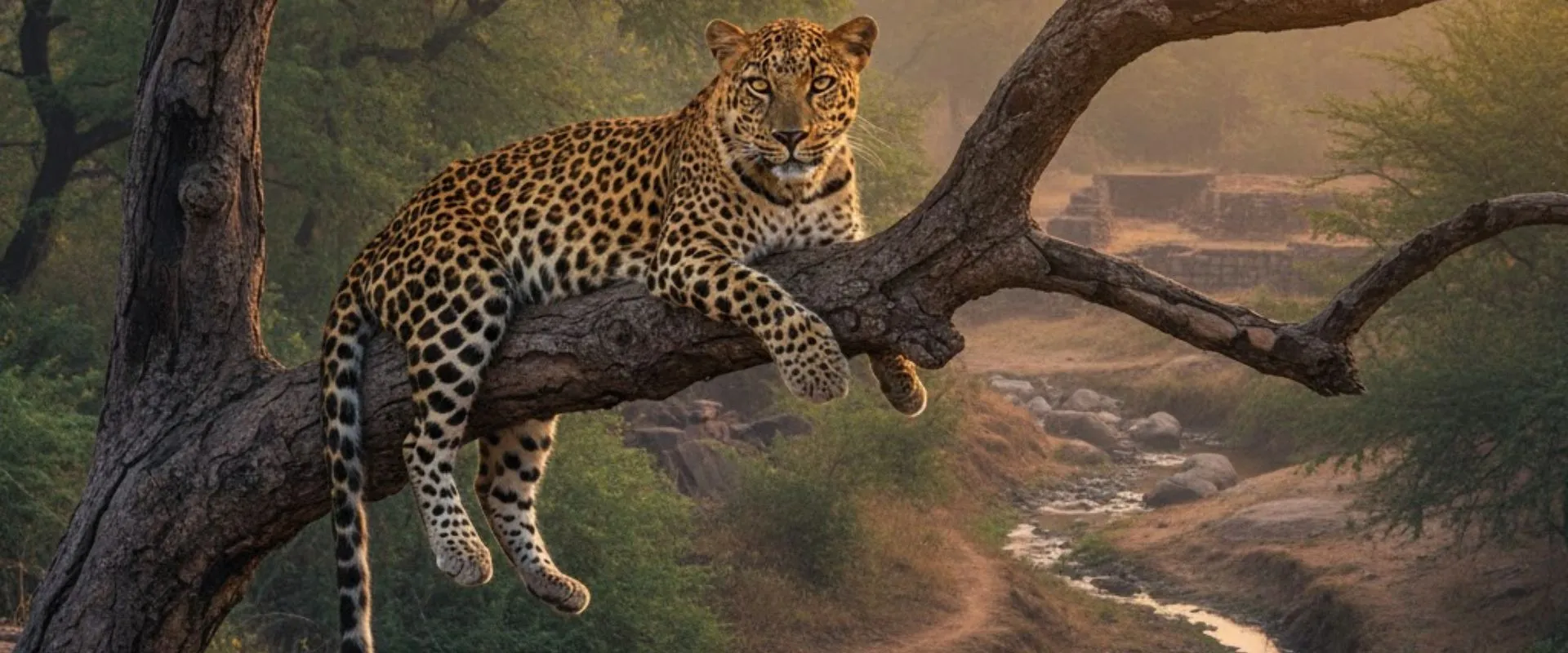
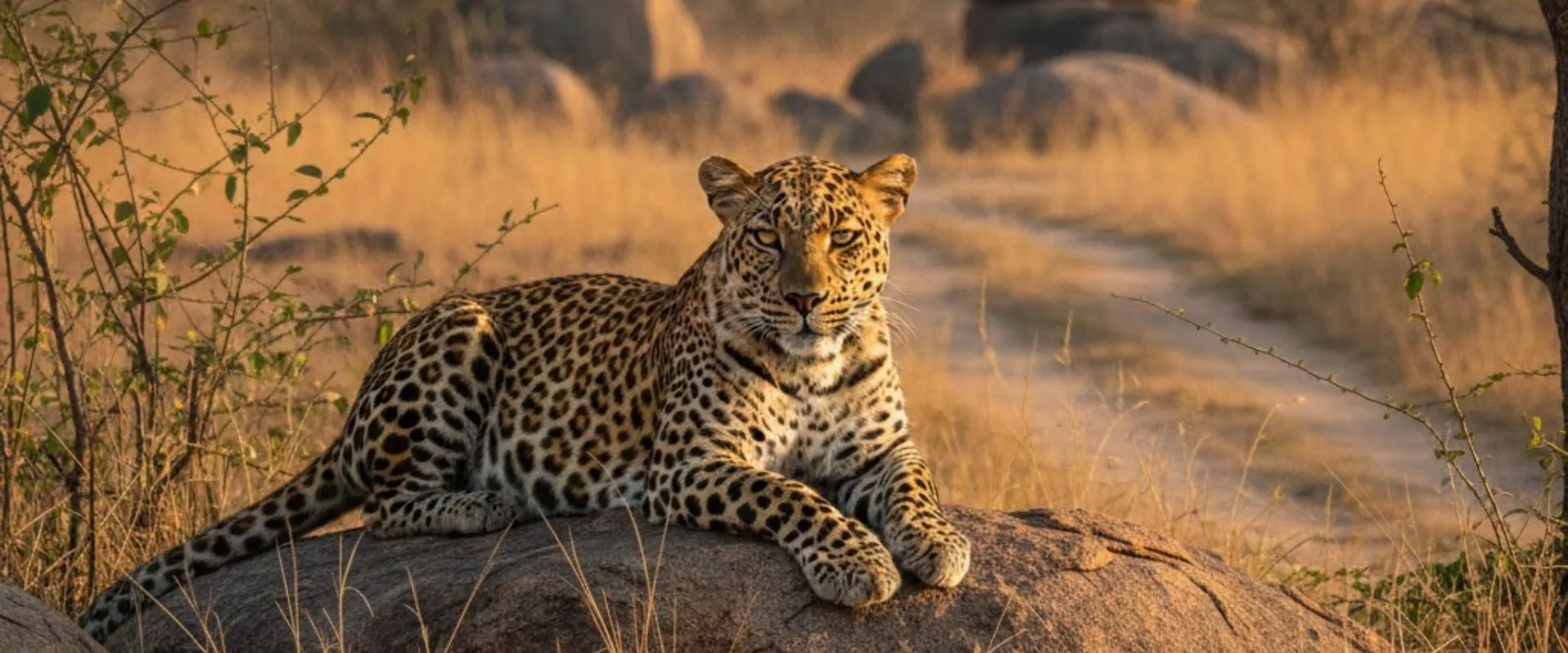
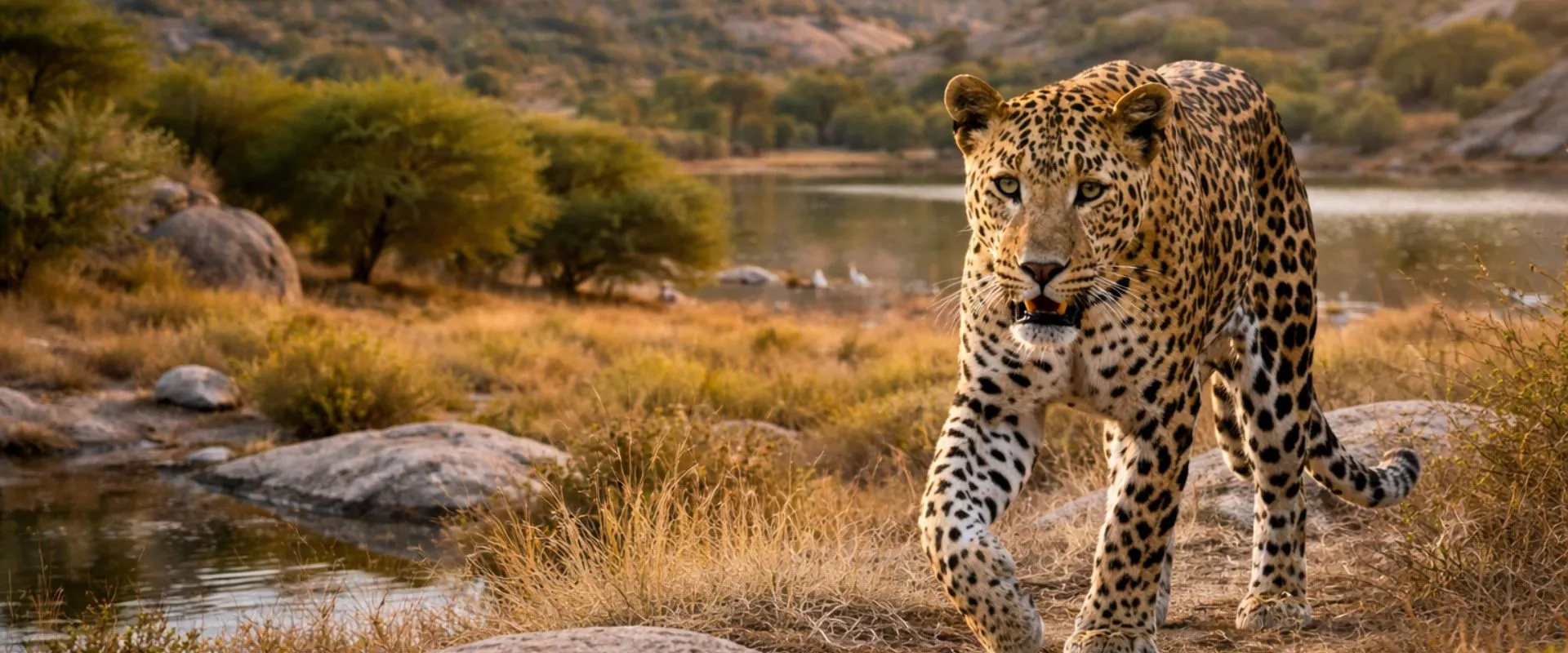
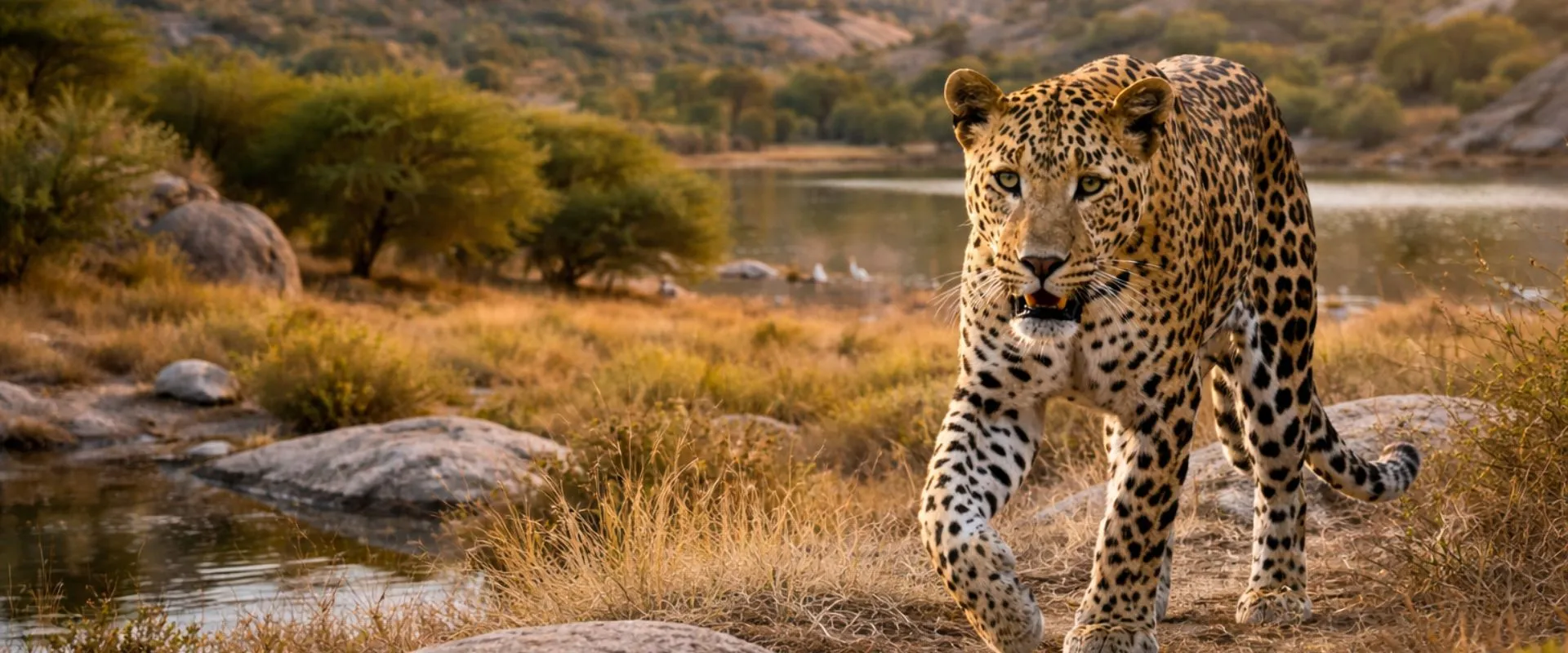
  • Leopards: Present throughout the zone, utilizing both forested areas and rocky patches. Leopards are occasionally spotted during daytime, especially during cooler winter months.
  • Sloth Bears: Regularly encountered foraging for termites and fruits, particularly in areas with abundant termite mounds. Bears are most visible during early morning safaris.
  • Indian Gaur (Bison): Large herds of gaur frequent the zone’s grasslands and bamboo areas. These massive bovines, weighing over 1,000 kg, present spectacular photographic subjects.
  • Herbivores: Abundant populations of spotted deer (chital), sambar deer, barking deer (muntjac), four-horned antelopes, and nilgai provide substantial prey base supporting healthy predator populations.
  • Wild Dogs (Dholes): Packs of 8-12 individuals are occasionally spotted hunting cooperatively, offering rare opportunities to observe their fascinating pack dynamics.
  • Wild Boars: Large sounders commonly seen throughout the zone.
  • Birdlife: Over 100 species including Malabar pied hornbills, crested serpent eagles, Indian pittas, paradise flycatchers, various woodpeckers, and numerous forest specialists.

Best Features:

  • Primary tourism zone with highest probability of tiger encounters in Sanjay Dubri.
  • Excellent infrastructure—well-marked routes, experienced naturalists, organized operations.
  • Strategic water holes attract diverse wildlife, especially during summer months (March-June).
  • Ideal for wildlife photography with open grasslands providing clear sightlines and excellent natural lighting.
  • Perfect blend of dense forest and open meadows creating varied habitat types within single safaris.
  • Suitable for all visitor types—families, first-timers, experienced wildlife enthusiasts, and photographers.

Safari Experience: 

Giddha Zone safaris typically last 3-4 hours, covering approximately 20-25 kilometers through prime tiger territory. Safaris begin at the main gate where experienced naturalists provide briefings on park rules, safety protocols, and recent wildlife activity patterns. As jeeps enter the forest, the transformation is immediate—towering sal trees create cathedral-like canopy, the earthy scent of forest soil fills the air, and anticipation of wildlife encounters electrifies the atmosphere.

Morning safaris often feature spectacular dawn light filtering through forest canopy, illuminating grasslands where chital herds graze vigilantly. Spotted deer alarm calls—sharp barks when predators approach—frequently alert safari vehicles to tiger or leopard presence before visual confirmation. The zone’s network of forest roads passes through critical wildlife corridors where pugmark analysis, scratch marks on trees, and fresh scat provide clues for tracking predators.

Giddha’s seasonal water bodies become wildlife theaters during summer months. As temperatures soar and water sources diminish, animals concentrate at remaining pools and streams. Patient observers witness fascinating multi-species interactions—nervous deer approaching cautiously while checking for predators, dominant gaur bulls displacing smaller animals, and occasionally, tigers arriving to drink and bathe, creating unforgettable wildlife moments.

Tiger tracking in Giddha combines science and intuition. Naturalists examine fresh pugmarks in sandy patches, analyze territorial spray markings, interpret prey species alarm calls, and discuss movement patterns based on time of day and temperature. When tigers are located, they often display relaxed behaviors—walking confidently along roads, patrolling territorial boundaries, or resting under shade trees during midday heat—providing excellent photographic opportunities.

The zone’s sal forests host diverse wildlife beyond large mammals. Giant squirrels leap through canopies, langur troops vocalize territorial claims, woodpeckers drum on tree trunks, and occasionally, jungle cats or civets make brief appearances. Understanding this ecosystem complexity—recognizing that wildlife comprises interconnected communities rather than just charismatic megafauna—deepens appreciation for conservation challenges.

Best Time to Visit:

  • November to February: Pleasant weather with comfortable temperatures (12-28°C); ideal for extended safaris. Cool mornings feature high wildlife activity. Peak season for family visits and first-time safari-goers.
  • March to June: Prime wildlife viewing season. Summer temperatures (32-42°C) drive animals to limited water sources, significantly increasing sighting concentrations. Tiger encounters peak during these months. Early morning safaris (6:00 AM) essential to avoid midday heat.
  • October: Post-monsoon period with lush vegetation, full water bodies, and active wildlife. The zone looks spectacular in vibrant green, though animals are more dispersed due to abundant water availability.

Visitor Tips:

  • Advance Booking Essential: As the primary tourism zone, Giddha experiences highest demand. Book safaris well ahead, especially during peak season (December-April) and weekends.
  • Early Morning Priority: Book the earliest morning safari slot (6:00 AM) for best tiger sighting chances and comfortable temperatures.
  • Photography Equipment: Carry telephoto lenses (300-500mm), spare batteries, sufficient memory cards, and stabilization equipment. Giddha’s open areas allow excellent wildlife photography.
  • Binoculars Critical: Quality binoculars (8×42 or 10×42) enhance distant wildlife viewing and bird identification.
  • Appropriate Clothing: Wear neutral colors (khaki, olive, brown), avoid bright colors. Carry layers for cool mornings.
  • Sun Protection: Hats, sunglasses, and sunscreen essential, especially during summer safaris.
  • Hydration: Carry water bottles; stay hydrated during longer safaris.
  • Silence Paramount: Quiet vehicles significantly increase wildlife encounter chances. Minimize conversation and avoid sudden movements.
  • Trust Your Naturalist: Experienced guides know territorial patterns, recent sightings, and optimal strategies. Follow their instructions for safety and enhanced experiences.
  • Multiple Safaris: Book both morning and evening safaris, and consider multiple days to maximize sighting opportunities.

Route Highlights: 

Key locations within Giddha Zone include:

  • Main Grasslands (Haadi): Extensive open areas where herbivore herds congregate; prime tiger patrol routes
  • Central Water Holes: Strategic water sources attracting diverse wildlife year-round, especially critical during summer
  • Sal Forest Corridors: Dense forest patches where leopards, sloth bears, and tigers rest during hot midday hours
  • Bamboo Grove Sections: Bamboo thickets favored by gaur and elephants (if present)
  • Rocky Outcrop Areas: Elevated positions providing scanning opportunities and occasional leopard sightings
  • Valley Viewpoints: Elevated locations offering panoramic forest views and wildlife movement observation

Photography Opportunities: 

Giddha Zone excels for:

  • Tiger portraits in natural open settings with excellent lighting conditions
  • Gaur compositions—massive bulls against forest or grassland backgrounds
  • Large herbivore herds in sweeping landscape compositions
  • Water hole wildlife assemblages—multiple species interactions during dry season
  • Sunrise/sunset wildlife silhouettes over grasslands
  • Sloth bear behavior documentation—foraging, climbing, maternal care
  • Bird photography—hornbills, raptors, and colorful forest species
  • Action shots—deer running, predator movements, animal interactions

Conservation Significance: 

Giddha Zone represents the accessible face of Sanjay Dubri’s conservation success. The zone’s healthy tiger population demonstrates effective habitat protection and prey base management. Tourism revenue from Giddha directly funds anti-poaching patrols, habitat restoration, and community development programs reducing human-wildlife conflict in peripheral areas. The zone proves sustainable tourism can coexist with wildlife protection, providing economic justification for maintaining protected areas while delivering transformative wildlife experiences.

Educational Value: 

Giddha provides opportunities for understanding:

  • Tiger ecology, territorial behavior, and breeding patterns
  • Predator-prey dynamics and ecosystem balance
  • Habitat requirements for different wildlife species
  • Conservation challenges in central Indian wildlife corridors
  • Sustainable tourism models benefiting both wildlife and local communities

Who Should Visit Giddha Zone:

  • First-time safari visitors seeking reliable, high-quality wildlife experiences
  • Tiger enthusiasts wanting excellent sighting probabilities
  • Wildlife photographers seeking open terrain and good natural lighting
  • Families with children wanting comfortable, organized safaris
  • Nature lovers appreciating ecosystem diversity beyond just predators
  • Visitors with limited time wanting maximum wildlife viewing efficiency
  • Educational groups studying wildlife conservation and ecology

Why Choose Giddha Zone: 

Giddha Zone represents Sanjay Dubri at its most accessible and rewarding—combining excellent wildlife viewing, professional infrastructure, and authentic wilderness experiences. As the primary tourism zone, Giddha delivers consistent, high-quality encounters satisfying both first-time visitors discovering Indian wildlife and experienced enthusiasts seeking tiger sightings. The zone’s proven track record of memorable encounters, coupled with excellent facilities and knowledgeable naturalists, makes it Sanjay Dubri’s flagship destination and an essential experience for anyone passionate about India’s natural heritage and tiger conservation.

Book your Jungle Experiences along with Safaris & Local Activities

Related Safari Zones

Amagarh Zone

Amagarh Zone

Amagarh Zone The Amagarh Zone is a buffer area known for its hilly terrain and dense vegetation, offering challenging but rewarding safari experience...

Jhalana Zone 2

Jhalana Zone 2

Jhalana Zone 2 Jhalana Zone 2 offers alternative safari routes within the Jhalana reserve, featuring similar terrain with different vantage points. ...

Jhalana Zone 1

Jhalana Zone 1

Jhalana Zone 1 Jhalana Zone 1 is part of Jhalana Leopard Conservation Reserve near Jaipur, known as an urban wildlife sanctuary with high leopard den...

Jawai Zone

Jawai Zone

Jawai Zone The Jawai Zone is famous for its unique landscape of granite hills and leopard conservation, though it's actually a separate wildlife area...

Jeewada Zone

Jeewada Zone

Jeewada Zone The Jeewada Zone is a remote buffer area offering untouched wilderness and excellent opportunities for spotting elusive wildlife. Wha...

Kothar Zone

Kothar Zone

Kothar Zone The Kothar Zone is a pristine wilderness area within the park, known for its rugged terrain and dense sal forests. What Makes Kothar S...

Sena Zone

Sena Zone

Sena Zone The Sena Zone is a peripheral buffer area characterized by mixed forests and agricultural borders, providing a unique blend of wildlife hab...

Bera Zone

Bera Zone

Bera Zone The Bera Zone is a wildlife corridor and transition area of the national park, offering diverse landscapes from open grasslands to dense fo...

Harsa/Khajurikudar Zone

Harsa/Khajurikudar Zone

These buffer zones expand safari opportunities beyond the core areas and include small grasslands, seasonal water bodies, and forest patches. What ...

Jhinna Zone

Jhinna Zone

The Jhinna Zone is a buffer and fringe area of Panna National Park, known for quiet safari trails and nocturnal wildlife opportunities. What Makes ...

Akola Zone

Akola Zone

The Akola Zone is part of the park’s buffer area, providing a peaceful safari with mixed habitats including grasslands, dry forests, and small water...

Hinouta Zone

Hinouta Zone

The Hinouta Zone is a core area with undulating terrain, rocky outcrops, and dense forests, providing a quieter safari experience. What Makes Hinou...