Gundre Zone – Bandipur Tiger Reserve

The Gundre Zone is a scenic and biodiverse area of Bandipur Tiger Reserve, characterized by rolling hills, seasonal streams, mixed forest vegetation, and excellent opportunities for observing elephant herds and diverse wildlife. This zone offers a perfect balance between wildlife viewing and landscape appreciation, making it ideal for visitors seeking comprehensive nature experiences that extend beyond just spotting large predators.

What to Expect:

  • The zone features rolling terrain with gentle hills, valley bottoms, seasonal streams (nallahs), and diverse forest types ranging from dry deciduous to moist mixed forests.
  • Safari routes traverse varied elevations, providing panoramic viewpoints overlooking valleys and distant hills alongside intimate forest corridors.
  • The landscape includes rocky outcrops, stream crossings, bamboo groves, and open patches creating diverse microhabitats supporting different wildlife communities.
  • Seasonal water sources attract concentrated wildlife during summer months, while abundant vegetation during post-monsoon periods disperses animals across larger areas.

Wildlife Highlights:

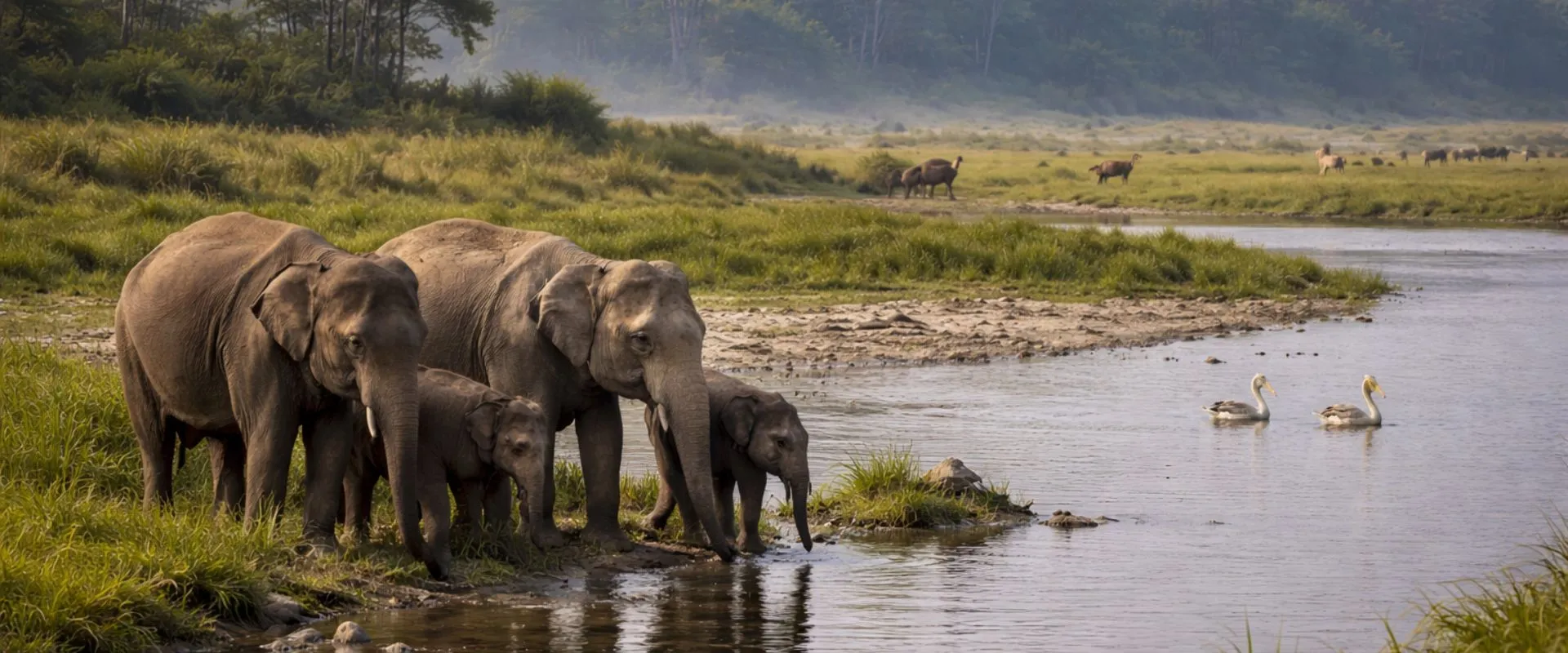
  • Asian Elephants: Gundre Zone is particularly famous for elephant herds, especially during early morning and late evening hours when they move between feeding grounds and water sources. Herds of 30-60 individuals are commonly observed, providing exceptional opportunities to study elephant social dynamics and behaviors.
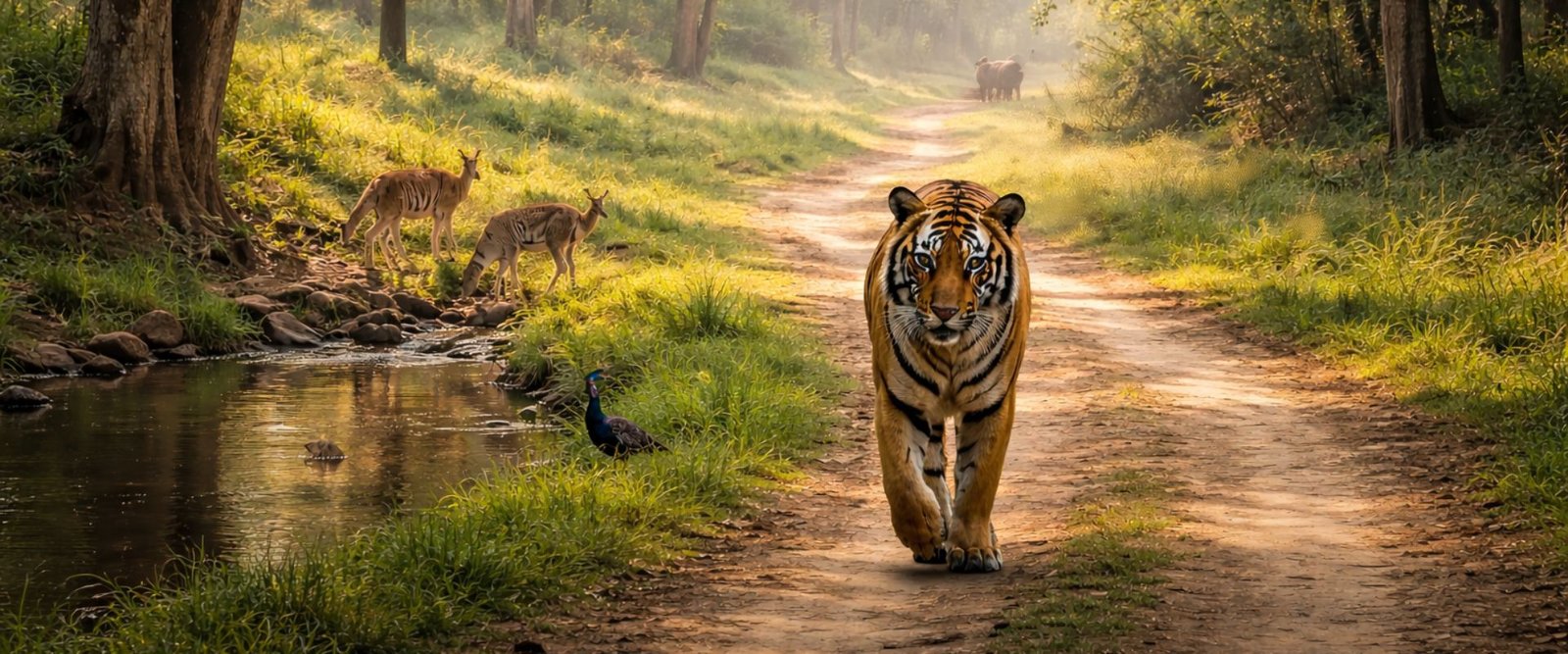
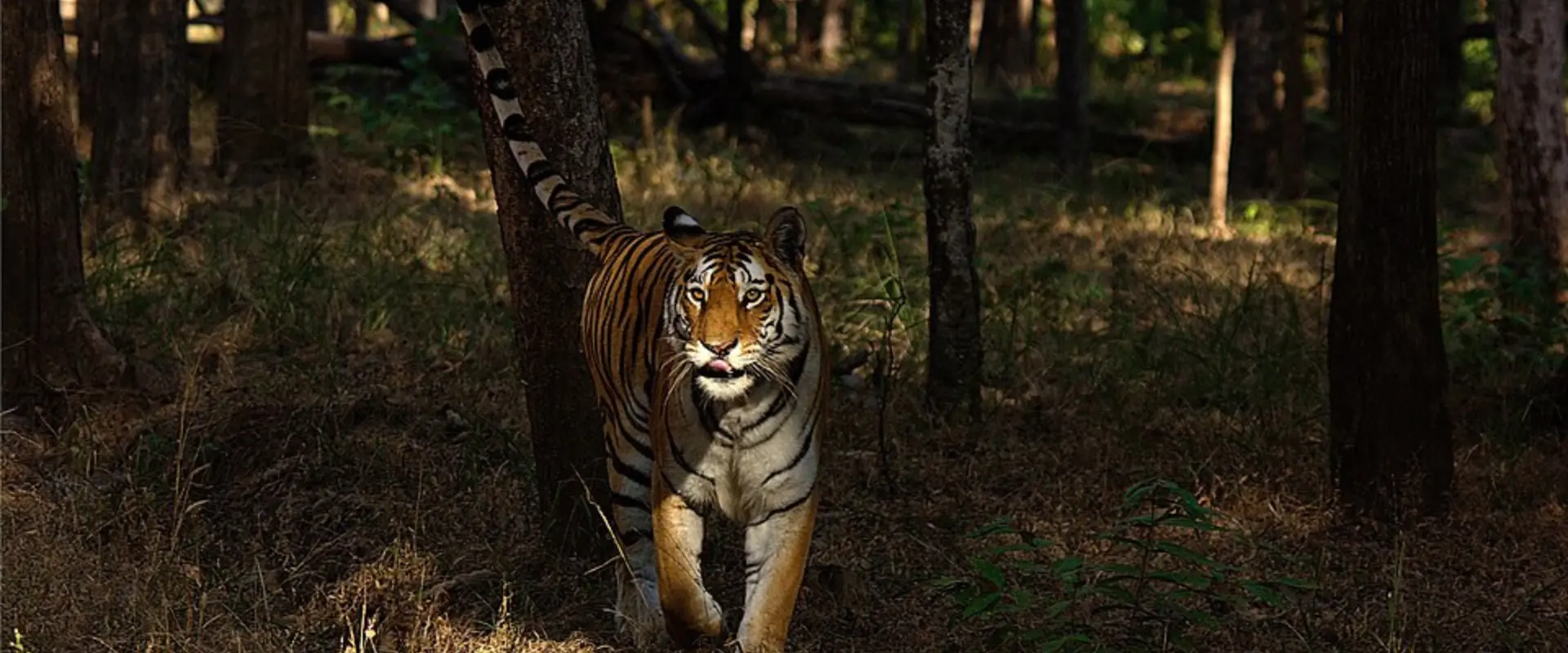
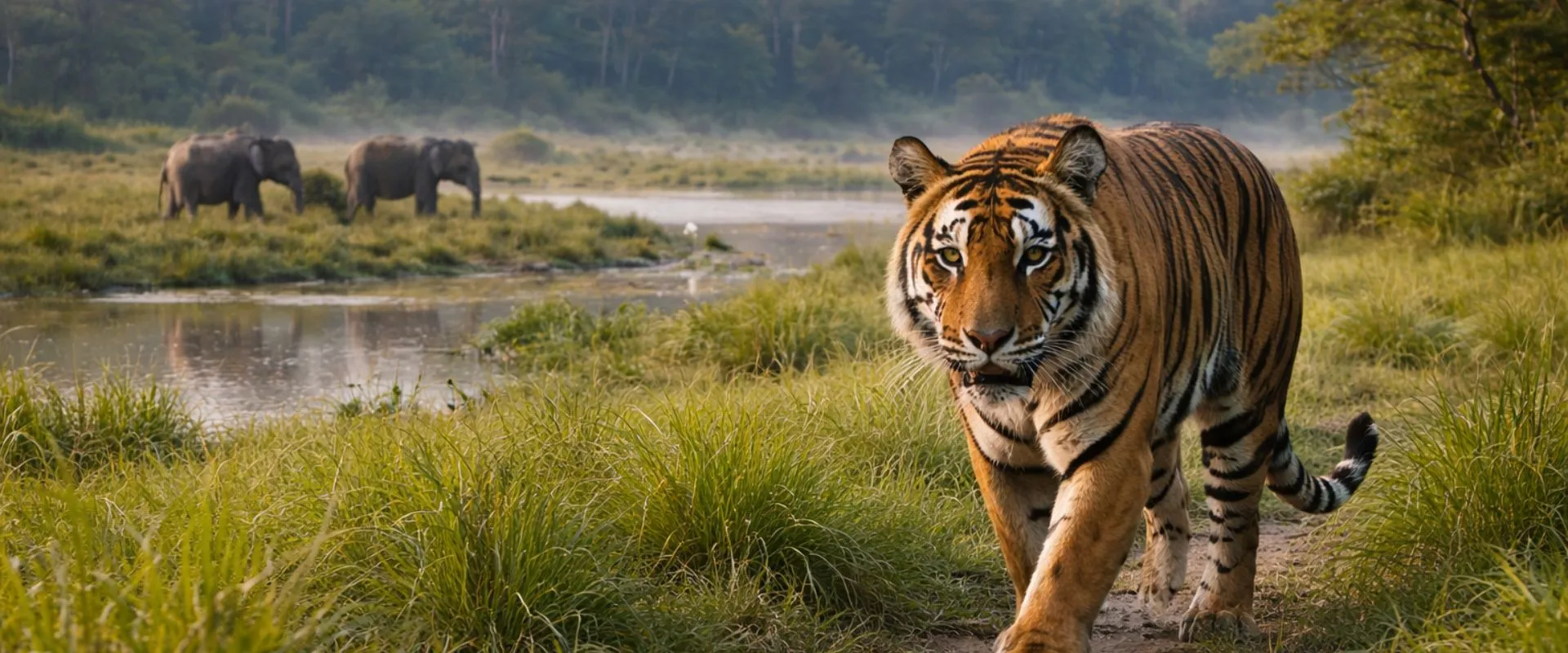
  • Tigers: Resident tigers patrol the zone, with sightings occurring near water sources, forest edges, and along valley bottoms. The zone’s varied terrain provides hunting opportunities and territorial advantages.
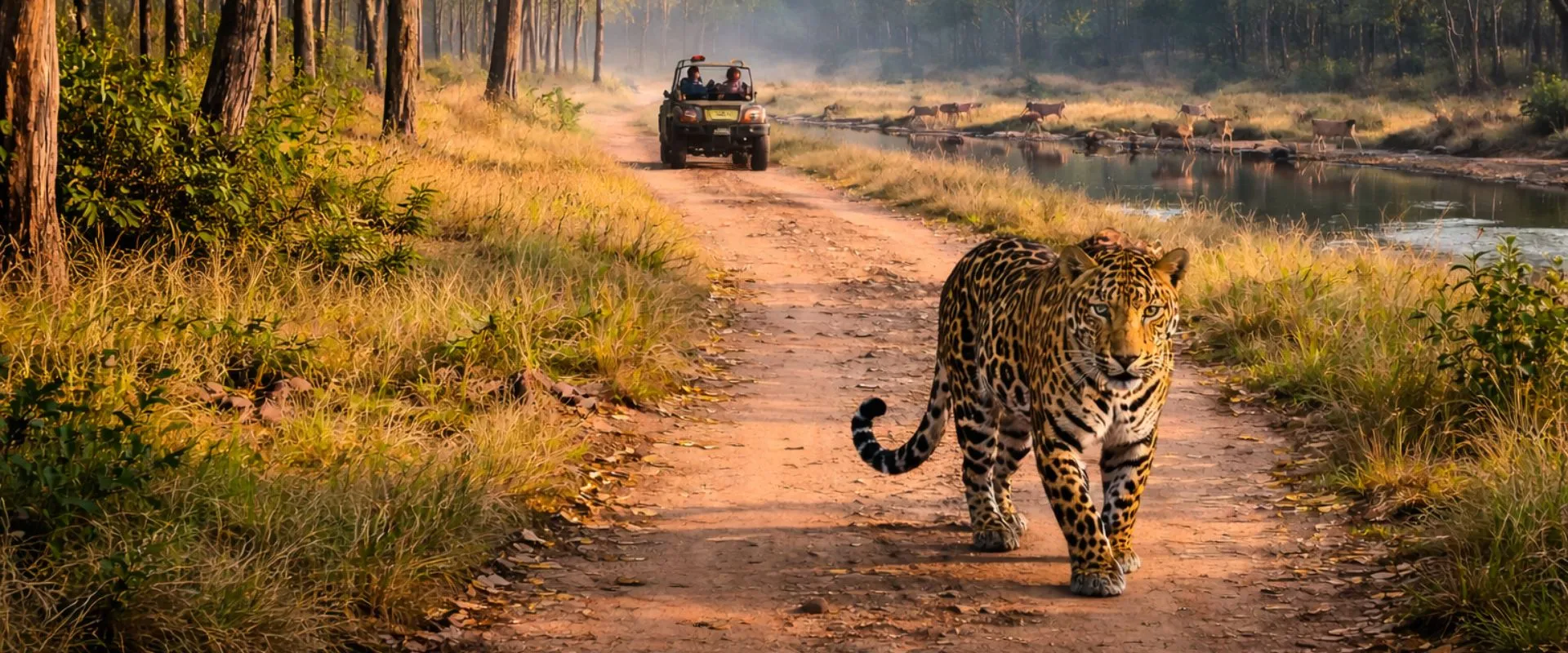
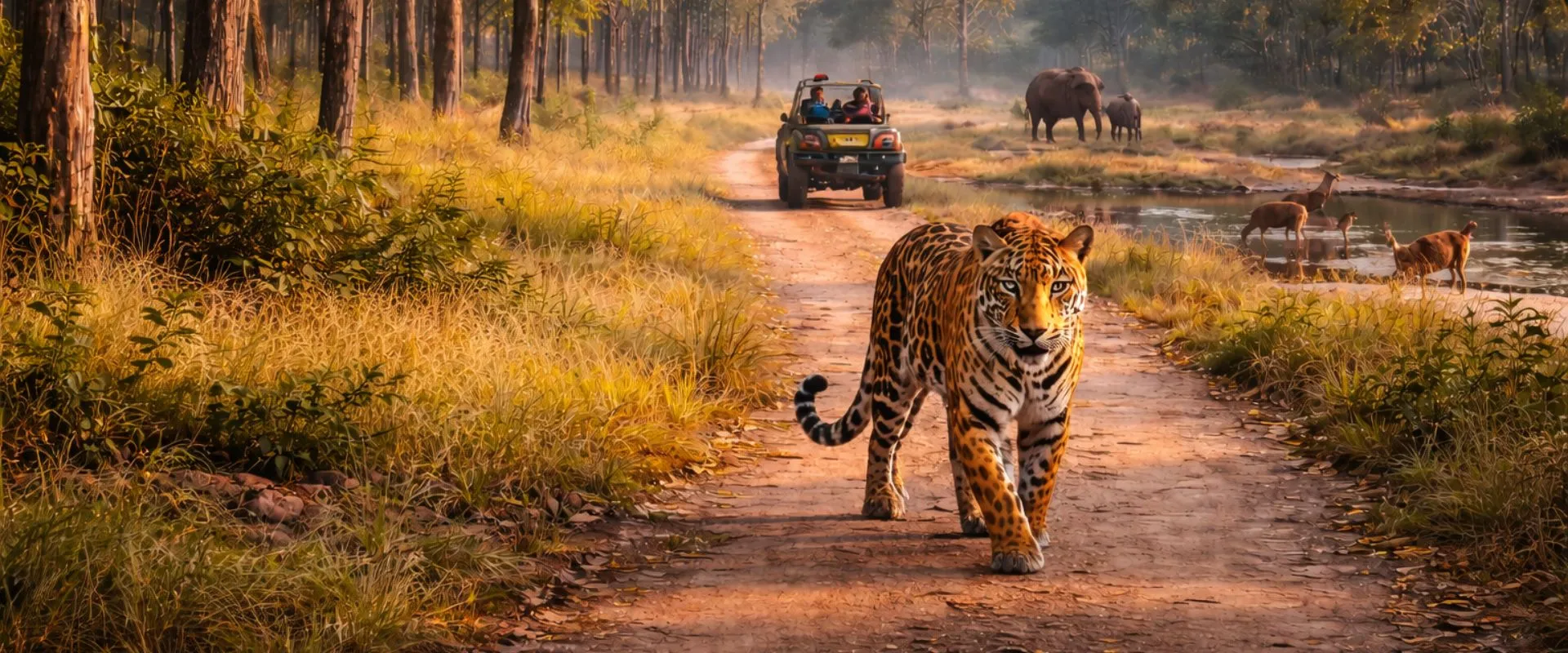
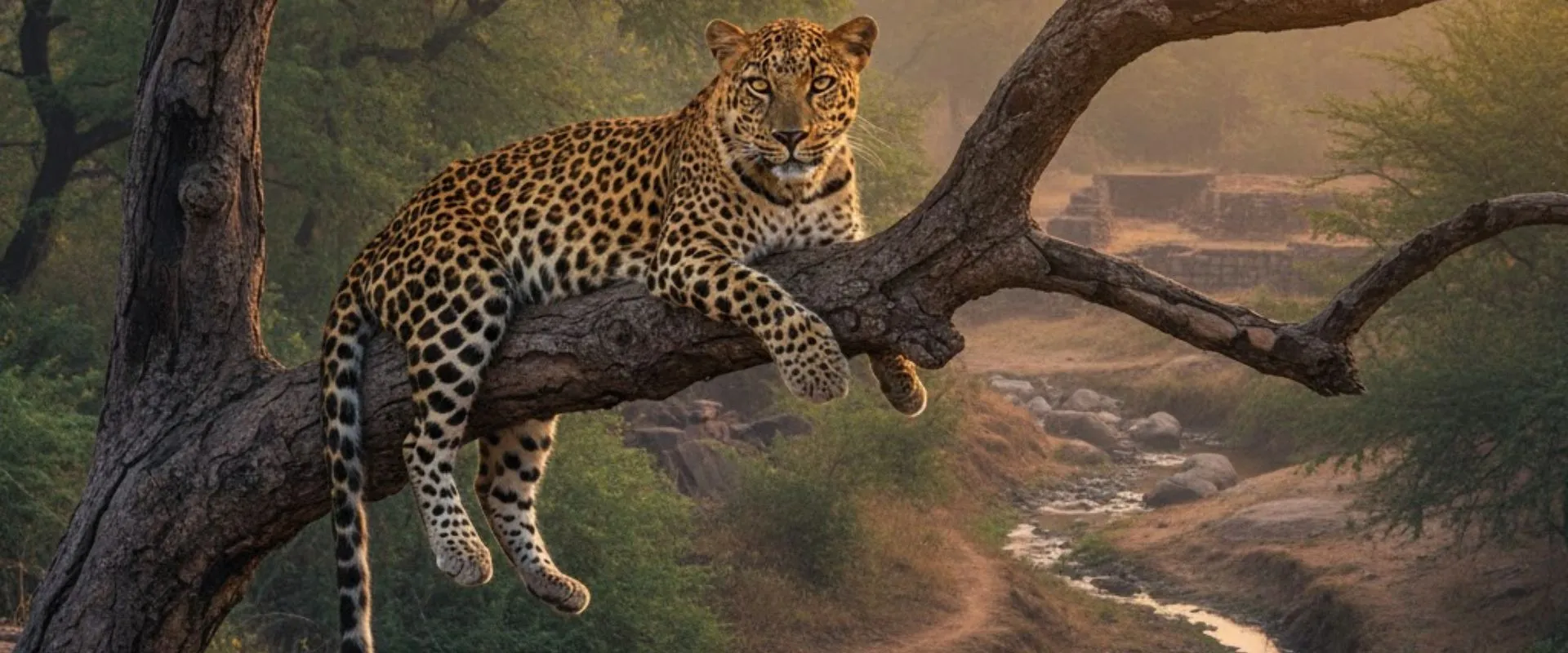
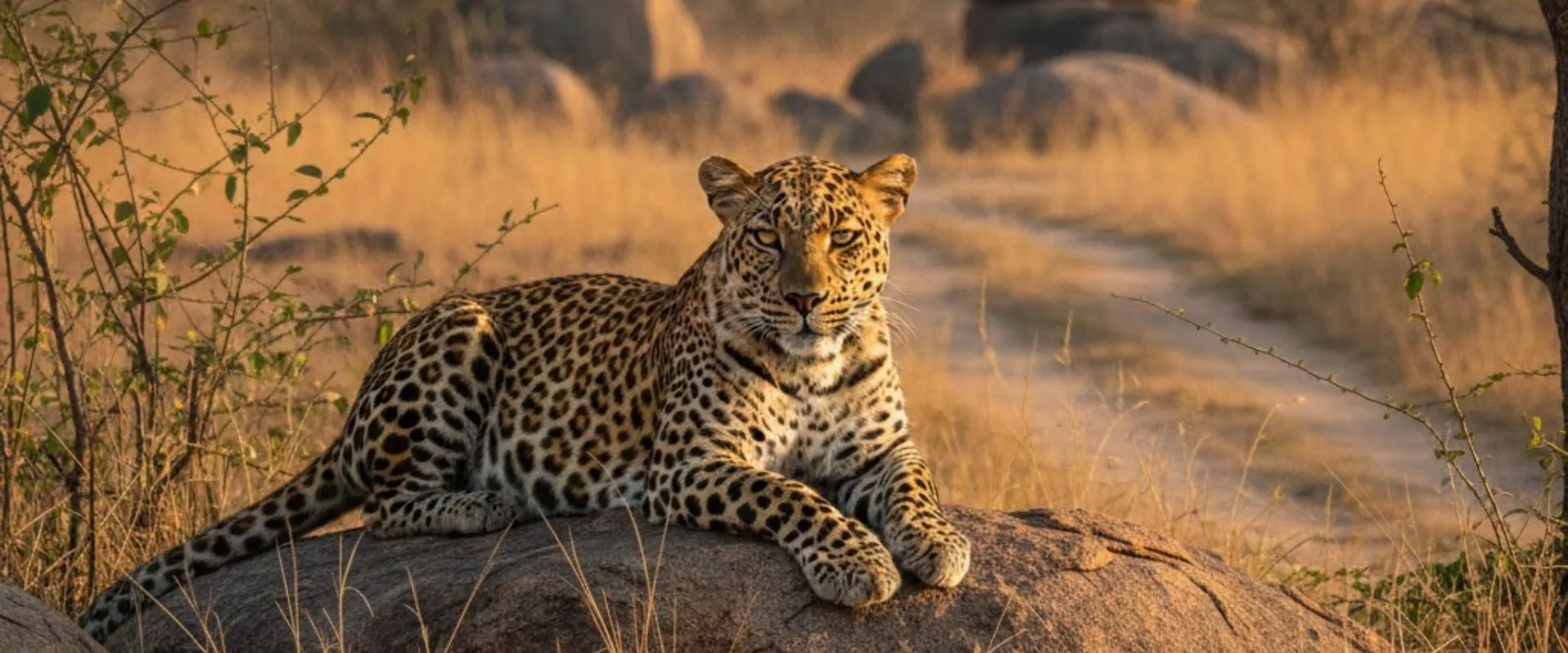
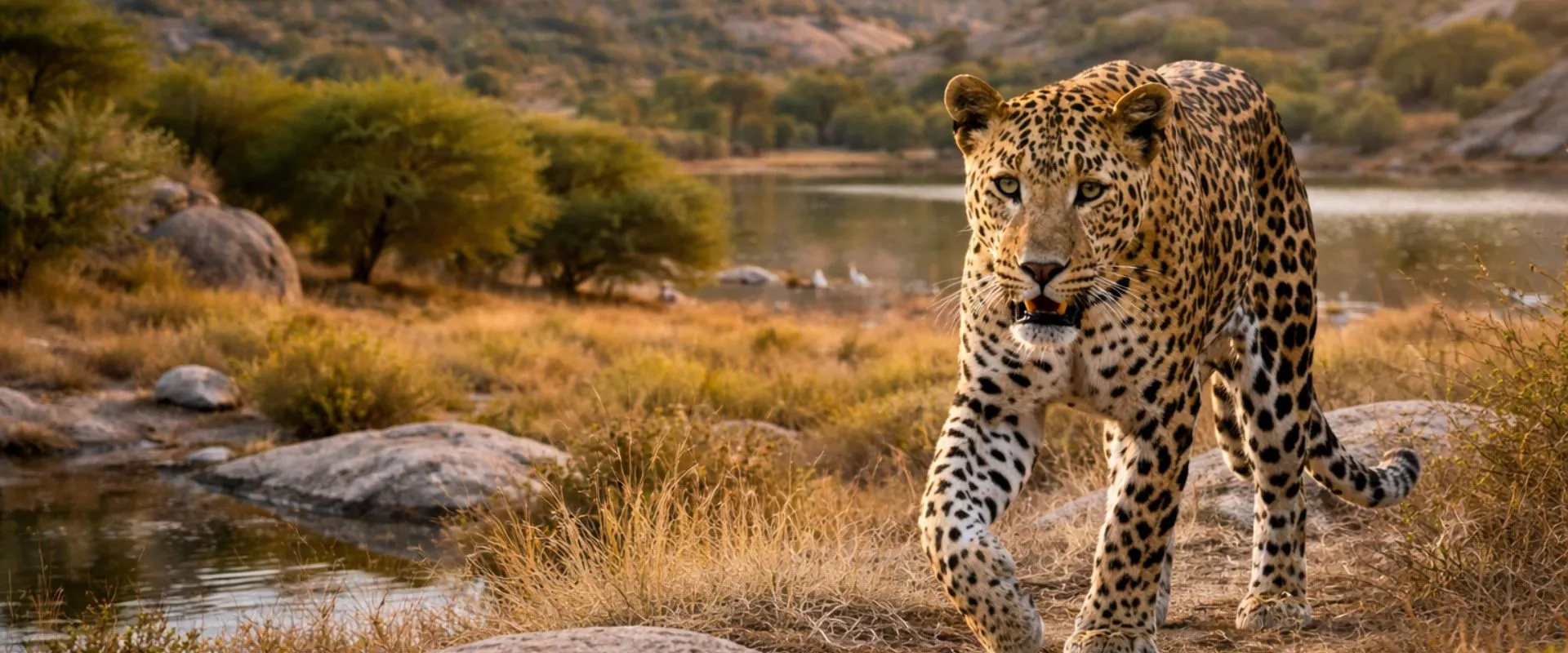
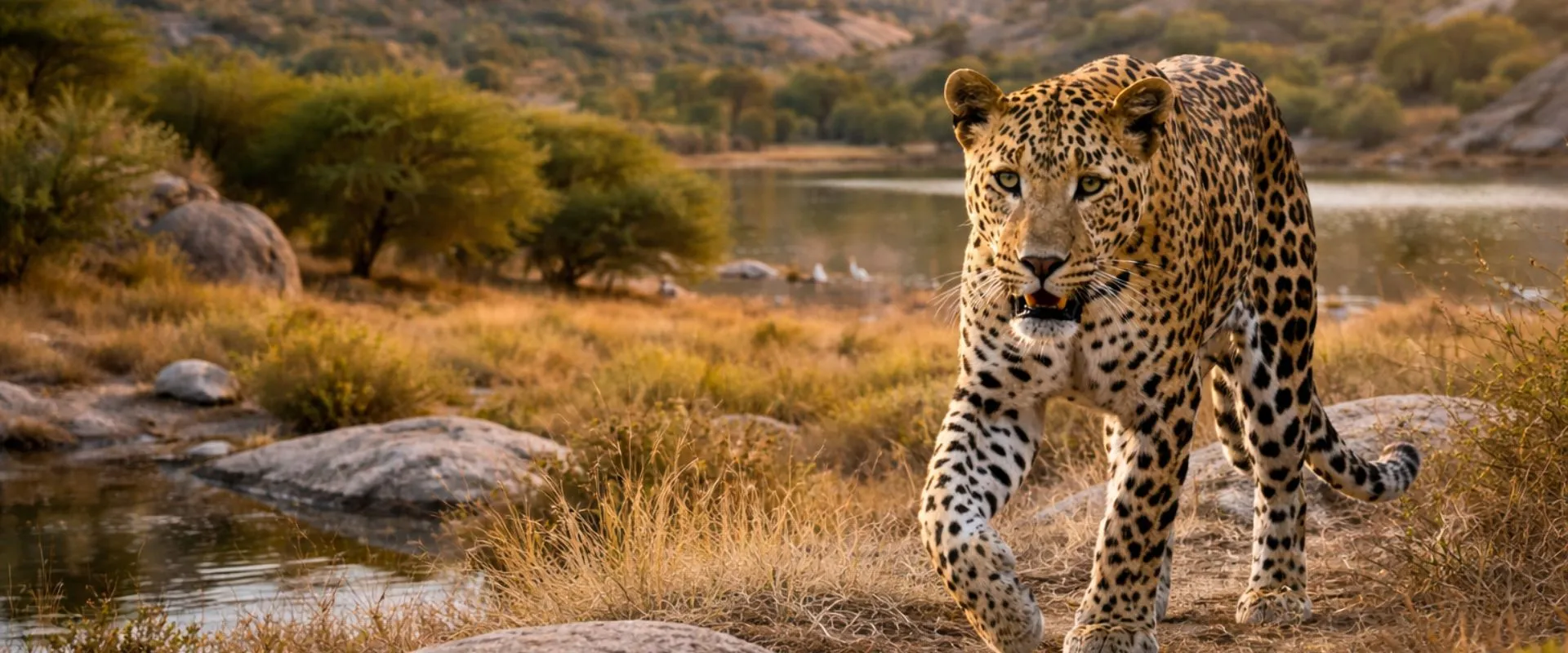
  • Leopards: Rocky outcrops and hilly terrain create ideal leopard habitat. These elusive cats are spotted on elevated rocks surveying territories or resting in shaded areas during hot midday hours.
  • Four-horned Antelopes (Chousingha): Gundre offers excellent chances to spot this rare antelope species, which prefers the zone’s mixed woodland and hill country habitat.
  • Gaur (Indian Bison): Mixed herds and bachelor groups frequent valley grasslands and bamboo areas. The zone’s varied topography allows gaur to move between feeding and resting areas following daily patterns.
  • Muntjac (Barking Deer): Commonly encountered in forest edges and along stream banks where thick vegetation provides cover.
  • Indian Rock Pythons: Occasionally spotted basking near rocky areas or crossing forest roads, particularly during warmer months.
  • Spotted Deer and Sambar: Large populations provide prey base supporting predators; their alarm calls often indicate predator presence.
  • Wild Boars: Abundant throughout the zone, often seen rooting along stream banks and in soft soil areas.
  • Sloth Bears: Regular sightings of bears foraging for termites and fruits, especially in areas with numerous termite mounds.
  • Birdlife (150+ Species): Grey junglefowl, painted spurfowl, crested hawk-eagles, Malabar grey hornbills, white-cheeked barbets, various woodpeckers, warblers, flycatchers, and seasonal migratory species. The zone’s water sources attract numerous waterfowl and waders during appropriate seasons.

Best Features:

  • Elephant Haven: Prime location for observing elephant herds in natural settings—feeding, bathing, social interactions, and movement patterns.
  • Scenic Beauty: Rolling hills, stream valleys, and panoramic viewpoints provide stunning landscape photography opportunities alongside wildlife viewing.
  • Diverse Habitats: Multiple ecosystem types within one zone allow observation of different wildlife communities and ecological adaptations.
  • Four-horned Antelope Territory: Best zone in Bandipur for spotting this rare and elusive antelope species endemic to the Indian subcontinent.
  • Stream Ecology: Seasonal nallahs provide opportunities to observe aquatic and semi-aquatic wildlife, stream-dependent birds, and animals visiting for water.
  • Topographic Variety: Hills and valleys create interesting safari dynamics—spotting wildlife from elevated positions and intimate encounters in valley bottoms.

Safari Experience:

Gundre Zone safaris offer distinctive experiences combining wildlife viewing with landscape appreciation. The zone’s topographic variety means safaris constantly change perspectives—climbing hills reveals panoramic vistas where distant wildlife movements can be spotted, while descending into valleys provides intimate encounters with animals in forested corridors. This dynamic quality keeps safaris visually interesting even during periods between major sightings.

Elephant watching in Gundre is exceptional. The zone’s layout—with valley grasslands for feeding and wooded hills for shade and movement—aligns perfectly with elephant ecological requirements. Herds follow predictable patterns, moving between feeding and resting areas along established pathways. Observing these movements provides insights into elephant intelligence, navigation, and social organization. Matriarchs lead herds confidently, calves stay close to mothers, and protective behaviors become evident when potential threats approach.

The zone’s seasonal streams are fascinating ecological features. During monsoons and immediate post-monsoon periods, these nallahs flow with clear water, attracting diverse wildlife. Birds bathe and drink, sambars wade through cooling themselves, and occasionally predators visit. As summer progresses and streams dry, the remaining pools become critical resources where wildlife concentrates. These diminishing water sources create natural wildlife viewing theaters where patient observers witness multiple species interactions.

Rocky outcrops scattered throughout Gundre provide excellent leopard habitat and observation points. Leopards utilize elevated rocks for territorial surveillance, resting spots offering breeze during hot weather, and launching points for ambushing prey. Scanning rocky areas with binoculars often reveals leopards that would otherwise remain undetected. Their spotted coats provide exceptional camouflage against rocky backgrounds, demonstrating evolutionary adaptations beautifully.

Four-horned antelope sightings in Gundre are special because these animals are rare, shy, and challenging to observe. Males are distinguished by four horns (unique among ungulates) while females are hornless. They prefer mixed woodland edges and are typically solitary or in small groups. Spotting chousingha requires sharp eyes and patient observation, making encounters particularly rewarding for wildlife enthusiasts who appreciate rare species as much as charismatic megafauna.

The zone’s varied elevations create interesting temperature and moisture gradients affecting vegetation and consequently wildlife distribution. Valley bottoms with moisture retention support different plant communities than drier hilltops. This habitat diversity means wildlife varies spatially—some species prefer valleys while others favor hillsides. Understanding these patterns, which experienced naturalists explain during safaris, deepens appreciation for ecosystem complexity.

Morning safaris in Gundre often feature spectacular sunrises over rolling hills, with mist rising from valleys creating ethereal atmospheres. Wildlife is active during cool morning hours—elephants feeding, deer grazing, birds singing territorial songs, and predators completing nighttime hunts before retreating to shade. The changing light creates beautiful photographic conditions as golden hour illuminates landscapes and wildlife.

Evening safaris provide different qualities as lowering sun creates long shadows across hills and valleys. Wildlife activity increases as temperatures cool. Elephants emerge from forest shade to feed in grasslands, peacocks call before roosting, and the transition toward nighttime begins. The zone’s elevated viewpoints allow observers to watch sunset colors transform landscapes while wildlife moves through gathering twilight.

Best Time to Visit:

  • November to March: Ideal weather with comfortable temperatures (14-28°C); perfect for extended safaris exploring the zone’s varied terrain. Migratory birds supplement resident species. Pleasant hiking conditions if nature walks are offered in buffer zones.
  • April to June: Peak wildlife viewing season. Summer temperatures (32-42°C) drive animals to limited water sources in valleys, increasing sighting concentrations. Elephants and other wildlife visit remaining stream pools throughout the day. Early morning safaris are essential. This period offers best chances for observing wildlife at close quarters near water.
  • October: Post-monsoon period with lush vegetation, full streams, and active wildlife. The zone looks spectacularly green and vibrant, though animals are more dispersed. Excellent for landscape photography and appreciating ecosystem rejuvenation after monsoons.

Visitor Tips:

  • Elevation Awareness: The zone’s hills mean temperature variations. Mornings can be cool at higher elevations while valleys warm quickly. Carry light layers for comfort.
  • Binoculars Critical: Varied topography means wildlife may be spotted at considerable distances requiring quality binoculars (10×42 recommended for long-distance viewing).
  • Photography Equipment: Versatile gear recommended—telephoto lenses (300-500mm) for distant wildlife on opposite hillsides, mid-range for closer encounters, and wide-angle for landscape compositions with wildlife elements.
  • Stabilization Important: Hills mean angles and uneven vehicle positioning. Image stabilization and sturdy tripods or beanbags help maintain sharp photographs.
  • Patience for Chousingha: Four-horned antelopes require patient observation and careful scanning of woodland edges. Alert your guide if spotting these rare animals interests you specifically.
  • Water Source Strategy: Ask your guide to visit stream areas and remaining pools during summer months—these locations concentrate wildlife.
  • Sunrise/Sunset Timing: The zone’s topography creates spectacular sunrise and sunset opportunities. Book earliest morning and latest evening safari slots for best light.
  • Elephant Protocol: Follow all safety guidelines when encountering elephant herds. Maintain safe distances, avoid sudden movements, and never position vehicles blocking their movement paths.
  • Stream Crossings: During monsoons, some routes may involve shallow stream crossings. Inform guides about any concerns beforehand.
  • Multiple Elevations: Request routes covering both hilltops and valleys to experience the zone’s full habitat diversity.

Route Highlights:

Key locations within Gundre Zone include:

  • Valley Grasslands: Extensive open areas in valley bottoms; prime elephant feeding grounds
  • Hilltop Viewpoints: Elevated positions providing 360-degree forest views; excellent for spotting distant wildlife and landscape photography
  • Rocky Outcrop Section: Boulder-strewn areas favored by leopards and four-horned antelopes
  • Seasonal Nallah Network: Multiple stream courses creating linear habitats attracting diverse wildlife
  • Bamboo Hill Slopes: Bamboo-covered hillsides where gaur and elephants feed
  • Mixed Forest Corridor: Transitional zones between habitat types hosting maximum biodiversity

Photography Opportunities:

Gundre Zone excels for:

  • Elephant herd compositions with landscape backgrounds—hills, valleys, dramatic skies
  • Sunrise/sunset wildlife silhouettes from elevated vantage points
  • Four-horned antelope documentation—rare species in natural habitat
  • Leopards on rocky outcrops with textured backgrounds
  • Stream ecology—wildlife at water sources, reflections, aquatic birds
  • Landscape wildlife photography—animals as elements within grand scenery
  • Vertical compositions utilizing topographic features

Conservation Significance:

Gundre Zone’s habitat diversity supports varied wildlife communities, contributing significantly to Bandipur’s overall biodiversity. The zone’s elephant corridors are critical for maintaining genetic connectivity between populations. Protection of seasonal stream systems ensures water availability during dry seasons, supporting wildlife survival during challenging periods. The zone also serves as important buffer habitat where wildlife interfaces with peripheral areas, highlighting the importance of protecting transitional zones alongside core areas. Safari tourism provides economic justification for maintaining these corridors against development pressures.

Educational Value:

Gundre provides excellent opportunities for understanding:

  • Topographic influences on wildlife distribution and behavior
  • Seasonal water availability impacts on ecosystem dynamics
  • Elephant ecology, social structures, and movement patterns
  • Rare species conservation—four-horned antelopes, leopards
  • Habitat gradients and species adaptations to different microclimates
  • Stream ecology and riparian wildlife communities

Who Should Visit Gundre Zone:

  • Elephant enthusiasts seeking comprehensive herd behavior observations
  • Landscape photographers wanting scenic backdrops with wildlife elements
  • Birdwatchers interested in diverse habitats and stream-dependent species
  • Rare species enthusiasts hoping to spot four-horned antelopes
  • Nature lovers appreciating topographic variety and ecosystem diversity
  • Families wanting scenic safaris with good wildlife viewing potential
  • Visitors interested in understanding habitat-wildlife relationships

Why Choose Gundre Zone:

Gundre Zone offers Bandipur experiences that transcend simple wildlife checklists. The zone teaches that wilderness comprises landscapes, ecological processes, and interconnected communities—not just individual iconic animals. Watching elephants navigate hills they’ve traveled for generations, spotting rare antelopes in preferred microhabitats, or observing how stream availability dictates wildlife movements provides deep ecological understanding. The zone’s beauty—rolling hills, verdant valleys, seasonal streams—reminds visitors that conservation protects not just animals but entire living landscapes. For those seeking comprehensive nature experiences combining wildlife, scenery, ecology, and education, Gundre delivers abundantly, proving that great safaris engage minds and hearts, not just eyes.

Book your Jungle Experiences along with Safaris & Local Activities

Related Safari Zones

Amagarh Zone

Amagarh Zone

Amagarh Zone The Amagarh Zone is a buffer area known for its hilly terrain and dense vegetation, offering challenging but rewarding safari experience...

Jhalana Zone 2

Jhalana Zone 2

Jhalana Zone 2 Jhalana Zone 2 offers alternative safari routes within the Jhalana reserve, featuring similar terrain with different vantage points. ...

Jhalana Zone 1

Jhalana Zone 1

Jhalana Zone 1 Jhalana Zone 1 is part of Jhalana Leopard Conservation Reserve near Jaipur, known as an urban wildlife sanctuary with high leopard den...

Jawai Zone

Jawai Zone

Jawai Zone The Jawai Zone is famous for its unique landscape of granite hills and leopard conservation, though it's actually a separate wildlife area...

Jeewada Zone

Jeewada Zone

Jeewada Zone The Jeewada Zone is a remote buffer area offering untouched wilderness and excellent opportunities for spotting elusive wildlife. Wha...

Kothar Zone

Kothar Zone

Kothar Zone The Kothar Zone is a pristine wilderness area within the park, known for its rugged terrain and dense sal forests. What Makes Kothar S...

Sena Zone

Sena Zone

Sena Zone The Sena Zone is a peripheral buffer area characterized by mixed forests and agricultural borders, providing a unique blend of wildlife hab...

Bera Zone

Bera Zone

Bera Zone The Bera Zone is a wildlife corridor and transition area of the national park, offering diverse landscapes from open grasslands to dense fo...

Harsa/Khajurikudar Zone

Harsa/Khajurikudar Zone

These buffer zones expand safari opportunities beyond the core areas and include small grasslands, seasonal water bodies, and forest patches. What ...

Jhinna Zone

Jhinna Zone

The Jhinna Zone is a buffer and fringe area of Panna National Park, known for quiet safari trails and nocturnal wildlife opportunities. What Makes ...

Akola Zone

Akola Zone

The Akola Zone is part of the park’s buffer area, providing a peaceful safari with mixed habitats including grasslands, dry forests, and small water...

Hinouta Zone

Hinouta Zone

The Hinouta Zone is a core area with undulating terrain, rocky outcrops, and dense forests, providing a quieter safari experience. What Makes Hinou...