
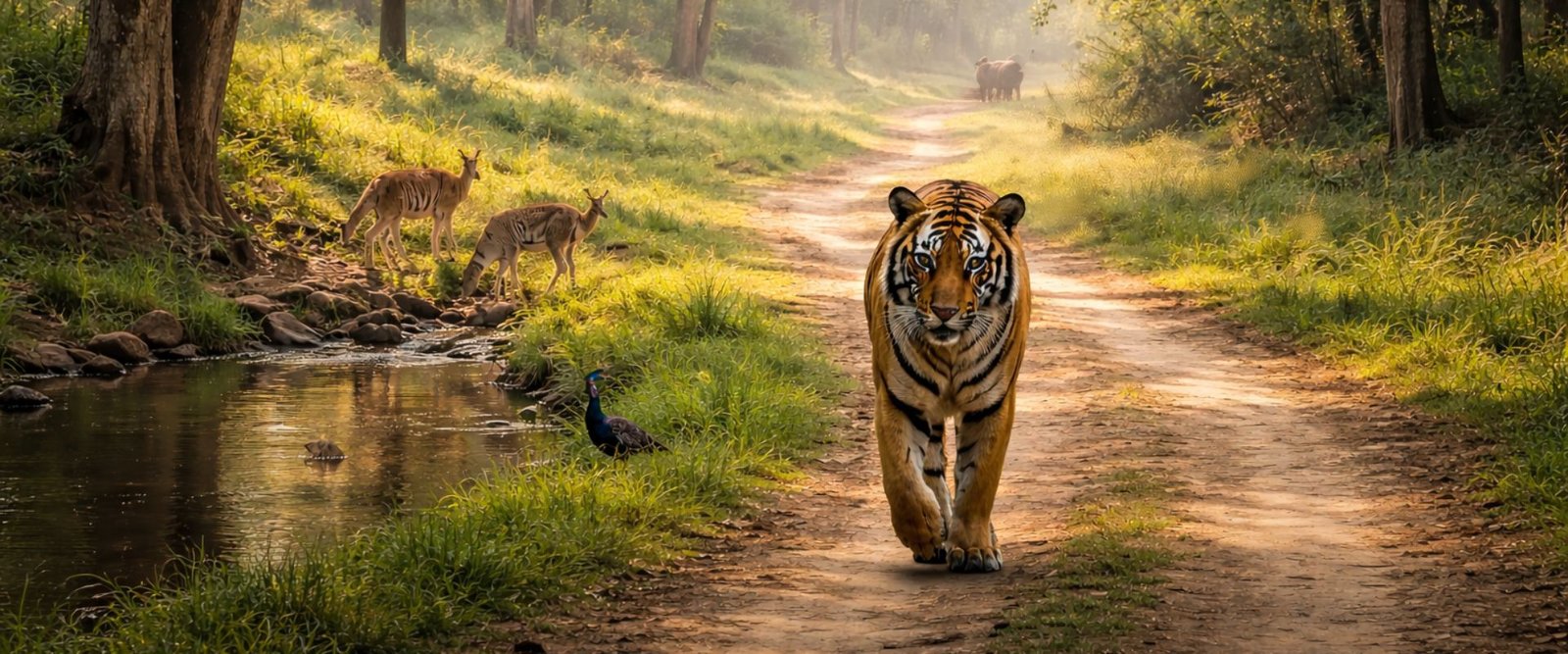
Madhai Zone is the most popular core safari zone of Satpura Tiger Reserve in Madhya Pradesh, located near the beautiful Denwa River. Known for its scenic riverine forests, grasslands, dense teak forests, and rich wildlife diversity, this zone offers one of the most rewarding jungle safari experiences in Central India.
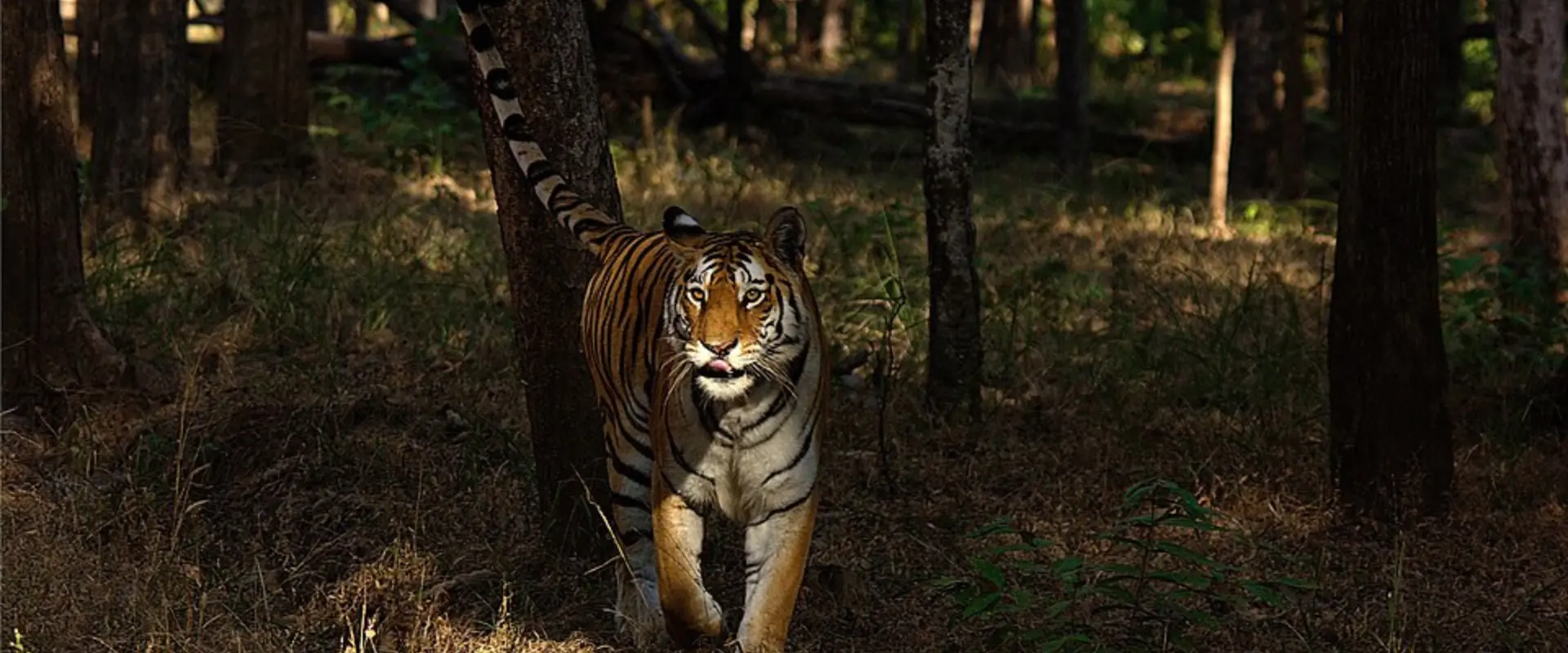
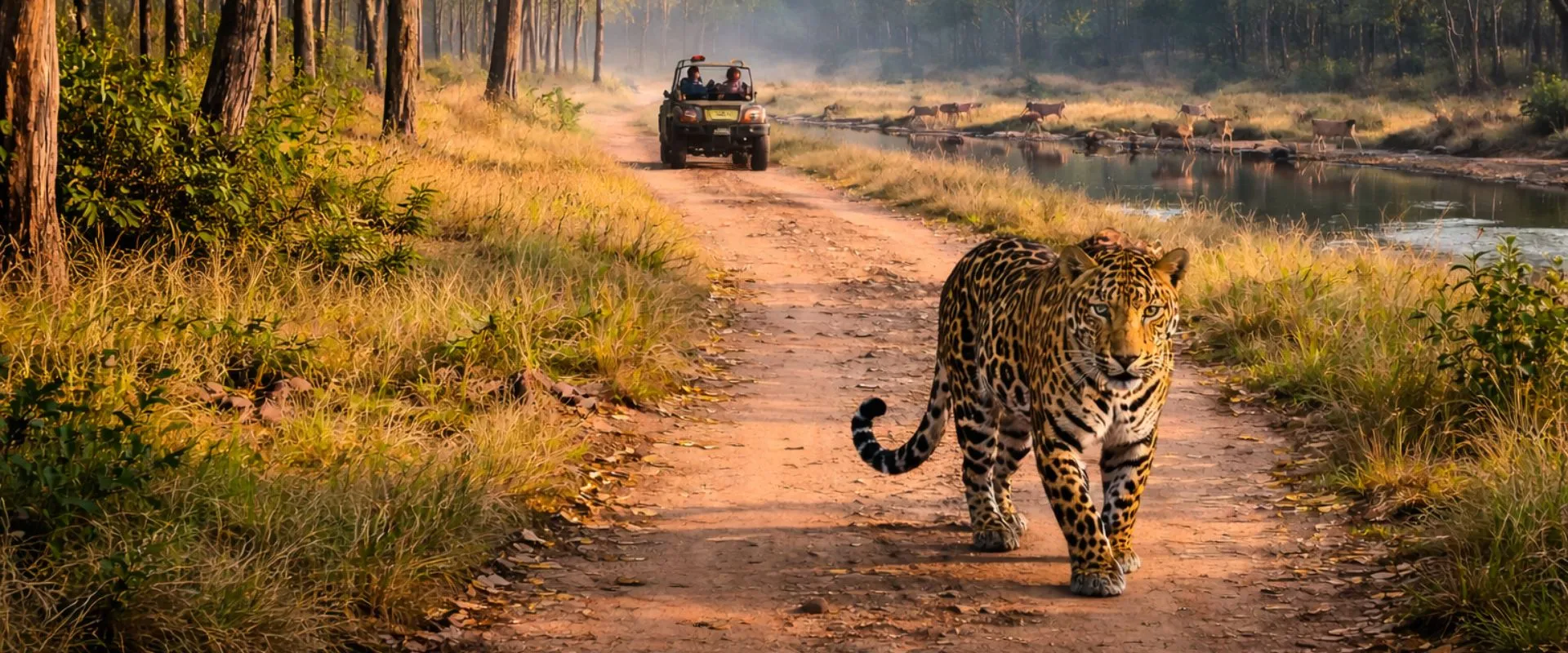
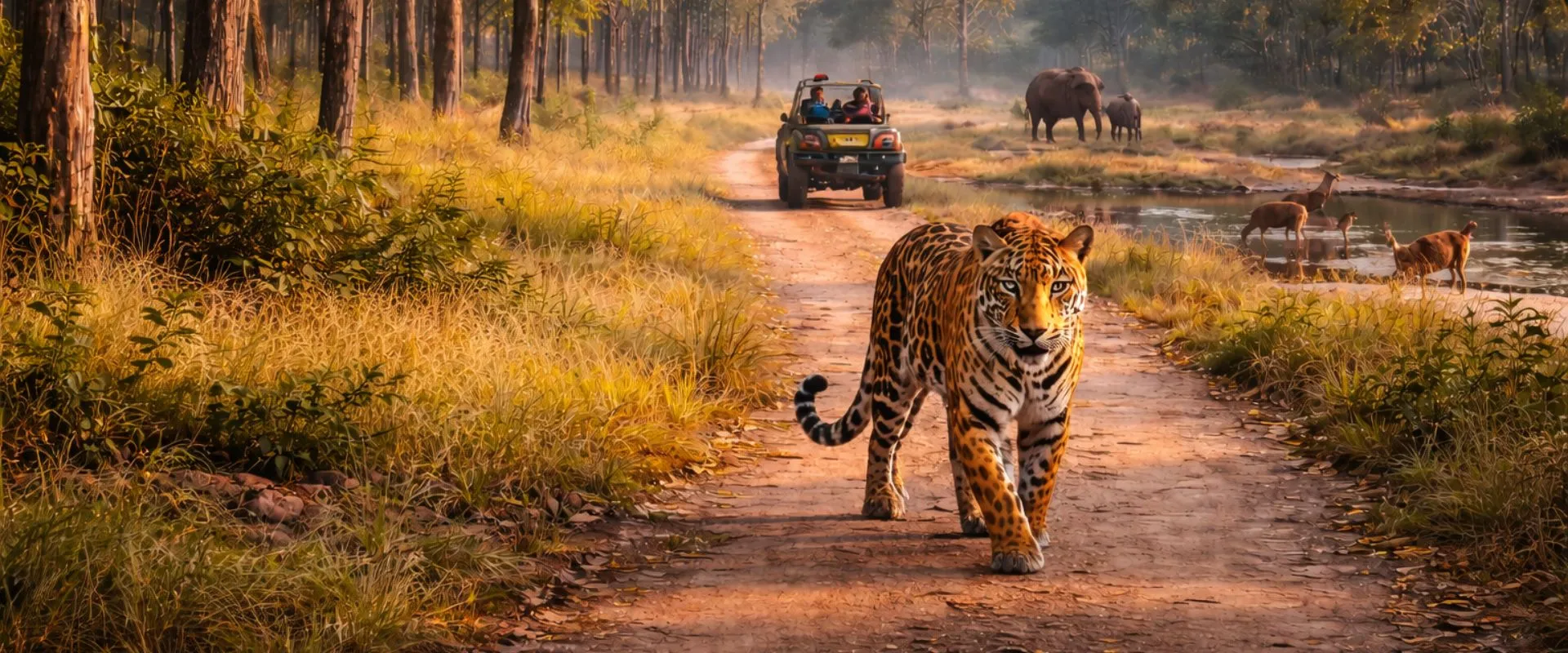
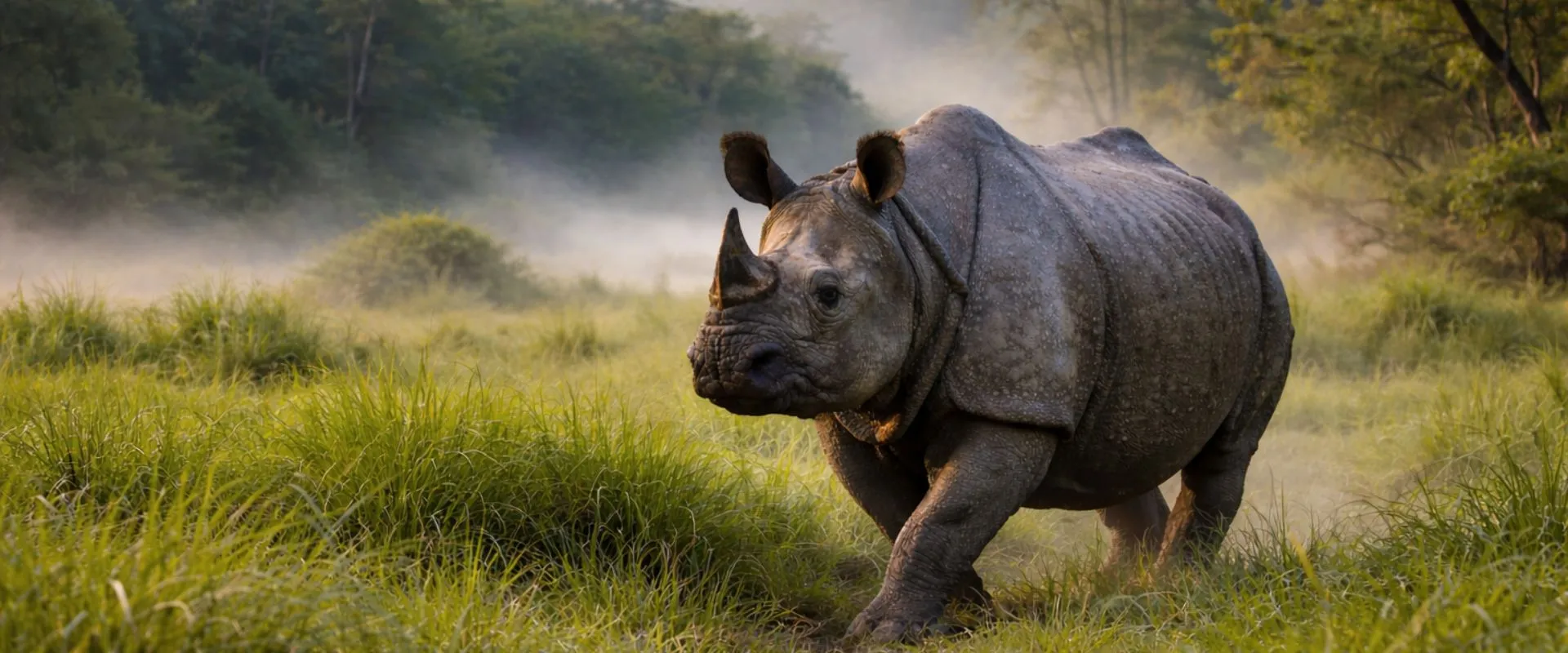
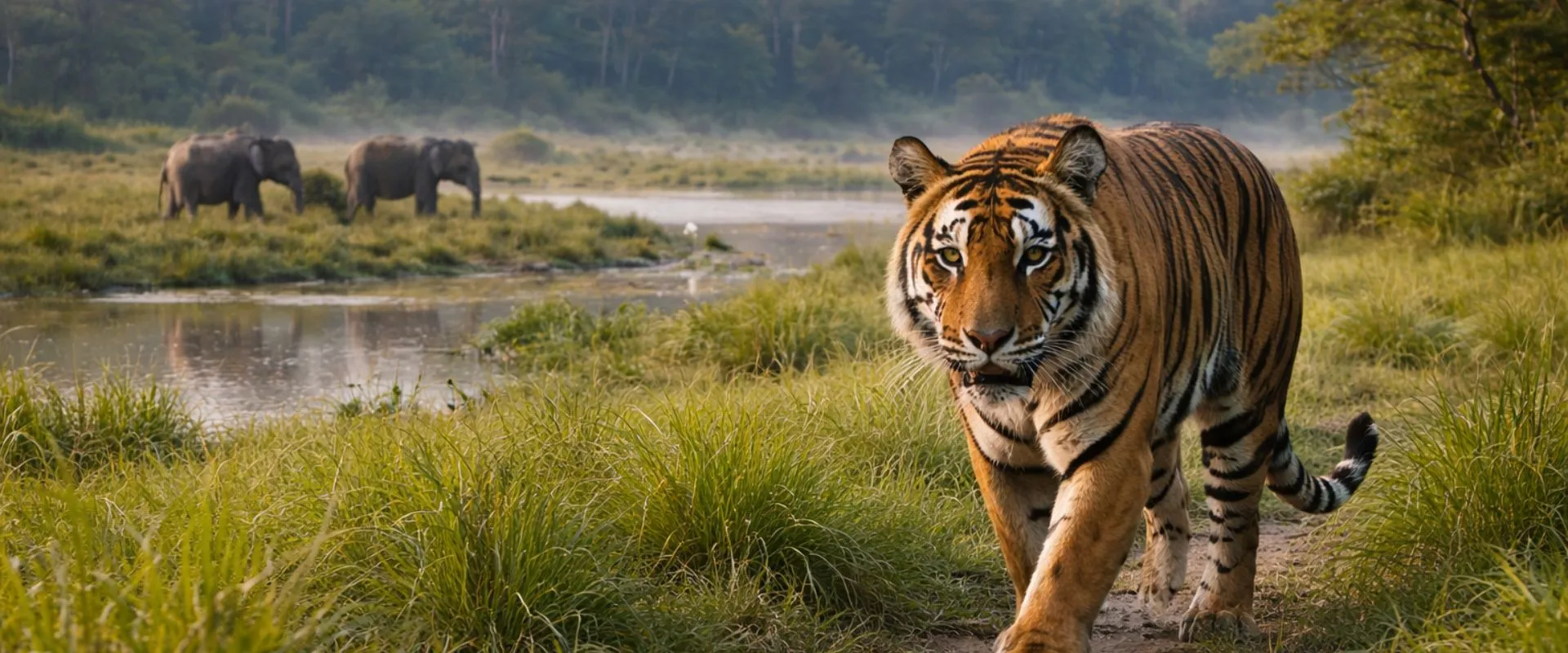
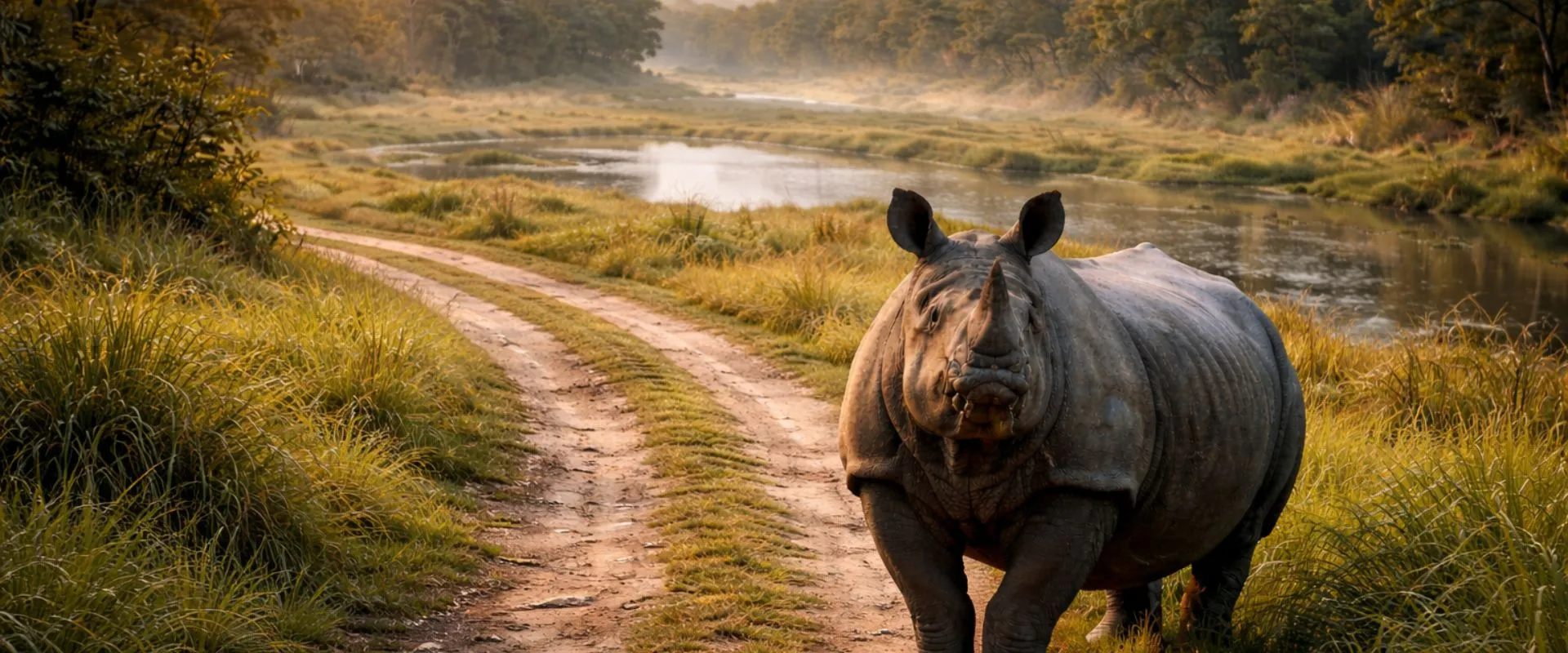
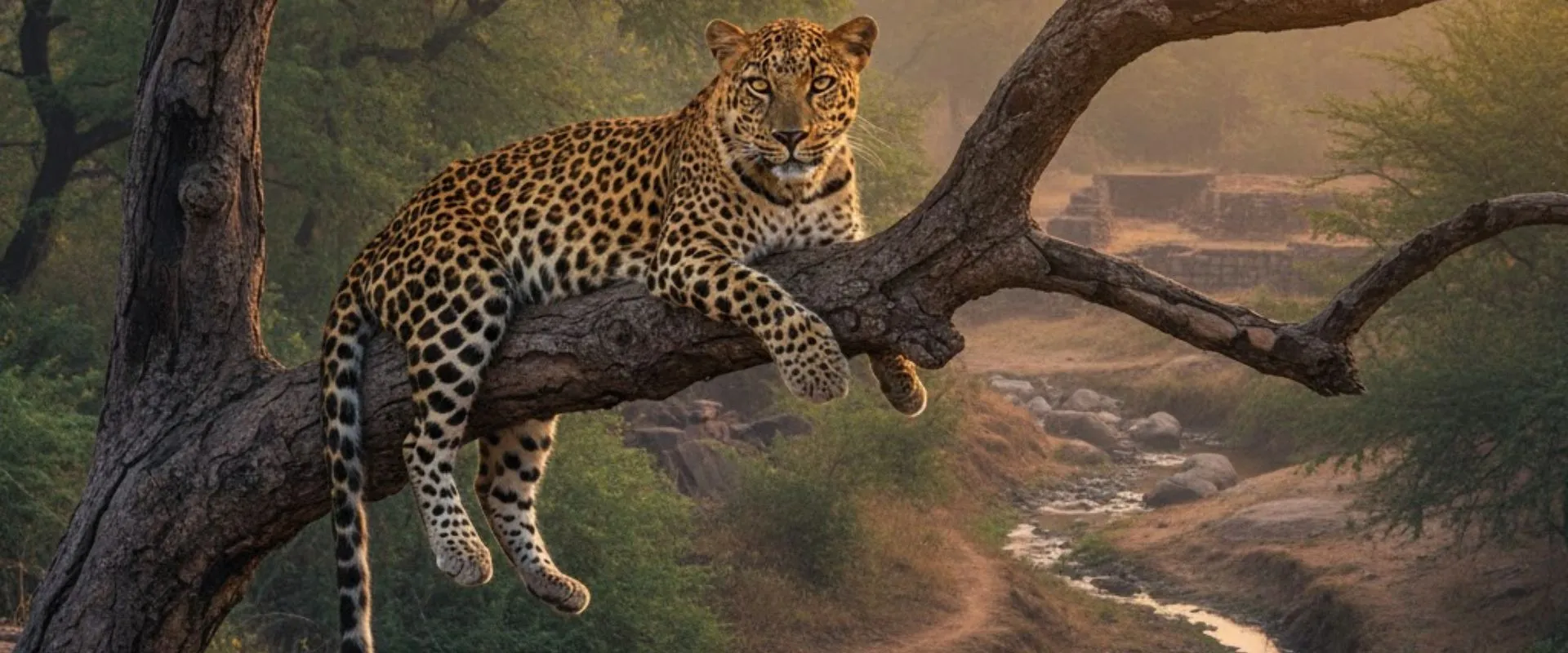
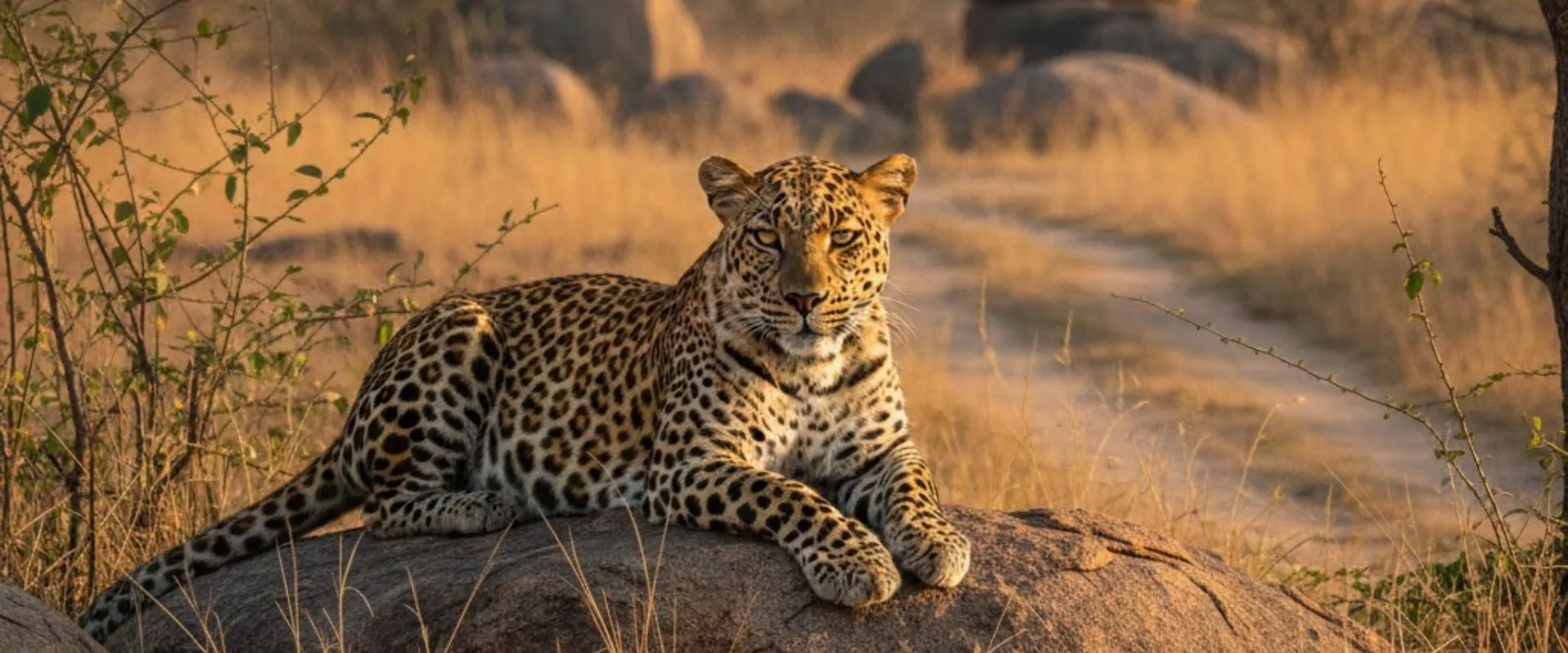
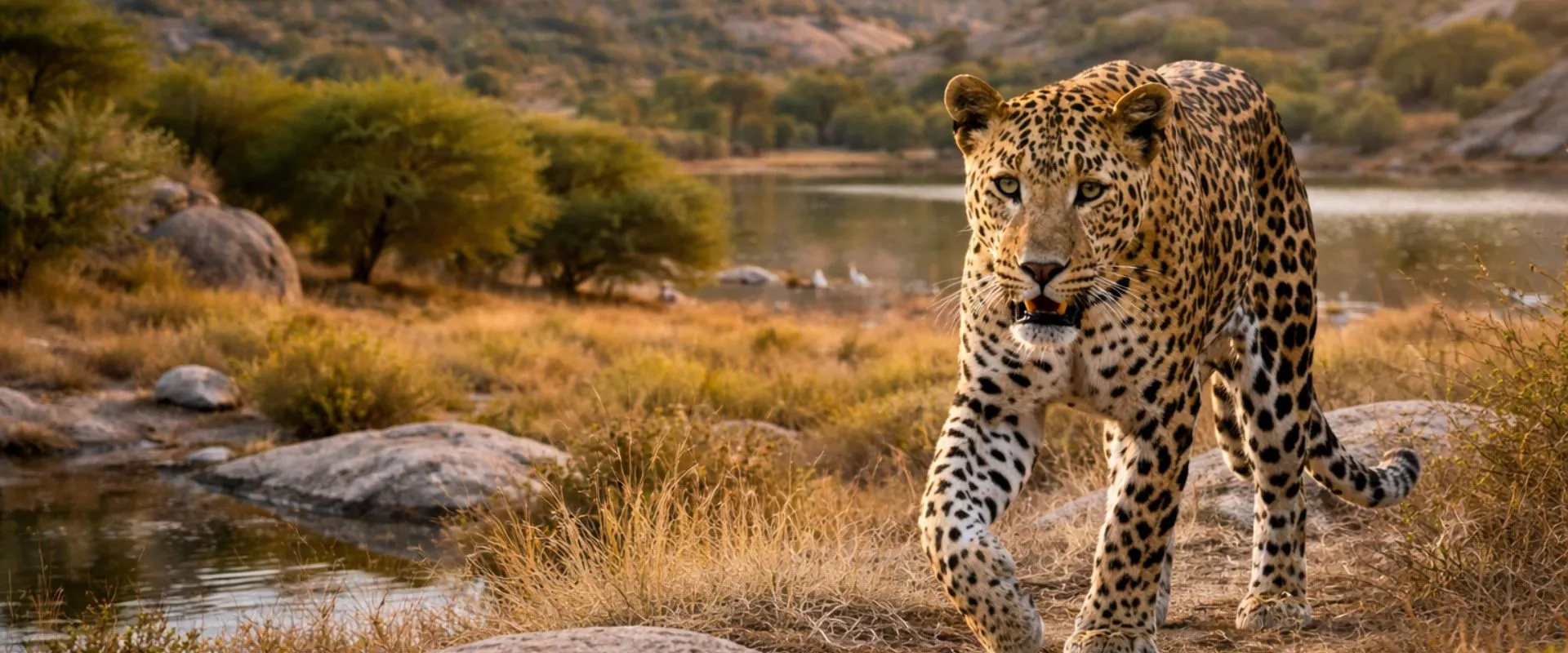
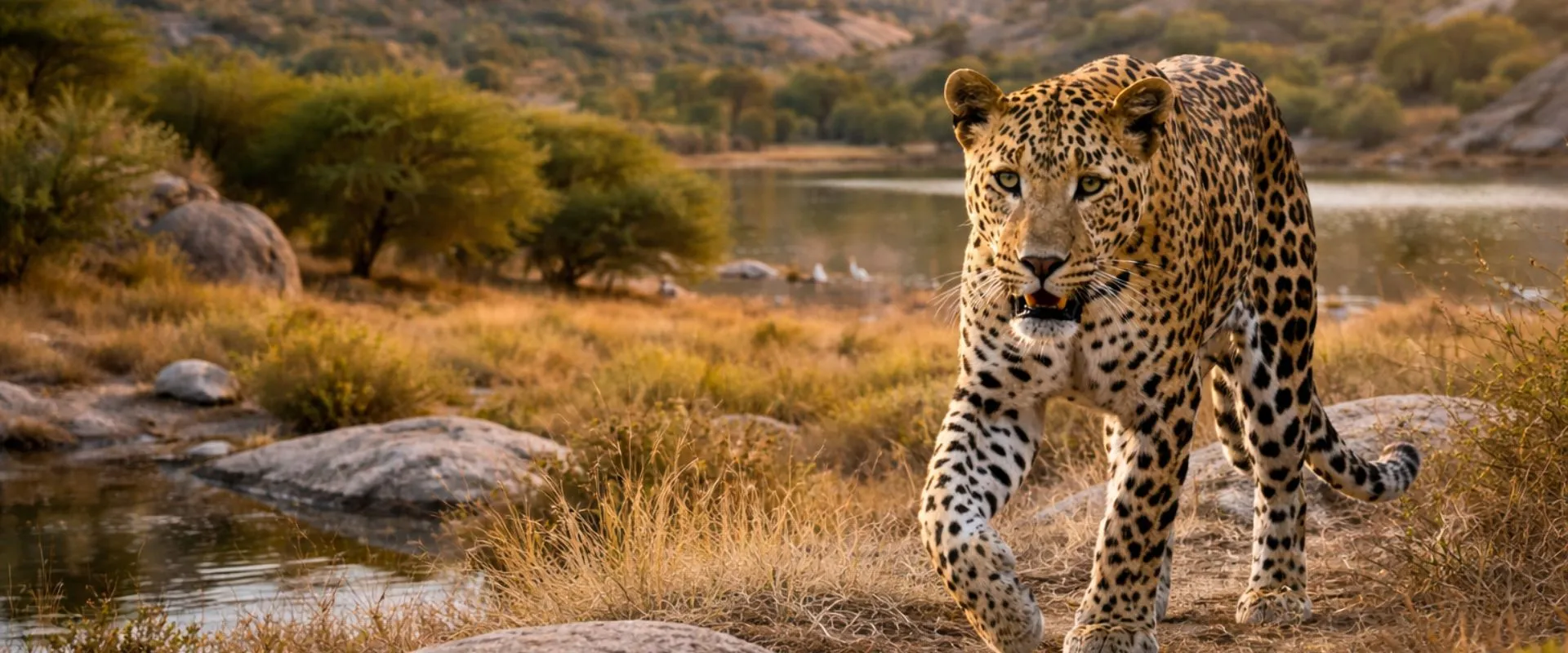
A jeep safari through Madhai Zone takes visitors deep into the wilderness of Satpura, where they can explore natural trails surrounded by forests, valleys, and river landscapes. The zone is famous for its excellent chances of wildlife sightings, including Bengal tigers, leopards, sloth bears, wild dogs (dhole), Indian gaur, chital, sambar deer, and many bird species.
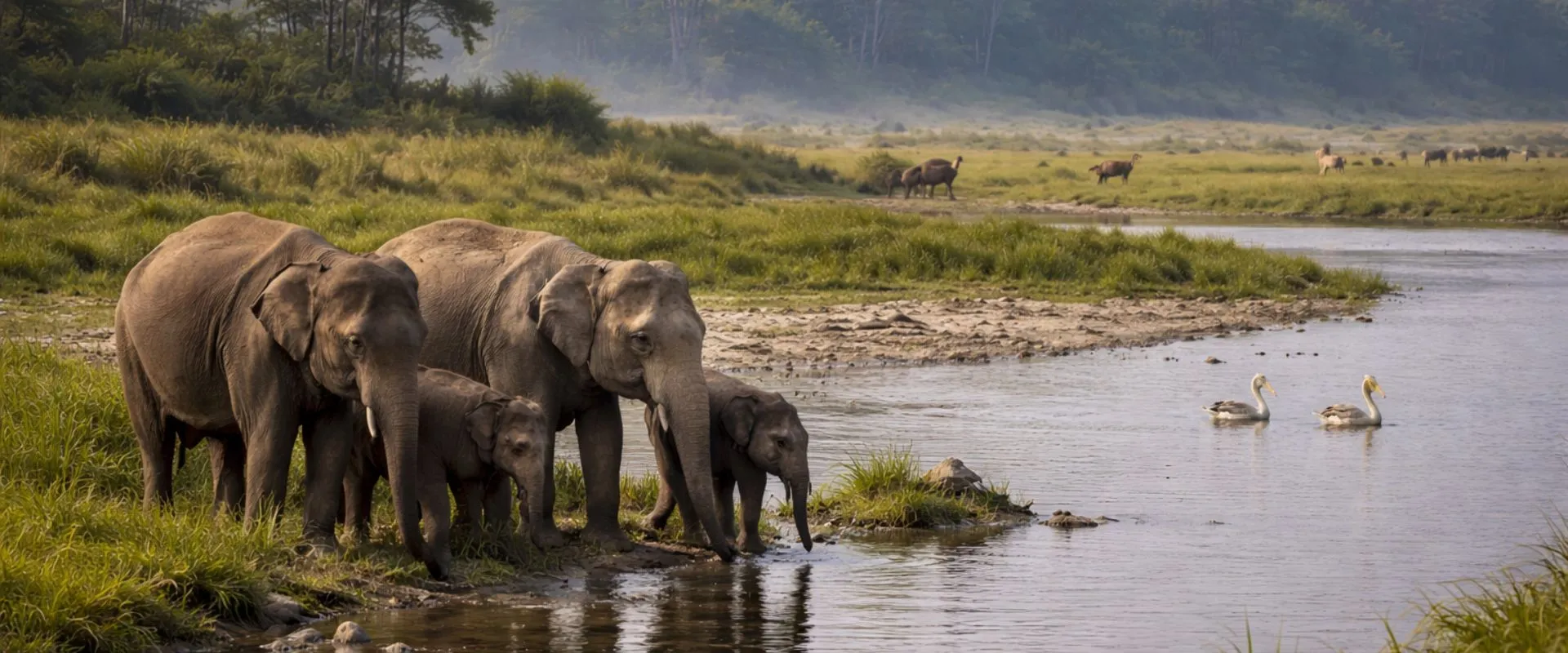
One of the unique attractions of Madhai Zone is its location near the Denwa River, which adds a beautiful water ecosystem to the safari experience. Visitors can also enjoy boat safari experiences near Madhai, offering opportunities for birdwatching and peaceful views of the surrounding forests.
The best time to visit Madhai Zone is from October to June when safari activities operate in Satpura Tiger Reserve. Winter months offer pleasant weather and excellent conditions for photography, while summer provides better opportunities for wildlife sightings as animals move closer to water sources.
Whether you are a wildlife photographer, nature enthusiast, or adventure traveller, Madhai Zone provides an unforgettable safari experience with breathtaking landscapes, diverse wildlife, and the peaceful charm of Satpura’s forests. It is a must-visit destination for anyone exploring Satpura Tiger Reserve.
Eagle Safaris is an independent wildlife travel and safari facilitation platform offering information, travel assistance, safari planning, accommodation coordination, and tourism-related services across various destinations in India.
We hereby clarify that Eagle Safaris does not claim ownership, partnership, affiliation, sponsorship, or official association with any resort, hotel, lodge, forest department, national park, tiger reserve, wildlife sanctuary, or government authority unless explicitly stated. Further, Amigo Performance Marketing OPC Pvt Ltd is duly authorized to market, promote, manage, and operate digital advertising, branding, and promotional campaigns for Eagle Safaris across digital and other media platforms.
If any trademark owner, property owner, or authorized representative has concerns regarding content, branding references, or listings appearing on this website, they may contact us directly for immediate review and resolution.