Machmahua Zone – Sanjay Dubri Tiger Reserve

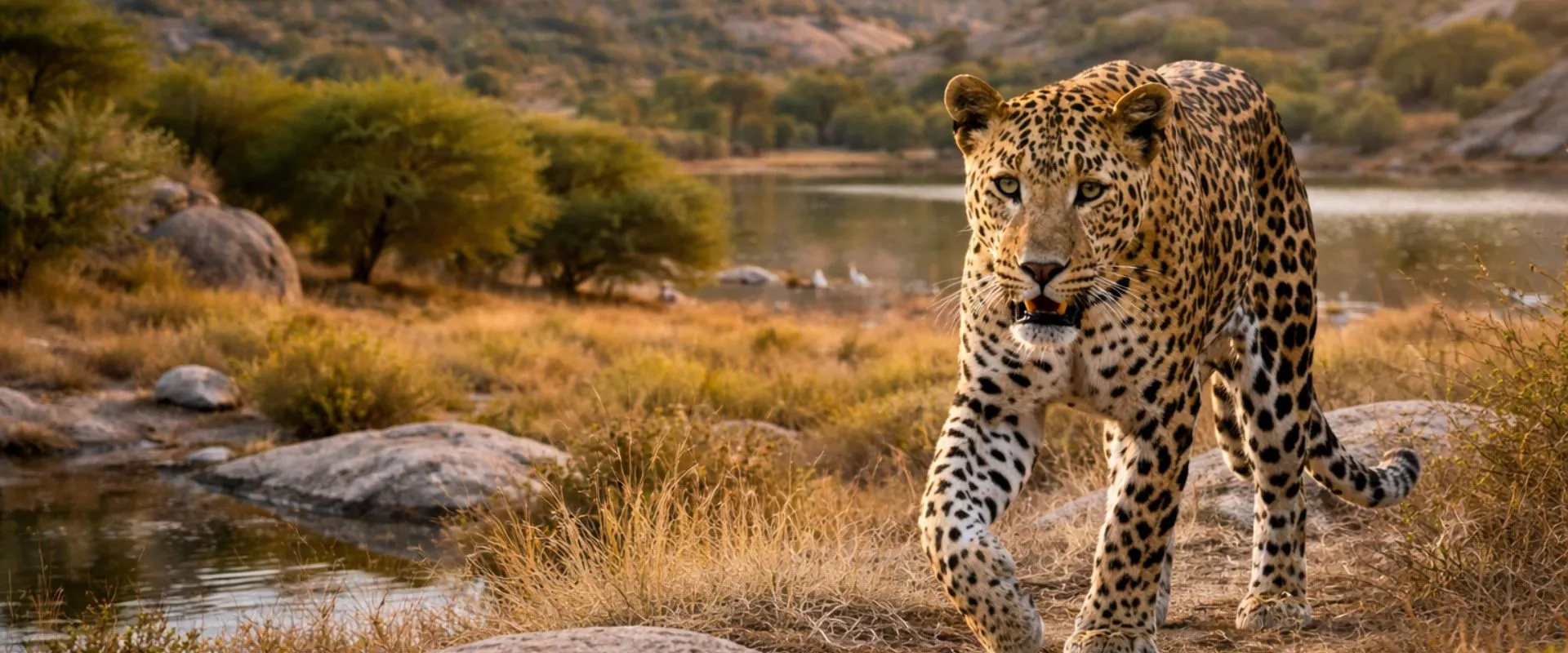
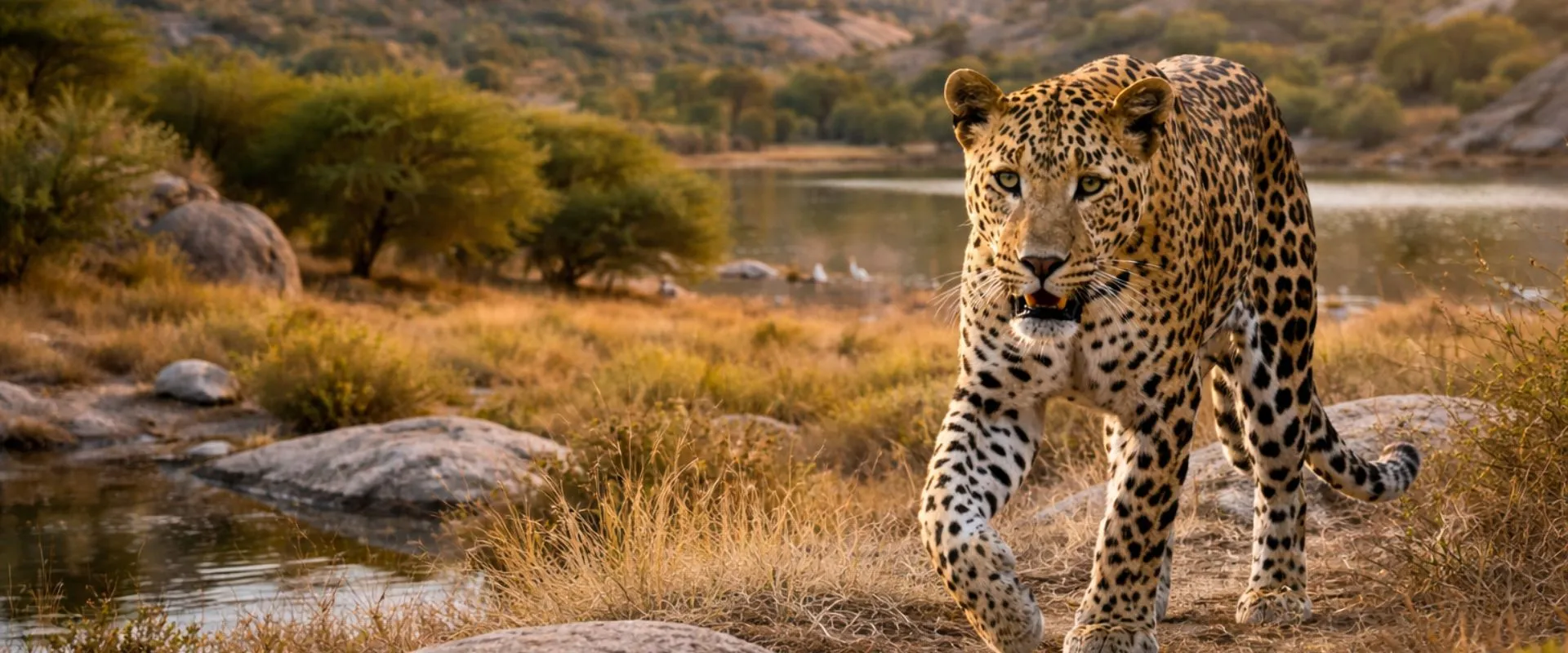
The Machmahua Zone is a designated safari area offering rugged and adventurous wildlife experiences in Sanjay Dubri Tiger Reserve. This zone features undulating terrain with rocky outcrops, dense forest patches, and grassy meadows creating ideal conditions for diverse wildlife, particularly leopards. Machmahua’s varied topography and relatively fewer visitors provide exclusive and peaceful safari experiences for those seeking offbeat wilderness encounters away from main tourist circuits.

What to Expect:

  • The zone features rugged, undulating terrain with rocky formations, hillocks, dense forest sections, and interspersed meadows.
  • Safari routes traverse challenging paths with elevation changes, providing adventure alongside wildlife viewing.
  • The landscape includes boulder-strewn areas, forest corridors, grassland patches, and elevated viewpoints.
  • Lower tourist traffic compared to primary zones ensures peaceful, uncrowded safaris.

Wildlife Highlights:

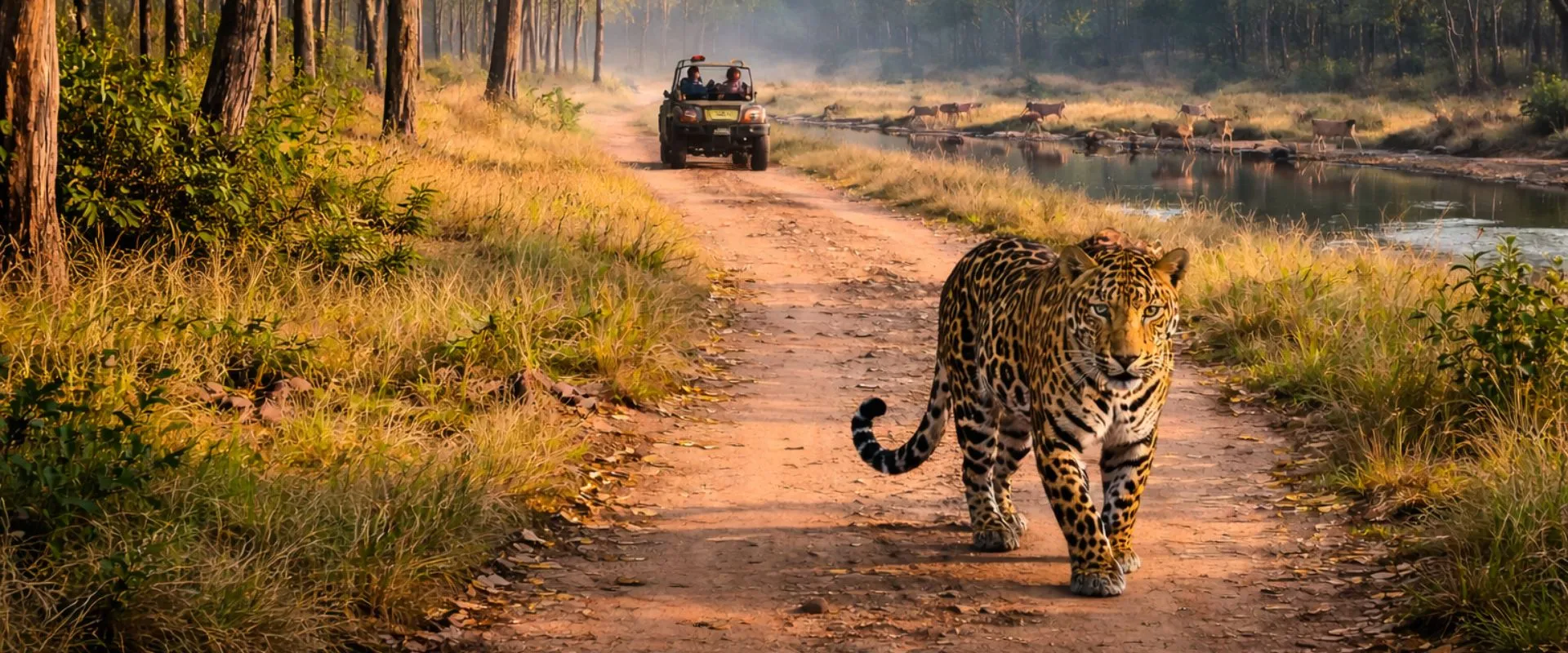
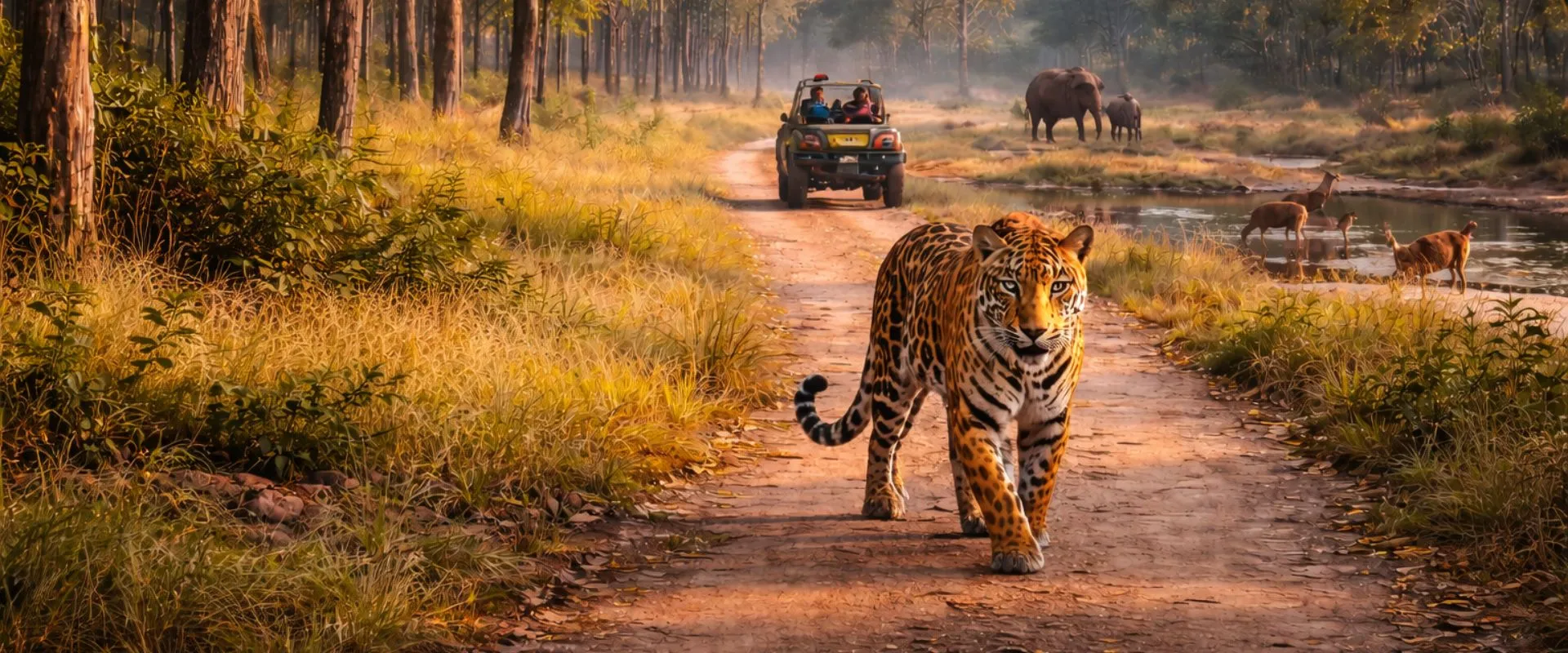
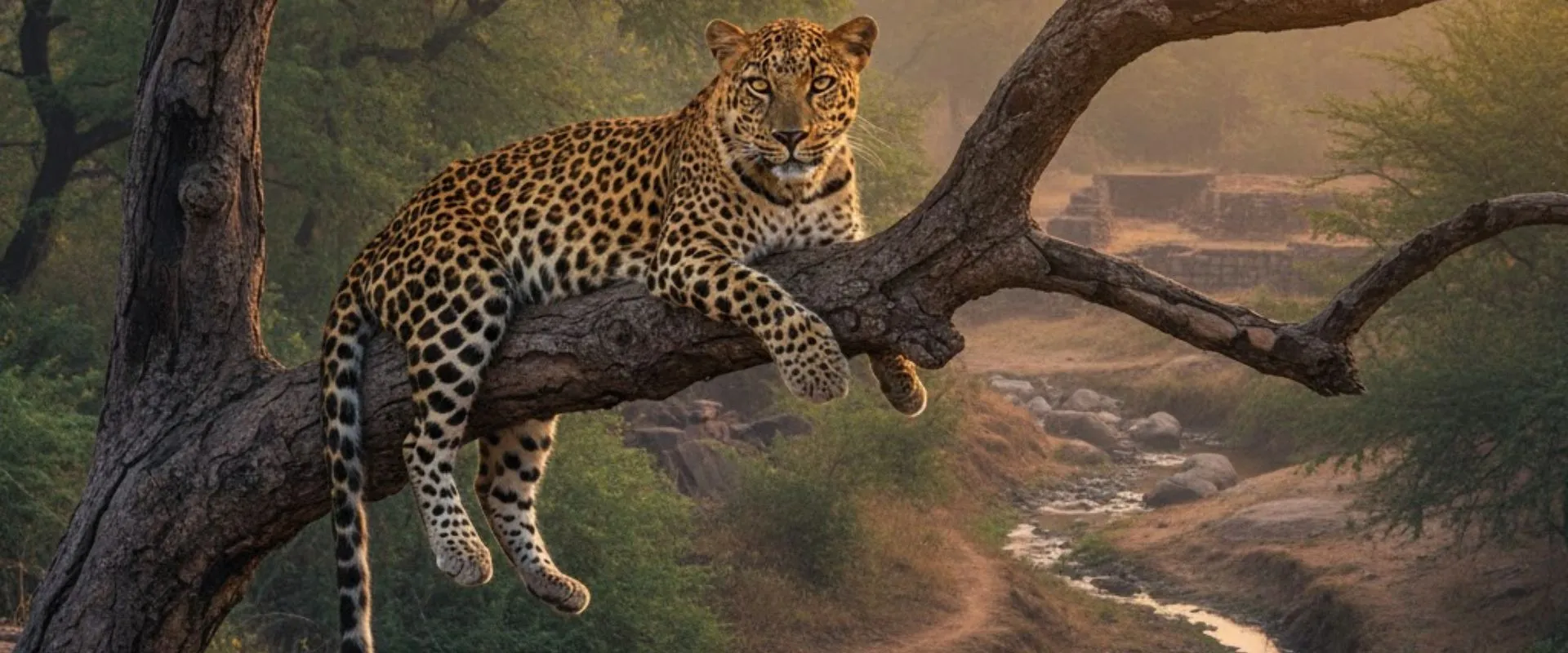
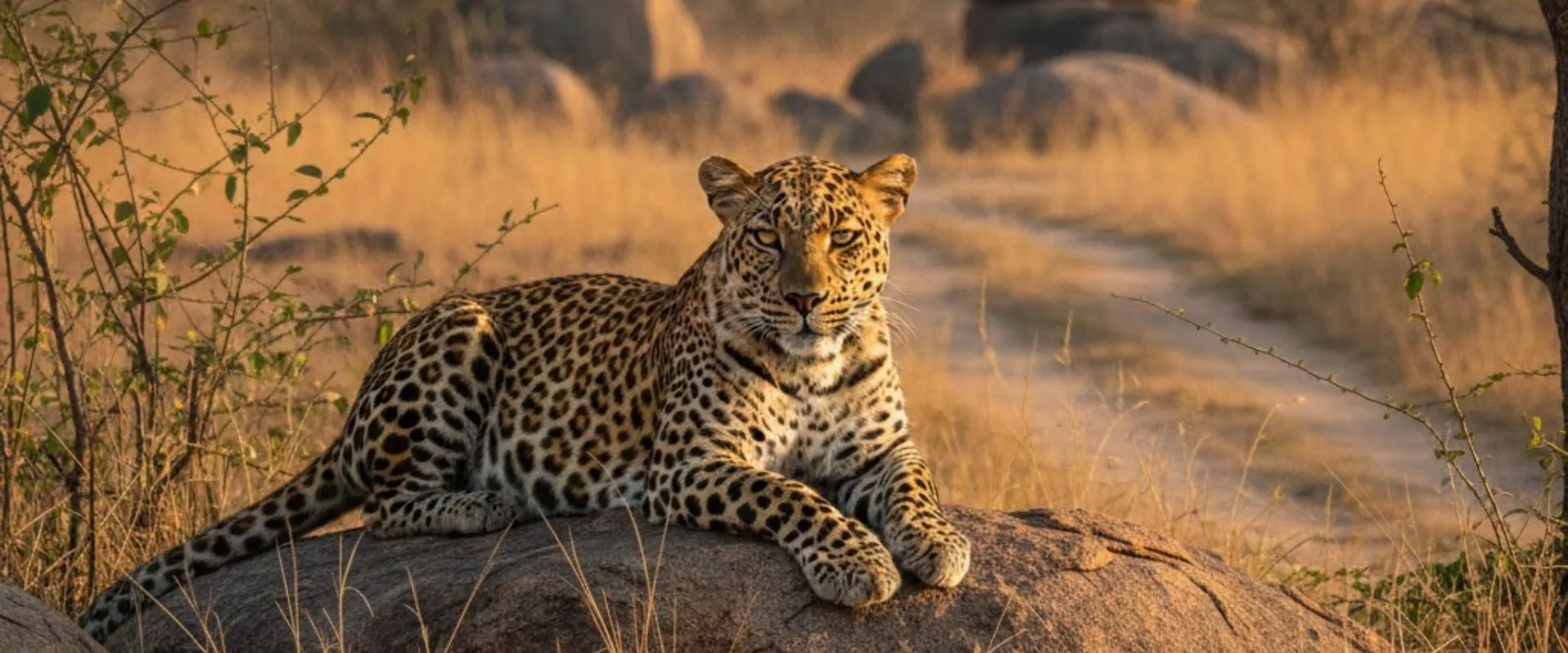
  • Leopards: Machmahua is particularly renowned for leopard sightings. The rocky landscape with numerous outcrops, caves, and elevated positions provides perfect leopard habitat. These elusive cats are frequently spotted resting on rocks, moving along hillsides, or utilizing elevated positions for territorial surveillance. The zone offers some of the best leopard viewing opportunities in Sanjay Dubri.
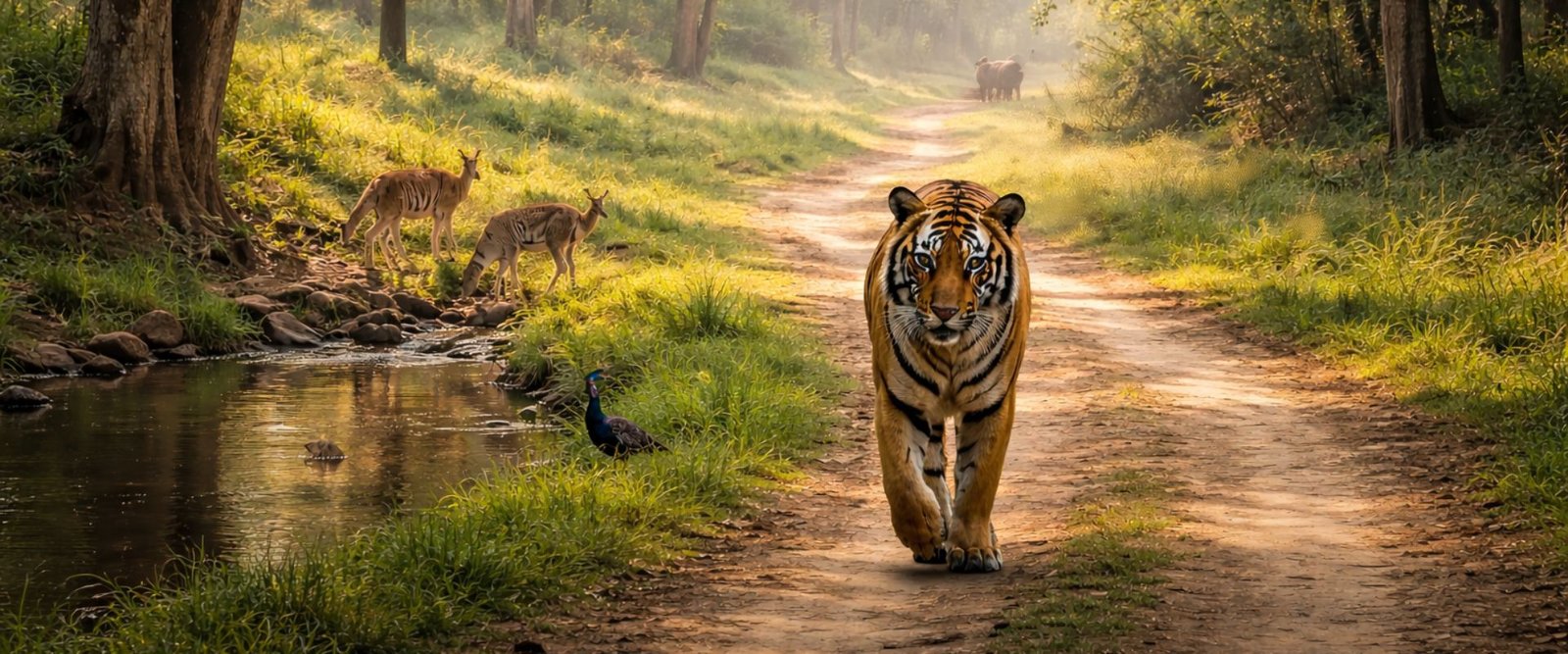
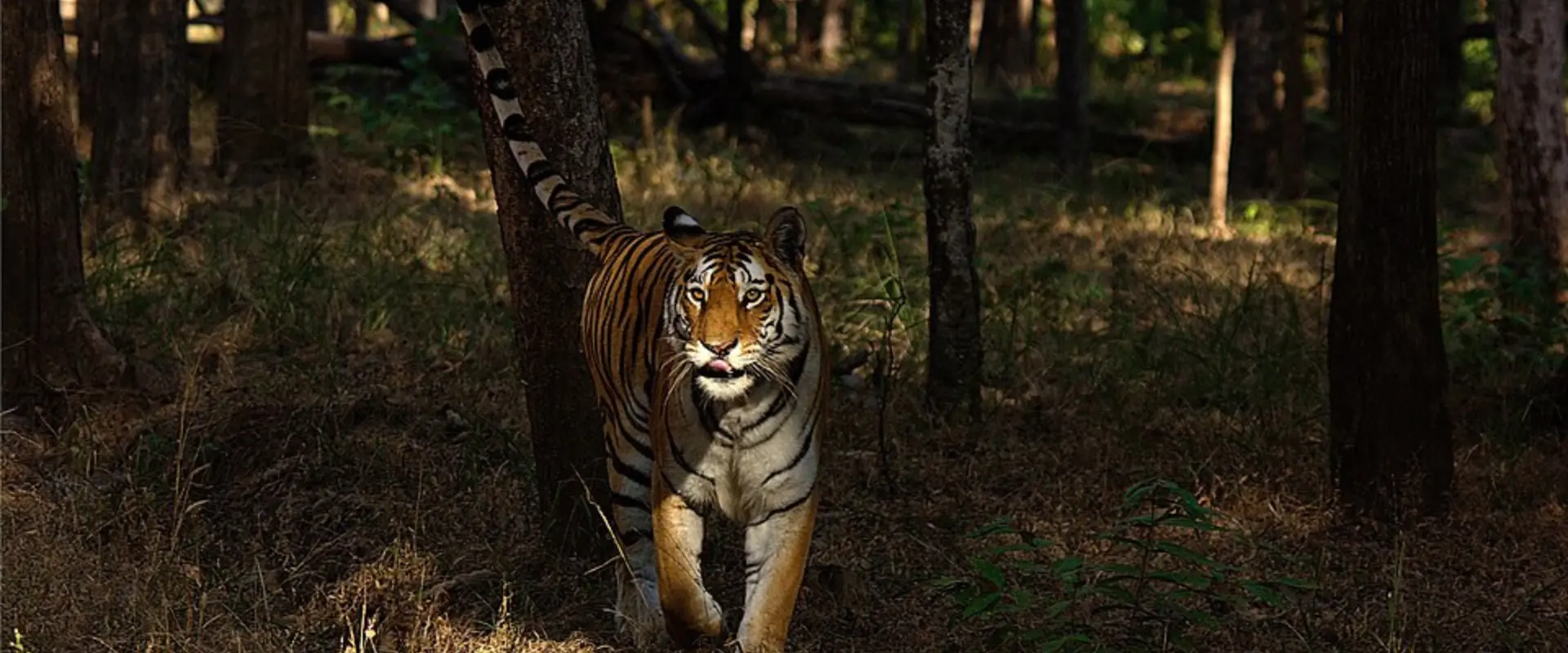
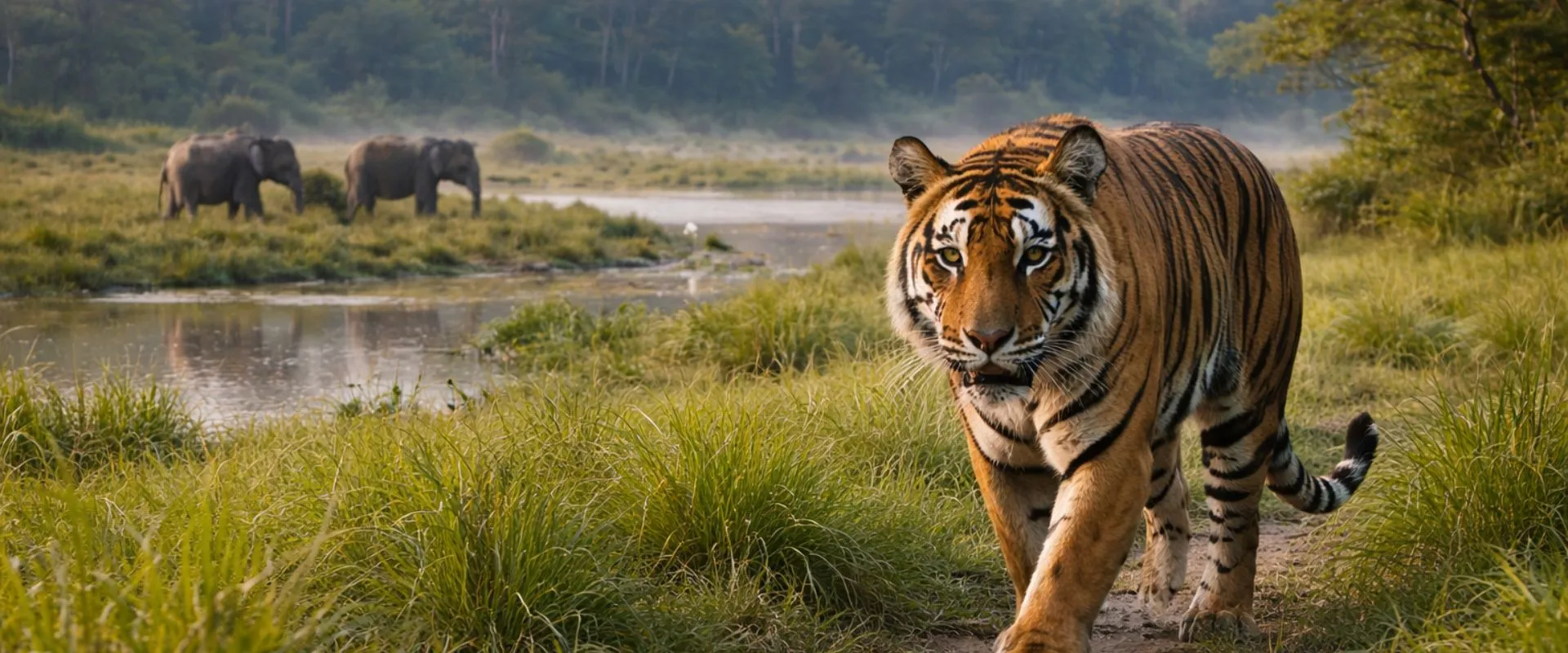
  • Tigers: Resident tigers patrol territories encompassing valley areas and forest corridors. While perhaps less frequent than in Giddha, tiger sightings in Machmahua feel more authentic due to the zone’s wild character and reduced human presence.
  • Gaur (Indian Bison): Large herds navigate the zone’s varied terrain with remarkable agility despite their massive size. The hillsides and valleys provide ideal gaur habitat, and observing these animals on slopes demonstrates their sure-footedness.
  • Wild Dogs (Dholes): Packs occasionally hunt through the zone, utilizing terrain strategically during chases. The open meadows allow observing their cooperative hunting strategies.
  • Herbivores: Spotted deer, sambar, barking deer, four-horned antelopes, and nilgai inhabit various elevations and habitat types throughout the zone.
  • Sloth Bears: Regularly spotted, especially on hillsides where termite mounds are abundant.
  • Small Carnivores: Jungle cats, civets, mongooses, and occasionally striped hyenas are spotted more frequently in this relatively undisturbed zone.
  • Birdlife: Over 70 species including crested serpent eagles, changeable hawk-eagles, jungle owlets, various woodpeckers, white-bellied drongos, and numerous other forest species. Raptors are particularly visible soaring above hillsides and ridges.

Best Features:

  • Premier leopard territory—excellent sighting opportunities in dramatic rocky settings.
  • Rugged, adventurous terrain appeals to experienced safari-goers seeking challenges.
  • Exclusive atmosphere with fewer vehicles ensures extended, undisturbed wildlife observation.
  • Varied elevations create interesting safari dynamics and photographic opportunities.
  • Natural wildlife behaviors—reduced human pressure means animals display authentic responses.
  • Spectacular scenic beauty with elevated viewpoints providing panoramic forest vistas.
  • Challenging but rewarding experiences for wildlife purists.

Safari Experience: 

Machmahua Zone safaris offer authentic wilderness adventures emphasizing quality over convenience. The challenging terrain means safaris proceed at measured paces, allowing careful observation of surroundings. The zone’s character—rugged, wild, less manicured—appeals to visitors valuing authenticity over guaranteed comfort.

Leopard watching in Machmahua is exceptional. The rocky outcrops scattered throughout the zone provide natural leopard infrastructure—elevated positions for surveillance, caves and crevices for denning, and sun-warmed rocks for daytime resting. Scanning rocky areas with binoculars often reveals leopards that would otherwise remain undetected, their spotted coats providing remarkable camouflage against rocky and forested backgrounds.

The zone’s topographic variety creates fascinating wildlife movement patterns. Animals utilize valleys as travel corridors, hillsides for feeding or surveillance, and ridgelines as territorial boundaries. Understanding these spatial patterns—knowledge experienced naturalists share—enhances appreciation for how wildlife navigates complex terrain.

Gaur herds on Machmahua’s hillsides demonstrate these massive animals’ surprising agility. Bulls weighing over 1,000 kg navigate steep slopes confidently, their powerful legs providing stability on uneven ground. Watching gaur herds move through valleys, climb hillsides, and position themselves strategically reveals behavioral sophistication often underestimated in large herbivores.

Wild dog sightings in Machmahua are particularly exciting because terrain influences hunting strategies. Packs may drive prey toward natural barriers—cliffs, dense thickets—or use elevation advantages during chases. Observing these tactics demonstrates wild dogs’ intelligence and adaptability.

The zone’s elevated viewpoints provide opportunities for landscape appreciation and distant wildlife spotting. From ridgelines, binoculars reveal animal movements across valleys and adjacent hillsides, allowing understanding of larger-scale wildlife distribution patterns invisible from valley floors.

Best Time to Visit:

  • November to February: Ideal weather (12-28°C) for exploring challenging terrain. Cooler temperatures make physical aspects of rugged safaris comfortable. Leopards active throughout this period.
  • March to June: Good wildlife viewing despite heat (30-42°C). Animals concentrate near remaining water sources. Early morning safaris essential. Leopards seek shade on rocks during midday.
  • October: Post-monsoon with lush greenery and flowing streams. Challenging terrain may include slippery sections; extra caution needed.

Photography Opportunities: 

Machmahua Zone excels for:

  • Leopard portraits on dramatic rocky backgrounds with textured natural settings
  • Wildlife against rugged terrain—showcasing habitat adaptations
  • Elevated landscape compositions showing forest expanses
  • Raptors soaring above ridgelines—clear sky backgrounds
  • Gaur on hillsides demonstrating terrain navigation
  • Creative compositions using natural rock formations as framing elements
  • Atmospheric shots utilizing elevation changes and varied light conditions

Visitor Tips:

  • Physical Preparedness: Rugged terrain means bumpy rides with elevation changes. Those prone to motion sickness should take precautions.
  • Extended Time: Request longer safaris if possible; Machmahua’s character benefits from unhurried exploration.
  • Quality Binoculars Critical: Rocky elevations and hillsides mean leopards may be spotted at various distances and heights. Excellent optics (10×42) essential.
  • Photography Equipment: Long telephoto (400-600mm) for distant wildlife on opposite hillsides. Image stabilization important for bumpy conditions.
  • Patience Paramount: Rewards come to those who invest time in careful observation.
  • Appropriate Expectations: This is wilderness safari—challenging, authentic, rewarding for quality seekers rather than comfort seekers.
  • Trust Your Guide: Naturalists familiar with Machmahua know leopard territories and movement patterns.

Who Should Visit Machmahua Zone:

  • Leopard enthusiasts seeking excellent sighting opportunities
  • Experienced safari-goers appreciating challenging terrain
  • Wildlife photographers wanting dramatic natural settings
  • Nature lovers valuing exclusive, uncrowded experiences
  • Visitors seeking authentic wilderness over manicured tourism
  • Those understanding that great encounters require effort and patience

Why Choose Machmahua Zone: 

Machmahua Zone represents Sanjay Dubri for wildlife purists—rugged, challenging, authentic, and deeply rewarding. The zone doesn’t offer easy comforts or guaranteed experiences, but provides something more valuable: genuine wilderness where leopards reign supreme, where silence amplifies natural sounds, and where each sighting feels earned rather than staged. For visitors understanding that true wildlife experiences involve challenge, patience, and acceptance of uncertainty, Machmahua delivers profound satisfaction that sanitized, crowded zones cannot replicate. It’s Sanjay Dubri’s wild heart—uncompromising, authentic, and unforgettable.

Book your Jungle Experiences along with Safaris & Local Activities

Related Safari Zones

Amagarh Zone

Amagarh Zone

Amagarh Zone The Amagarh Zone is a buffer area known for its hilly terrain and dense vegetation, offering challenging but rewarding safari experience...

Jhalana Zone 2

Jhalana Zone 2

Jhalana Zone 2 Jhalana Zone 2 offers alternative safari routes within the Jhalana reserve, featuring similar terrain with different vantage points. ...

Jhalana Zone 1

Jhalana Zone 1

Jhalana Zone 1 Jhalana Zone 1 is part of Jhalana Leopard Conservation Reserve near Jaipur, known as an urban wildlife sanctuary with high leopard den...

Jawai Zone

Jawai Zone

Jawai Zone The Jawai Zone is famous for its unique landscape of granite hills and leopard conservation, though it's actually a separate wildlife area...

Jeewada Zone

Jeewada Zone

Jeewada Zone The Jeewada Zone is a remote buffer area offering untouched wilderness and excellent opportunities for spotting elusive wildlife. Wha...

Kothar Zone

Kothar Zone

Kothar Zone The Kothar Zone is a pristine wilderness area within the park, known for its rugged terrain and dense sal forests. What Makes Kothar S...

Sena Zone

Sena Zone

Sena Zone The Sena Zone is a peripheral buffer area characterized by mixed forests and agricultural borders, providing a unique blend of wildlife hab...

Bera Zone

Bera Zone

Bera Zone The Bera Zone is a wildlife corridor and transition area of the national park, offering diverse landscapes from open grasslands to dense fo...

Harsa/Khajurikudar Zone

Harsa/Khajurikudar Zone

These buffer zones expand safari opportunities beyond the core areas and include small grasslands, seasonal water bodies, and forest patches. What ...

Jhinna Zone

Jhinna Zone

The Jhinna Zone is a buffer and fringe area of Panna National Park, known for quiet safari trails and nocturnal wildlife opportunities. What Makes ...

Akola Zone

Akola Zone

The Akola Zone is part of the park’s buffer area, providing a peaceful safari with mixed habitats including grasslands, dry forests, and small water...

Hinouta Zone

Hinouta Zone

The Hinouta Zone is a core area with undulating terrain, rocky outcrops, and dense forests, providing a quieter safari experience. What Makes Hinou...