Koilary Zone – Sanjay Dubri Tiger Reserve
The Koilary Zone is a designated safari zone known for its pristine wilderness character and diverse wildlife in Sanjay Dubri Tiger Reserve. This zone features a mix of forest types, grasslands, and perennial water sources that attract wildlife year-round, making it an excellent choice for visitors seeking exclusive encounters away from busier tourism areas. Koilary’s remote character ensures peaceful safaris with minimal crowds, ideal for those valuing solitude in nature.
What to Expect:
- The zone features mixed forest types—sal, teak, mixed deciduous—along with grassland patches and bamboo areas.
- Safari routes traverse relatively remote areas with good wildlife habitat and lower human disturbance.
- The landscape includes valley areas, gentle slopes, perennial water sources, and natural clearings.
- Pristine wilderness character with authentic forest atmosphere and sounds.
- Lower tourist traffic provides exclusive, contemplative safari experiences.
Wildlife Highlights:
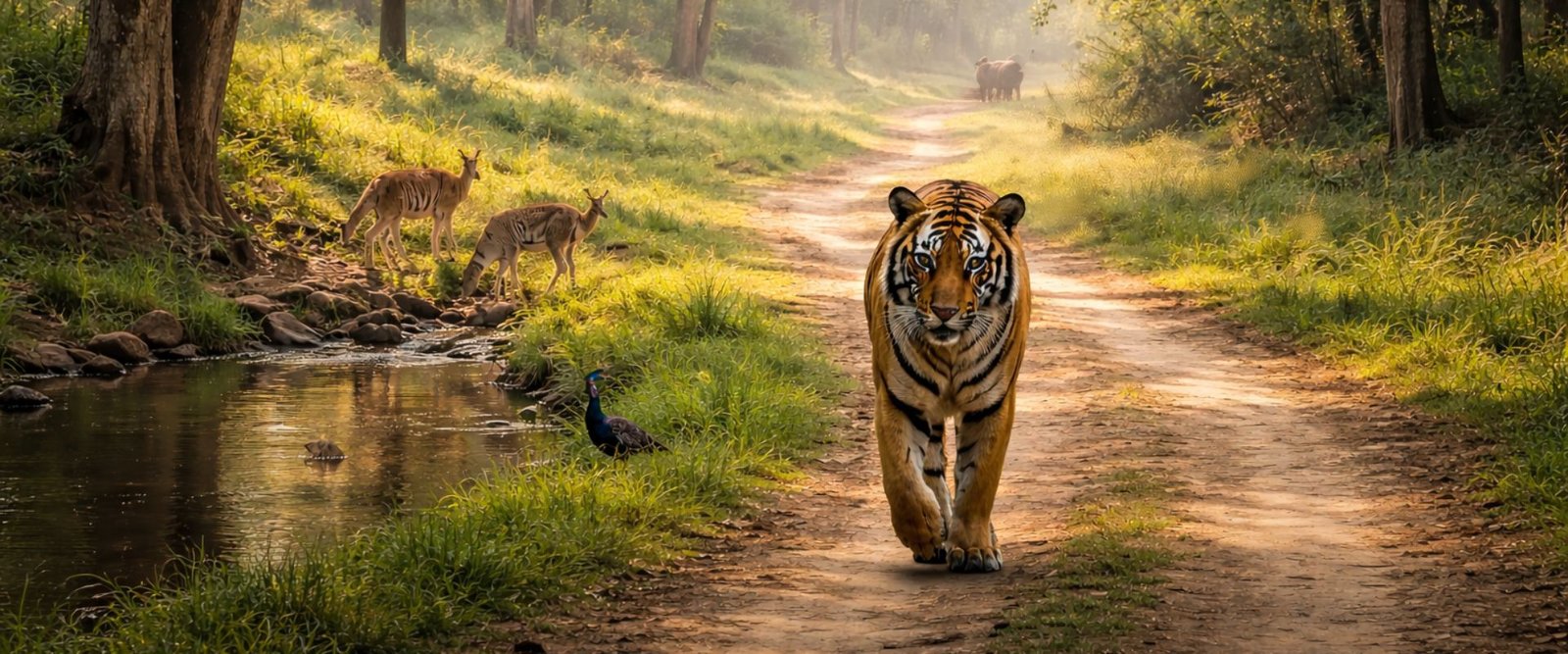
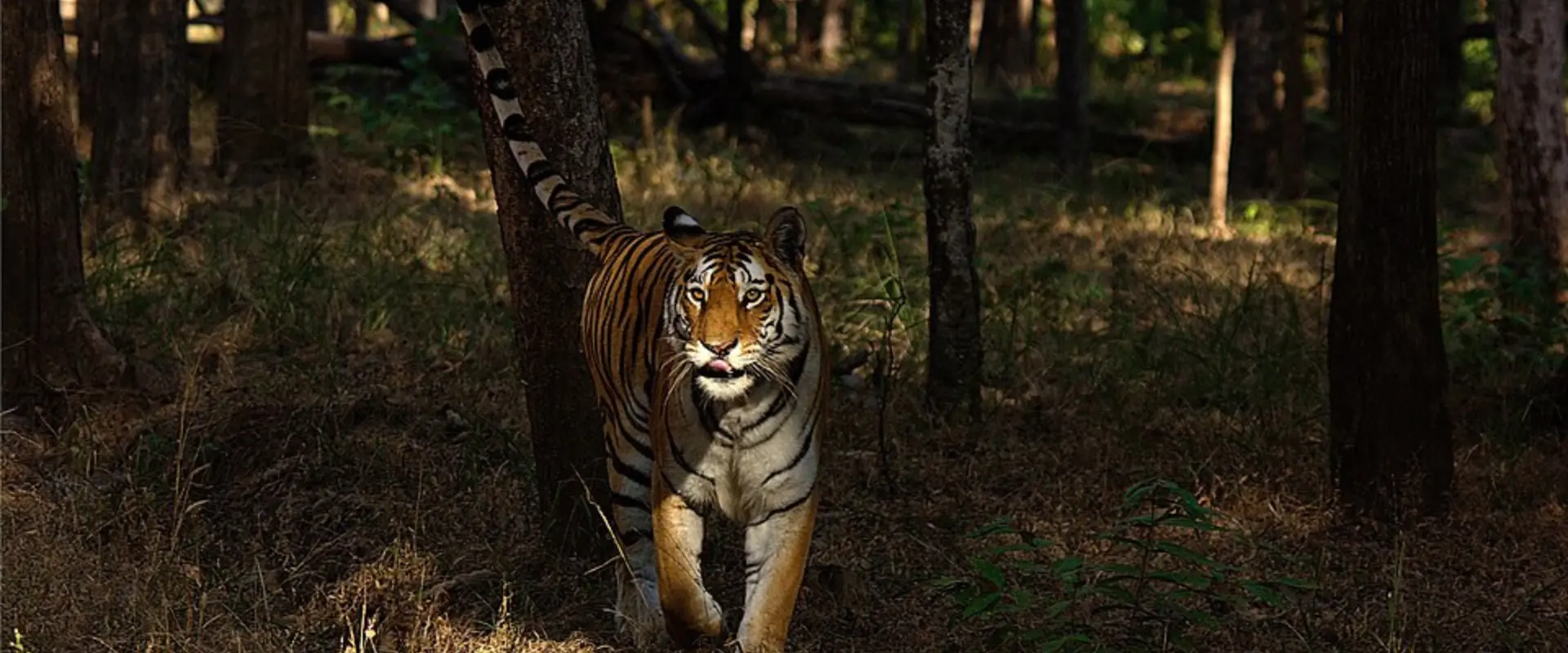
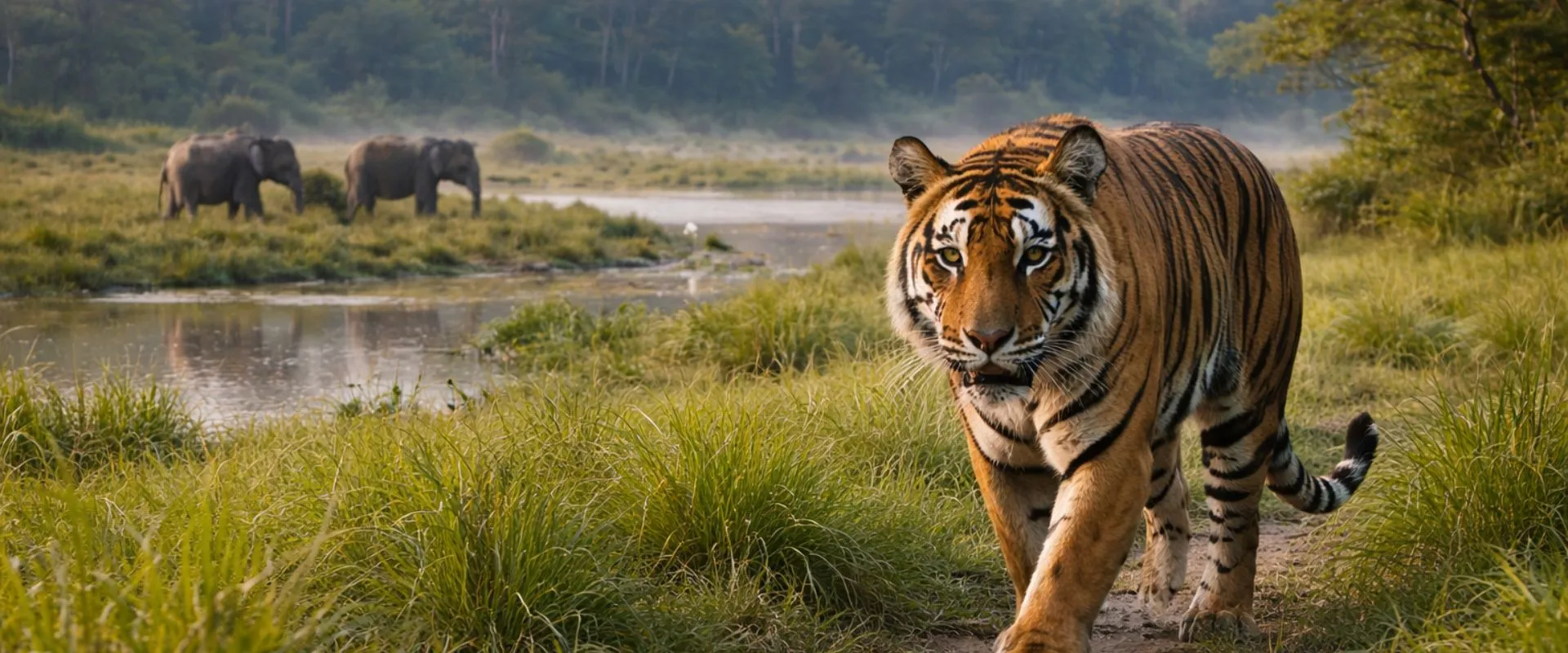
- Tigers: Koilary hosts tigers that prefer quieter territories away from higher tourist traffic. These individuals often display more natural, unhabituated behaviors. While sightings may require patience, encounters are particularly rewarding due to authentic wildlife responses.
- Gaur (Indian Bison): The zone is excellent for gaur observations. Large herds frequent grasslands, forest edges, and bamboo areas. Koilary’s peaceful character allows extended gaur viewing without disturbance from multiple vehicles.
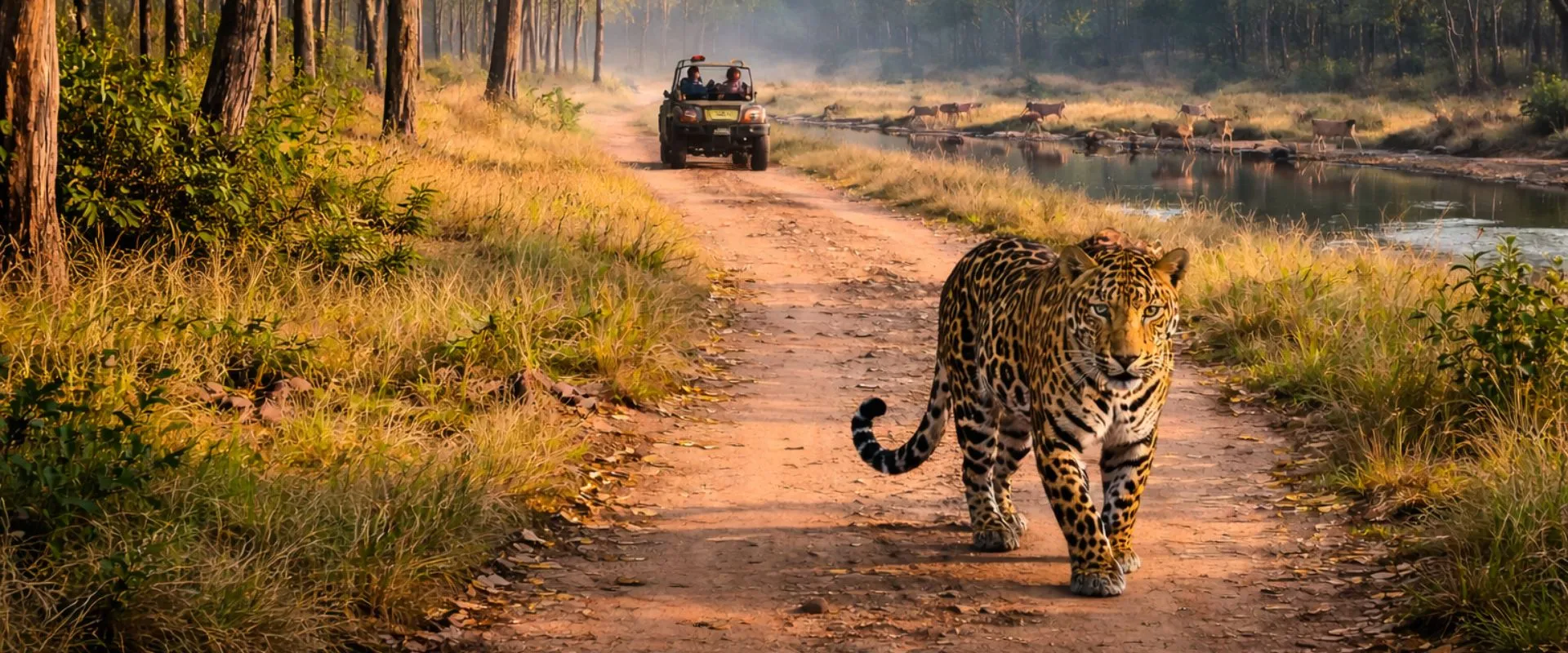
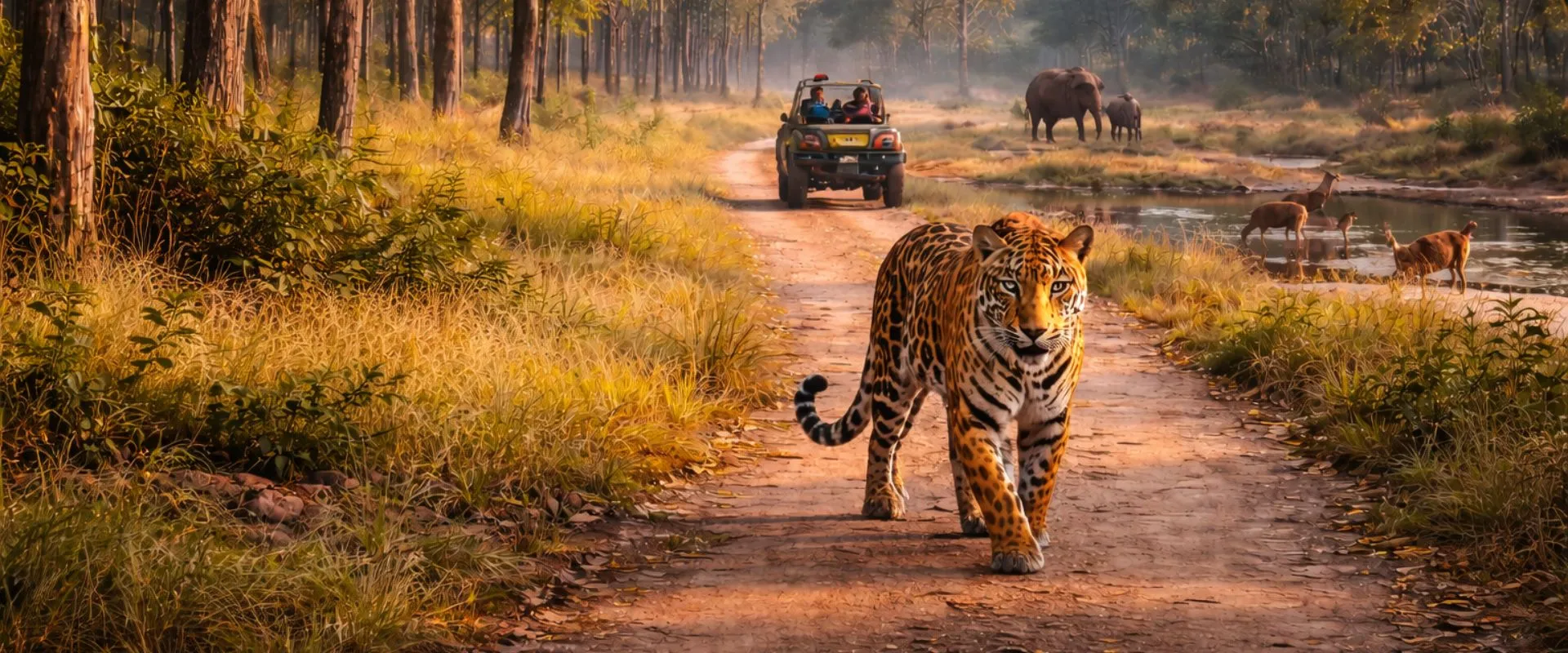
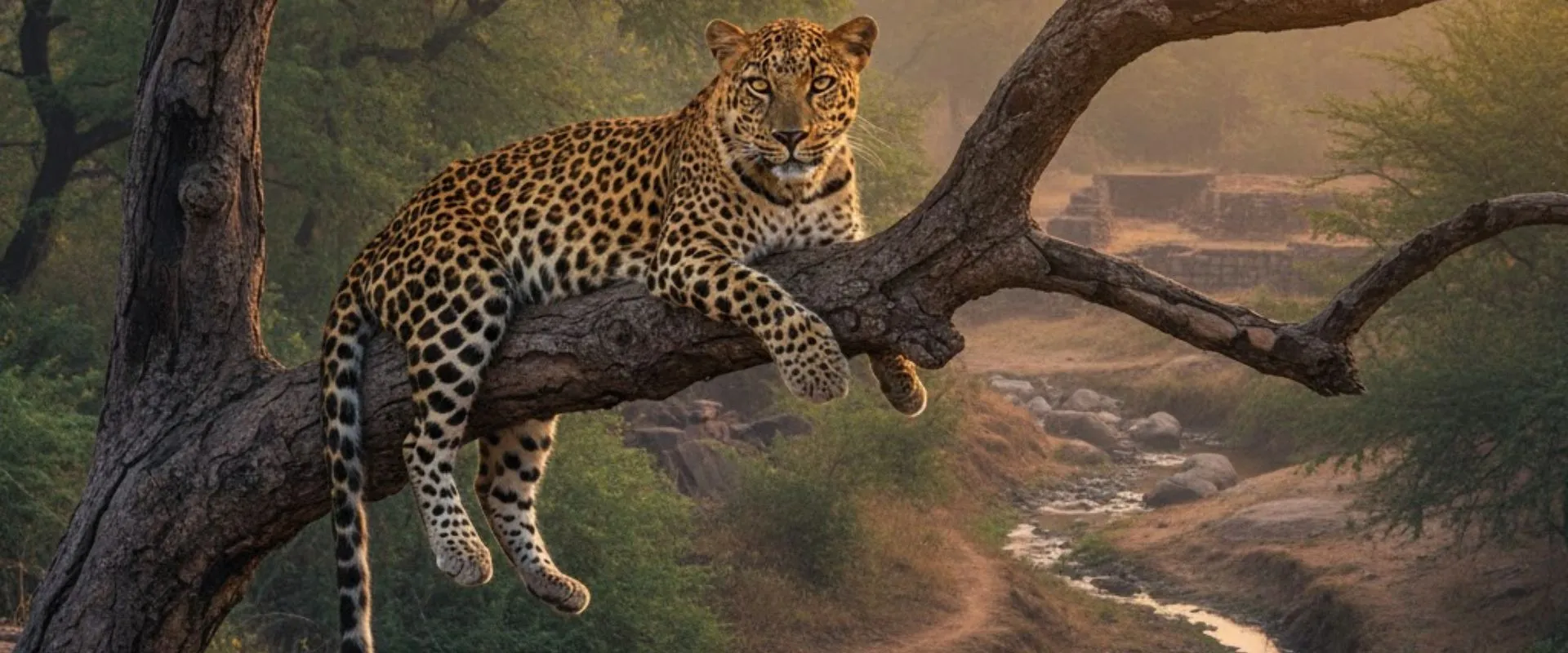
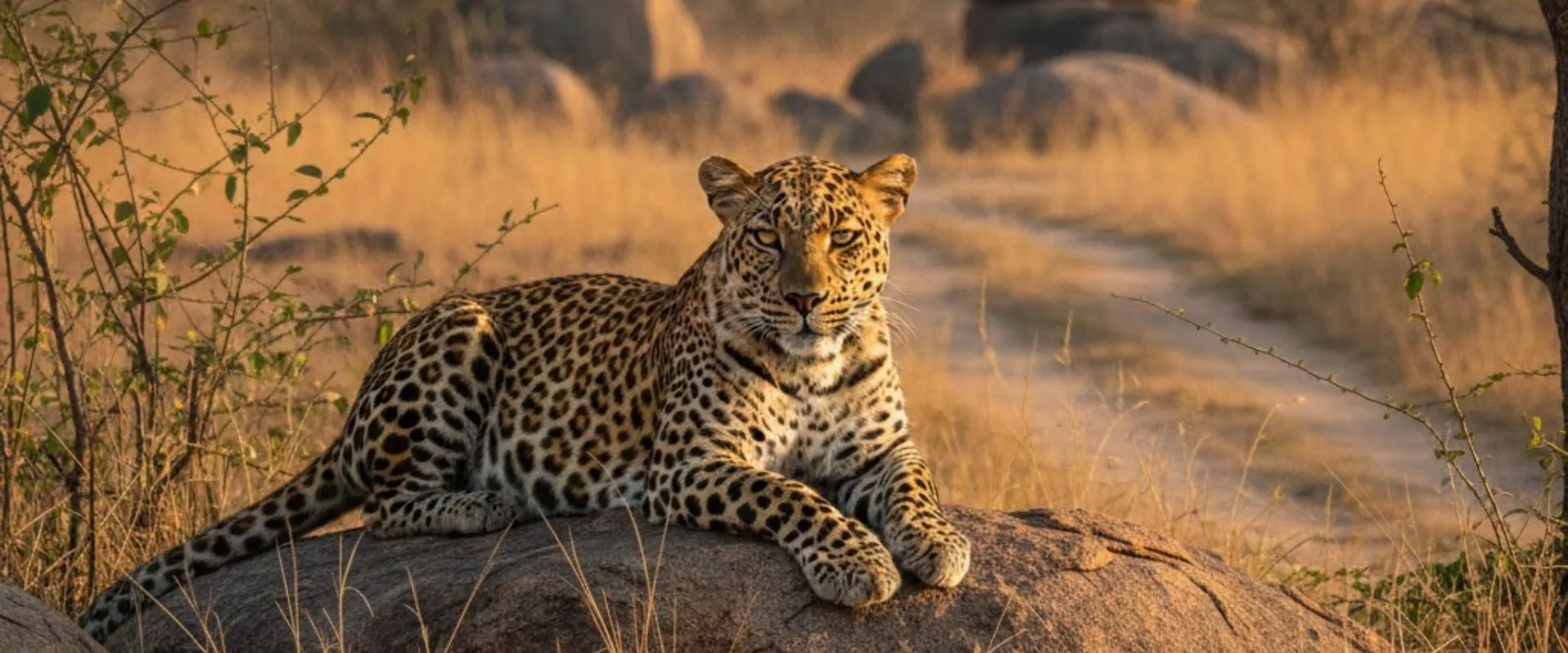
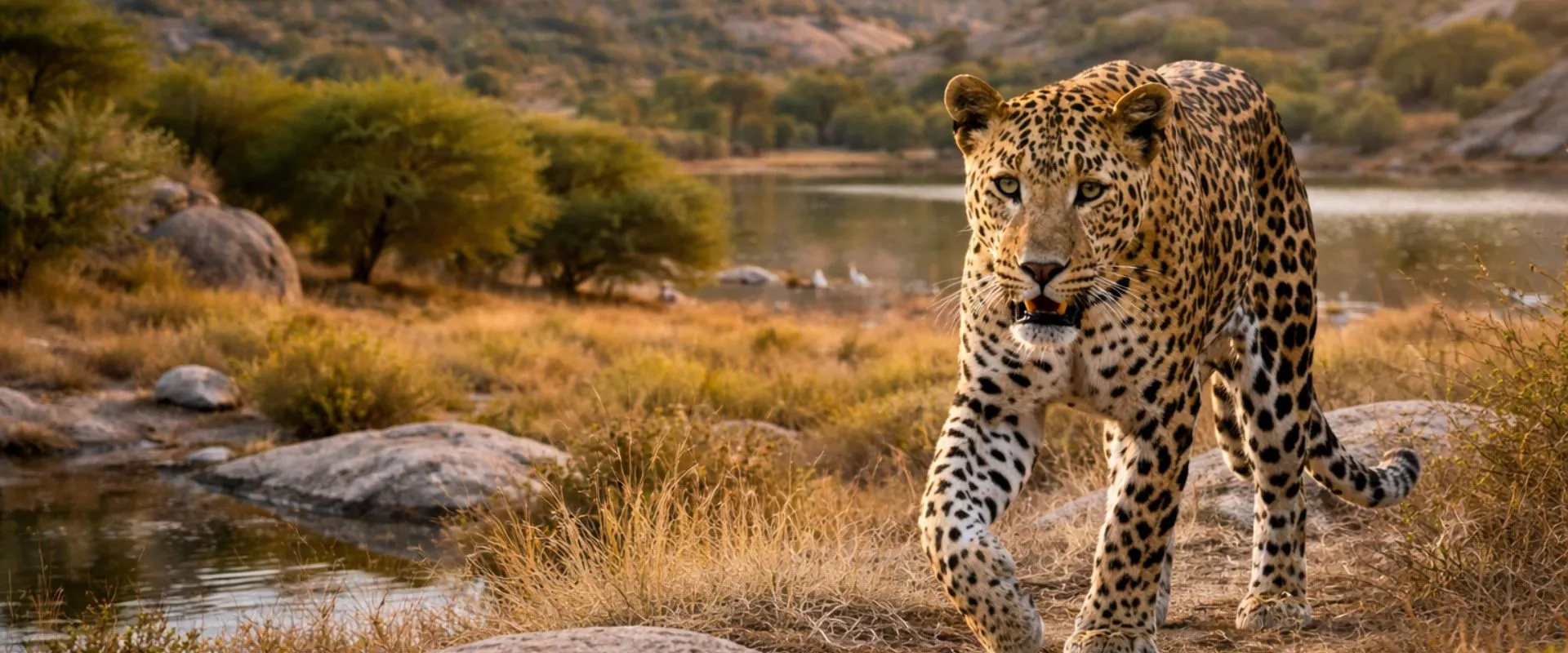
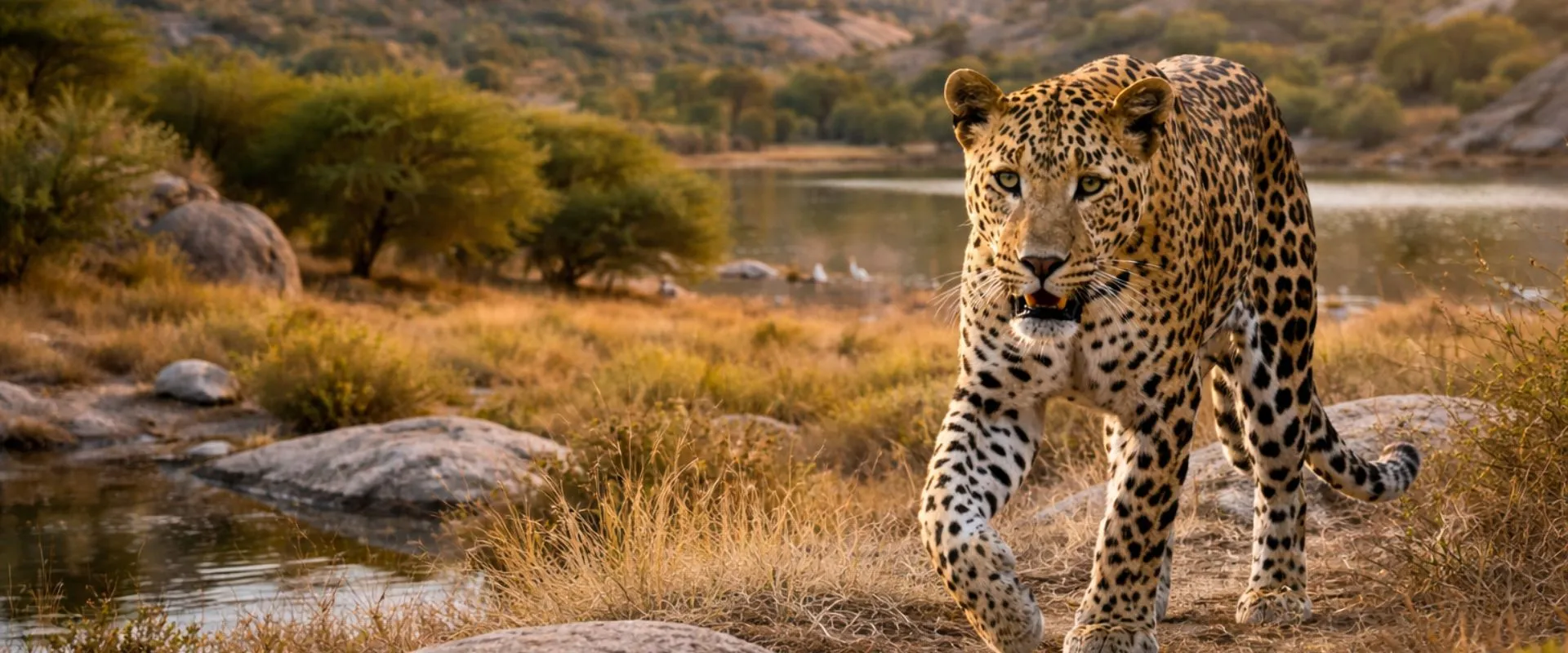
- Leopards: Present throughout, utilizing both forested areas and rocky patches within the zone.
- Sloth Bears: Regularly spotted foraging in areas with termite mounds and fruiting trees.
- Herbivores: Abundant populations of sambar deer, spotted deer, barking deer, four-horned antelopes, and wild boars.
- Wild Dogs (Dholes): Packs occasionally traverse the zone while hunting or moving between territories.
- Small Carnivores: Various mongoose species, jungle cats, civets, and occasionally striped hyenas are spotted more frequently due to reduced disturbance.
- Jackals: Indian jackals are occasionally spotted in grassland and scrub areas, adding to carnivore diversity.
- Birdlife: Over 80 species including hornbills, woodpeckers, raptors, and numerous forest specialists. The zone’s quieter character benefits birdwatching through reduced noise pollution.
Best Features:
- Pristine wilderness character—authentic forest experiences with minimal human modification.
- Excellent for gaur viewing in peaceful settings without vehicle crowds.
- Perennial water sources ensure year-round wildlife presence and activity.
- Good tiger territory for individuals preferring quieter areas.
- Natural wildlife behaviors—reduced human pressure means authentic responses.
- Ideal for landscape photography combining wildlife with scenic beauty.
- Perfect for visitors seeking solitude, contemplation, and genuine nature connections.
Safari Experience:
Koilary Zone safaris emphasize quality, exclusivity, and authentic wilderness immersion over guaranteed sightings and convenience. The zone’s remote character creates genuine exploration feelings—safari routes feel like discoveries rather than well-worn tourist paths. The absence of multiple vehicles means wildlife encounters are exclusively yours, without radio calls bringing crowds or competition for viewing angles.
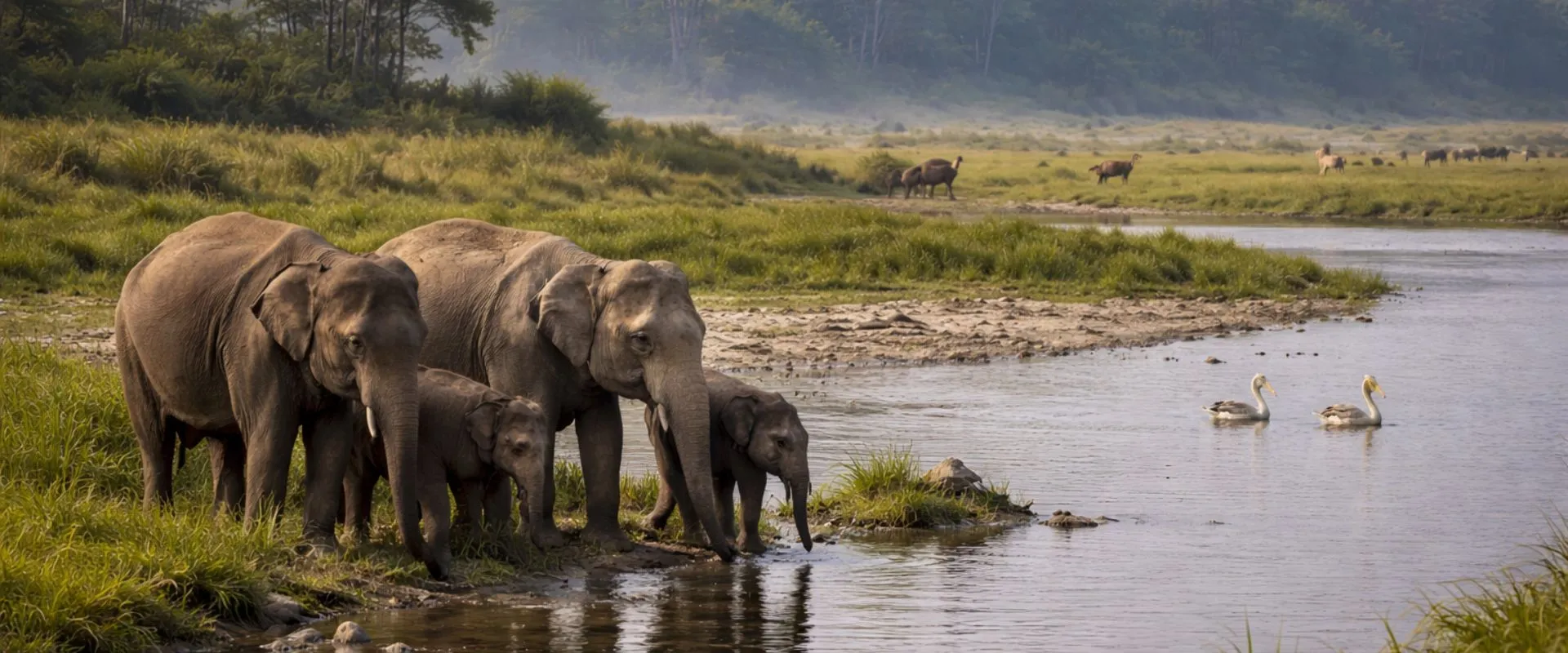
The zone’s perennial water sources distinguish it from areas with only seasonal water. These permanent streams and pools support aquatic ecosystems attracting not just drinking animals but also those feeding on fish, frogs, and aquatic vegetation. Observing wildlife at these locations reveals behaviors and interactions unavailable at simple watering points.
Gaur watching in Koilary is exceptional due to extended, undisturbed observation opportunities. Without pressure from multiple vehicles, naturalists can stop for longer periods, allowing comprehensive behavioral observation. Watching gaur herds—dominant bulls maintaining positions, females with calves showing protective behaviors, juveniles engaging in play—provides insights into social complexity often missed during brief, crowded encounters.
Tiger encounters in Koilary carry special significance. Because tigers here experience less regular vehicle contact, their behaviors feel more authentic—initial wariness before assessing threats, deliberate movements showing caution, or natural confidence when vehicle presence is deemed non-threatening. These nuanced behaviors, often habituated away in busy zones, provide genuine insights into tiger psychology.
The zone’s mixed forest character creates interesting ecological transitions. Different tree species dominate different areas—sal forests give way to mixed deciduous or bamboo stands—and these habitat changes influence wildlife distribution. Understanding these patterns deepens appreciation for forest ecology beyond simple “seeing animals” tourism.
Koilary’s quieter atmosphere amplifies natural sounds. Forest birdsong, wind rustling leaves, distant animal vocalizations, and one’s own breathing become prominent in the absence of constant vehicle engines and tourist chatter. This auditory clarity transforms safaris into meditative experiences connecting visitors to nature’s rhythms.
Landscape photography in Koilary benefits from scenic valleys, elevated viewpoints, and undisturbed wilderness character. Combining wildlife elements with pristine forest backgrounds creates environmental portraits showing animals in broader ecological contexts rather than just isolated subject shots.
Best Time to Visit:
- November to February: Ideal weather (12-28°C) for comfortable safaris. Pleasant temperatures allow extended observation periods. Excellent for peaceful, contemplative nature experiences.
- March to June: Good wildlife viewing near perennial water sources. Summer temperatures (30-42°C) make early morning safaris essential. Water availability ensures consistent wildlife presence despite heat.
- October: Post-monsoon with lush vegetation and full water bodies. Beautiful scenery, though wildlife more dispersed due to abundant water throughout the forest.
Photography Opportunities:
Koilary Zone excels for:
- Gaur herds in natural, peaceful settings without vehicle crowds
- Environmental wildlife portraits—animals in landscape contexts
- Tiger behavior documentation—natural, unhabituated individuals
- Pristine forest landscapes showcasing wilderness character
- Water source ecology—diverse species interactions
- Sunrise/sunset in undisturbed wilderness settings
- Creative compositions emphasizing solitude and nature connection themes
Conservation Significance:
Koilary Zone demonstrates that protecting remote, less-accessible areas is as critical as managing popular tourism zones. These quieter territories provide refuge for wildlife preferring minimal human contact, support natural behaviors without regular disturbance, and maintain wilderness quality essential for long-term conservation. Safari tourism here, while lower intensity, provides economic justification for protecting peripheral areas that might otherwise face development pressures.
Visitor Tips:
- Appropriate Expectations: This is not a “guaranteed sightings” zone. Value wilderness experience, exclusivity, and natural behaviors over checklist tourism.
- Extended Safari Times: Request longer durations if possible; remote zones benefit from unhurried exploration.
- Self-Sufficiency: Carry all essentials—water, snacks, medications—as facilities are limited in remote areas.
- Binoculars Important: Remote character means wildlife may be observed from distances; quality optics enhance experiences.
- Patience Essential: Koilary rewards patience, stillness, and willingness to embrace uncertainty.
- Photography Equipment: Versatile gear—wide-angle for landscapes, telephoto for wildlife, fast lenses for forest conditions.
- Trust Your Guide: Naturalists familiar with Koilary know seasonal patterns, water source locations, and optimal strategies.
- Multiple Visits: Consider booking multiple Koilary safaris across different times to increase encounter probabilities.
Who Should Visit Koilary Zone:
- Gaur enthusiasts seeking comprehensive observation opportunities
- Wildlife purists valuing authenticity over convenience
- Nature lovers appreciating solitude and contemplative experiences
- Photographers wanting pristine wilderness backgrounds
- Visitors seeking exclusive encounters without crowds
- Those understanding that absence of tourists often correlates with enhanced wilderness quality
- Repeat visitors wanting comprehensive Sanjay Dubri exploration
Why Choose Koilary Zone:
Koilary Zone represents Sanjay Dubri for those understanding that wilderness value extends beyond animal sightings to encompass silence, solitude, pristine landscapes, and the privilege of entering realms where nature operates on its own terms. The zone proves that meaningful wildlife tourism doesn’t require crowds, guarantees, or constant stimulation—sometimes it requires only patience, respect, and willingness to accept nature’s unpredictability. For visitors seeking not just to see wildlife but to experience genuine wilderness—to feel small among ancient forests, to hear nature’s unfiltered sounds, to connect with something larger than human concerns—Koilary delivers transformative encounters that remain meaningful long after easier sightings fade from memory. It’s Sanjay Dubri’s sanctuary—for wildlife and humans alike who value authentic nature connections.