Bastua Zone – Sanjay Dubri Tiger Reserve

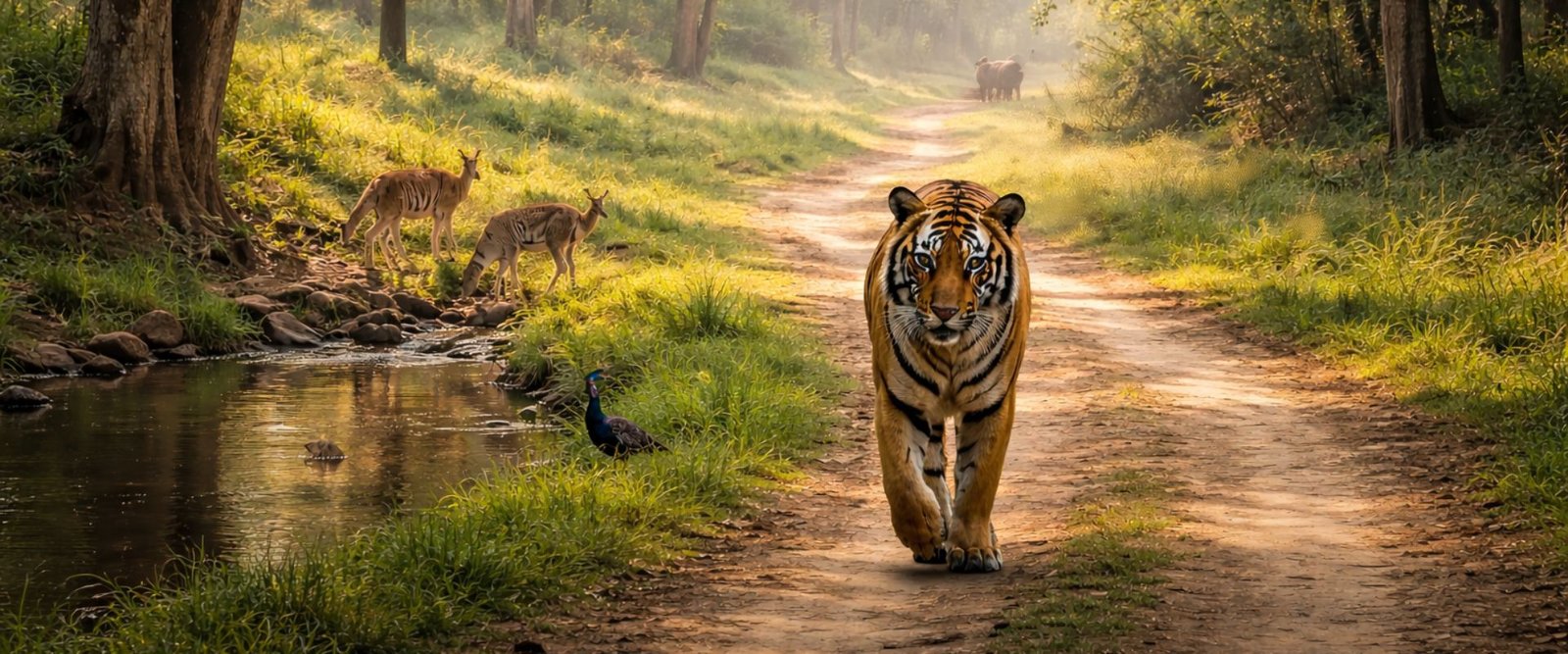
The Bastua Zone is a designated safari zone in Sanjay Dubri Tiger Reserve, characterized by diverse habitat types including dense sal forests, bamboo thickets, seasonal streams, and forest clearings. This zone offers excellent opportunities for tiger and sloth bear sightings while providing rich birdwatching experiences across varied ecological niches. Bastua represents classic central Indian tiger habitat with the perfect balance of forest cover and open patches.

What to Expect:

  • The zone features diverse habitats—sal forests, bamboo groves, grassland clearings, and seasonal stream courses.
  • Safari routes wind through alternating dense and open sections, creating varied viewing opportunities.
  • The landscape includes valley areas, gentle slopes, stream crossings (seasonal), and natural clearings.
  • Good balance between forest atmosphere and visibility for wildlife observation.

Wildlife Highlights:

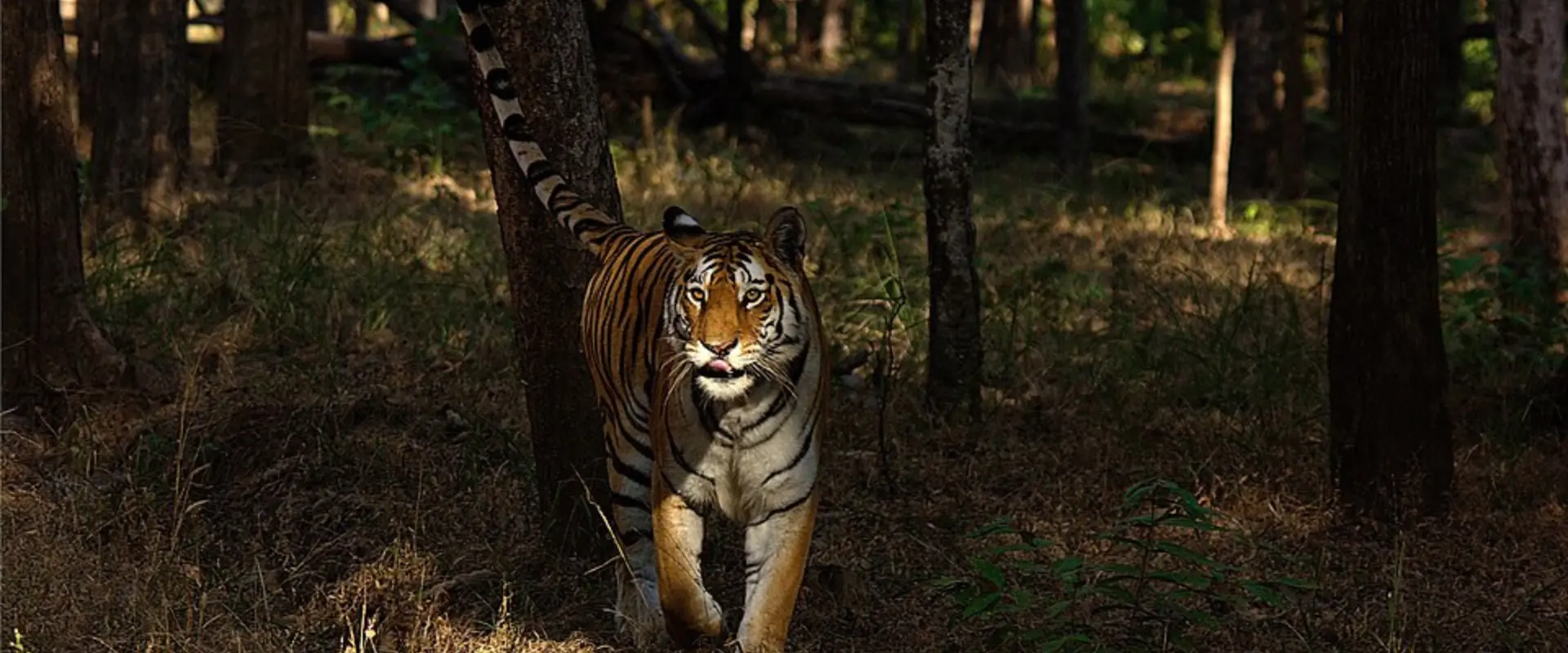
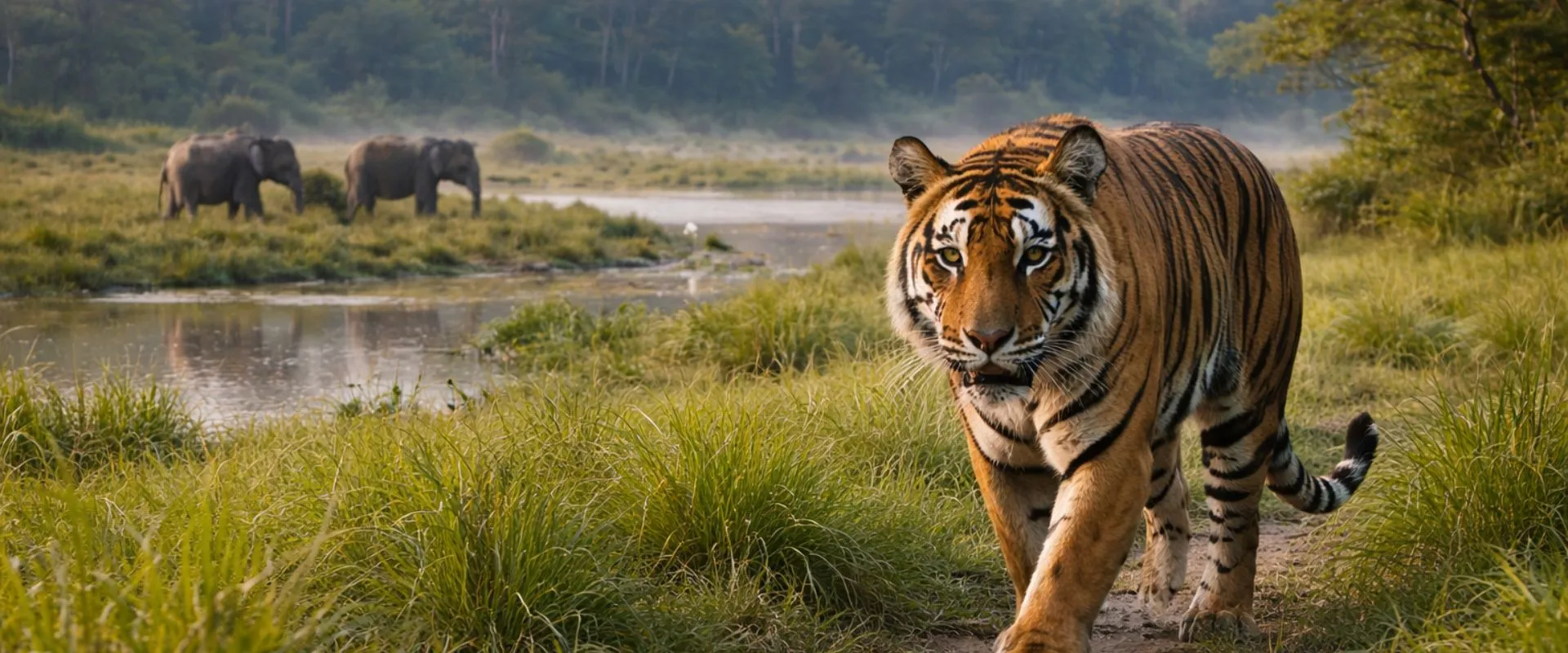
  • Tigers: Bastua hosts resident tigers with established territories. The zone’s water sources and high prey density attract tigers regularly, especially during summer months when they move between water sources. Tiger sightings occur throughout the zone, with particularly good opportunities near water holes and along stream courses.
  • Sloth Bears: The zone is particularly known for excellent sloth bear encounters. Abundant termite mounds throughout Bastua provide primary food sources, and fruiting trees attract bears seasonally. Morning safaris frequently feature bears foraging noisily through undergrowth or climbing trees to reach fruits.
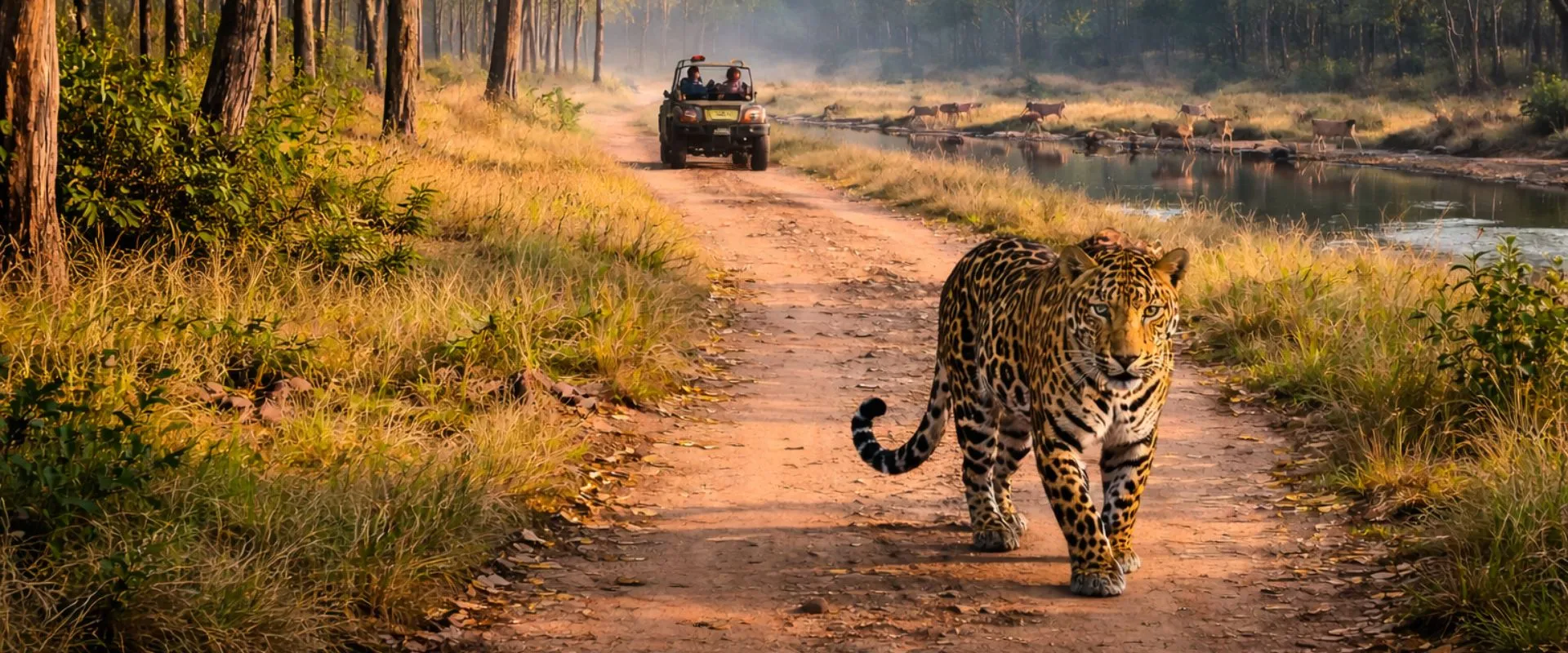
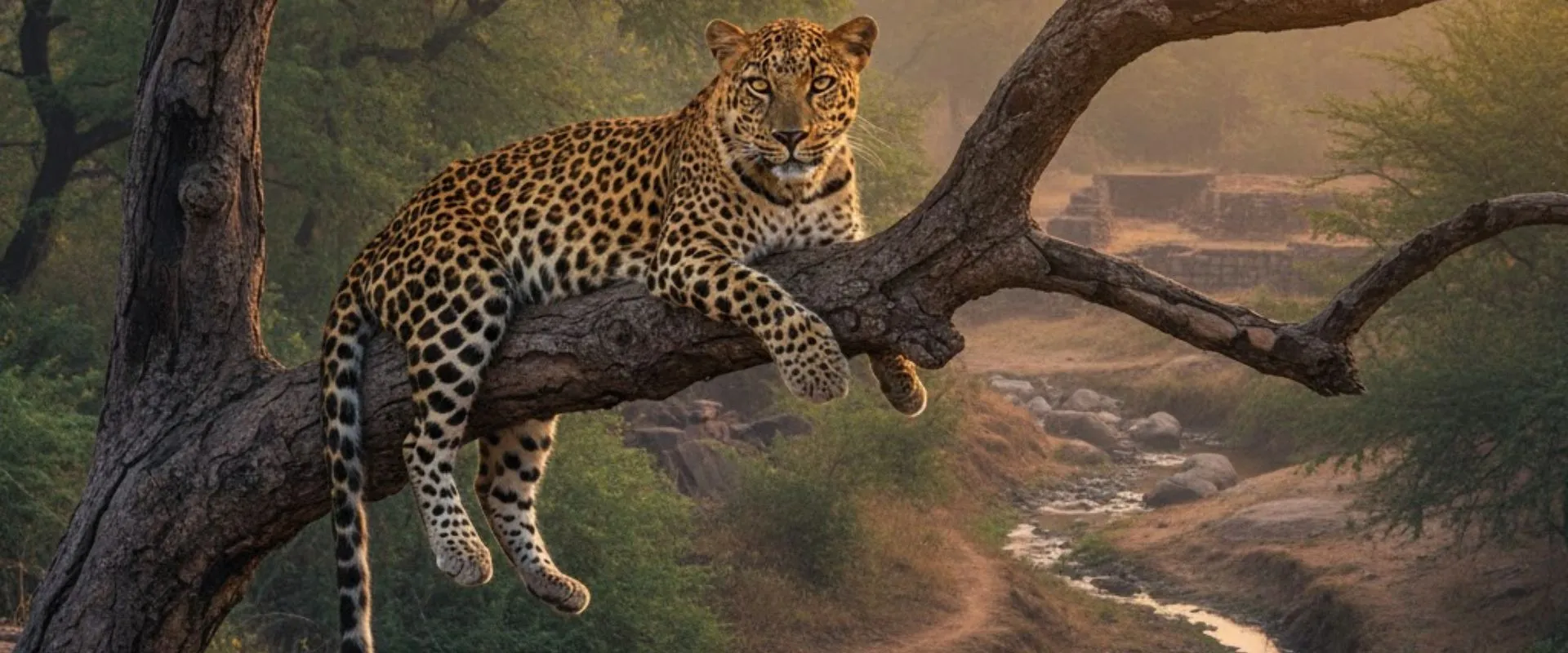
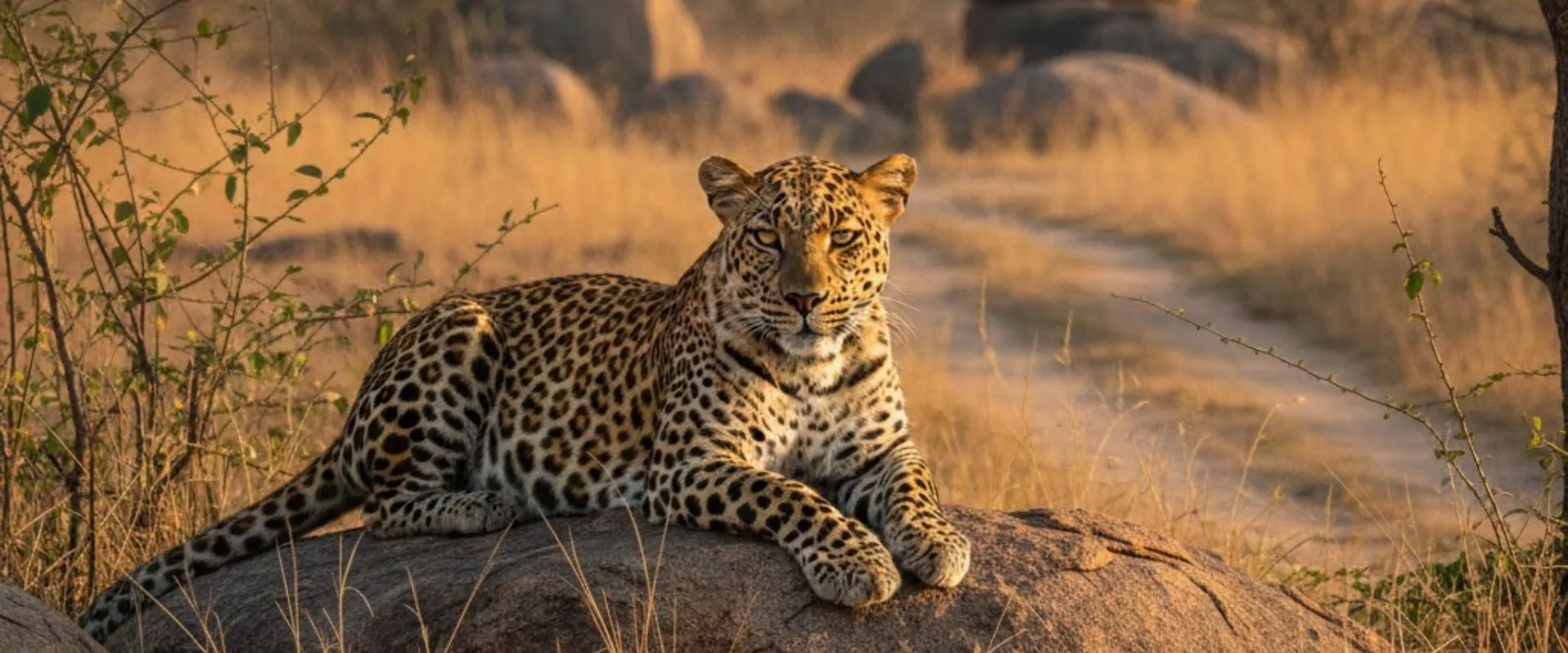
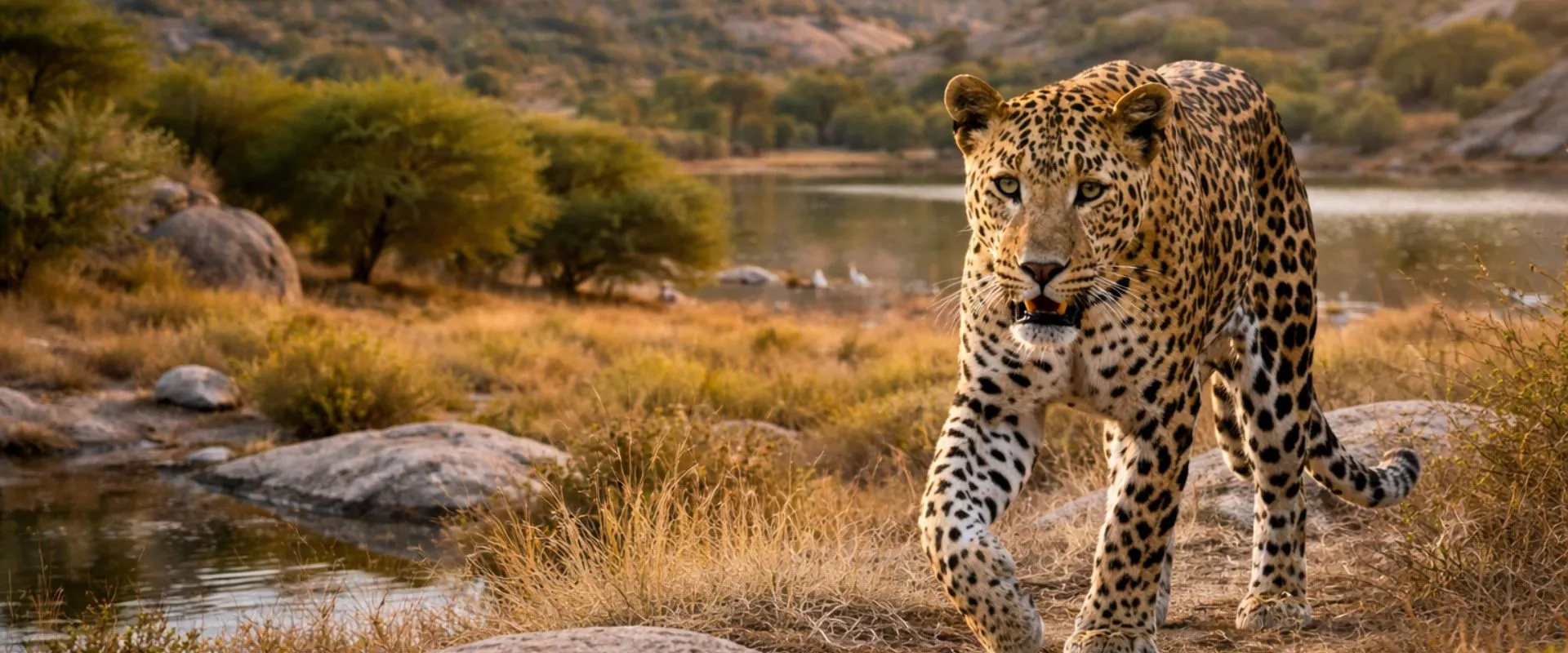
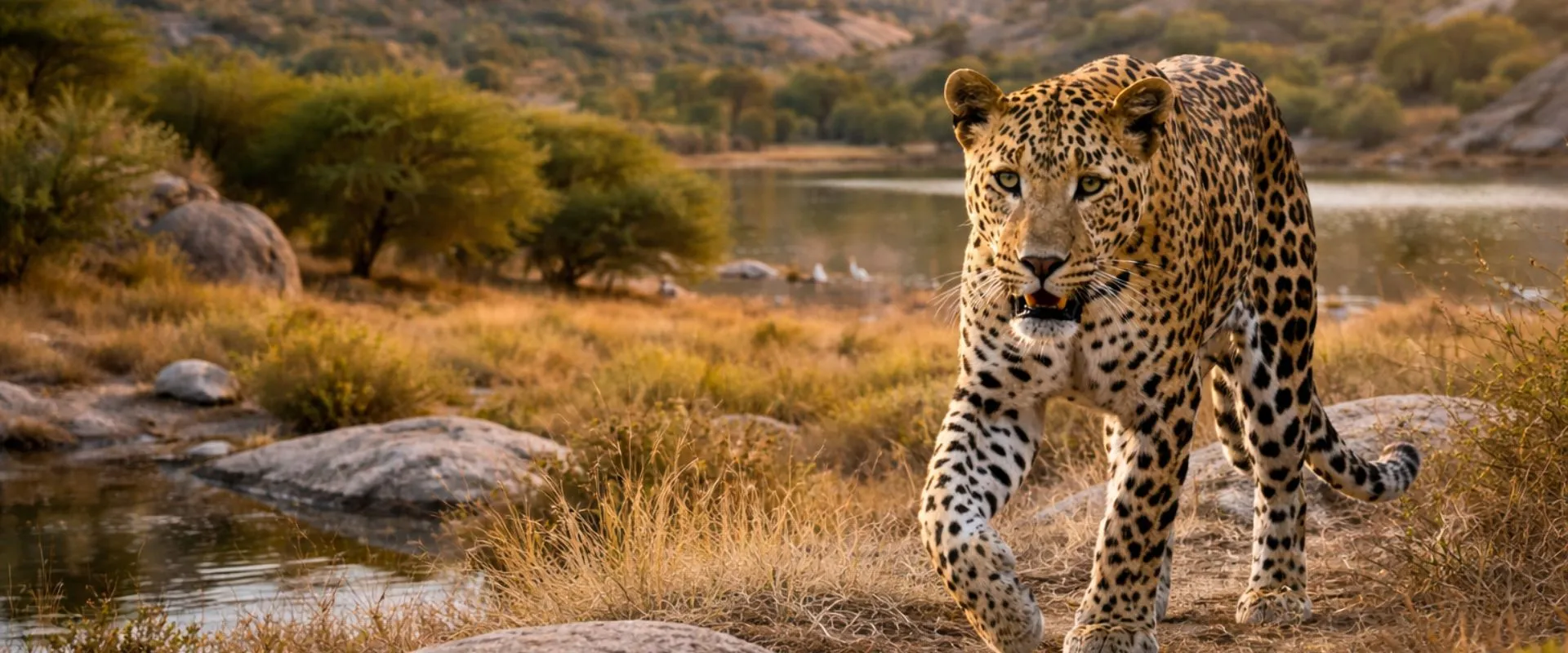
  • Leopards: Present in rocky areas and dense forest patches. The zone’s habitat diversity supports healthy leopard populations utilizing various microhabitats.
  • Gaur (Indian Bison): Herds frequent bamboo groves and forest edges. The zone’s bamboo abundance makes it attractive for these large bovines.
  • Herbivores: Abundant spotted deer, sambar, barking deer, four-horned antelopes, and wild boars provide substantial prey base.
  • Wild Dogs (Dholes): Packs occasionally move through while hunting or traveling between territories.
  • Porcupines and Smaller Mammals: Indian porcupines, civets, mongooses, and jungle cats are spotted more frequently in Bastua due to varied habitat types.
  • Birdlife: Over 80 species including Indian pittas, Malabar pied hornbills, paradise flycatchers, various woodpeckers (golden-backed, yellow-crowned), warblers, and flycatchers. The zone’s habitat diversity supports varied avian communities, making it excellent for birdwatching.

Best Features:

  • Excellent sloth bear territory—frequent encounters with these fascinating animals.
  • Good tiger sighting opportunities, particularly during summer near water sources.
  • Diverse habitats within single safari—experiencing multiple ecosystem types.
  • Rich birdlife with specialists from different habitat types.
  • Seasonal streams add riparian ecology dimension during and post-monsoon.
  • Balance of forest immersion and visibility for wildlife viewing.
  • Educational value—understanding habitat-species relationships.

Safari Experience: 

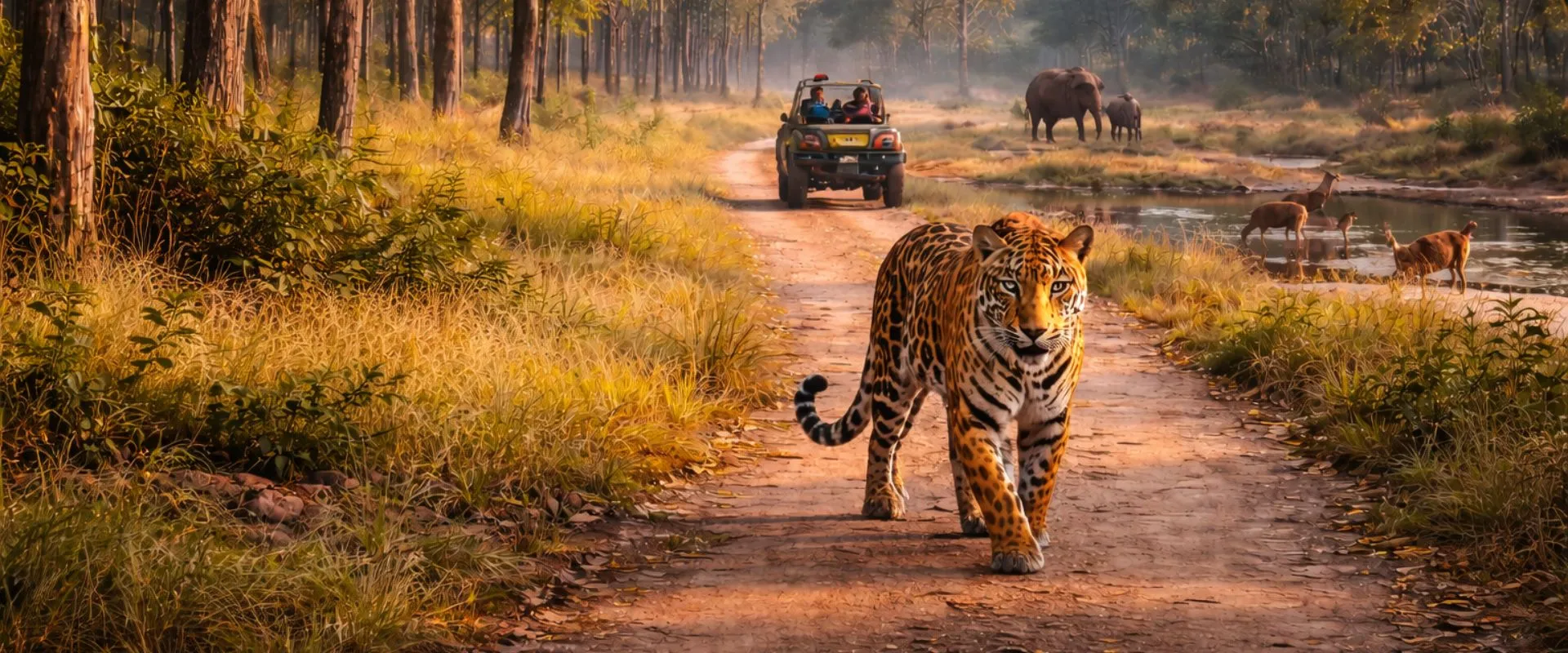
Bastua Zone safaris provide comprehensive wildlife experiences showcasing ecosystem diversity. The alternating dense forest and open clearings create dynamic safaris where anticipation builds in closed sections and relaxes in open areas, keeping attention engaged throughout.

Sloth bear watching in Bastua is particularly rewarding. These shaggy, powerful animals forage with remarkable focus, digging into termite mounds with strong claws or ripping bark to access insects. Their vocalizations—grunts, snorts, and occasional bellows—often announce their presence before visual confirmation. Observing bears climb trees with surprising agility despite their bulk demonstrates adaptations for frugivory.

The zone’s bamboo groves create fascinating soundscapes—rustling movements, snapping stems, and occasional gaur vocalizations echo through dense stands. Bamboo areas concentrate gaur activity, as fresh bamboo shoots provide nutritious food. Watching massive gaur bulls navigate bamboo thickets with grace despite their size is impressive.

Bastua’s seasonal streams (flowing during and after monsoons, drying to pools in summer) demonstrate water’s critical role in wildlife ecology. During flowing periods, diverse species visit for drinking and bathing. As summer progresses and streams reduce to isolated pools, these remnant water sources become critical congregation points.

Tiger tracking in Bastua follows signs—pugmarks in stream banks, scratch marks on trees, territorial spray on prominent rocks, and alarm calls from prey species. The forest sections’ closed character means tigers can approach closely before detection, creating sudden, thrilling encounters when predators emerge onto paths or clearings.

Birdwatching benefits from habitat edges—transitions between forest and clearings, or forest and streams—where maximum species overlap occurs. Colorful Indian pittas hop along forest floors during migration seasons, hornbills fly overhead with distinctive wing beats, and woodpeckers work tree trunks systematically for insects.

Best Time to Visit:

  • November to February: Pleasant weather (12-28°C) ideal for comfortable safaris. Good for birdwatching with resident species and winter migrants. Sloth bears active throughout this period.
  • March to June: Peak season for tiger sightings near water sources. Summer temperatures (30-42°C) make early morning safaris essential. Sloth bear activity increases with termite availability.
  • October: Post-monsoon with flowing streams, lush vegetation, and active wildlife. Beautiful scenery though animals more dispersed.

Photography Opportunities: 

Bastua Zone excels for:

  • Sloth bear behavior documentation—foraging, climbing, maternal care
  • Tiger sightings in varied forest settings
  • Gaur in bamboo groves—natural habitat contexts
  • Forest atmosphere shots—light filtering through sal canopy
  • Bird photography—colorful species like pittas, hornbills, flycatchers
  • Stream ecology—wildlife at water sources, reflections
  • Habitat diversity compositions showing ecosystem transitions

Visitor Tips:

  • Patience Essential: Forest sections require careful observation; rewards come to patient observers.
  • Sound Awareness: Listen for rustling, vocalizations, alarm calls indicating wildlife presence.
  • Binoculars Important: Forest conditions mean wildlife may be partially obscured; good optics help.
  • Photography Equipment: Mid to long telephoto (200-500mm) for forest wildlife, possibly faster lenses for lower light conditions under canopy.
  • Insect Repellent: Forest conditions mean more insects; carry effective repellent.
  • Multiple Safaris: Bastua rewards repeat visits as different routes reveal different wildlife and habitats.

Who Should Visit Bastua Zone:

  • Sloth bear enthusiasts seeking excellent encounter opportunities
  • Tiger enthusiasts willing to explore varied habitats
  • Birdwatchers interested in forest specialists
  • Nature lovers appreciating ecosystem diversity
  • Photographers wanting varied subjects and habitats
  • Those seeking balance between forest atmosphere and wildlife visibility

Why Choose Bastua Zone: 

Bastua Zone showcases Sanjay Dubri’s ecological richness—demonstrating that diverse habitats support diverse wildlife communities. The zone celebrates biodiversity beyond headline species, showing that sloth bears, gaur, and varied birdlife contribute equally to wilderness experiences. For visitors understanding that great safaris engage all senses—sights, sounds, forest smells, and the anticipation of what lies around each bend—Bastua delivers authentic, multi-dimensional encounters that define quality wildlife tourism.

Book your Jungle Experiences along with Safaris & Local Activities

Related Safari Zones

Amagarh Zone

Amagarh Zone

Amagarh Zone The Amagarh Zone is a buffer area known for its hilly terrain and dense vegetation, offering challenging but rewarding safari experience...

Jhalana Zone 2

Jhalana Zone 2

Jhalana Zone 2 Jhalana Zone 2 offers alternative safari routes within the Jhalana reserve, featuring similar terrain with different vantage points. ...

Jhalana Zone 1

Jhalana Zone 1

Jhalana Zone 1 Jhalana Zone 1 is part of Jhalana Leopard Conservation Reserve near Jaipur, known as an urban wildlife sanctuary with high leopard den...

Jawai Zone

Jawai Zone

Jawai Zone The Jawai Zone is famous for its unique landscape of granite hills and leopard conservation, though it's actually a separate wildlife area...

Jeewada Zone

Jeewada Zone

Jeewada Zone The Jeewada Zone is a remote buffer area offering untouched wilderness and excellent opportunities for spotting elusive wildlife. Wha...

Kothar Zone

Kothar Zone

Kothar Zone The Kothar Zone is a pristine wilderness area within the park, known for its rugged terrain and dense sal forests. What Makes Kothar S...

Sena Zone

Sena Zone

Sena Zone The Sena Zone is a peripheral buffer area characterized by mixed forests and agricultural borders, providing a unique blend of wildlife hab...

Bera Zone

Bera Zone

Bera Zone The Bera Zone is a wildlife corridor and transition area of the national park, offering diverse landscapes from open grasslands to dense fo...

Harsa/Khajurikudar Zone

Harsa/Khajurikudar Zone

These buffer zones expand safari opportunities beyond the core areas and include small grasslands, seasonal water bodies, and forest patches. What ...

Jhinna Zone

Jhinna Zone

The Jhinna Zone is a buffer and fringe area of Panna National Park, known for quiet safari trails and nocturnal wildlife opportunities. What Makes ...

Akola Zone

Akola Zone

The Akola Zone is part of the park’s buffer area, providing a peaceful safari with mixed habitats including grasslands, dry forests, and small water...

Hinouta Zone

Hinouta Zone

The Hinouta Zone is a core area with undulating terrain, rocky outcrops, and dense forests, providing a quieter safari experience. What Makes Hinou...