Jamanidev/Bagra Zone – Satpura Tiger Reserve
The Jamanidev/Bagra Zone (also known as Jamani Devi/Sehra Zone) is a buffer zone located close to the Madhai entry gate of Satpura Tiger Reserve. This zone serves as an important peripheral area that connects core wilderness to surrounding landscapes while providing wildlife viewing opportunities in a more accessible setting. Its proximity to the main gate makes it convenient for visitors with limited time or those seeking introductory safari experiences before venturing into deeper core zones.
What to Expect:
- The zone features mixed forest types, grassland patches, seasonal water sources, and transitional habitat areas.
- Safari routes are well-maintained and accessible, suitable for all visitor types including families and first-timers.
- The landscape includes forest edges, open clearings, village peripheries, and natural corridors.
- Strategic location near Madhai gate provides easy access while maintaining buffer zone character.
- Lower tourist traffic compared to main zones ensures peaceful experiences.
Wildlife Highlights:
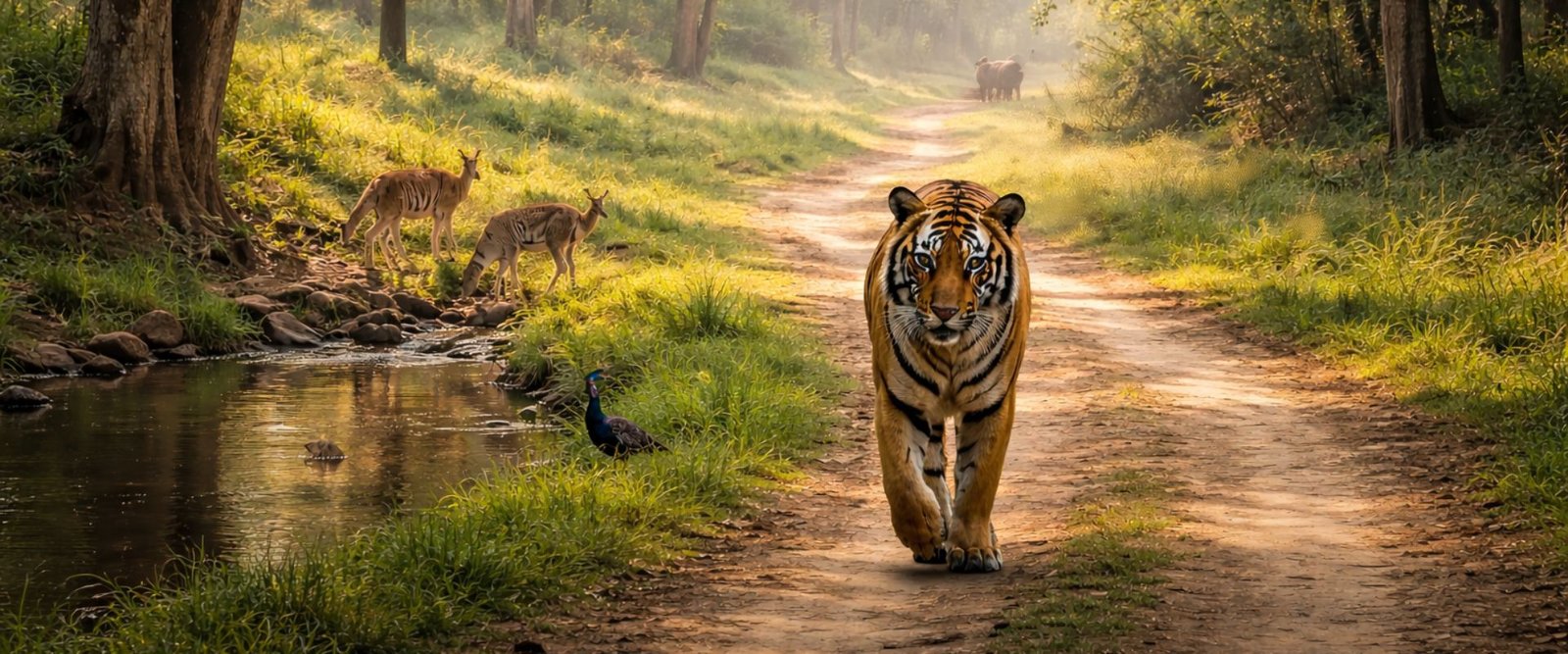
- Herbivores: Good populations of spotted deer, sambar, barking deer, and four-horned antelopes. Occasional gaur sightings near forest edges.
- Wild Boars: Abundant sounders frequently spotted rooting in soft soil areas.
- Langurs and Macaques: Primate troops commonly observed in trees and forest clearings.
- Small Carnivores: Jungle cats, civets, and mongooses are spotted more frequently than in busier core zones.
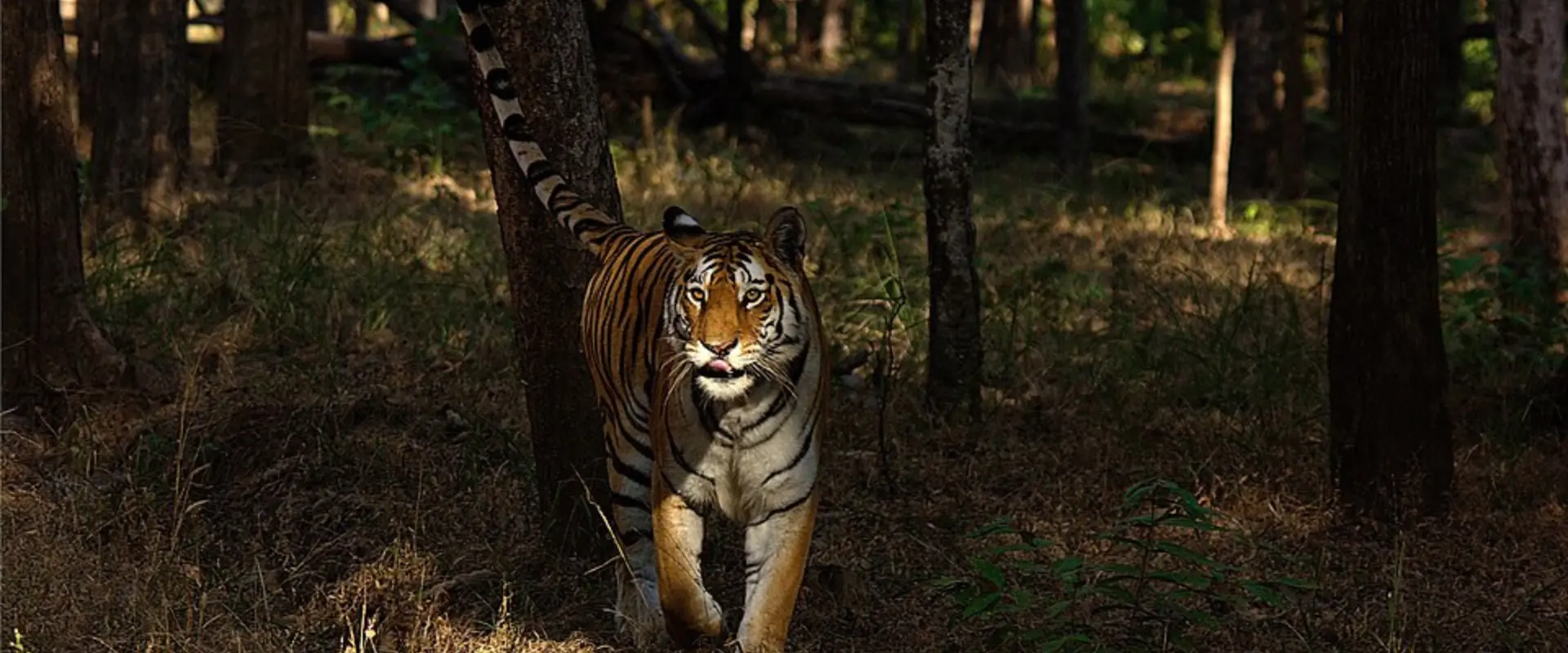
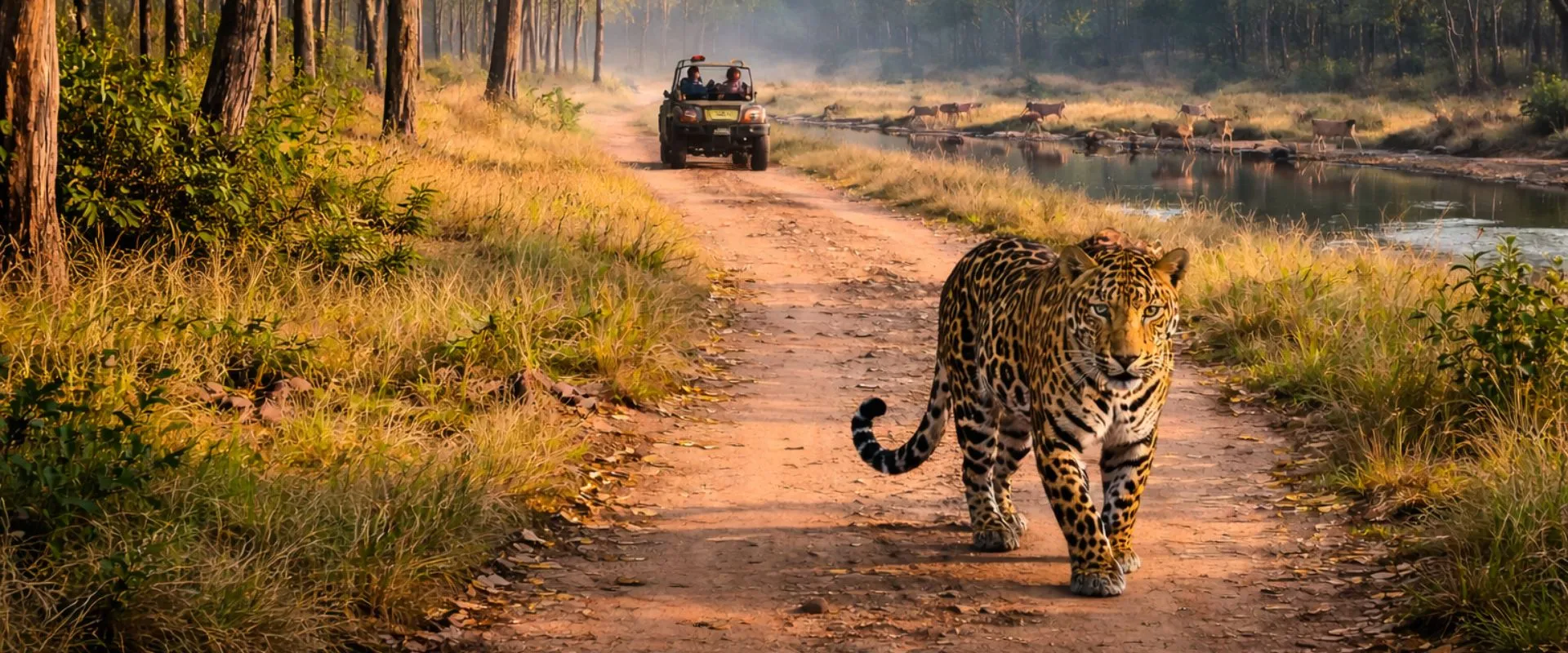
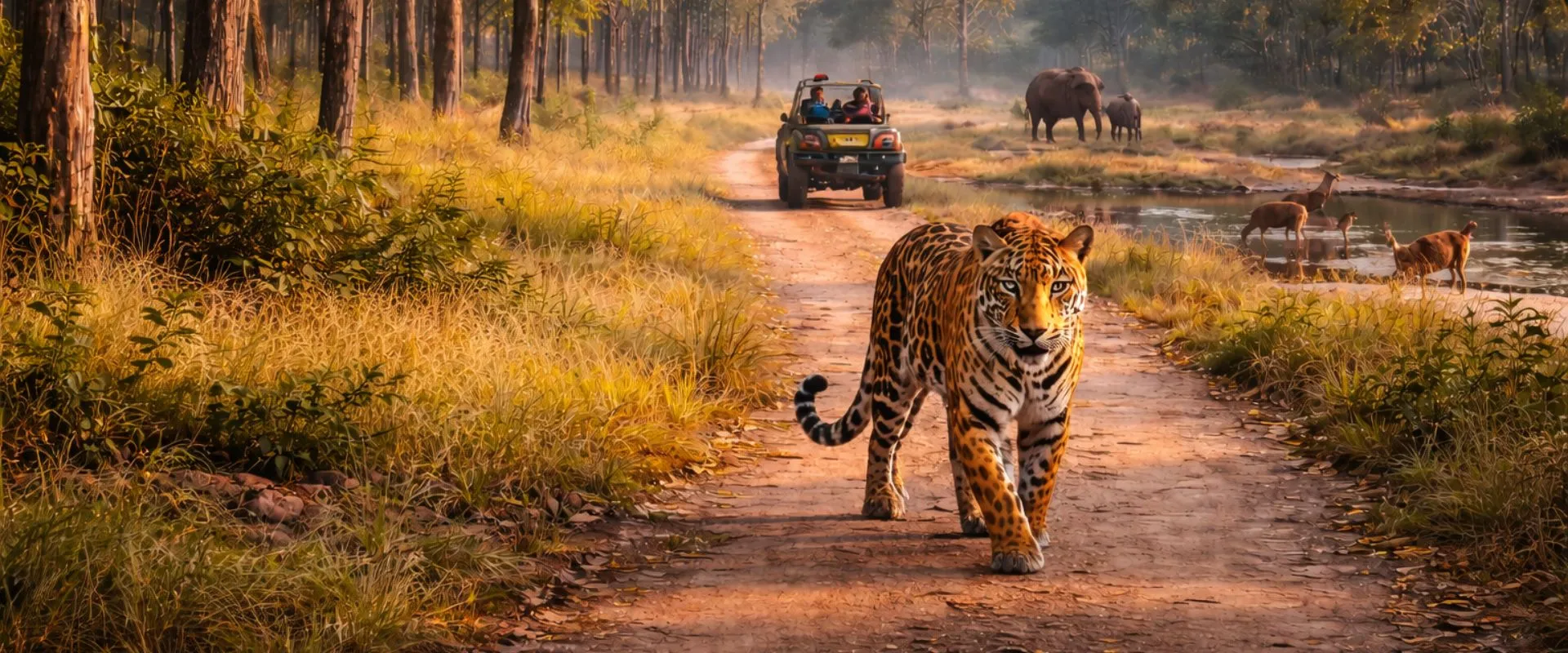
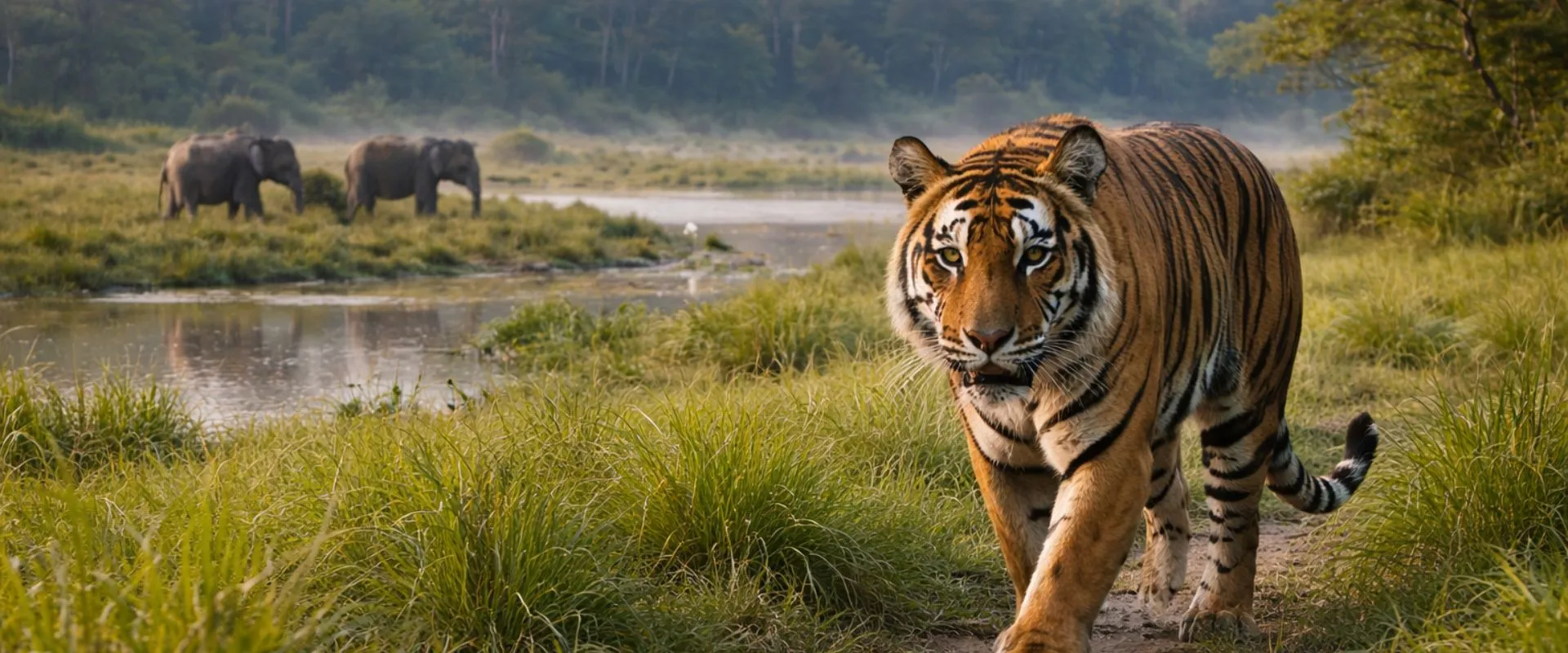
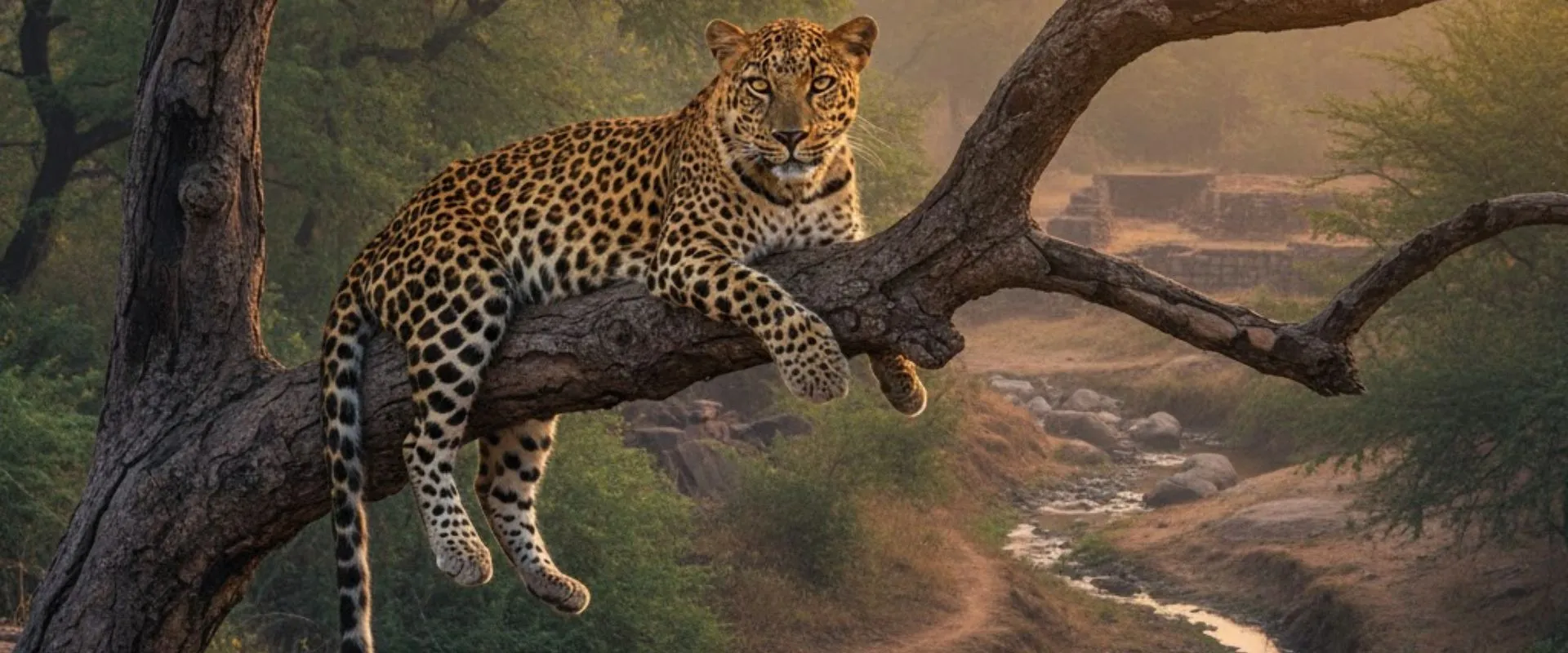
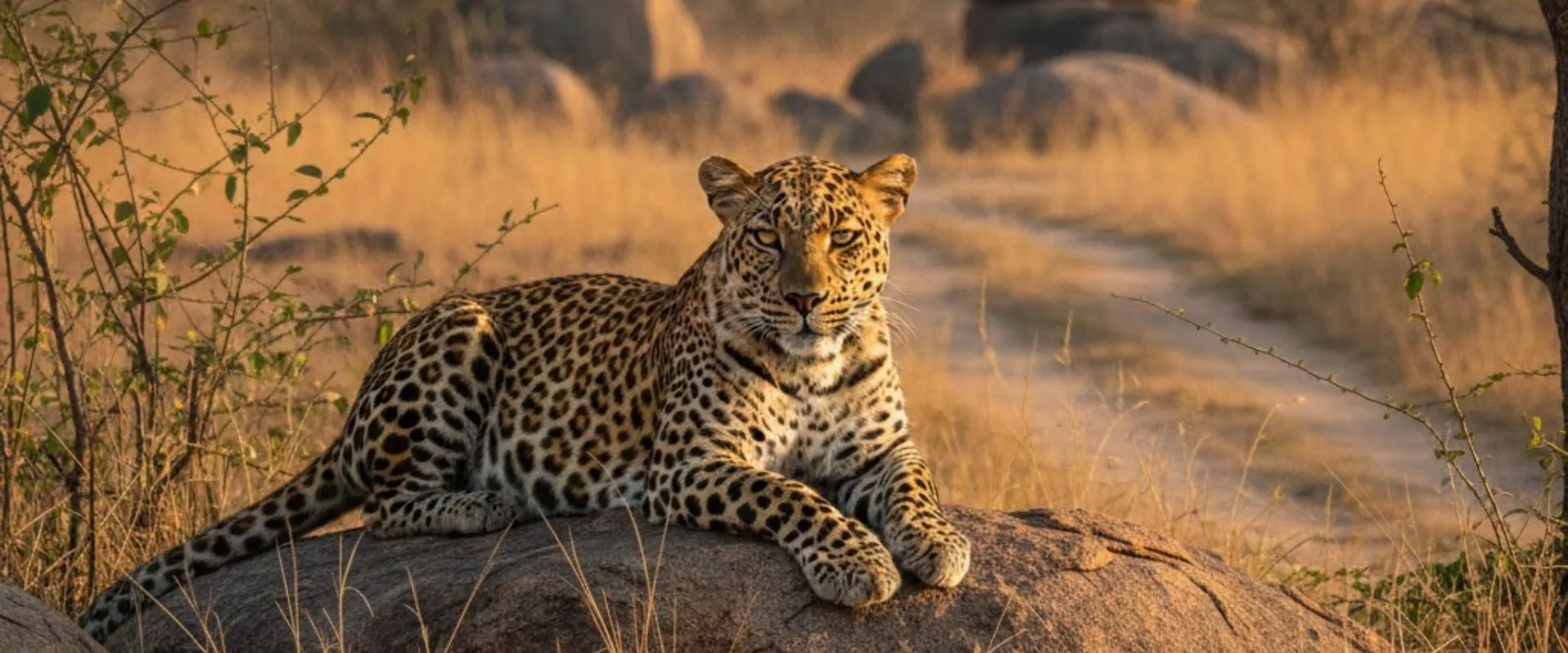
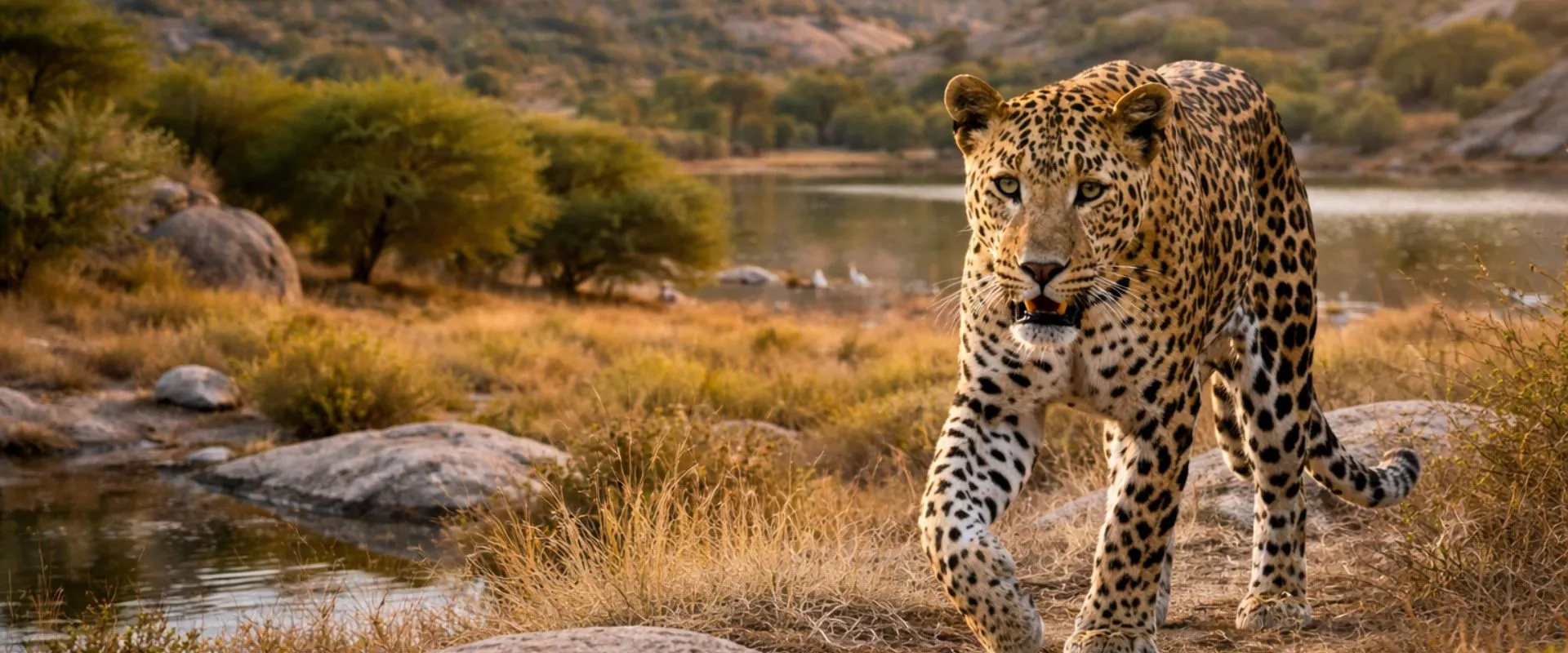
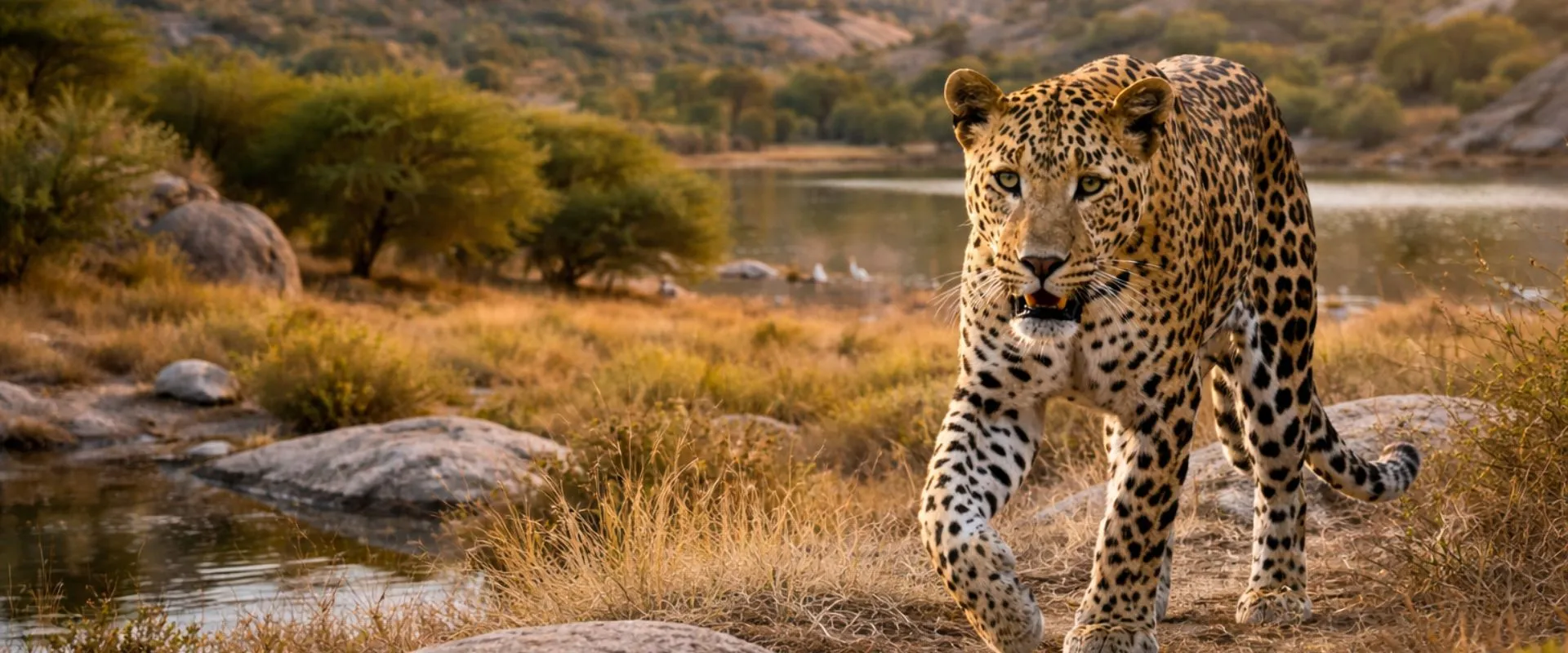
- Occasional Predators: Leopards pass through the zone, and rarely, tigers from adjacent Madhai core area venture into buffer territory.
- Wild Dogs (Dholes): Packs occasionally traverse while moving between core areas.
- Nilgai: These large antelopes frequent open areas and scrublands.
- Birdlife: Over 70 species including grey junglefowl, painted spurfowl, peacocks, various woodpeckers, bee-eaters, rollers, drongos, and numerous forest species. Good for casual birdwatching.
Best Features:
- Convenient location near Madhai entry gate—ideal for short safaris or time-limited visitors.
- Buffer zone character demonstrates conservation beyond core areas.
- Good herbivore viewing opportunities in accessible settings.
- Peaceful, uncrowded safaris allowing relaxed observation.
- Educational value—understanding buffer zone functions in landscape conservation.
- Family-friendly with reliable wildlife sightings and comfortable terrain.
- Transition zone ecology—observing how species utilize peripheral habitats.
Safari Experience:
Jamanidev/Bagra Zone safaris provide introductory wildlife experiences perfect for first-time visitors or those wanting comfortable, accessible encounters. The zone’s proximity to Madhai gate means short travel time to viewing areas, maximizing actual wildlife observation time.
Morning safaris often reveal herbivores feeding in clearings—spotted deer herds grazing peacefully, sambar emerging from forest edges, and wild boar sounders rooting for food. The zone’s open patches provide good visibility for observing animal behaviors and photography.
The buffer zone character creates interesting dynamics. Wildlife here experiences different pressures than core zone animals—occasional proximity to village activities, agricultural lands nearby, and the challenge of navigating human-modified landscapes. Observing how wildlife adapts to these conditions provides valuable conservation insights.
Birdwatching in Jamanidev/Bagra benefits from habitat edges—the transition between forest and open areas hosts maximum species diversity. Woodpeckers work tree trunks, bee-eaters hawk insects from exposed perches, and jungle fowl scratch through leaf litter. The variety of micro-habitats supports diverse avian communities.
Occasionally, leopards from adjacent core areas pass through, and fresh pugmarks or territorial markings indicate their presence even without direct sightings. These signs add excitement and demonstrate the zone’s role as wildlife corridor connecting different reserve areas.
The zone also provides opportunities to understand conservation challenges. Seeing how buffer zones function—protecting wildlife while accommodating human needs—illustrates the complexity of modern conservation requiring solutions beyond simply creating protected areas.
Best Time to Visit:
- October to March: Pleasant weather (12-28°C) ideal for comfortable safaris. Good for family visits and first-time safari experiences.
- April to June: Summer months (30-40°C) still offer good sightings; early morning slots recommended. Wildlife activity remains consistent.
- Year-round:
Buffer zone accessibility means wildlife viewing opportunities throughout the open season (October-June).
Conservation Significance:
Buffer zones like Jamanidev/Bagra are critical for:
- Wildlife movement corridors between core areas
- Reducing human-wildlife conflict through managed interface zones
- Demonstrating coexistence models for surrounding communities
- Providing expanded habitat as core zone populations grow
- Economic benefits to local communities supporting conservation
Visitor Tips:
- Ideal for Short Visits: Close proximity to gate makes this perfect for visitors with limited time.
- Family-Friendly: Accessible terrain and reliable sightings suit all age groups.
- Combine with Core Zones: Many visitors do morning safari here and evening in Madhai for comprehensive experience.
- Educational Approach: Focus on understanding buffer zone conservation importance.
- Reasonable Expectations: Predator sightings less common; value herbivore ecology and ecosystem understanding.
Who Should Visit Jamanidev/Bagra Zone:
- First-time safari visitors wanting introductory experiences
- Families with children or elderly members
- Time-limited visitors near Madhai gate
- Those interested in buffer zone conservation concepts
- Visitors seeking peaceful, uncrowded safaris
- Educational groups studying wildlife management
Why Choose Jamanidev/Bagra Zone:
Jamanidev/Bagra Zone offers accessible wildlife experiences demonstrating that conservation extends beyond remote core areas. The zone shows how buffer areas serve crucial functions—wildlife corridors, human-wildlife coexistence models, and expanded habitat. For visitors wanting convenient, peaceful safaris while supporting comprehensive landscape conservation, this zone provides meaningful encounters that complement core zone adventures