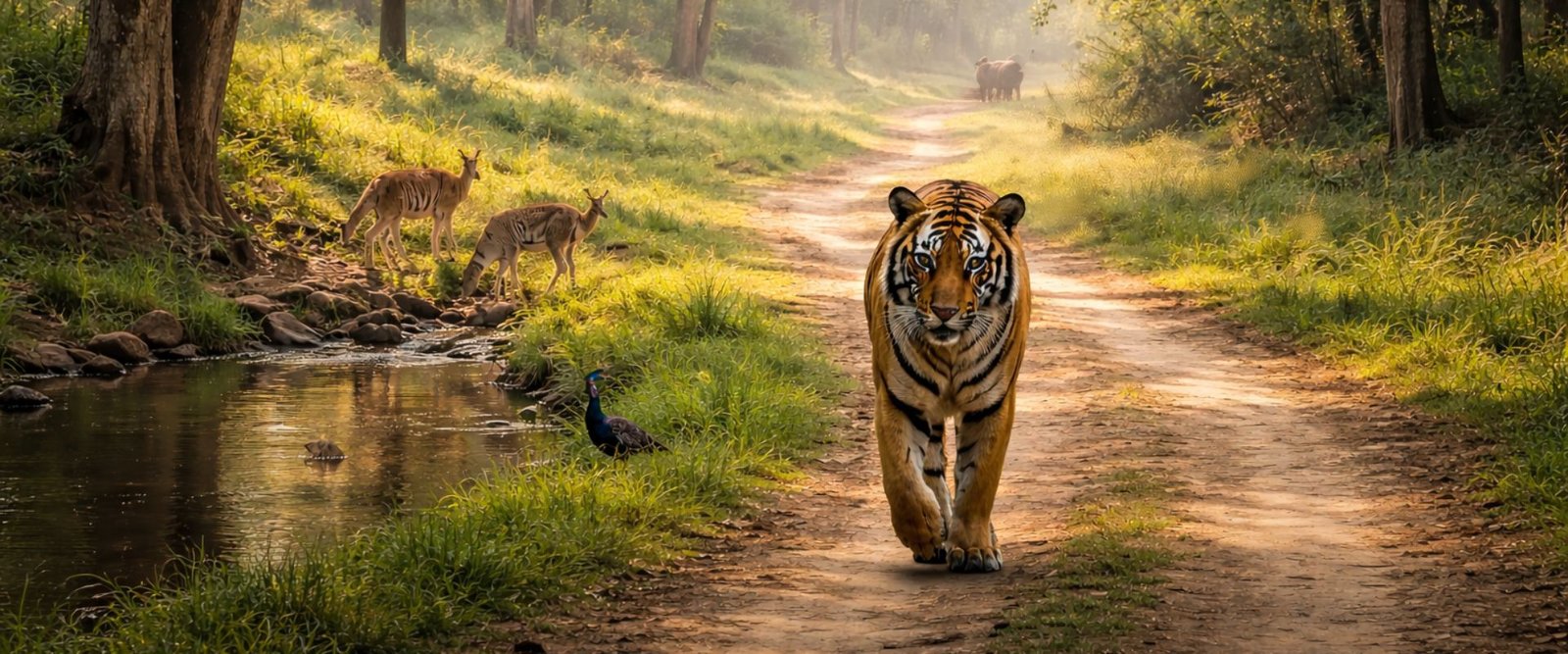
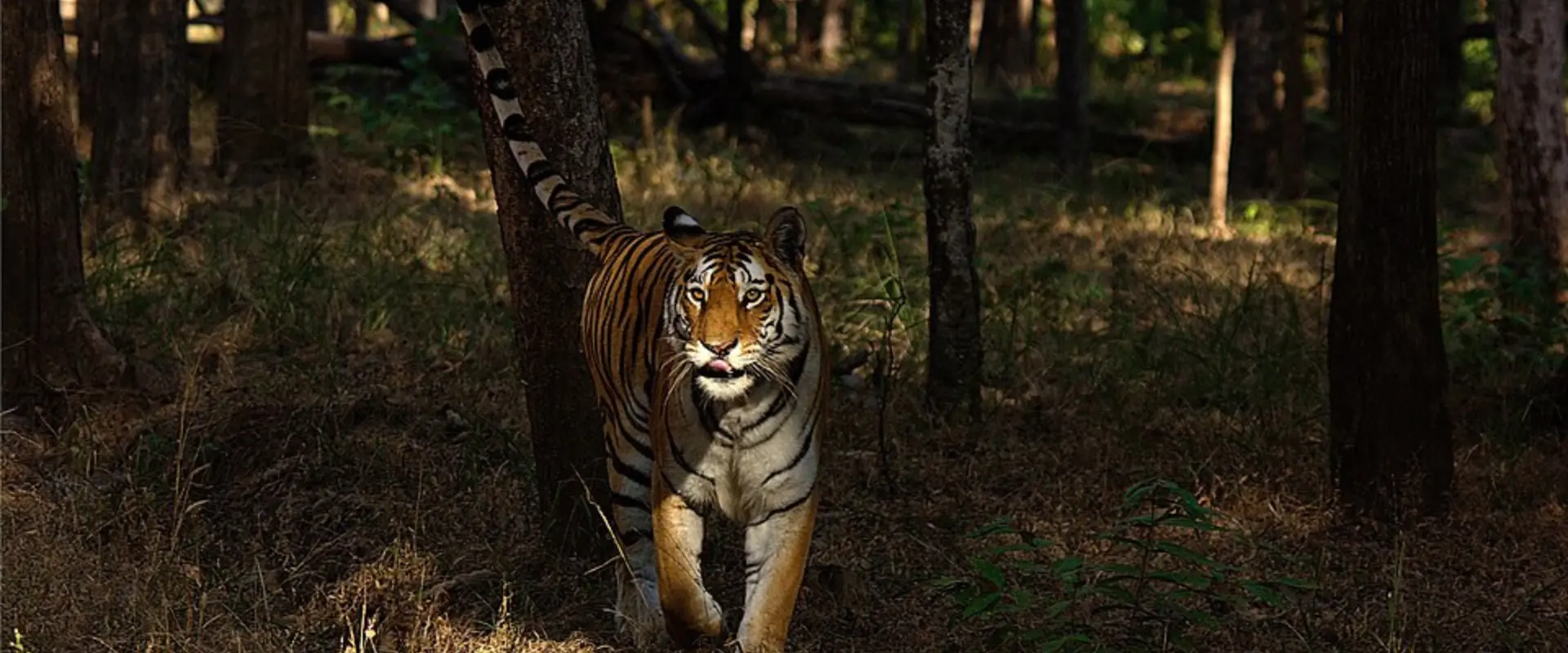
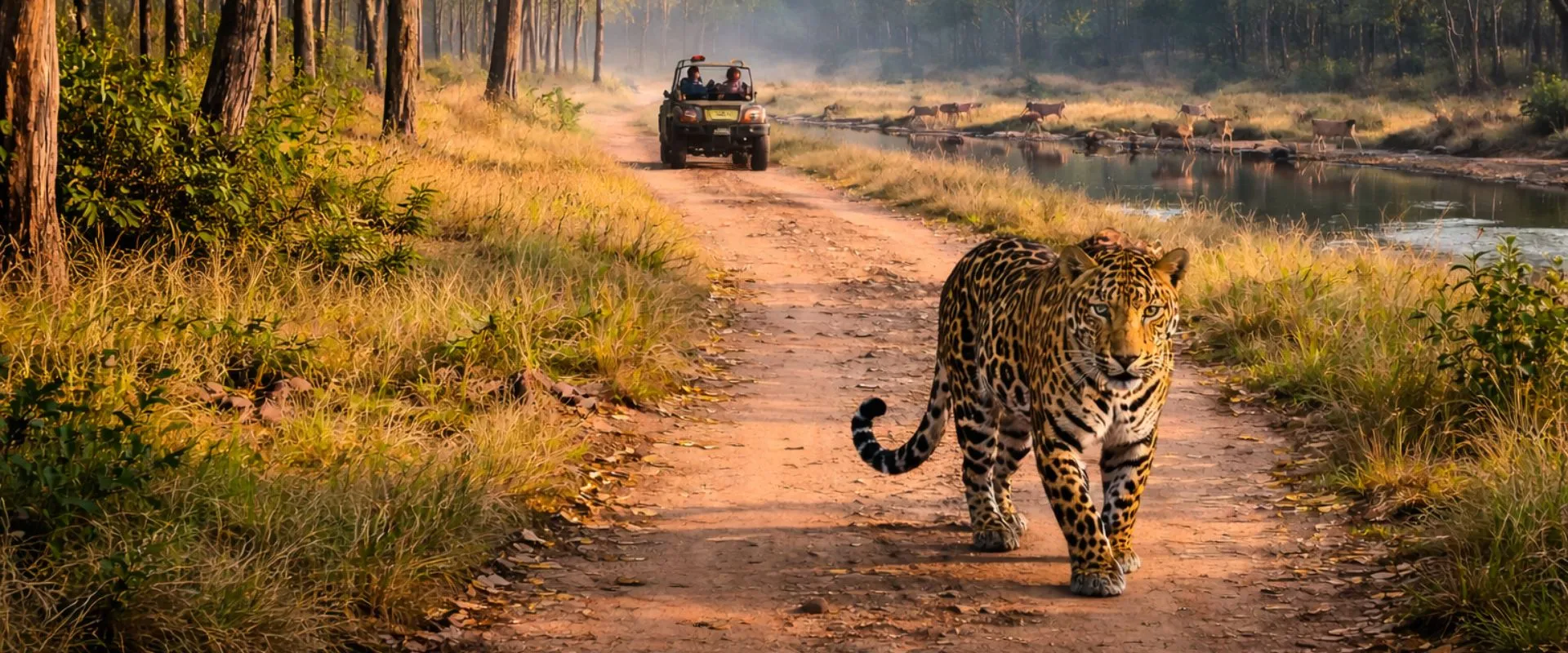
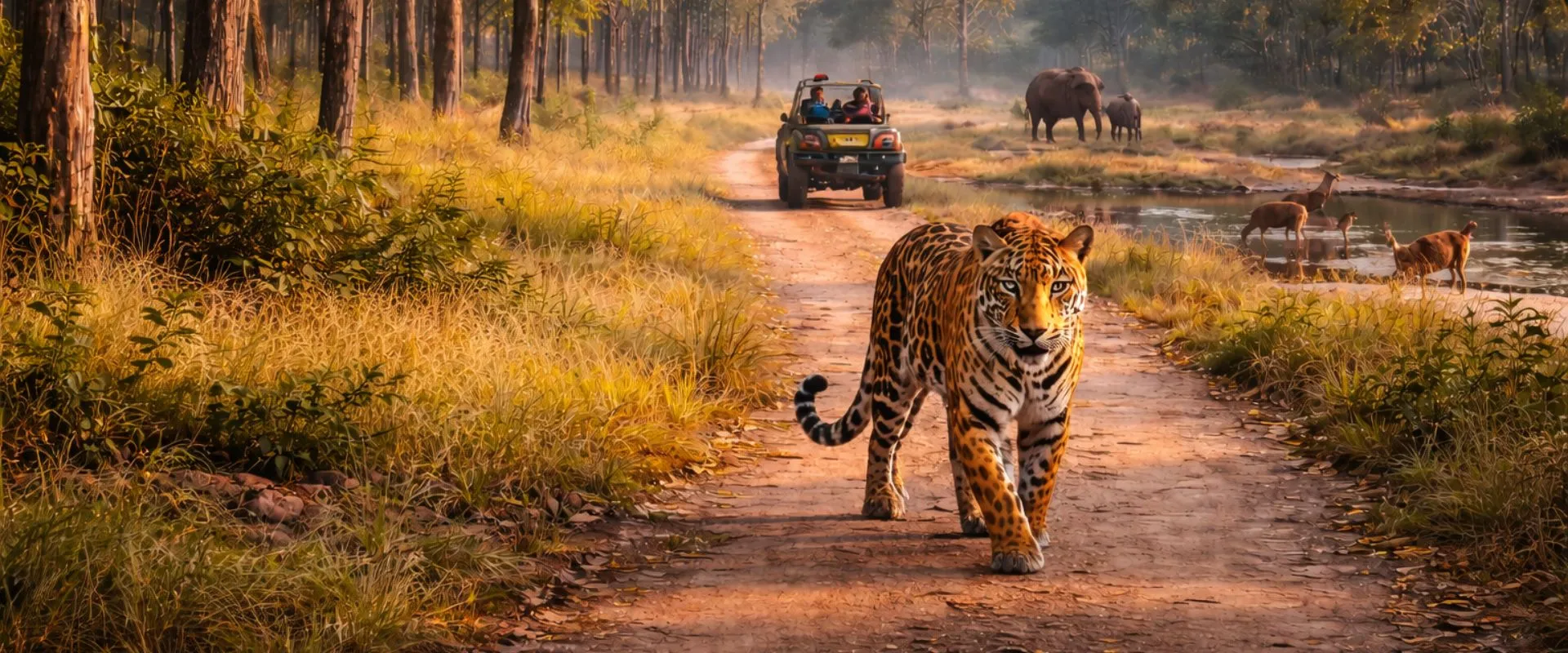
Parsapani/Pathai Zone – Satpura Tiger Reserve

The Parsapani/Pathai Zone is a buffer zone of Satpura Tiger Reserve, located in the peripheral areas that serve as crucial transitional habitat between the core wilderness and surrounding human-dominated landscapes. This zone is particularly renowned for excellent herbivore viewing opportunities, especially Indian gaur (bison) and various deer species. Parsapani/Pathai offers a more relaxed safari experience while still providing authentic wildlife encounters in natural settings.

What to Expect:

  • The zone features open grasslands, mixed deciduous forests, scrubland patches, and agricultural buffer areas.
  • Safari routes traverse gentler terrain compared to core zones, with good visibility across open meadows and forest edges.
  • The landscape includes seasonal water sources, grazing grounds, village peripheries, and forest corridors.
  • Lower predator density compared to core zones, but excellent for observing herbivore ecology, behavior, and social dynamics.
  • The zone demonstrates successful human-wildlife coexistence with traditional villages nearby.

Wildlife Highlights:

  • Indian Gaur (Bison): The zone’s primary attraction. Large herds of gaur, often numbering 20-40 individuals, are regularly spotted grazing in grasslands and forest edges. The open terrain provides excellent opportunities to observe gaur social structures, feeding behaviors, and interactions. Bulls can weigh over 1,000 kg and present spectacular photographic subjects.
  • Spotted Deer (Chital): Large herds numbering hundreds graze peacefully in meadows, creating beautiful scenes especially during golden morning and evening light. Their alarm calls often indicate predator presence even in buffer zones.
  • Sambar Deer: India’s largest deer species is abundant, with impressive stags displaying magnificent antlers. Sambar prefer forest edges and are active during dawn and dusk.
  • Barking Deer (Muntjac): These small, shy deer frequent forest edges and thick vegetation areas, their distinctive bark-like alarm calls giving them their common name.
  • Nilgai (Blue Bull): Asia’s largest antelope species, with mature bulls displaying distinctive bluish-grey coloring. Herds graze in open areas and scrublands.
  • Wild Boars: Large sounders (groups) are commonly seen, often rooting in soft soil and grasslands.
  • Four-horned Antelopes: Occasionally spotted in open woodland areas; these rare antelopes favor the zone’s mixed habitat types.
  • Langurs and Macaques: Primate troops are frequently observed in trees and on the ground.
  • Occasional Predators: While primarily a herbivore zone, leopards and occasionally tigers pass through, especially near core zone boundaries.
  • Birdlife: Over 80 species including peacocks, jungle fowl, painted spurfowl, various doves, bee-eaters, rollers, drongos, and numerous grassland specialists.

Best Features:

  • Premier gaur viewing location with large herds in open, accessible terrain.
  • Excellent for photography with clear sightlines and natural lighting in grasslands.
  • Ideal for understanding herbivore ecology—feeding behaviors, social structures, anti-predator strategies.
  • Family-friendly zone with gentle terrain and consistent wildlife sightings.
  • Educational value—demonstrates buffer zone importance in conservation.
  • Peaceful safaris with opportunities for extended observation without pressure from multiple vehicles.
  • Cultural insights—proximity to traditional villages shows human-wildlife coexistence models.

Safari Experience: 

Parsapani/Pathai Zone safaris offer a different but equally valuable wildlife experience compared to core zones. The emphasis shifts from predator tracking to understanding complete ecosystems, herbivore ecology, and conservation challenges in buffer areas.

Morning safaris often reveal extensive gaur herds emerging from forest edges to graze in open meadows. Watching these magnificent animals—Asia’s largest wild cattle—move confidently across grasslands in organized groups demonstrates their social complexity. Dominant bulls maintain positions through impressive displays, females with calves show protective behaviors, and juveniles engage in playful interactions.

The zone’s open terrain provides exceptional opportunities for behavioral observation. Spotted deer herds exhibit fascinating dynamics—sentinels maintain vigilance while others feed, alarm calls ripple through groups when threats appear, and stags compete for female attention during rutting season. Understanding these behaviors deepens appreciation for prey species that form the foundation of predator populations.

Gaur observation here is unmatched. Unlike core zones where dense vegetation limits viewing time, Parsapani/Pathai’s open character allows extended encounters. Photographers capture gaur in golden light, against dramatic skies, or in natural compositions with forest backgrounds. The zone provides ideal conditions for documenting gaur behavior—feeding, ruminating, dust bathing, and social interactions.

The buffer zone character means occasional human-wildlife interaction observations. Gaur herds sometimes graze near village peripheries, demonstrating the delicate balance between conservation and community needs. These encounters provide insights into conservation challenges—habitat sharing, crop protection, and sustainable coexistence models.

Birdwatching in Parsapani/Pathai benefits from habitat diversity. Grassland species differ from forest dwellers, and the transition zones between habitats host maximum diversity. Peacocks display during breeding season, raptors patrol skies hunting rodents, and flocks of doves and pigeons create dynamic aerial displays.

Evening safaris feature spectacular light as setting sun illuminates grazing herbivores against dramatic skies. The zone’s elevation provides good vantage points for sunset photography combined with wildlife silhouettes. As darkness approaches, the transition toward nighttime becomes evident—diurnal species retreat while nocturnal ones begin stirring.

Best Time to Visit:

  • October to March: Ideal weather with comfortable temperatures (12-28°C); perfect for extended safaris and photography. Pleasant conditions make observation comfortable. Peak season for family visits.
  • April to June: Good herbivore viewing as animals remain active seeking fresh grazing areas. Summer temperatures (30-40°C) are manageable in open areas. Early morning safaris recommended.
  • Post-Monsoon (October-November): Lush green landscapes, abundant fresh vegetation, and active wildlife create spectacular scenery. Excellent for landscape photography with wildlife elements.

Photography Opportunities: 

Parsapani/Pathai Zone excels for:

  • Gaur herd compositions with landscape backgrounds—grasslands, forest edges, dramatic skies
  • Large herbivore assemblages—mixed species grazing together
  • Behavioral photography—social interactions, feeding, maternal care
  • Sunrise/sunset wildlife silhouettes from open terrain
  • Environmental portraits—animals in habitat context showing ecosystem relationships
  • Bird photography—grassland specialists, raptors, and colorful forest species
  • Conservation storytelling—human-wildlife coexistence themes

Conservation and Educational Significance: 

Buffer zones like Parsapani/Pathai are critical for landscape-level conservation. They provide:

  • Habitat connectivity between core areas and surrounding landscapes
  • Space for wildlife populations to expand beyond core zones
  • Demonstration areas for human-wildlife coexistence models
  • Economic benefits to local communities through safari tourism
  • Educational opportunities about conservation challenges and solutions

The zone shows that successful conservation requires protecting not just core wilderness but also peripheral areas where wildlife interfaces with human activities. Safari revenue supports community development programs, reducing human-wildlife conflict and building local support for conservation.

Visitor Tips:

  • Perfect for Beginners: Gentle terrain and consistent sightings make this ideal for first-time safari visitors and families with children.
  • Extended Observation Time: The zone allows stopping for longer periods to observe behaviors without pressure from crowded vehicles.
  • Binoculars Recommended: Open terrain means animals may be at various distances; quality binoculars (8×42 or 10×42) enhance viewing.
  • Photography Equipment: Wide-angle to mid-telephoto range (24-200mm) works well; not as dependent on extreme telephoto as core zones.
  • Educational Mindset: Approach with curiosity about herbivore ecology and conservation challenges, not just predator checklists.
  • Respect Local Communities: Buffer zones border villages; respect local people and their traditional lands.
  • Sun Protection: Open terrain means more sun exposure; carry hats, sunglasses, and sunscreen.
  • Combine with Core Zones: Many visitors book buffer zone safaris alongside core zone experiences for comprehensive understanding.

Who Should Visit Parsapani/Pathai Zone:

  • Families with children wanting comfortable, reliable wildlife viewing
  • Gaur enthusiasts interested in studying these magnificent bovines
  • Wildlife photographers seeking open terrain and good natural lighting
  • First-time safari visitors building confidence before core zone adventures
  • Nature lovers appreciating herbivore ecology and ecosystem complexity
  • Educators and students studying conservation and human-wildlife coexistence
  • Visitors interested in understanding buffer zone importance in conservation
  • Those seeking peaceful, educational experiences over intense predator tracking

Why Choose Parsapani/Pathai Zone: 

Parsapani/Pathai Zone proves that meaningful wildlife experiences don’t require predator sightings. The zone celebrates herbivores—the ecological foundation supporting predator populations and the species facing greatest human-wildlife conflict challenges. Watching massive gaur herds, understanding deer social dynamics, and appreciating buffer zone conservation importance provides depth often missing from predator-focused tourism. For visitors seeking comprehensive wildlife understanding, recognizing that ecosystems comprise more than charismatic megapredators, Parsapani/Pathai offers rewarding, educational experiences that complement core zone adventures. It’s Satpura’s accessible face—welcoming, educational, and beautifully demonstrating that conservation succeeds when wildlife and people find ways to coexist.

Book your Jungle Experiences along with Safaris & Local Activities

Related Safari Zones

Amagarh Zone

Amagarh Zone

Amagarh Zone The Amagarh Zone is a buffer area known for its hilly terrain and dense vegetation, offering challenging but rewarding safari experience...

Jhalana Zone 2

Jhalana Zone 2

Jhalana Zone 2 Jhalana Zone 2 offers alternative safari routes within the Jhalana reserve, featuring similar terrain with different vantage points. ...

Jhalana Zone 1

Jhalana Zone 1

Jhalana Zone 1 Jhalana Zone 1 is part of Jhalana Leopard Conservation Reserve near Jaipur, known as an urban wildlife sanctuary with high leopard den...

Jawai Zone

Jawai Zone

Jawai Zone The Jawai Zone is famous for its unique landscape of granite hills and leopard conservation, though it's actually a separate wildlife area...

Jeewada Zone

Jeewada Zone

Jeewada Zone The Jeewada Zone is a remote buffer area offering untouched wilderness and excellent opportunities for spotting elusive wildlife. Wha...

Kothar Zone

Kothar Zone

Kothar Zone The Kothar Zone is a pristine wilderness area within the park, known for its rugged terrain and dense sal forests. What Makes Kothar S...

Sena Zone

Sena Zone

Sena Zone The Sena Zone is a peripheral buffer area characterized by mixed forests and agricultural borders, providing a unique blend of wildlife hab...

Bera Zone

Bera Zone

Bera Zone The Bera Zone is a wildlife corridor and transition area of the national park, offering diverse landscapes from open grasslands to dense fo...

Harsa/Khajurikudar Zone

Harsa/Khajurikudar Zone

These buffer zones expand safari opportunities beyond the core areas and include small grasslands, seasonal water bodies, and forest patches. What ...

Jhinna Zone

Jhinna Zone

The Jhinna Zone is a buffer and fringe area of Panna National Park, known for quiet safari trails and nocturnal wildlife opportunities. What Makes ...

Akola Zone

Akola Zone

The Akola Zone is part of the park’s buffer area, providing a peaceful safari with mixed habitats including grasslands, dry forests, and small water...

Hinouta Zone

Hinouta Zone

The Hinouta Zone is a core area with undulating terrain, rocky outcrops, and dense forests, providing a quieter safari experience. What Makes Hinou...